

MR. HUYNH TAN VINH, FORMER CHAIRMAN OF THE DA NANG CITY TOURISM ASSOCIATION:
The core values that attract tourists to Da Nang.
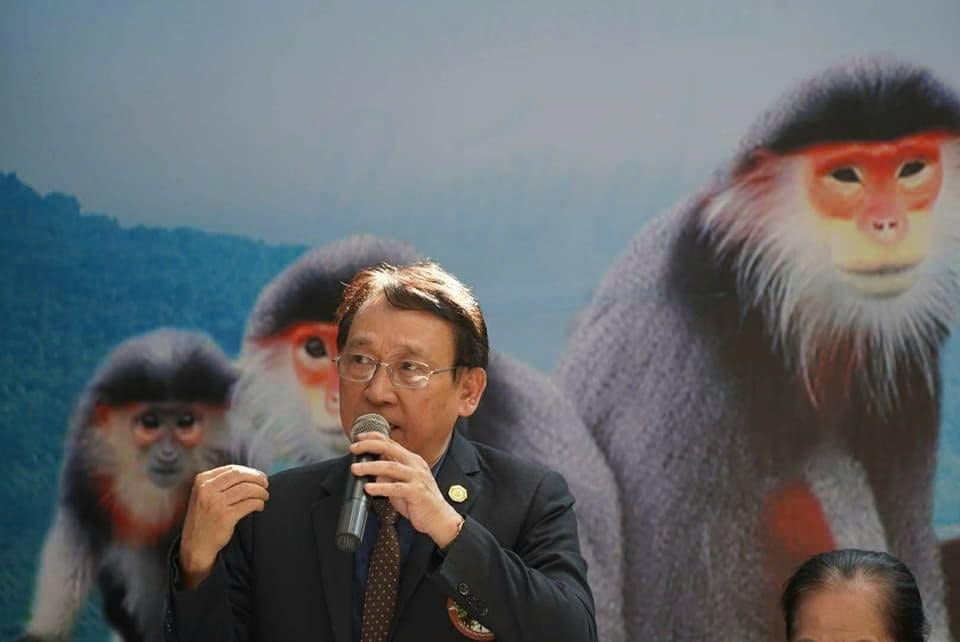
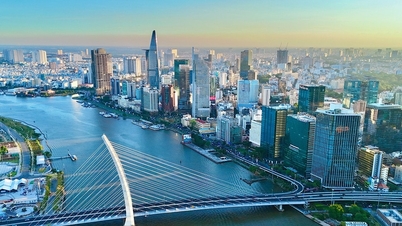
In recent years, Da Nang has emerged as a "livable city." First-time visitors are often impressed by the modern buildings, the eye-catching bridge over the Han River, the riverside urban areas, and the colorful entertainment zones. However, in the long run, once the initial novelty and curiosity fade, visitors are unlikely to return.
So how can we attract tourists, especially those who want to escape the hustle and bustle of the city to find some peace and relaxation during their vacation or explore the beauty of nature? The answer lies in natural biodiversity.
Da Nang is fortunate to possess a unique location: nestled against rolling green mountains, surrounded by pristine seas, and with the romantic Han River flowing through the city. This is both a natural environmental resource and a valuable asset, a competitive advantage that makes Da Nang an attractive destination for both domestic and international visitors.
The current trend in tourism is towards sustainable development, being responsible towards nature and society. Many tourists are willing to pay more to experience tours exploring forests and participating in marine conservation, which increases the value of tourism and raises awareness of conservation among local communities.
Therefore, Da Nang cannot and should not stand outside this trend. Sustainable development, respect for biodiversity, and preservation of natural resources not only contribute to the city's economic prosperity but also safeguard the precious values that nature has bestowed upon it.
Assoc. Prof. Dr. Vo Van Minh, Rector of the University of Education, Da Nang University:
Many people do not understand the true nature of ecotourism.
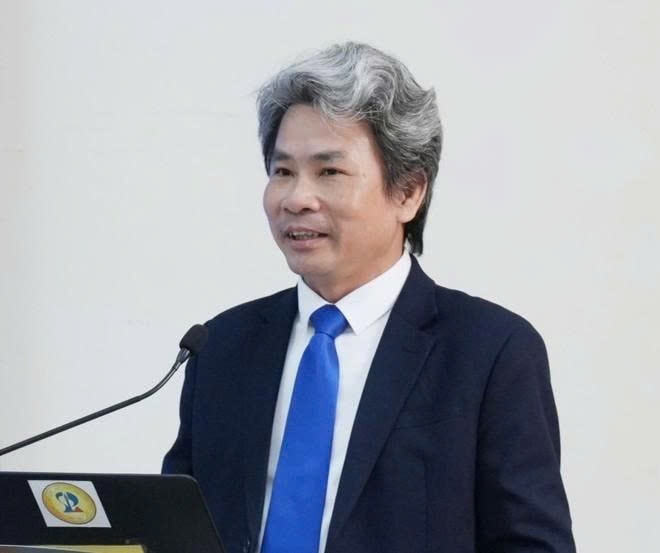
Ecotourism is a unique type of tourism, closely linked to nature and local culture, with the ultimate goal of educating people about nature conservation and cultural preservation.
This also means that when developing ecotourism, it must be linked to protecting and restoring forests, and not destroying forests for tourism purposes.
Investment may involve building infrastructure for experiences and even accommodation, but all must be strictly controlled, comply with regulations, and demonstrate respect for nature. Only then can the mission of educating and communicating to tourists about loving nature, protecting nature, and respecting local culture be fulfilled.
Tourism development and forest protection are not contradictory in the context of ecotourism. Both combine to restore the ecosystem, improve community livelihoods, and work with the community to preserve and promote cultural values, strengthen national pride, and foster the aspiration for sustainable development!
The remaining issue is the need for regulations on construction and, more importantly, regulations on selecting investors. The criteria for selecting investors should consider which type of tourists the ecotourism investor intends to serve.
Ecotourism is a unique type of tourism, closely linked to nature and culture, so investors must be responsible to nature and culture, not just think solely about the economic aspect.
Ecotourism also requires selective clientele. It's crucial to choose civilized tourists who are willing to pay for services derived from the ecosystem, rather than just buying and selling typical services like food, accommodation, and entertainment. The fees for ecosystem services must be used to protect and conserve it.
Only when properly understood and managed can this type of tourism realize its value and develop sustainably. However, if there is a lack of respect for nature and culture, and instead focus on material values and investing in permanent structures in the forest to attract mass tourists and increase the number of visitors… then it is deforestation tourism, not ecotourism.
Dr. Chu Manh Trinh, Lecturer, Faculty of Biology - Environment, University of Education, Da Nang University:
Tourism is an effective communication tool for spreading conservation values.
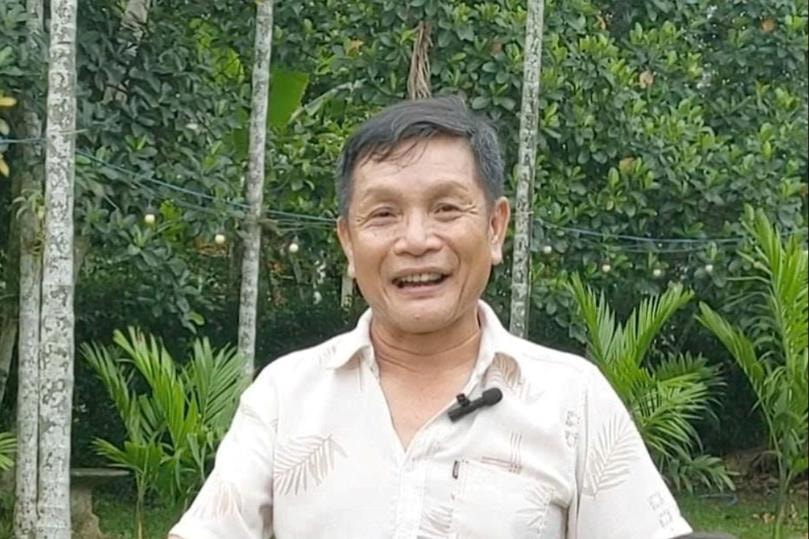
In the context of Da Nang's implementation of the Biodiversity Conservation Project until 2030, with a vision to 2045, I fully support the orientation of linking nature protection with the development of ecotourism and green economy, aiming to build a truly sustainable "Environmental City".
Da Nang currently boasts a system of 50 unique green and ecological tourist destinations and numerous conservation areas such as Cham Island, Son Tra Peninsula, and the thousand-year-old Pơ Mu forest, home to many rare and endangered plant and animal species that are prioritized for preservation.
This is not only a valuable natural resource but has also become a major attraction for both domestic and international tourists to visit and experience.
However, to effectively conserve biodiversity, a clear legal framework is needed to enable citizens to participate alongside the government and businesses in managing forest, wetland, and marine resources.
Simultaneously, incorporating circular economy and applied ecology content into the general education curriculum, linked to local practice, will create a deeper awareness of the value of nature, contributing to fostering responsibility and action for environmental protection from an early age.
Sustainable tourism is a core value for long-term development. For example, upgrading programs like "Clean Up Son Tra - For a Green Son Tra" into responsible tourism products is the right step, not only cleaning up the environment but also helping to spread the spirit of conservation to the tourist community.
Source: https://baodanang.vn/dong-luc-kinh-te-xanh-3337830.html
![[Photo] General Secretary and President To Lam presides over the meeting to approve the draft report on the results of the second inspection by the Politburo of the Standing Committee of the Hanoi City Party Committee.](https://vphoto.vietnam.vn/thumb/1200x675/vietnam/resource/IMAGE/2026/05/26/1779789811432_a2-bnd-4430-9620-jpg.webp)






































































Comment (0)