

Fifty-one years after the reunification of the country, we – war correspondents along with our relatives and friends – had the opportunity to experience U Minh Ha National Park (U Minh Ha National Park), formerly known as U Minh Ha Forest.
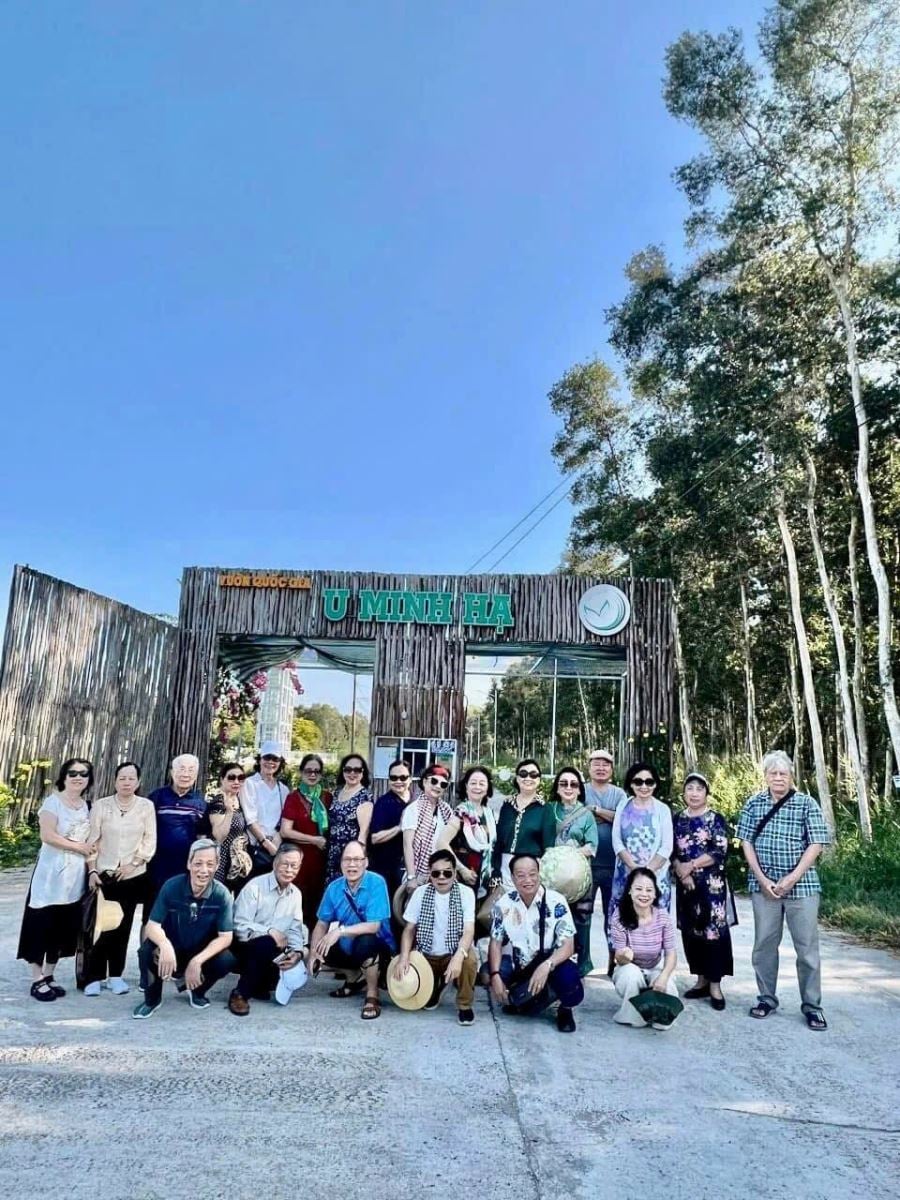
The U Minh Ha forest was once a strategically important base area during the two wars of resistance against France and the United States. Before 1960, it was the living and working place of many high-ranking Party commanders, such as the late General Secretary Le Duan and the late Prime Minister Vo Van Kiet, who led the revolutionary movement in Southern Vietnam. Among them, Comrade Vo Van Kiet had a deep and inseparable connection with the U Minh Ha forest. Countless cadres and soldiers sacrificed their lives here for the independence and freedom of the Fatherland.
The journey to U Minh Ha forest is no longer limited to waterways, with motorboats and rowboats taking all day as before. Now, there's a paved road, and cars can travel from Ca Mau ward to the park in just one hour. U Minh Ha National Park is being preserved and is gradually being revitalized.
Our stop was the Muoi Ngọt Community Ecotourism Area in Ca Mau. Here, the group was invited to sample various types of honey and U Minh forest fruits, then boarded a small boat to explore the forest, see bird nests, observe beekeeping, fishing, and fruit picking. Lunch at the ecotourism area was diverse, featuring U Minh Ha specialties such as braised eel, grilled snakehead fish, free-range chicken, catfish hotpot, and snakehead fish…
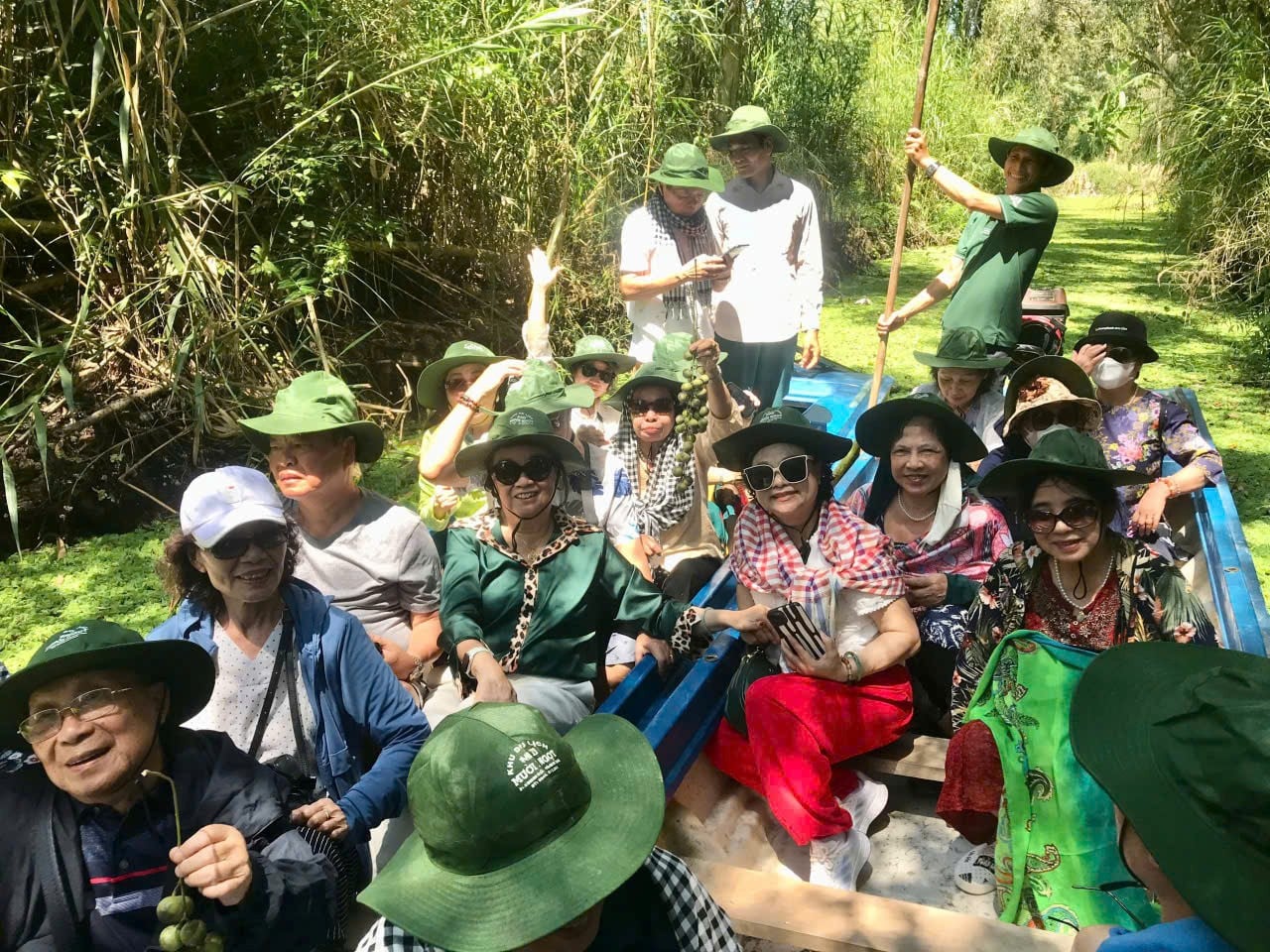
U Minh Ha National Park was established by Decision 112 of the Prime Minister on January 20, 2006, based on the upgrading of the Vo Doi Nature Reserve. On June 25, 2009, U Minh Ha National Park was recognized by UNESCO as one of the three core areas of the Mui Ca Mau World Biosphere Reserve. Recently, Ca Mau province issued a decision approving the zoning plan for the construction of an eco-tourism, resort, and entertainment area within U Minh Ha National Park, covering an area of 1318 hectares, concentrated in Da Bac and Khanh An communes, with an investment of thousands of billions of VND.
U Minh Ha National Park, covering over 8,500 hectares, is one of two national parks in Ca Mau province and one of three wetland conservation areas in the Mekong Delta. The park features a melaleuca forest ecosystem formed under flooded, waterlogged, and acidic soil conditions, on large, long-accumulated peatlands. It boasts a characteristic biodiversity of brackish water forests, serving as a habitat for many rare and valuable bird and animal species listed in the Vietnamese Red Book. Statistics show that U Minh Ha National Park is home to approximately 250 plant species, 182 bird species, 40 mammal species, 20 reptile species, and various insects. Water hyacinth thrives on the water surface, intertwining with the melaleuca roots to create a unique green carpet within the U Minh Ha melaleuca forest, a new highlight in the development of ecotourism in the area. Thanks to its favorable climate and compatible environment, the park attracts many species of organisms to live and reproduce there. Recently, wild boars – a rare species – have also reappeared in the U Minh Ha mangrove forest.
Despite its rich potential, since tourism in U Minh Ha was launched in 2006, 20 years have passed, and tourism here has mainly consisted of visiting the melaleuca forest ecosystem, experiencing the flood season from July to November (lunar calendar), fishing, and enjoying local specialties such as fish sauce and forest honey. However, the number of visitors is not large, and there are no truly impressive tourism activities.
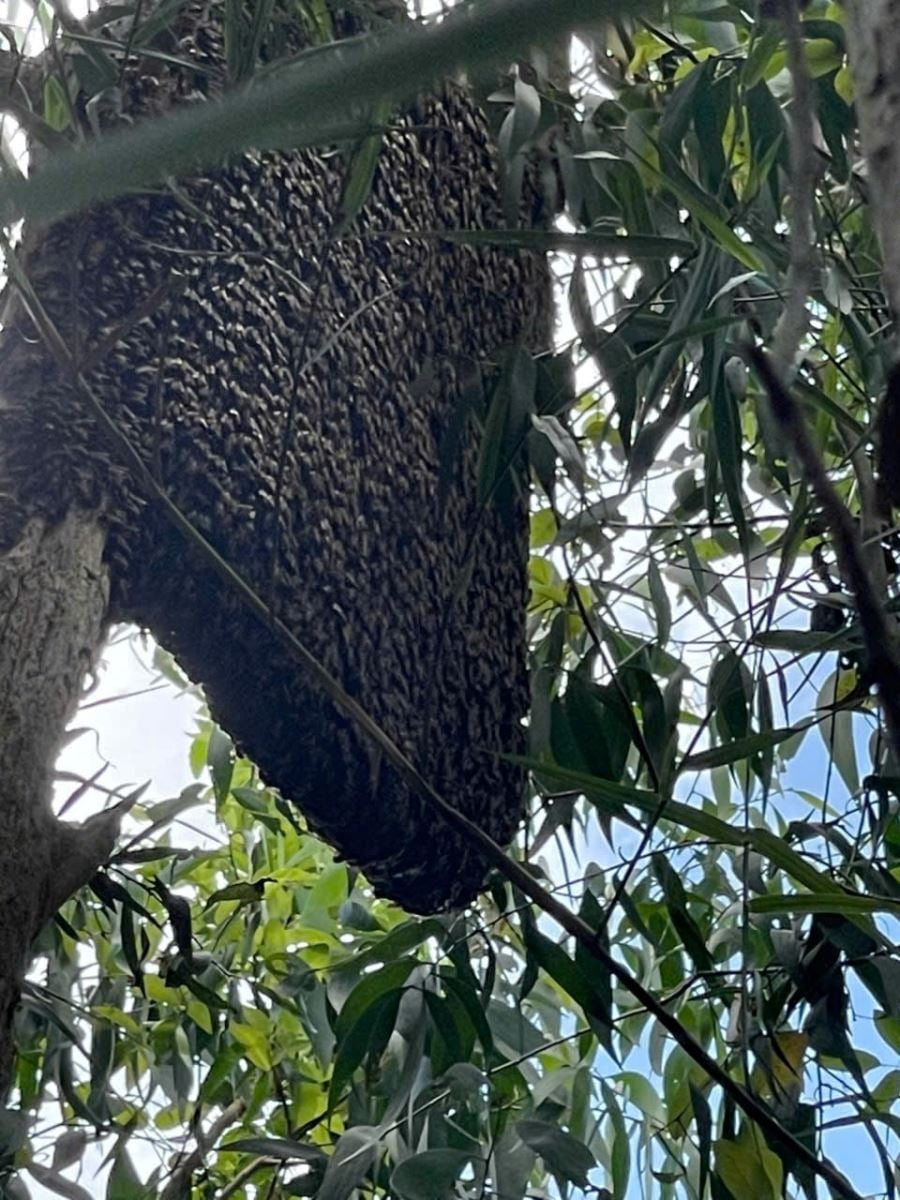
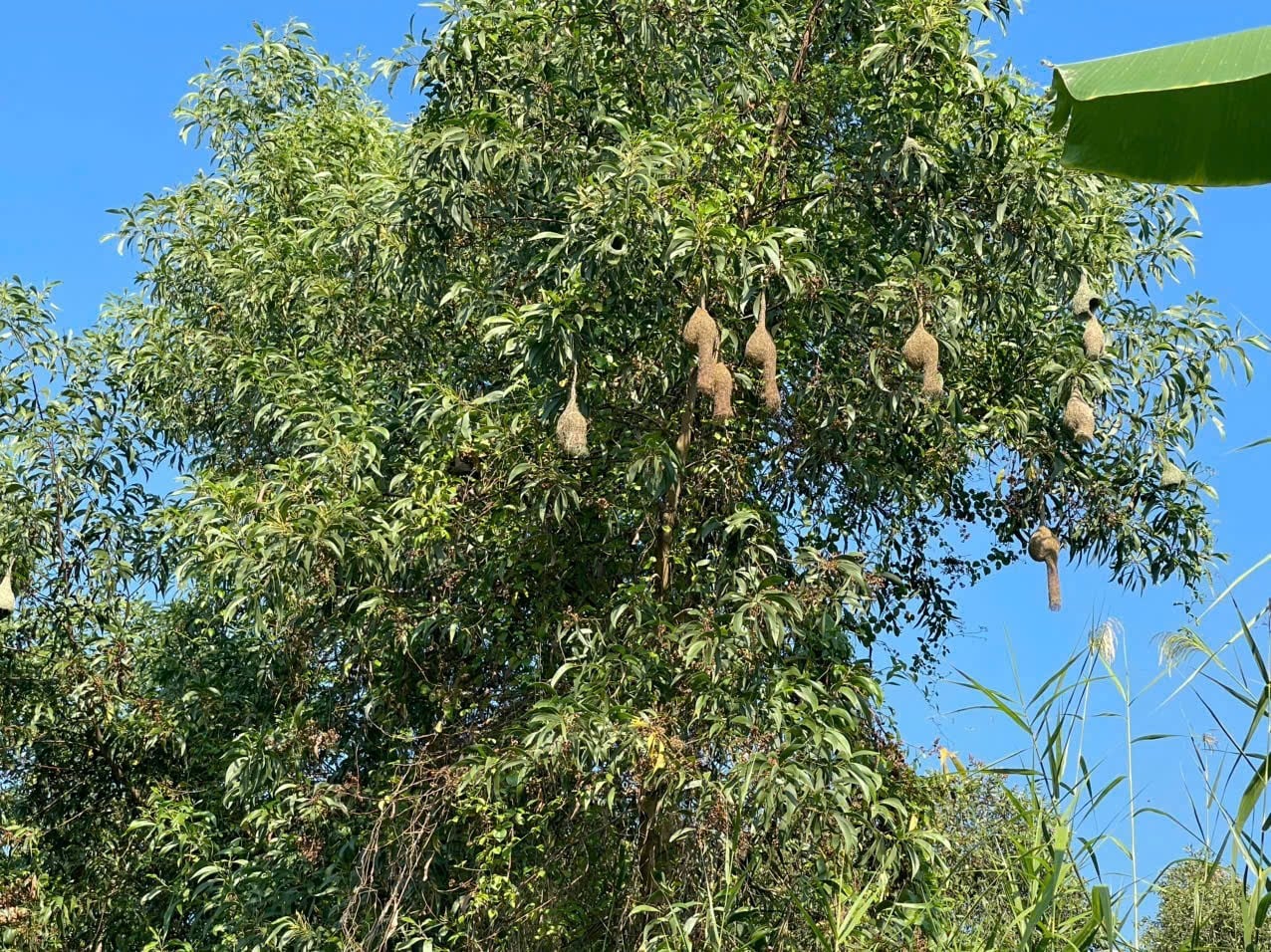
With the motto "conservation for development and tourism development to create better conditions for conservation," U Minh Ha National Park has been orienting its development towards ecotourism linked to forest conservation and preservation, based on utilizing existing natural conditions, preserving the landscape, and protecting the environment. Community-based ecotourism companies have also emerged, with households linking up with the National Park in the U Minh Ha forest area, but these are still very few in number.
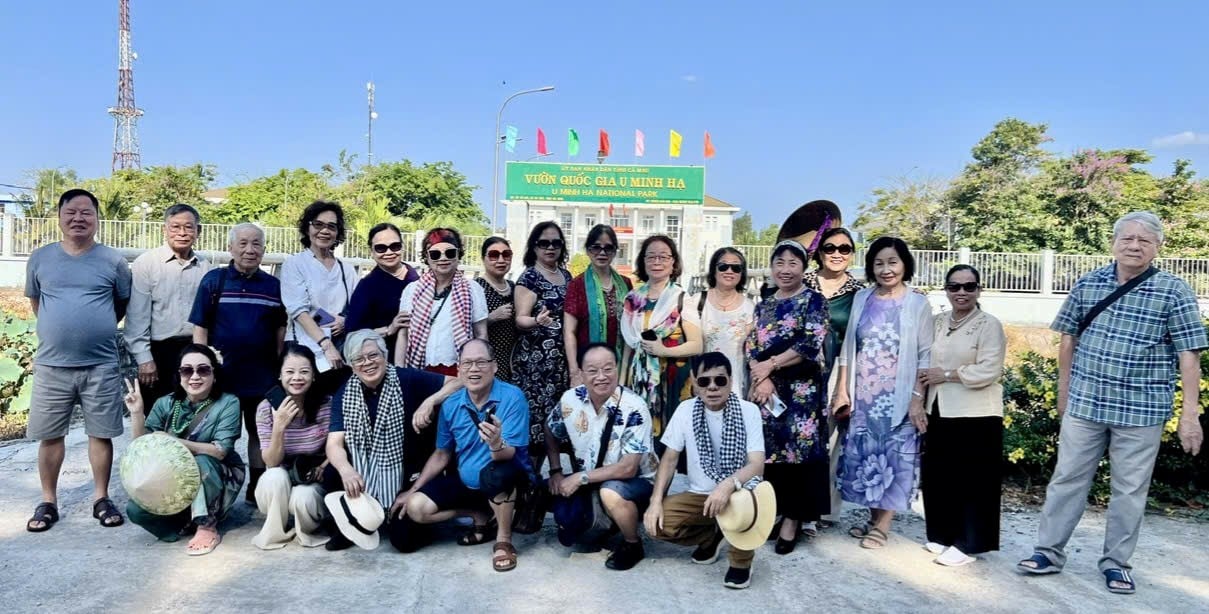
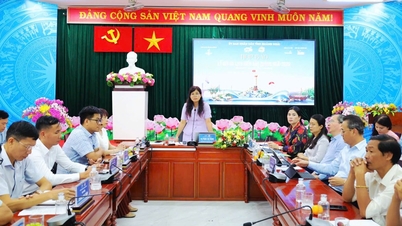
Every year, U Minh Ha National Park also organizes activities to promote the conservation of the forest ecosystem and tourism development. In early May, the "U Minh Forest Scent" event, a destination for 2026, was held, aiming to promote and introduce the potential and advantages of ecotourism, community tourism, and the unique cultural characteristics of the U Minh Ha region, the southernmost tip of Vietnam. However, these are only superficial activities. To achieve the goal of developing tourism while preserving the melaleuca forest ecosystem and biodiversity, and attracting a large number of tourists, substantial and effective investment is needed to build infrastructure for the development of community-based ecotourism with the participation of numerous households and with government support.
Source: https://baotintuc.vn/du-lich/du-lich-rung-u-minh-ha-ca-mau-van-dang-cho-duoc-thuc-tinh-20260523134552038.htm

![[Image] Close-up view of the interchange connecting the two expressways and Long Thanh Airport.](https://vphoto.vietnam.vn/thumb/1200x675/vietnam/resource/IMAGE/2026/05/25/1779703378210_ndo_br_z7863716673926-224453a31600126cce10622af6290afd-4549-jpg.webp)



![[Image] Hanoi's urban life under the challenge of a "scorching hot" environment](https://vphoto.vietnam.vn/thumb/1200x675/vietnam/resource/IMAGE/2026/05/25/1779706979265_nang-nong-t5-2026-minh-duy-7-4636-jpg.webp)












































































Comment (0)