

Rejuvenating tourism - "healing" tourism
Newly planted trees by tourists in the resort areas, canals free from pollution, beaches with only golden sand and blue sea… this is the image of Koh Tachai Island, currently one of the most environmentally friendly tourist destinations in Thailand.
However, most tourists visiting Koh Tachai today are unaware that it was once a popular tourist destination, known as a "jewel" within the Similan Islands National Park in Phang Nga Province, Thailand. However, overtourism, lack of control, and a long period of tourism development led to Koh Tachai's complete closure in May 2016 for environmental remediation. It wasn't until nine years later, in April 2025, that Koh Tachai reopened to tourists.
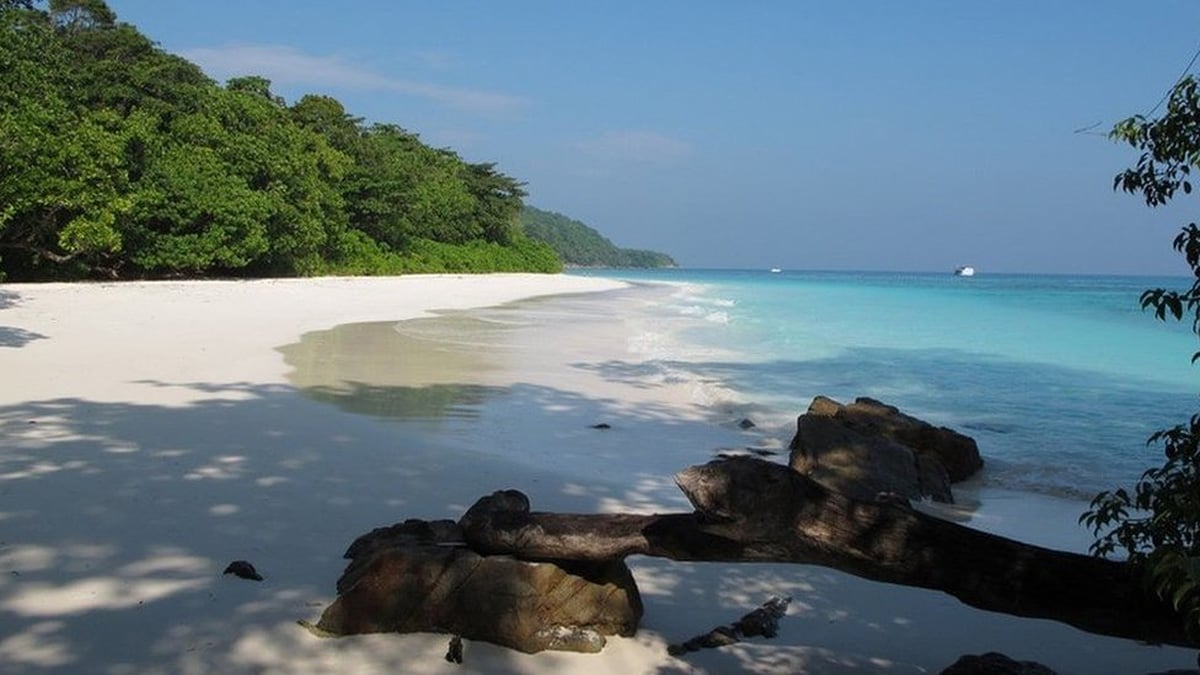
Koh Tachai Island was completely closed for nine years to address environmental damage. (Photo: Similan_KohTachai)
After years of ecosystem restoration, the Koh Tachai authorities are now focusing on ensuring sustainable tourism and preserving the island's natural beauty. Koh Tachai is now renowned for a new type of tourism: regenerative tourism.
Similar to Koh Tachai, the island paradise of Boracay in the Philippines also had to close for environmental remediation in April 2018. The decision to close Boracay Island faced mixed reactions from the public, tourism businesses, and tourists alike. However, Boracay authorities argued that closing tourism for environmental restoration was necessary.
Following the reopening of tourism, the Boracay authorities have created opportunities for visitors to join hands in conservation and development for a better Boracay with the commitment: "Let's ensure that when we travel, we are traveling in a way that makes destinations more sustainable and sustainable for the future."
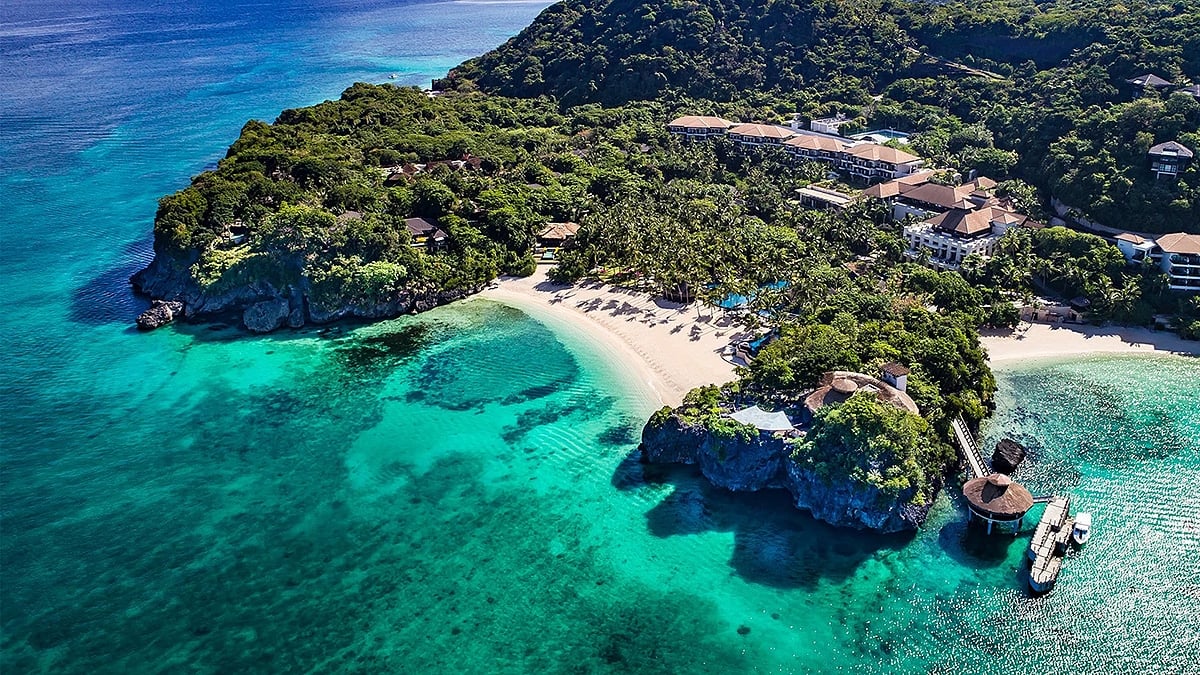
The island paradise of Boracay also had to close for environmental remediation. (Photo: Shutterstock)
Speaking about the development direction of regenerative tourism, Anna Pollock, a strategic research expert for global tourism organizations, stated: The sustainable tourism development strategy that is receiving more attention globally today is regenerative tourism, which aims not only to minimize negative impacts on the environment and communities but also to use tourism for restoration and regeneration, creating positive results for nature, communities, and the tourists themselves.
According to experts, regenerative tourism is not a tourism product but a social and environmental movement. The movement calls on hotels, travel companies, tourists, and local people to share a common goal of sustainable tourism development, not just minimizing or eliminating environmental impacts, but rather creating positive impacts and "healing" the tourism environment.
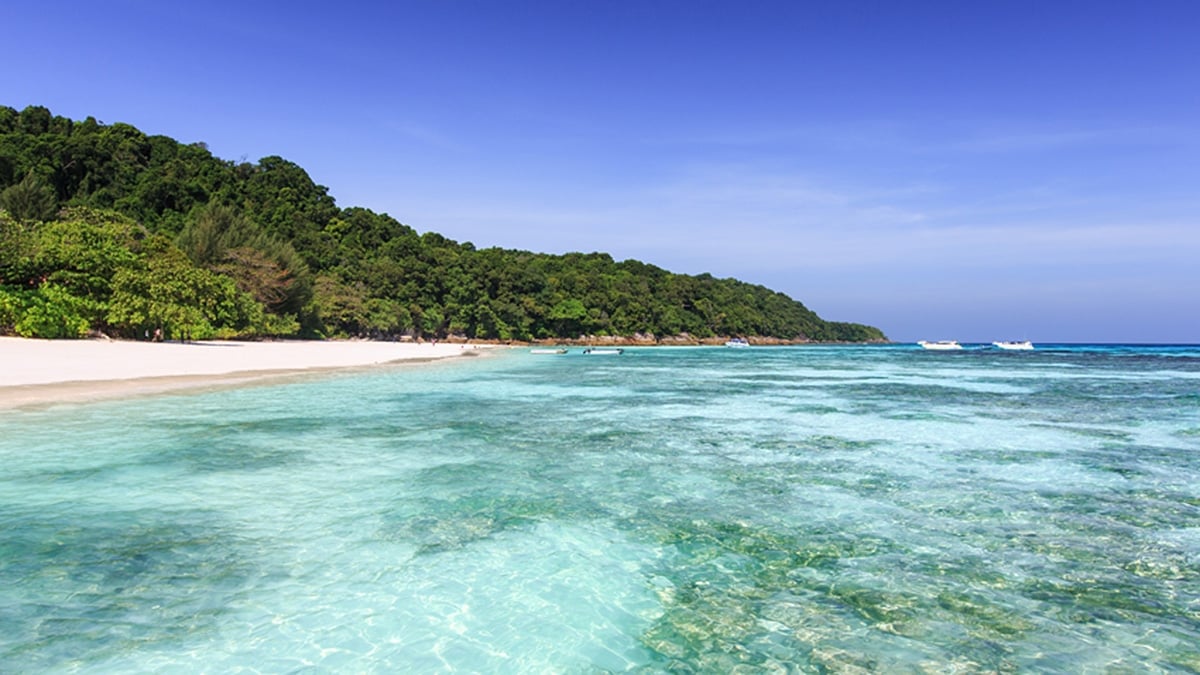
Koh Tachai is now famous for a new type of tourism: ecotourism. (Photo: Similan_KohTachai)
"Take nothing back but pictures, leave nothing behind but footprints" is a fairly common message in recent years at many destinations in Vietnam and around the world, aiming to protect the natural environment. "However, the tourism idea that is gaining more attention today is 'when tourists leave, they will leave behind a better tourist destination for the future,' becoming the new standard for tourism and sustainable development based on the premise that all participants experience restoration and healing for nature, culture, and people," shared Mr. Nguyen Anh Tuan, Director of the Institute of Tourism Economics .
Renewable tourism promotes sustainable development.
Globally, travel trends are driving the strong growth of sustainable and green tourism. Research from Booking.com shows that 76% of travelers want more environmentally friendly travel, and over 70% are willing to participate in activities that help protect and revitalize the places they visit. These travelers are seeking deep and meaningful experiences, meaningful not only to themselves but also to the environment and community, going beyond mere enjoyment and convenience. They want to know how their money is making an impact on the world around them.
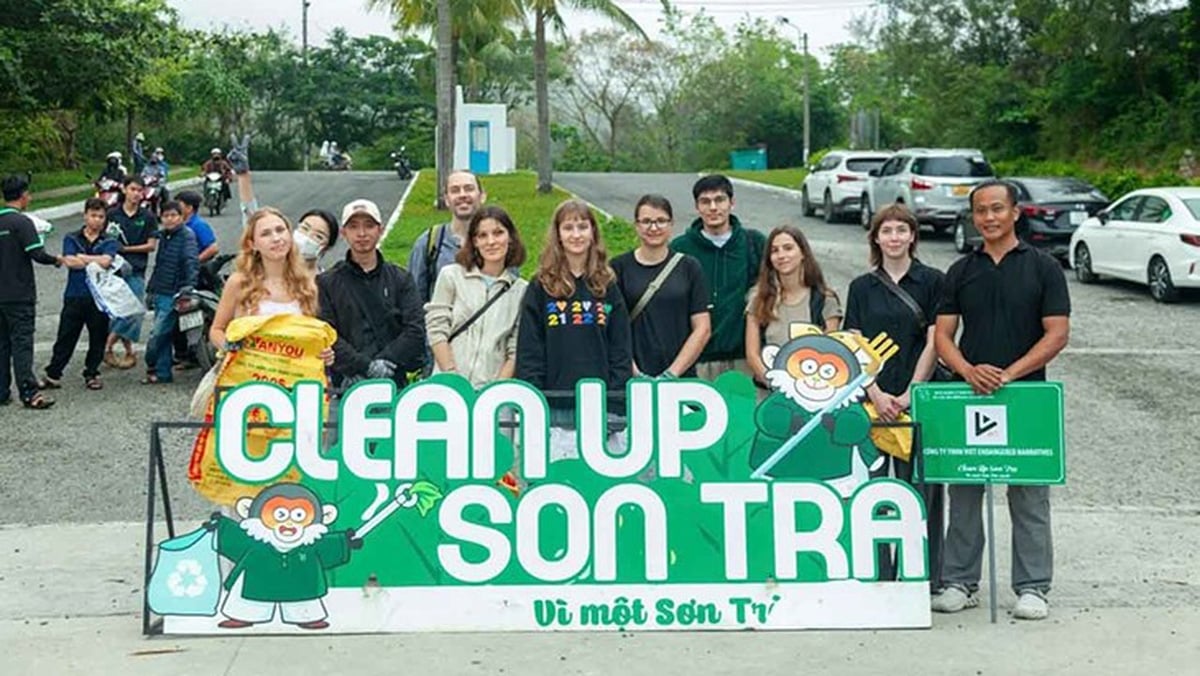
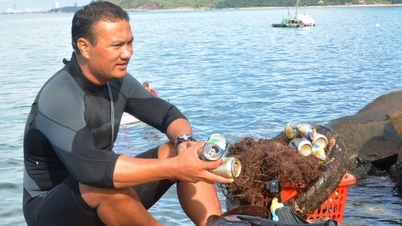
The "Clean Up Son Tra - Diving to Clean Up Trash and Rescue Coral Reefs" campaign has received widespread participation and support from locals and tourists. (Photo: Clean Up Son Tra campaign)
In Vietnam, tourism products focused on sustainable tourism have emerged in recent years and have received positive responses from travel businesses, local people, and tourists alike. Particularly recently, many campaigns for sustainable tourism have been organized by tourism companies and local authorities across provinces and cities. A prime example is the successful "One Tree Per Tourist for Da Lat" tour, which attracted many participants, especially young tourists. The "Clean and Green Phu Quoc Group" model, which encouraged tourists to volunteer to protect the tourism environment, the "Clean Up Son Tra - Diving to Clean Up Trash and Rescue Coral Reefs" model, and the "Clean the Sea" campaign in Quang Ninh... have all been strongly supported and welcomed by tourists, businesses, and the public.
Mr. Nguyen Ngoc Toan, founder of the Responsible Tourism Community (WAFORT), said: “Renewable tourism is not a tourism product or a single activity, but a common strategy in which travel businesses play the role of guides and companions for tourists. The most important thing is to let tourists themselves act responsibly.”

We should proactively make a positive impact on the tourism environment to promote even better tourism development. (Photo: Son Tra Clean Up campaign)
Dr. Nguyen Anh Tuan, Director of the Institute of Tourism Economics, argues that "rejuvenating tourism" is not only related to the natural environment, but more profoundly to the cultural environment, where cultural heritage is not only preserved but also restored, allowing lost heritage to reintegrate into community life. That is, instead of continuing to exploit famous destinations in the conventional way as before, businesses focus on designing in-depth experiences in community cultural spaces, traditional craft villages, and "living heritage." Tourists are not just passersby experiencing the culture, but become participants and contributors to "rejuvenating" and enriching the cultural products and natural environment of the places they visit.
Green tourism and sustainable tourism should not stop at minimizing or eliminating the impact on the environment, both natural and cultural. Furthermore, we should proactively make positive impacts on the tourism environment to promote better and more sustainable tourism development in the future. This is what regenerative tourism is all about, a new standard for tourism.
Source: https://bvhttdl.gov.vn/du-lich-tai-tao-giup-chua-lanh-moi-truong-du-lich-20250806094627568.htm






















![[Photo] Reception to welcome General Secretary and President To Lam and his wife on their State visit to the Philippines](https://vphoto.vietnam.vn/thumb/1200x675/vietnam/resource/IMAGE/2026/06/01/1780295488620_vna-potal-chieu-dai-chao-mung-tong-bi-thu-chu-tich-nuoc-to-lam-va-phu-nhan-tham-cap-nha-nuoc-toi-philippines-8798060-7855-jpg.webp)






































































Comment (0)