

During the rainy season, high humidity and cold air make respiratory illnesses more likely to flare up. Respiratory symptoms in the elderly and those with underlying health conditions tend to persist, potentially leading to serious health problems if not treated promptly.
Ms. Bui Ngoc Anh Thu (21 years old, residing in Ho Chi Minh City) shared: “On days when the weather changes suddenly, I often experience coughing, itchy nose and eyes, even loss of smell, shortness of breath, and difficulty breathing. This condition lasts for many days. Since I work in an air-conditioned environment, I feel very uncomfortable; although I am mentally alert, my body feels exhausted.”
Speaking about his respiratory symptoms in recent days, Mr. NVC (71 years old, residing in Binh Duong ) said that he often coughs up a lot of phlegm in the late afternoon and evening. "My sleep is not deep because as the night progresses, I have intermittent coughing fits and feel like my breathing is obstructed," Mr. C. said.

On days with unpredictable weather, many people are more susceptible to catching a cold.
Similarly, Ms. BNYN (30 years old, residing in Ho Chi Minh City) said that she also experienced chest tightness and shortness of breath for the past week. “I’ve been experiencing nasal congestion, runny nose, and difficulty breathing recently. This is hindering my daily life and affecting my mood at work,” Ms. N. said.
As can be seen, the erratic changes in weather make people with weak immune systems more susceptible to respiratory problems.
Do not take respiratory symptoms lightly.
According to Dr. Bui Pham Minh Man, a specialist at the University Medical Center of Ho Chi Minh City - Branch 3, many people often ignore symptoms such as coughing, chest tightness, and shortness of breath, thinking they are just common colds.
A persistent cough accompanied by shortness of breath can be a sign of pneumonia, a dangerous condition that requires immediate treatment. If left untreated, pneumonia can lead to respiratory failure, reducing the ability to breathe and affecting other organs in the body.
If a patient has a history of smoking or working in a polluted environment, persistent respiratory symptoms can lead to COPD. This is a condition where the lungs gradually lose their ability to function normally, causing increasingly severe shortness of breath over time.
Dr. Minh Man added that lung diseases, especially prolonged shortness of breath, can put pressure on the heart, leading to cardiovascular problems such as heart failure. This is particularly dangerous for the elderly or those with underlying heart conditions.
What should elderly people and those with underlying health conditions pay attention to?
For older adults, whose immune systems gradually weaken with age, making them more susceptible to respiratory infections, keeping warm and avoiding sudden weather changes is crucial.

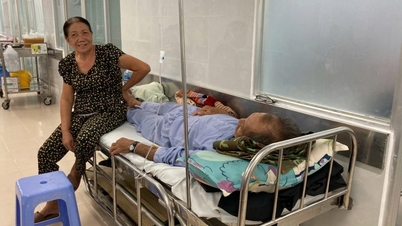
Elderly people have weak immune systems and need special care during the rainy season.
Eating a balanced diet, supplementing with vitamin C and foods rich in antioxidants to boost the immune system is what Dr. Minh Manh encourages the elderly to do.
Those with chronic respiratory conditions such as asthma or bronchitis should avoid going outside during heavy rain or when the air is damp and cold. Maintaining the habit of wearing a mask when going outside and regularly checking inhalers or aerosols as directed by a doctor are two things that people with underlying conditions should pay special attention to.
Measures to prevent respiratory diseases
According to Doctor Minh Man, to protect respiratory health in the long term, it is necessary to pay attention to and change even the smallest things in daily life, and the living environment is a particularly important factor that everyone needs to consider.
Keep your body warm when the weather changes : When the weather is cold, especially in the early morning and at night, you should dress warmly, paying particular attention to protecting your neck, chest, and nose. Cold air entering the lungs can cause airway constriction, leading to coughing and difficulty breathing.
Avoid excessive humidity indoors : When the air is too humid, mold easily grows, causing respiratory irritation. Regularly open windows for ventilation or use a dehumidifier if possible.

Accumulated dust in the house can also cause respiratory illnesses.
Keep your home clean: Regularly clean and wipe down your house to prevent dust and mold. Using an air purifier also helps keep your living space healthier.
Limit the use of stimulants : Avoid smoking or being near people who smoke, as it is a very strong trigger for respiratory problems such as asthma, pneumonia, and chronic bronchitis.
Avoid exposure to toxic chemicals: Insecticides, fungicides, and harsh cleaning products often contain chemicals that are harmful to the lungs. When using them, be sure to open windows for ventilation or wear a mask to avoid inhaling toxic fumes.
Dr. Minh Man further shared that people need to adhere to preventive measures, maintain a clean living environment, and not be complacent about symptoms such as persistent cough and shortness of breath. Proactive health care will help avoid many serious illnesses and lead to healthier lives during the rainy season.
Source: https://thanhnien.vn/bac-si-dung-chu-quan-voi-cac-trieu-chung-ho-hap-keo-dai-185241023205457099.htm






























































































Comment (0)