

This is not only a reminder of managerial responsibility, but also demonstrates the province's determination to correctly identify bottlenecks in order to remove them and create momentum for growth.
Following the provincial merger, Gia Lai gained more development space, more diverse resources, and stronger regional connectivity. However, along with these opportunities came numerous challenges as the administrative boundaries expanded, the scale of management increased, and the operational apparatus had to adapt more quickly. It was during this transitional period that many bottlenecks emerged.
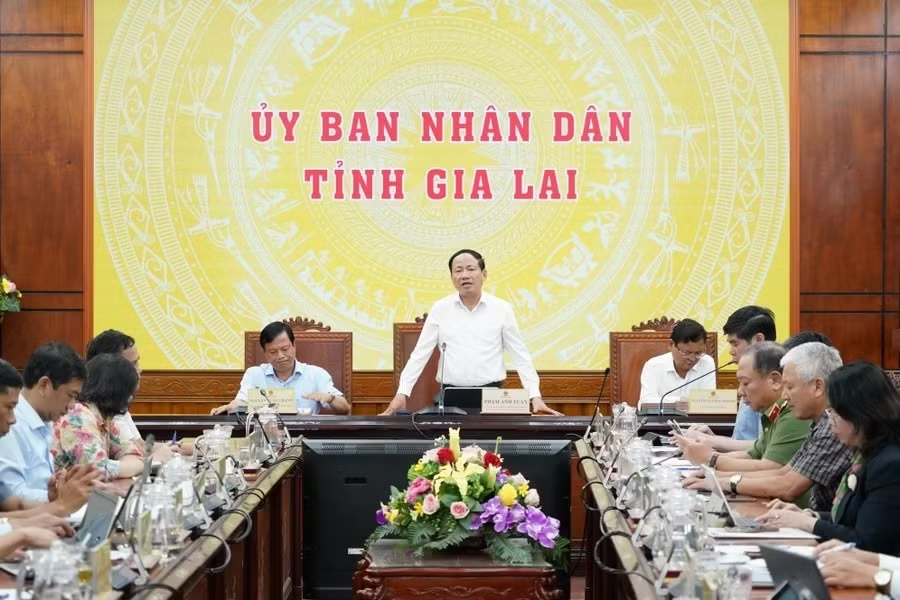
The most obvious bottleneck is the lack of smooth coordination between different levels, sectors, and localities. Some projects are behind schedule not necessarily due to a lack of funding, but rather because of lengthy paperwork processing procedures. Some administrative procedures remain cumbersome, causing businesses to waste a lot of time traveling and submitting additional documents.
In the field of public investment, land clearance continues to be a familiar bottleneck. Many transportation projects and urban development projects are delayed due to difficulties in determining land ownership, discrepancies in compensation prices, or a lack of resettlement land. If these obstacles are not resolved definitively, public investment capital will struggle to play its role in driving growth.
In agriculture – Gia Lai's strength – bottlenecks also exist. Production remains fragmented, supply chain linkages are not sustainable; and the problem of bumper harvests leading to price drops has not been fundamentally resolved.
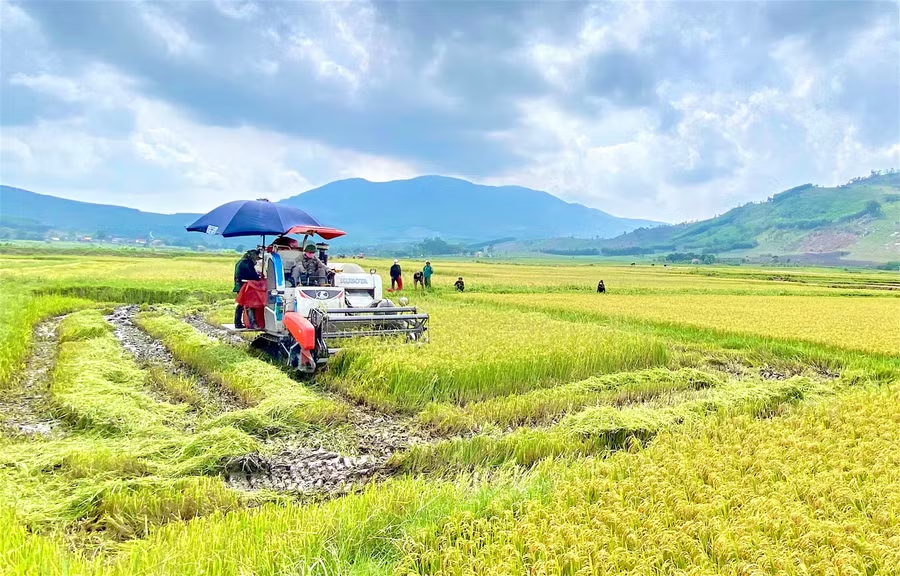
The deep processing industry has not developed proportionally to the potential of raw materials, resulting in many agricultural products still being mainly exported in raw form, with low added value.
Another bottleneck that needs to be frankly acknowledged is that the quality of the staff and the management methods in some places have not kept pace with the new development requirements.
After the merger, the workload increased, but in some localities, work was still handled in the old way, lacking initiative and decisiveness. When the system operates slowly, opportunities for development are easily missed.
The goal of achieving double-digit growth in the 2026-2030 period cannot be attained solely through determination or resolutions. The key is to remove the bottlenecks that are hindering the flow of development.
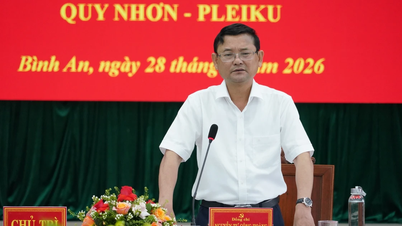
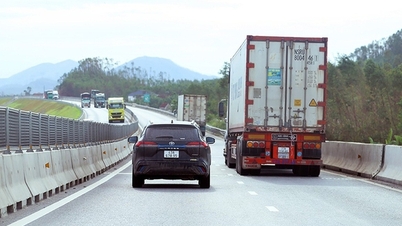
Removing bottlenecks is not just a slogan, but a reality. These days, from major projects like the Quy Nhon - Pleiku expressway and the expansion of Phu Cat airport to local issues and shortcomings, relevant levels and sectors are urgently working to resolve them.
At the same time, the province is also continuing to strongly innovate its management and administration; effectively implementing 9 resolutions of the Central Government; promoting administrative procedure reform, cutting down on intermediaries, and creating the most favorable environment for people and businesses…
It can be said that Gia Lai is facing a great opportunity to break through after the merger. And that great opportunity will soon become a reality as bottlenecks are being removed through decisive, synchronized, and effective actions starting today.
Source: https://baogialai.com.vn/gia-lai-thao-go-diem-nghen-de-tang-toc-phat-trien-post587018.html
![[Photo] Standing Committee member of the Party Central Committee Tran Cam Tu working with the Central Inspection Committee](https://vphoto.vietnam.vn/thumb/1200x675/vietnam/resource/IMAGE/2026/05/28/1779969579668_ndo_br_bnd-2495-jpg.webp)












































































Comment (0)