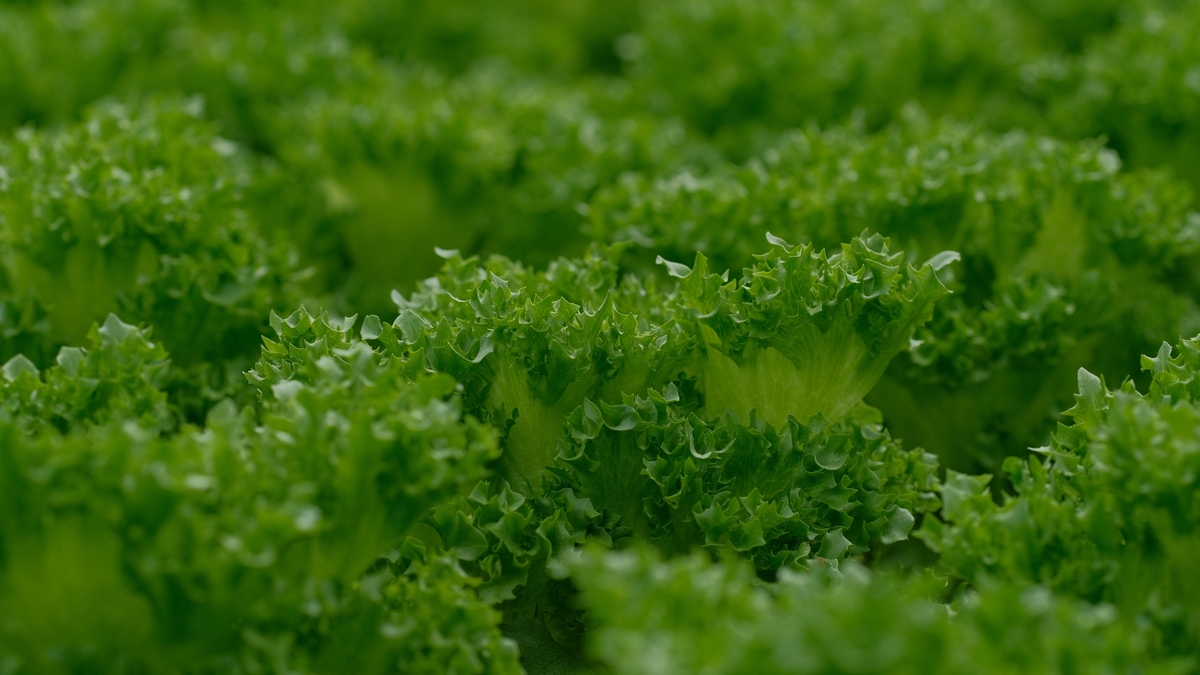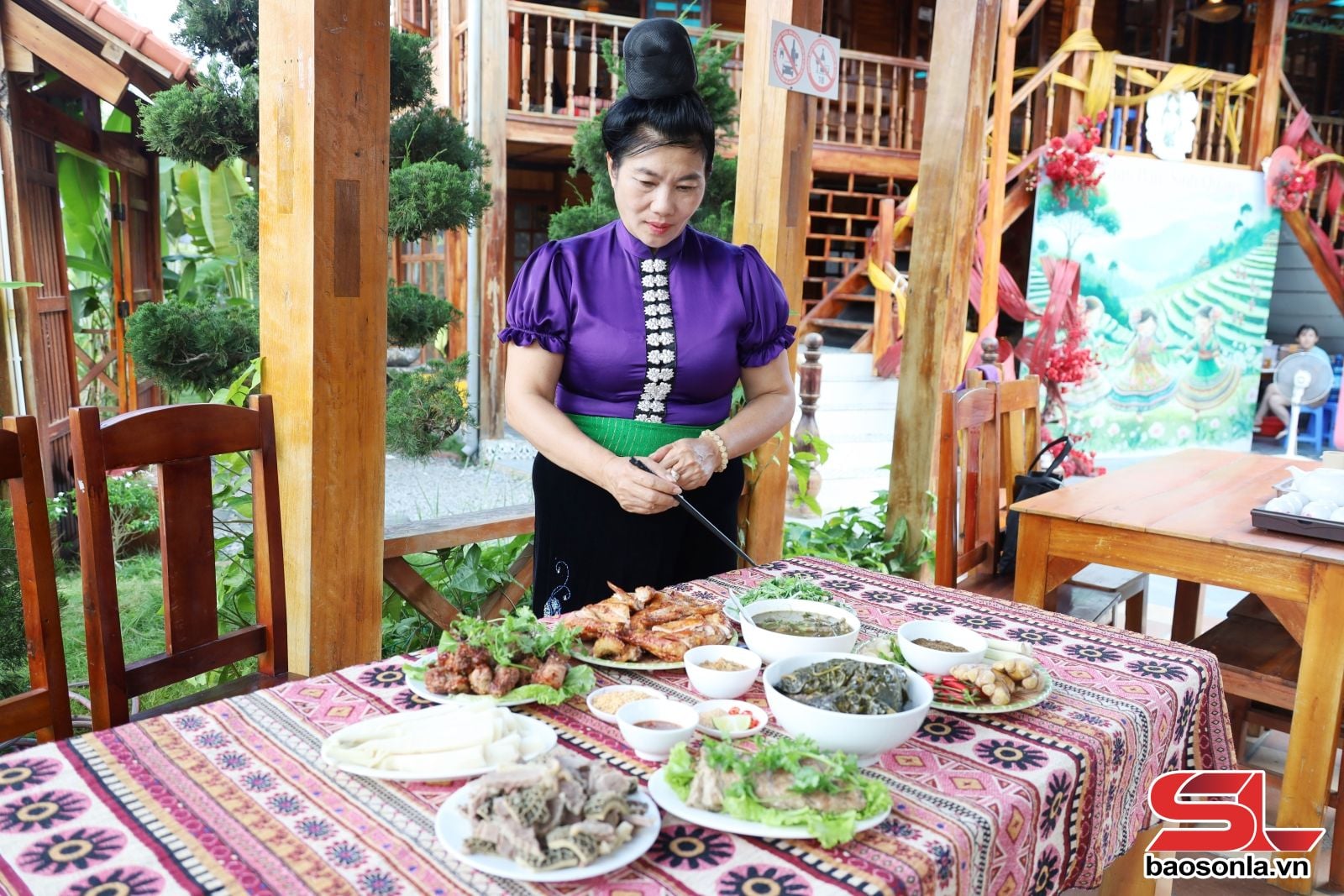
Mắc khén is known as a special spice of the Northwest mountainous region, with its pungent spiciness and distinctive aroma. Mắc khén is present in almost all dishes on the dinner table of the Thai ethnic group, such as grilled meat, grilled fish, grilled chicken, and various dipping sauces. Along with mắc khén, dổi seeds are a spice considered the "black gold of the Northwest." Dried dổi seeds have a distinctive aroma, which intensifies when roasted over charcoal. They are often used to marinate grilled or dried dishes, or to pickle bamboo shoots. The cuisine of the ethnic groups in Sơn La also skillfully uses various forest leaves, such as vón vén leaves with their refreshing sourness, mắc mật leaves with their strong aroma, various herbs… and the spicy kick of bird's eye chili peppers to enhance the flavor of dishes.

Ms. Quang Thi Cuong, owner of Nang Ban Sinh Quang restaurant in Chieng Coi ward, said: "In Thai ethnic cuisine , dipping sauces play an important role, and cham cheo is an indispensable condiment. To make a traditional bowl of cham cheo, people grind coarse salt, roasted chili peppers, roasted garlic, dổi seeds, mắc khén seeds, and various aromatic herbs, creating a rich and harmonious flavor. From this basic recipe, the people have also created many variations, such as chicken liver cham cheo, grilled fish cham cheo, and garlic leaf cham cheo, suitable for different dishes and tastes."

Impressed by the dishes with their distinctive highland flavors, Mr. Nguyen Bao Minh, a tourist from Hanoi , shared: "What I love about Son La cuisine is the uniqueness of the local spices. Each dish has its own flavor, created from natural ingredients and traditional cooking methods of the ethnic minorities."
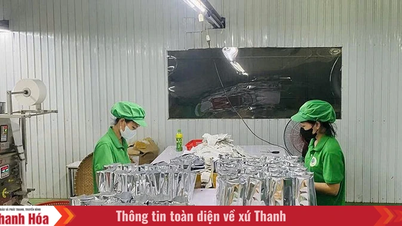
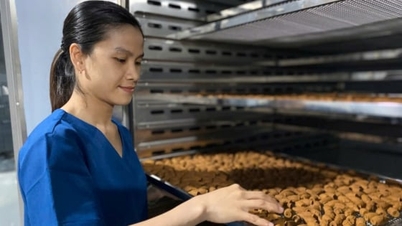
Not only do traditional spices contribute to the culinary identity, but many of them have also been developed by ethnic minority communities in Son La into valuable commercial products. Traditional processing and fermentation methods have resulted in distinctive products such as Thúa ố (a type of fermented fish paste), Mẳm cá (a type of fermented fish sauce), and Chẳm chéo (a type of chili sauce) in jars. Responding to market demand, many households, cooperatives, and production facilities have invested in packaging and labeling, developing OCOP (One Commune One Product) products, contributing to enhancing the value of local agricultural products and promoting Son La's culinary culture to tourists.
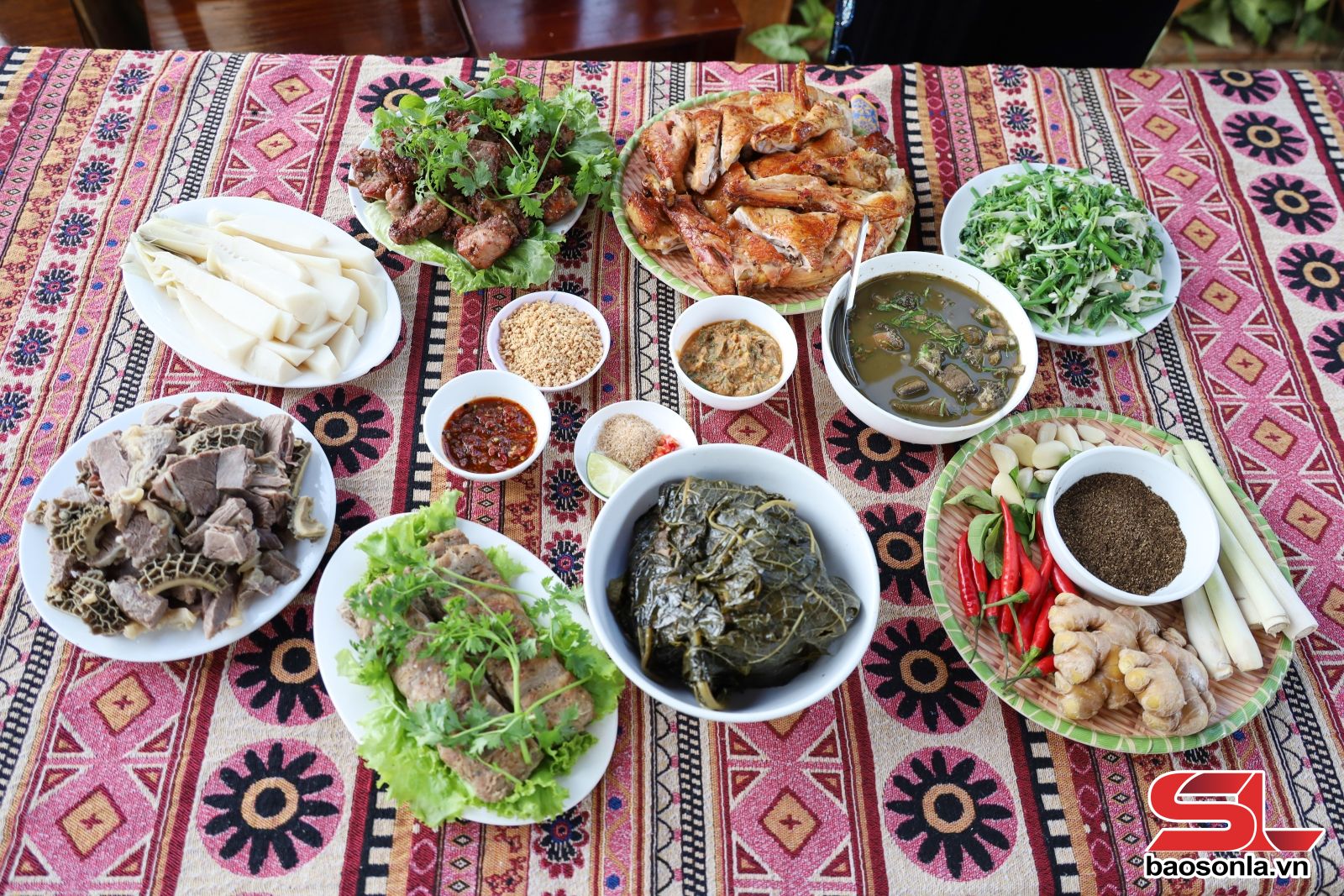
Drawing from the abundant resources of the Northwest mountains and forests, and combining them with creativity and experience passed down through generations, the ethnic groups in Son La have created a unique culinary identity for their highland cuisine. These simple yet rich flavors not only enrich the cultural life of the region but also serve as a bridge to promote the image, people, and cultural identity of Son La to friends and tourists near and far.
Source: https://baosonla.vn/xa-hoi/gia-vi-trong-am-thuc-son-la-qZrzGwavR.html
![[Photo] General Secretary and President To Lam receives Palestinian Ambassador Saadi Salama](https://vphoto.vietnam.vn/thumb/1200x675/vietnam/resource/IMAGE/2026/06/25/1782365384740_a1-bnd-9423-8322-jpg.webp)
![[Image] Ho Chi Minh City: Ma Lang area, Chicken-Rice Market about to change its appearance](https://vphoto.vietnam.vn/thumb/1200x675/vietnam/resource/IMAGE/2026/06/25/1782377698627_ndo_br_m1-jpg.webp)

![[Image] Schools organize meetings and introduce teaching models to students admitted to grade 10.](https://vphoto.vietnam.vn/thumb/1200x675/vietnam/resource/IMAGE/2026/06/25/1782368077271_ndo_br_z7970052192242-1ec8daeb77a6eed1a4e9f58c564ddd3e-jpg.webp)