

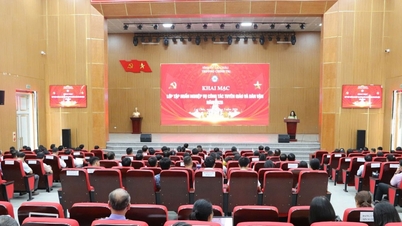
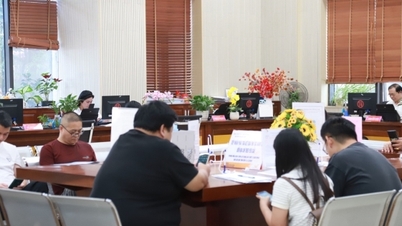
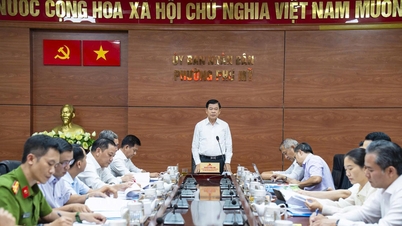
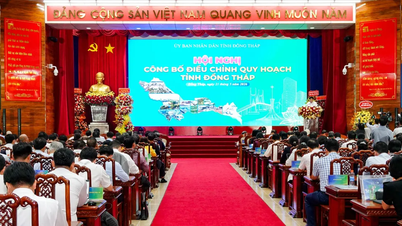
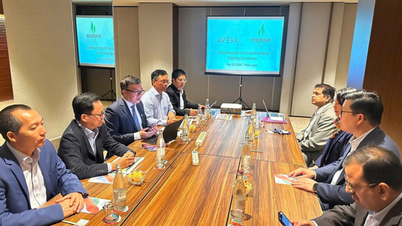
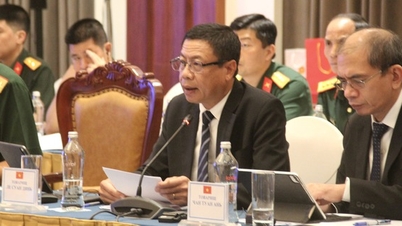
At a recent meeting on propaganda and mass mobilization work at the beginning of 2026, organized by the Propaganda and Mass Mobilization Department of the Ho Chi Minh City Party Committee, representatives from many localities stated that, on average, grassroots propaganda and mass mobilization receive about 1.5 documents per day. While this number may not seem large individually, the sheer volume of tasks creates constant pressure on local levels. This is compounded by the numerous meetings. Although there has been a significant shift to online meetings, reducing travel, the time spent on meetings still occupies a considerable portion of the working time of grassroots officials. The combination of meetings and work, and handling tasks simultaneously, hinders the achievement of maximum efficiency. Without timely adjustments, the risk of overload will negatively impact the quality of task execution.
To improve the situation, we must first address the issue of document issuance. Then, we need to review and categorize documents, only issuing those that are truly necessary, and consolidating content that can be integrated to avoid having multiple documents for the same task. Along with this, we should increase the use of comprehensive newsletters and general guidelines on specific topics, instead of issuing documents sporadically. Documents must be concise, clear about the task and responsibilities, and avoid repetition or reinterpretation of existing content. Next, we need to tighten meeting discipline. Meetings should not be held if information can be communicated in writing; meetings should not be prolonged when the content is already clear. During meetings, thorough preparation of the content is necessary, reducing the time spent listening to reports and increasing the time for discussion.
In the long term, it is necessary to promote the application of technology and build a unified work management platform from the city level to the grassroots level. When data is interconnected and updated in real time, many periodic reports can be automated, significantly reducing the reporting and meeting workload for the grassroots level.
The new system can only function smoothly when those implementing it are not overwhelmed with tasks that could be streamlined. Reducing the workload at the grassroots level is also a way to increase the effectiveness and efficiency of work in the places that directly put policies into practice.
Source: https://www.sggp.org.vn/giam-tai-cho-co-so-post845358.html




![[Photo] National Assembly Chairman Tran Thanh Man working with the Standing Committee of the Law and Justice Committee](https://vphoto.vietnam.vn/thumb/1200x675/vietnam/resource/IMAGE/2026/05/21/1779378929214_ndo_br_1-4610-jpg.webp)
![[Photo] General Secretary and President To Lam presides over a working session with the Central Policy and Strategy Committee on the development of the materials industry.](https://vphoto.vietnam.vn/thumb/1200x675/vietnam/resource/IMAGE/2026/05/21/1779359935432_a3-bnd-3129-1412-jpg.webp)







































































Comment (0)