

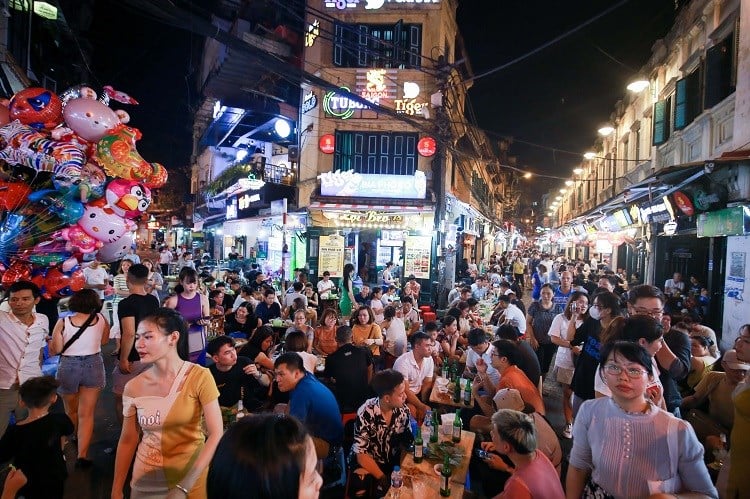
Hanoi is currently seeking feedback on a draft resolution regarding investment and business activities related to nighttime products and services.
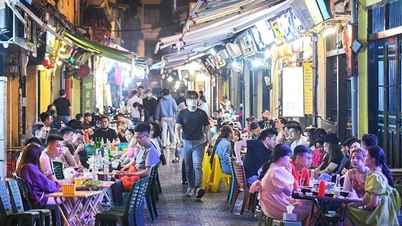
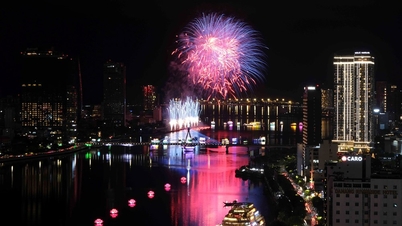
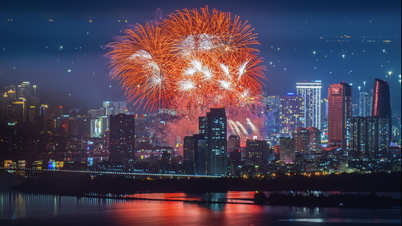
According to the draft, the night economy is the sum total of production, supply, business, and consumption activities of cultural, tourism, commercial, culinary, entertainment, sports, cultural industry, creative industry products and services, and supporting services, mainly organized from 6 PM the previous day to 6 AM the following day.
Operating hours are flexible and tailored to each area, type of service, and management capacity.
The period from 6 PM to midnight is the main operating time, serving the needs of locals and tourists. Tourism, cultural, culinary , shopping, entertainment, art performances, and supporting services are encouraged to be organized in areas that meet the conditions regarding infrastructure, environment, security, and order.
The timeframe from 6 PM to 2 AM will be considered for application to commercial and cultural development zones, pedestrian streets, tourist areas, areas planned for night-time economic development, and other models that meet the operating conditions.
The 6 PM to 6 AM timeframe will be considered for limited application in certain areas, streets, or separate service complexes, meeting strict standards regarding infrastructure, security, order, and urban management. The goal is to extend the length of stay and increase spending by tourists, especially international visitors.
The draft proposes the development of six night-time economic models, including historical and heritage centers; culture, arts, and creativity; commerce, services, and new urban areas; urban landscapes and ecological corridors; historical sites, festivals, and traditional craft villages; and the Red River landscape axis.
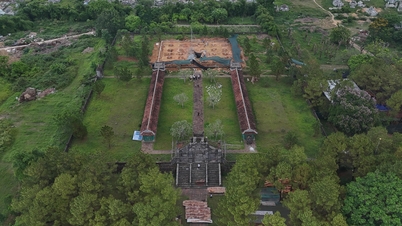
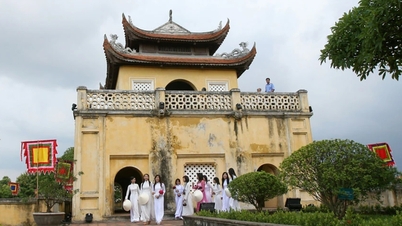
In the historical and heritage center, Hanoi aims to leverage cultural values through heritage tourism, performing arts, historical space experiences, and traditional cuisine, while ensuring the preservation of heritage, the environment, urban order, and the lives of residents. The scope of implementation includes Hoan Kiem Lake, the Old Quarter, Thang Long Imperial Citadel, Temple of Literature - National University, the Four Guardian Temples of Thang Long, and surrounding areas.
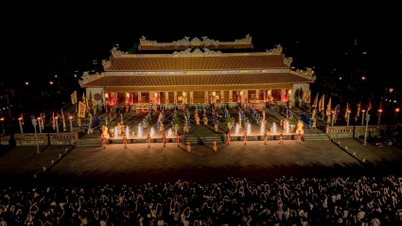
The cultural, artistic, and creative space will focus on art performances, light shows, festivals, and cultural events to attract artists, creators, cultural businesses, and the public. Pedestrian streets, parks, the West Lake area, and its surroundings are the locations targeted for development.
In commercial centers, service areas, and new urban areas, the city encourages the formation of shopping, entertainment, sports, and healthcare complexes, while gradually extending operating hours in areas that meet the criteria to reduce pressure on the urban core.
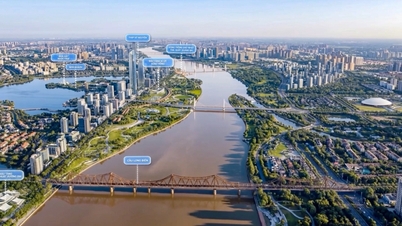
Along the urban landscape routes and ecological corridors, Hanoi plans to develop eco-tourism products on both banks of the Red River, West Lake, the system of large lakes, parks, and Long Bien Bridge.
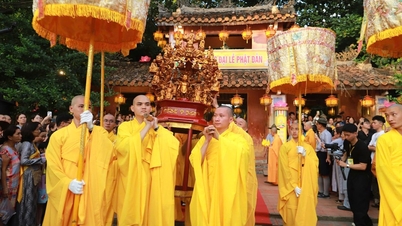
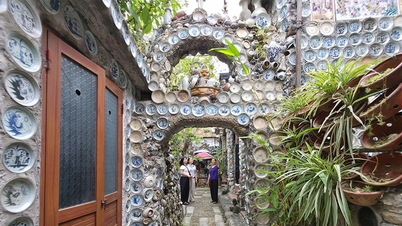
At clusters of historical sites, festivals, and craft villages, the city aims to create nighttime cultural spaces associated with Tay Ho Palace, Huong Pagoda, Co Loa historical site, Soc Temple, and Thuy Pagoda; while also exploiting the cultural identity of the Muong and Dao ethnic groups and developing community tourism, resorts, and handicraft experiences in suburban areas.
The Red River landscape axis is envisioned to become a nighttime cultural and creative hub, connecting high-quality cultural, artistic, commercial, and service activities, aiming to become an iconic destination of Hanoi when night falls.
To operate, night-time economic zones, routes, and destinations must meet numerous standards, including clearly defined management boundaries; traffic management plans, parking facilities, or public transport connections; appropriate lighting systems; public restrooms; waste collection and environmental cleanup plans; security, medical, rescue, and fire-fighting personnel; tourist support points; and mechanisms for receiving public feedback.
The city also requires night-time economic models to ensure a balance of interests with the local community, prioritizing job creation for local workers, developing cultural products, cuisine, and traditional crafts, while maintaining the quality of life for residents in the area.
The Resolution is expected to be submitted to the Hanoi City People's Council for consideration and approval at its 3rd session, 17th term, 2026-2031, which will take place on June 2nd.
Source: https://baovanhoa.vn/kinh-te/ha-noi-de-xuat-phat-trien-6-mo-hinh-kinh-te-dem-232866.html

![[Image] Nearly 125,000 Hanoi students completed the Literature exam for the 10th grade entrance exam.](https://vphoto.vietnam.vn/thumb/1200x675/vietnam/resource/IMAGE/2026/05/30/1780117233041_ndo_br_thiet-ke-chua-co-ten-2-png.webp)

















































































Comment (0)