

According to Tran Dinh Canh, Director of the Hanoi Department of Internal Affairs, the plan to reorganize commune-level administrative units aims to build a government that is close to the people, serves the people, and meets the development requirements of the capital city in the new era.

Addressing the issue of multiple wards managing a single urban area.
According to the plan for reorganizing commune-level administrative units in Hanoi, out of 126 new grassroots administrative units, there are 47 wards and 79 communes.
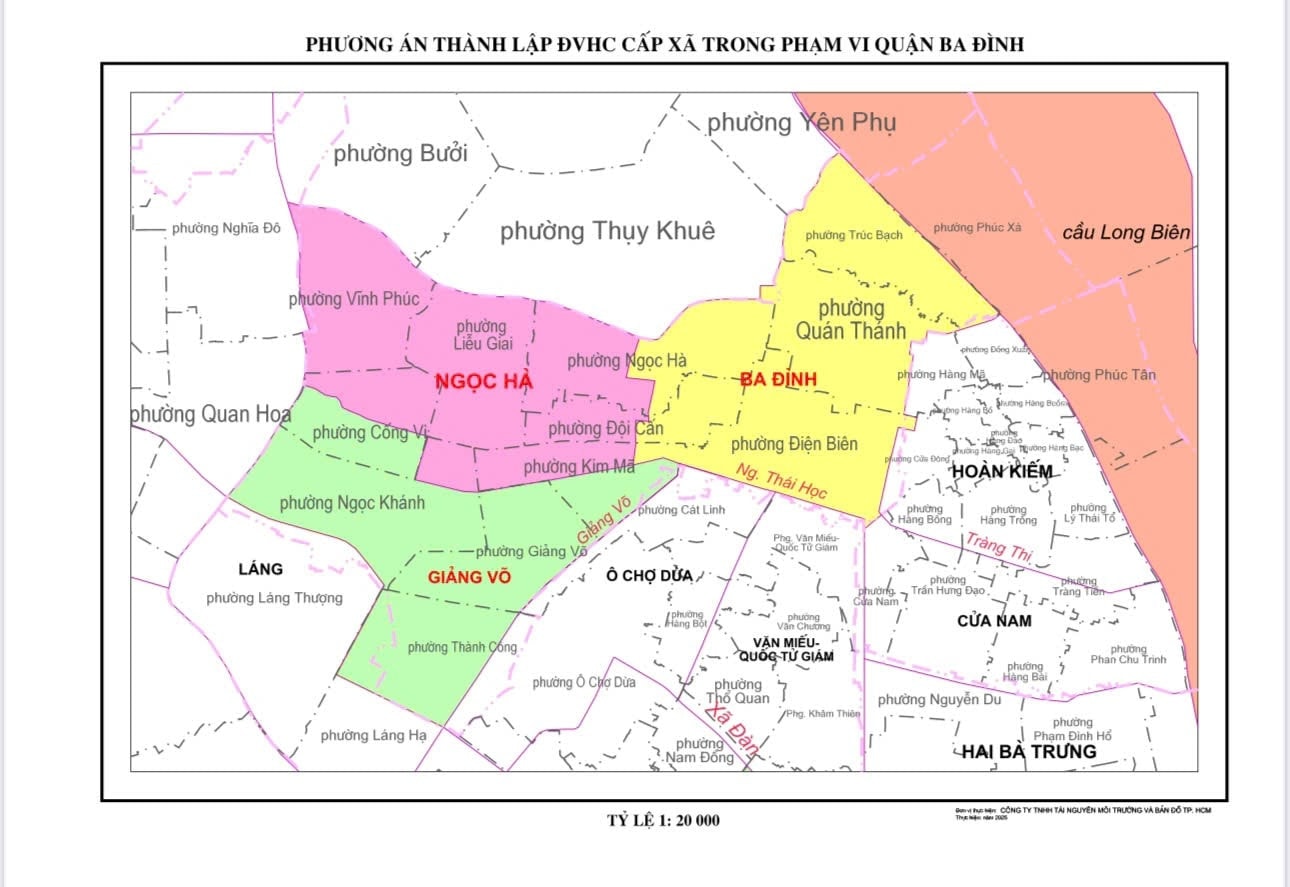
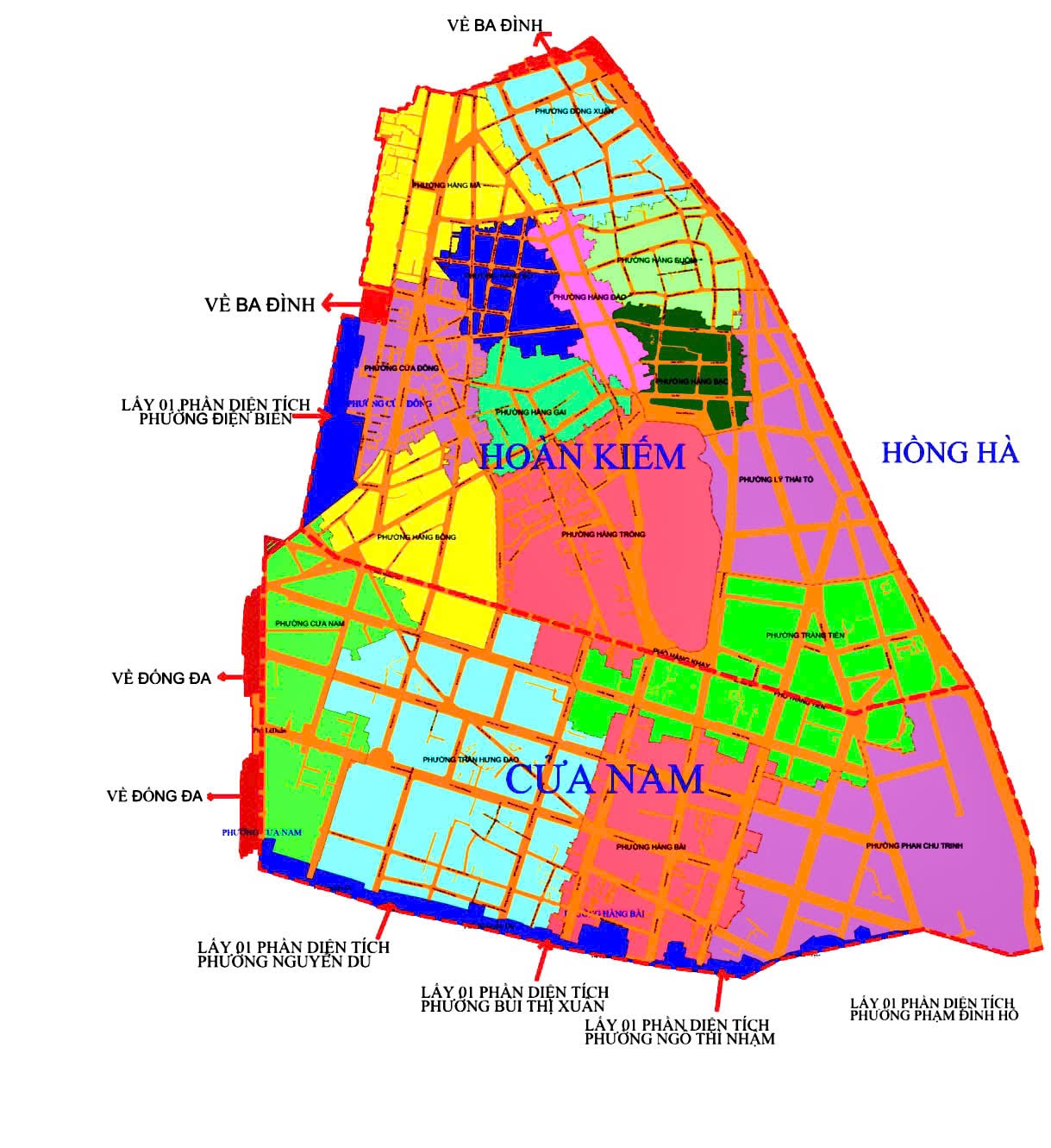
According to the Director of the Department of Internal Affairs, Tran Dinh Canh, due to historical factors, many wards, residential areas, and neighborhoods in Hanoi's inner city currently have overlapping areas. For example, one urban area is managed by 3-4 wards. A single ward or residential area is interspersed between many roads and divided by rivers, making it inconvenient for residents, officials, and civil servants to perform their duties.
Due to these shortcomings, during the consultation process, the Department of Internal Affairs proposed a plan to establish administrative boundaries based on roads and rivers to create ward-level administrative units. This approach, once new administrative boundaries are established, will facilitate people's activities in education, transactions, and work, as well as improve state management.
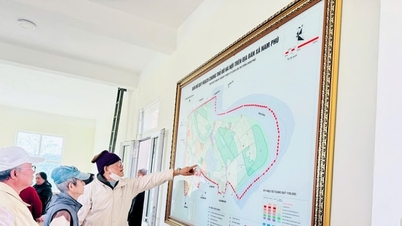
For the commune level, the Department of Interior Affairs proposes maintaining the existing administrative boundaries. The reason is that administrative boundaries must also be consistent with the culture of the village, commune, clan, and the cultivated fields of the people.
According to Tran Dinh Canh, Director of the Department of Internal Affairs, on April 25th, the districts, counties, and towns of Hanoi completed the process of gathering public opinion on the proposed reorganization plan and the names of the new communes and wards, with a very high rate of consensus. The lowest consensus rate was 92%, while 38 communes achieved 100%. This shows that the people are very supportive of the city's proposed administrative reorganization plan.
According to Mr. Tran Dinh Canh, nearly 100% of the people support the city's plan. To achieve this result, the Department of Internal Affairs closely coordinated with the districts and counties to propose new administrative unit names that are linked to the traditions, history, and geographical locations of each commune and ward, thus receiving strong support and agreement from the people.
The Department of Internal Affairs receives feedback and suggestions from the people and proposes adjustments to the Hanoi City People's Committee leadership to ensure suitability. For example, the name of a commune in Ba Vi district was initially planned to be Quang Oai. After receiving feedback from the people and the local government, the city and the district agreed to name it Bat Bat commune – the former name of Ba Vi district.
"This shows that, during the process of gathering public opinion, if we receive appropriate feedback, we are ready to make adjustments," Mr. Canh affirmed.
Assigning commune and ward-level officials in accordance with the workload is appropriate.
One of the issues currently attracting public attention is how the city plans to arrange the headquarters of districts, counties, and communes/wards to avoid waste.
Regarding this issue, Director of the Department of Internal Affairs Tran Dinh Canh said that, according to the city's policy, district and county headquarters can be used as workplaces for the newly established communes and wards, but this must be consistent with the organizational structure and staffing levels. If the headquarters is too large, it will be repurposed to accommodate a unit of equivalent size.
The city also plans to locate its administrative offices in the center of each commune or ward to facilitate convenient transactions for residents. If the existing offices are too small, the government will have its own separate offices, as will the Party and other mass organizations.
After completing the administrative unit reorganization, the city will replan the administrative units at the commune and ward levels to suit the specific characteristics of each locality.
The city has also established a task force to calculate the use of surplus office buildings for schools and community centers. Currently, city departments and agencies are developing plans related to the rearrangement of state agency headquarters. Specifically, the Department of Finance is developing a plan for headquarters rearrangement; the Department of Construction is developing a plan for reorganizing administrative units; and the Department of Health is developing a plan for organizing health stations in a rational manner… ensuring that the headquarters are used efficiently and avoiding waste after the reorganization of administrative units.
Regarding the structure of commune and ward-level government in Hanoi after the abolition of the district level, it is projected that the commune People's Committee will have four departments: the People's Council and People's Committee Office, the Urban Economic and Infrastructure Department, the Culture and Social Affairs Department, and the Public Administrative Service Center. Due to the large workload and the complexity of the work, the departmental organizational model in Hanoi may differ from administrative units with less workload pressure. However, this is only a projected model; the specific structure will have to wait for the amendment of the Law on Organization of Local Government and the Government Decree providing detailed guidance on its implementation.
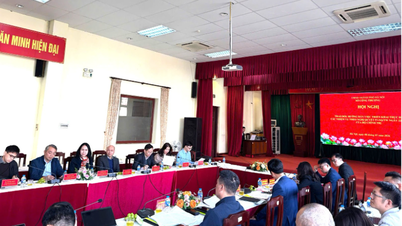
Director of the Department of Internal Affairs Tran Dinh Canh
Mr. Tran Dinh Canh also stated that the plan for arranging commune and ward officials will not involve an even distribution of personnel. Larger administrative units with a heavy workload will certainly be allocated more officials and civil servants compared to units with fewer tasks.
During the restructuring and streamlining process, there will inevitably be an impact on the mindset and psychology of some officials and civil servants. The Department of Internal Affairs is currently receiving and processing applications for resignation in accordance with regulations. In the coming period, Hanoi will continue to issue guidelines on criteria for reviewing, evaluating, and classifying officials and civil servants for downsizing. This process will take five years, so it's impossible to know how many officials and civil servants need to be downsized overnight.
Source: https://hanoimoi.vn/ha-noi-sap-xep-can-bo-cap-xa-se-khong-bo-tri-kieu-dan-deu-700655.html



























































































Comment (0)