

Intense pressure from climate change
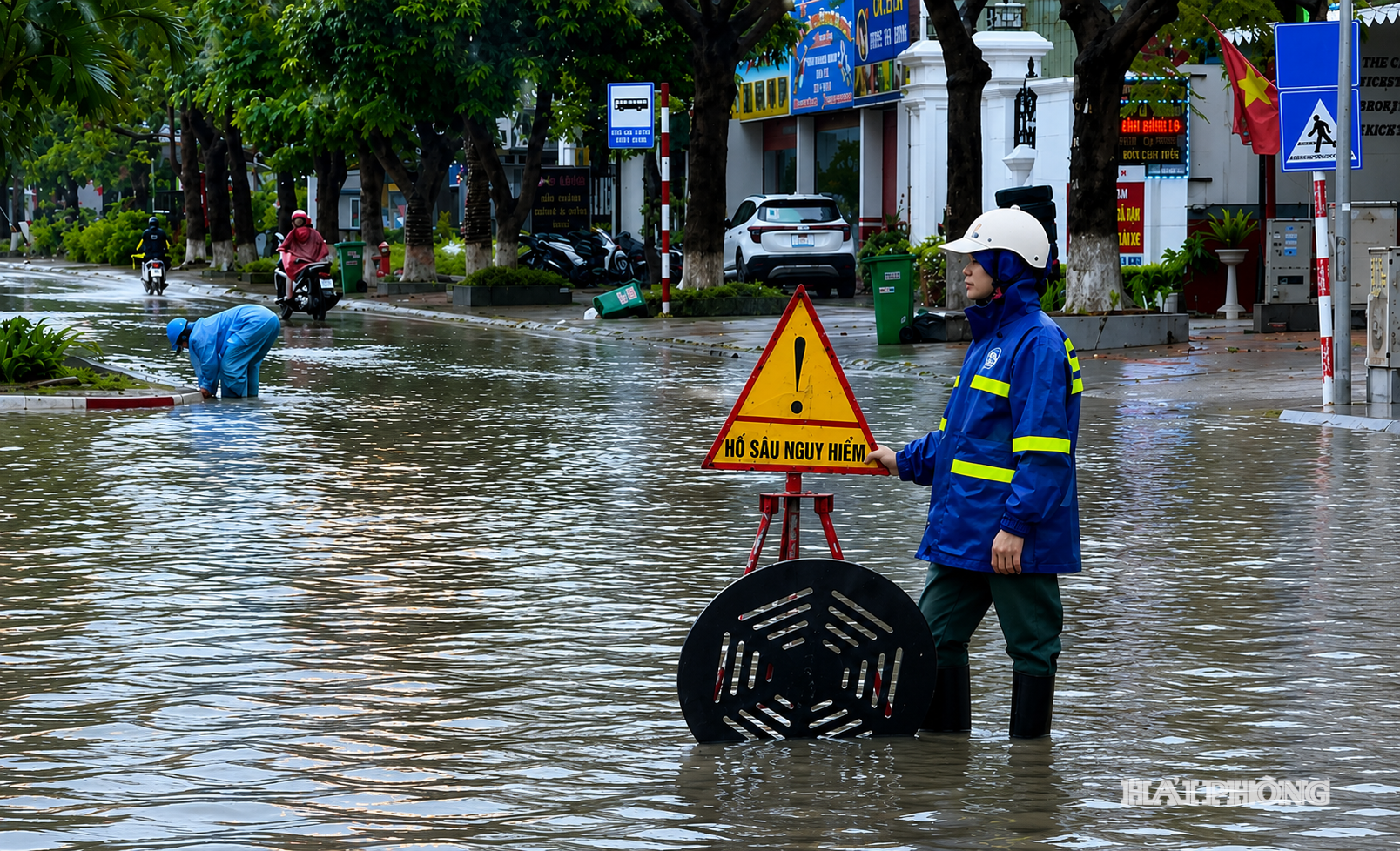
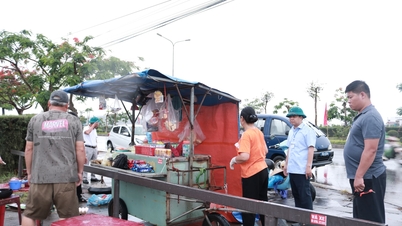
On May 17th, heavy and prolonged rainfall caused flooding in many inner-city streets of Hai Phong. On streets such as To Hieu, Chua Hang, Lach Tray, and Nguyen Binh Khiem, water levels rose to 20-40 cm in some areas, making traffic difficult. Notably, the heavy rain coincided with high tides on the Tam Bac River, putting significant pressure on the city's drainage system.
The first rains of the season did not cause major damage, but they further highlight the increasing pressure on the city's urban drainage infrastructure amidst extreme weather events, heavy rainfall, and tidal surges occurring with greater frequency. This also highlights the need for the city to proactively implement solutions to ensure safe drainage before the 2026 rainy season.
Hai Phong city currently receives an average annual rainfall of 1,650 mm - 1,800 mm, with approximately 80% - 85% concentrated between May and October. In recent years, extreme weather events with heavy rains have occurred more frequently. While previously rainfall exceeding 100 mm only occurred about once every two years, now it happens almost every year, and at times, rainfall has even exceeded 250 mm in a short period.
As a coastal city with a dense network of rivers and canals, low-lying terrain, and direct influence from tides, Hai Phong city always faces the risk of flooding when heavy and prolonged rainfall occurs combined with rising river levels.
Meanwhile, many urban areas still use a combined drainage system for both rainwater and domestic wastewater. Rapid urbanization has led to the shrinking or filling in of many ponds, lakes, and canals, reducing their natural water regulation capacity. In many places, the drainage system has not kept pace with the speed of urban infrastructure development, so localized flooding tends to increase.
Mr. Bui Van Thang, Deputy General Director of Hai Phong Drainage Company Limited, said that the biggest pressure currently lies not only in the increased rainfall but also in the unpredictable weather changes. There are times when heavy rain coincides with high tides, making the drainage system much more difficult to operate than before.
Respond to flooding early and proactively.

Prior to this year's rainy season, the city directed relevant units to strengthen maintenance and dredging of the drainage system, clearing sewers and canals in many key areas. Streets frequently affected by flooding, such as To Hieu, Lach Tray, Cau Dat, Da Nang , Ngo Gia Tu, Quang Trung, and Le Thanh Nghi, have been regularly maintained to improve drainage capacity during heavy rains.
Alongside maintenance work, the city is accelerating the progress of many drainage infrastructure improvement projects.
In the Trung Luc road and Cat Bi lake area, the drainage system renovation project is implementing items such as: installing large-diameter sewer lines, constructing 76 manholes, a pumping station with a capacity of 9 m³/second, and dredging Cat Bi lake, which covers approximately 5.6 hectares. When completed, the project will contribute to reducing flooding and improving the urban landscape of the Hai An area.
“Previously, the area around Cat Bi Lake and Trung Luc Street would flood severely whenever there was heavy rain, and the water drained very slowly, affecting people's daily lives and businesses. Now, the city is implementing lake renovation, dredging the drainage system, and building more pumping stations, so people have high hopes that the flooding situation will be handled better,” shared Mr. Nguyen Van Do, a resident of Hai An ward.
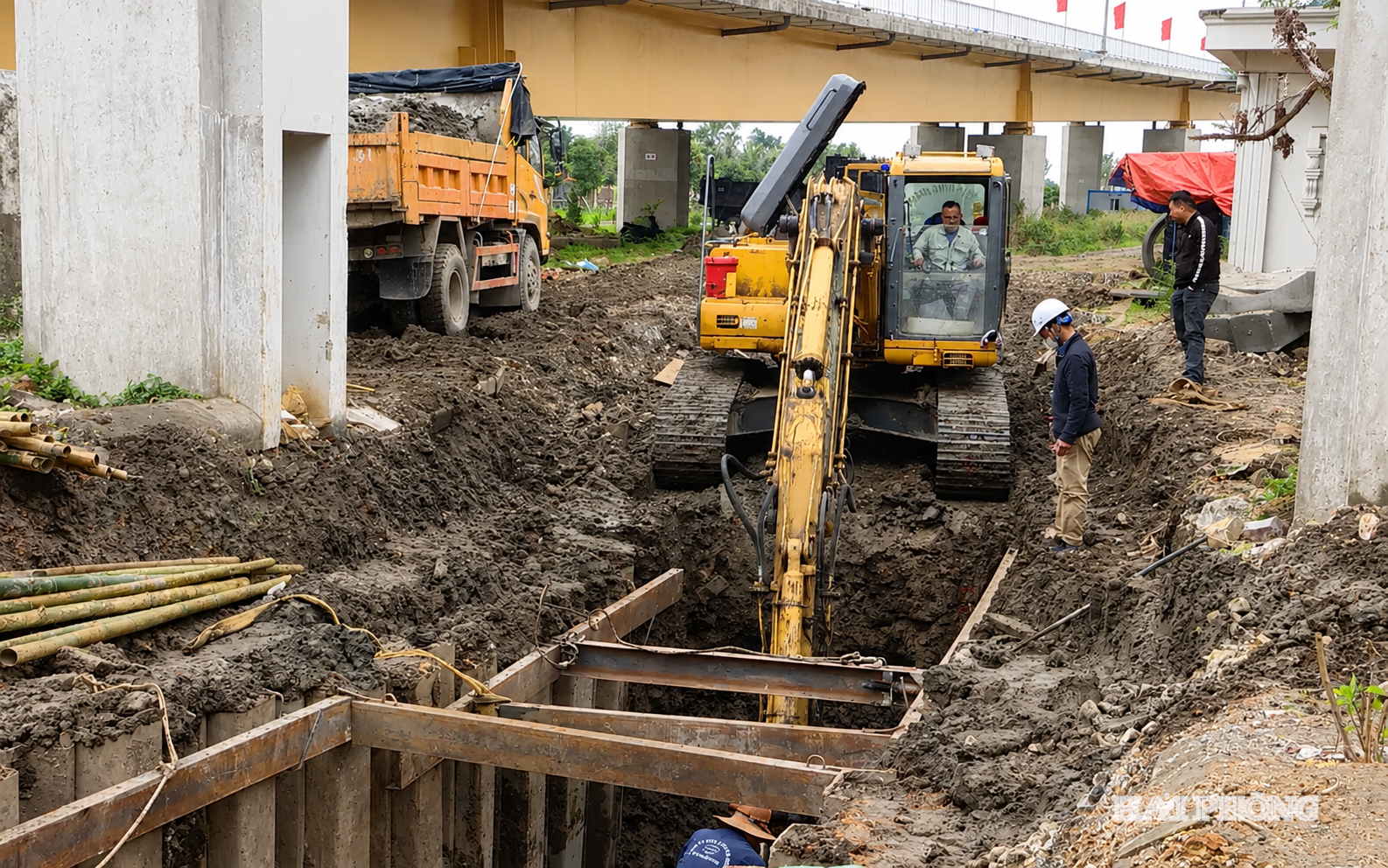
Many flood-prone "bottlenecks" in the central area, such as the old Hai An urban area, the 312 Hung Vuong area, or the To Hieu - Ho Sen - Chua Hang axis, are also being studied for separate drainage projects to fundamentally address the long-standing flooding situation.
The city continues to implement various flood control solutions in key areas such as: renovating the An Dong and Phu Xa culverts; addressing flooding issues on Road 356 and the Le Lai - Le Thanh Tong area; dredging the An Kim Hai canal; and improving the drainage system in the Hung Vuong road area from the foot of Binh Bridge to Thuong Ly bus station… aiming to prevent urban flooding early and proactively.
In the long term, Hai Phong city aims to build a modern drainage infrastructure system that is adaptable to climate change. The Hai Phong city development project, adapting to climate change, with a total investment of nearly 9,910 billion VND, is being urgently implemented.
According to experts, urban flood control requires comprehensive planning, protection of natural drainage spaces, and raising community awareness in maintaining urban drainage systems.
In the context of increasingly extreme climate change, ensuring smooth urban drainage is not only crucial for minimizing immediate damage but also a critical requirement for Hai Phong's sustainable urban development.
The Hai Phong City Climate Change Adaptation Development Project is being implemented across several wards of the city, including: Dong Hai, Thuy Nguyen, Nam Trieu, Bach Dang, Hoa Binh, Luu Kiem, Hong Bang, An Duong, An Hai, Ngo Quyen, Gia Vien, Le Chan, and An Bien. The total land area used is approximately 118.5 hectares, comprising various land types.
The project has a total investment of VND 9,908.2 billion, equivalent to approximately USD 408.1 million. Of this, VND 6,626.35 billion is from the World Bank's IBRD loan, and VND 3,281.89 billion is from domestic counterpart funding.
Source: https://baohaiphong.vn/hai-phong-ung-pho-ngap-ung-do-thi-543320.html



![[Photo] General Secretary and President To Lam receives Amazon's Senior Vice President David Zapolsky](https://vphoto.vietnam.vn/thumb/1200x675/vietnam/resource/IMAGE/2026/05/22/1779466547770_a1-bnd-3513-6601-jpg.webp)



























































































Comment (0)