

- Wednesday, September 4, 2024 15:26 (GMT+7)
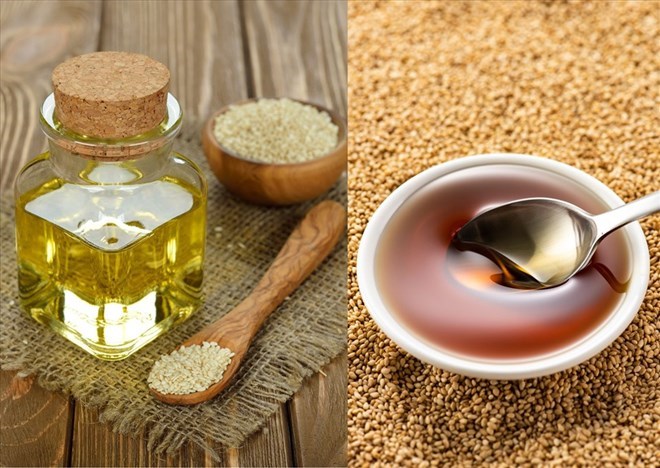
Sesame, scientifically known as Sesamum indicium, is part of the Pedaliaceae family and was first discovered in Pakistan. It is one of the first oilseed crops used by humans, and is now widely cultivated and popular throughout the world due to its high nutritional value and unique flavor.
Sesame seeds can come in various colors, including white, black, or yellow, but the oil content decreases as they darken. Sesame seeds are rich in protein, fat, and several active compounds with antioxidant, anti-inflammatory, and anti-tumor properties. While they offer a mild flavor, their benefits extend far beyond taste. Sesame seeds may be beneficial for the liver, kidneys, and cardiovascular system.
The fiber content of sesame seeds can make them an excellent choice for people with high cholesterol levels. Regularly consuming sesame seeds may reduce the risk of heart disease by helping to lower cholesterol levels. Although sesame seeds contain a small amount of saturated fat, they also contain polyunsaturated and monounsaturated fats.
Consuming sesame seeds may help lower blood pressure due to their content of polyunsaturated fatty acids, fiber, and lignans. High blood pressure, or hypertension, is a significant risk factor for cardiovascular disease and stroke. While various lifestyle factors can influence blood pressure, diet remains a primary focus in preventative measures.
Sesame seeds are also rich in magnesium, an essential mineral that plays a key role in regulating blood pressure. Low magnesium levels are associated with an increased risk of developing high blood pressure. One tablespoon of sesame seeds provides 31.6mg of magnesium, about 8% of the recommended daily intake.
Sesame seeds are low in carbohydrates and high in protein and healthy fats, making them a suitable choice to help control blood sugar levels. Three tablespoons of sesame seeds contain approximately 6g of carbohydrates, 13g of fat, and 5g of protein. While a small amount of carbs will cause a slight spike in blood sugar, the high fat and protein content will help prevent such spikes.
Sesame seeds are safe for healthy adults. However, sesame allergies can be a threat. For those with sesame allergies, it is essential to carefully read the ingredients to avoid potential harm.
Source: https://laodong.vn/dinh-duong-am-thuc/hat-vung-ho-tro-giam-cholesterol-ha-duong-huyet-1389087.ldo
![[Image] Close-up view of the interchange connecting the two expressways and Long Thanh Airport.](https://vphoto.vietnam.vn/thumb/1200x675/vietnam/resource/IMAGE/2026/05/25/1779703378210_ndo_br_z7863716673926-224453a31600126cce10622af6290afd-4549-jpg.webp)




![[Image] Hanoi's urban life under the challenge of a "scorching hot" environment](https://vphoto.vietnam.vn/thumb/1200x675/vietnam/resource/IMAGE/2026/05/25/1779706979265_nang-nong-t5-2026-minh-duy-7-4636-jpg.webp)























































































Comment (0)