MR. TRUONG BON, DEPUTY DIRECTOR OF THE DEPARTMENT OF JUSTICE OF DA NANG CITY:
Improve the quality of assistance right from the litigation stage.
The right to legal aid is only fully guaranteed when those eligible for aid are identified early, their rights are clearly explained, and they are promptly connected with organizations providing legal aid.
In recent years, coordination between the judicial sector and the police, procuratorate, and courts has seen many positive changes, leading to an increase in the number of cases involved in litigation and a gradual improvement in the quality of assistance. However, in reality, coordination among the prosecuting agencies remains uneven.
In some areas, the explanation of the right to legal aid or the referral of eligible individuals to legal aid centers is not carried out regularly or adequately. This leads to situations where eligible individuals do not have access to legal services at the right time.
Looking ahead, the requirement is to continue improving the quality of inter-agency coordination, ensuring that all eligible individuals in need of legal aid have timely access to services.
Besides strengthening communication efforts, more attention should be paid to the quality of participation in litigation by legal aid assistants and lawyers providing legal aid; improving their capacity to research case files, litigate, and protect the legitimate rights of those receiving assistance.
When the quality of legal aid is improved, vulnerable people will have more confidence in the justice system and their access to justice will be better ensured.
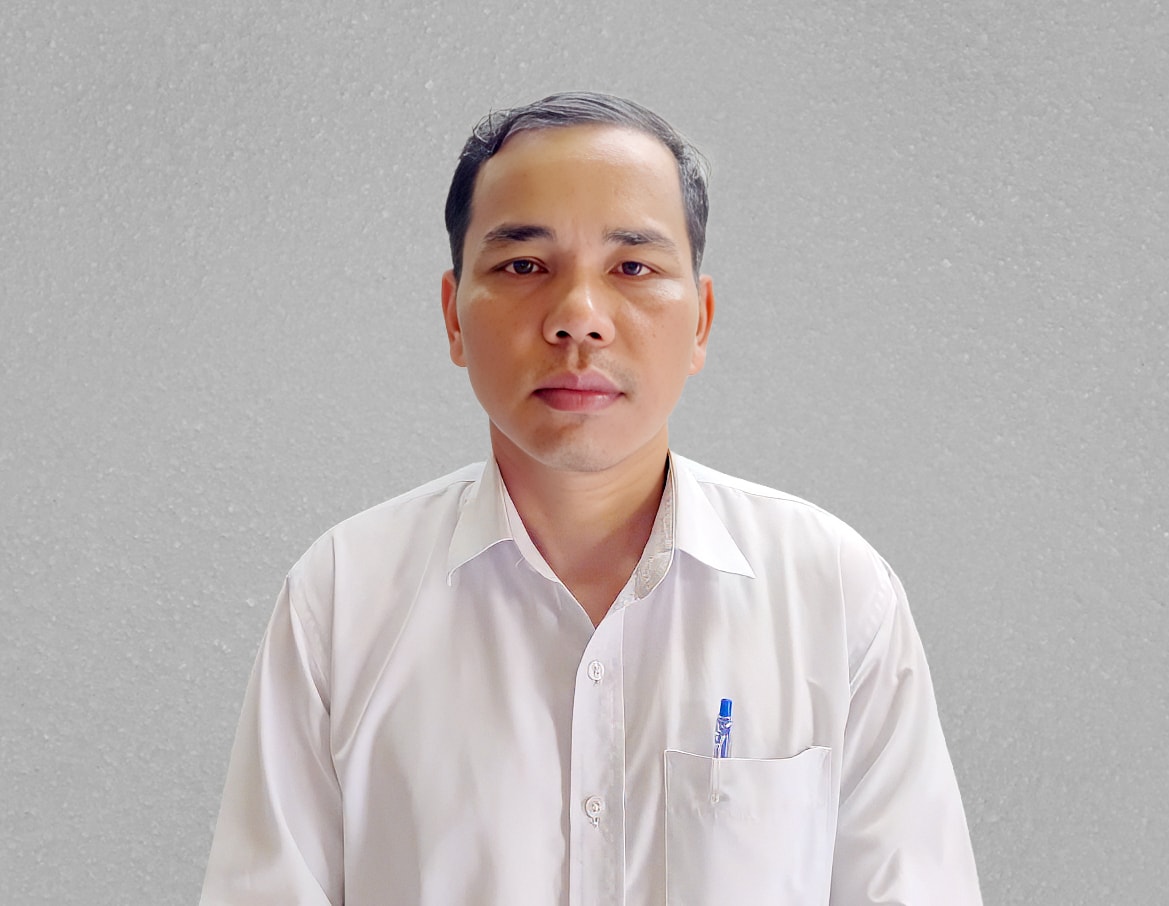



MR. ZORAM NHOI, LEGAL ASSISTANT, BRANCH NO. 2 (DONG GIANG - TAY GIANG), STATE LEGAL AID CENTER NO. 2, DA NANG CITY:
Bringing the law closer to the people.
In many mountainous communes, especially in ethnic minority areas, the biggest difficulty for people is access to legal information. Many people are unaware that they are eligible for free legal aid, and do not fully understand their basic rights when participating in civil relations or when involved in legal cases.
Clearly, many land disputes, family and marriage problems, property borrowing issues, or cases involving minors could be prevented early on if people had access to complete information. Therefore, legal communication needs to be conducted in forms that are accessible, easy to understand, and appropriate to the cultural characteristics of each locality.
In ethnic minority areas, the role of village elders, respected community leaders, village officials, women's associations, and youth unions is crucial. These are the people closest to the community, understand customs and traditions, and are capable of translating legal content into concrete real-life stories.
In many cases, having additional interpreters or people knowledgeable about the local language and customs helps to make legal aid more effective. Along with direct communication, it is necessary to continue maintaining mobile legal aid campaigns, bringing legal aid workers to villages and hamlets to advise, answer questions, and guide people...

LAWYER NGUYEN THANH TAN, DA NANG CITY BAR ASSOCIATION:
No vulnerable people should be left out of their rights.
In legal proceedings, the timing of when individuals eligible for legal aid are identified and access support services is crucial. If they are informed of their rights during the investigation phase, they will be better prepared psychologically, with sufficient evidence and documentation, and will have better opportunities to protect their legitimate rights.
For accused persons who are minors, ethnic minorities, people with disabilities, the elderly, or those in difficult circumstances, a lack of information often puts them at a significant disadvantage when dealing with the prosecuting authorities.


There are cases where people are unaware of their right to seek legal assistance, and there are also cases where people are only connected with a legal aid provider when the case has reached a late stage.
Therefore, it is necessary to further strengthen the responsibility of prosecuting authorities in explaining the right to legal aid and referring eligible individuals to legal aid organizations.
Simultaneously, it is necessary to improve the quality of legal aid assistants and lawyers involved in legal aid to meet the increasingly high demands of litigation.
Actively promoting the role and capacity of agencies and localities so that legal aid truly becomes a mechanism to ensure equality before the law, helping those with limited means to protect themselves still have the opportunity to be heard and to have their legitimate rights and interests protected through the tools of the law.
Source: https://baodanang.vn/ho-tro-tiep-can-cong-ly-3341610.html




![[Photo] Prime Minister Le Minh Hung presides over the thematic session on promoting science and technology development and innovation.](https://vphoto.vietnam.vn/thumb/1200x675/vietnam/resource/IMAGE/2026/06/23/1782207872934_ndo_br_dsc-1724-jpg.webp)