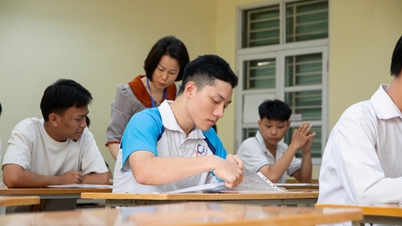
In China, many public universities are raising tuition fees by 10-54% amid cuts in government funding.
In Shanghai, East China University of Science and Technology is charging 7,700 RMB (approximately $1,100 USD) in tuition fees for new students in science, engineering, and sports programs this year, a 54% increase compared to the previous year. Tuition fees for social science programs have also increased by 30%.
Meanwhile, at the Shanghai Institute of Electrical Engineering, tuition fees for science and engineering majors have increased by 40%, while students in management, economics , and literature will have to pay 30% more than the previous year. Public universities in Sichuan have also increased tuition fees, depending on the major, with the highest increase reaching 41%.
This has become a concern for many families, whose incomes have decreased during the economic downturn. The tuition increase at East China University of Science and Technology is equivalent to 15% of the national average income and nearly 40% of the income of people in rural areas.
The increase in tuition fees is attributed to universities needing more resources to invest in scientific and technological research, while facing cuts in state budgets.
Chu Mansheng, deputy director of the Association for Educational Development Strategies and advisor to the Chinese Ministry of Education, said that university teaching and research rely on multiple funding sources, including government grants. However, according to a March report, the Chinese Ministry of Education cut this year's budget for higher education to 102 billion yuan (US$14 billion), nearly 4 billion yuan less than last year. The reason given was that the Ministry had to tightly manage and control overall spending, in accordance with the government's austerity measures.


"Schools operate on a cost-sharing basis, so students will have to bear a portion of the increased costs," Mr. Chu observed.
Furthermore, tuition fees that have been in place since 2000 are no longer appropriate, according to authorities in Jilin province in March. However, the province has limited the maximum increase to 15% for government-funded universities and 10% for provincial-funded institutions.
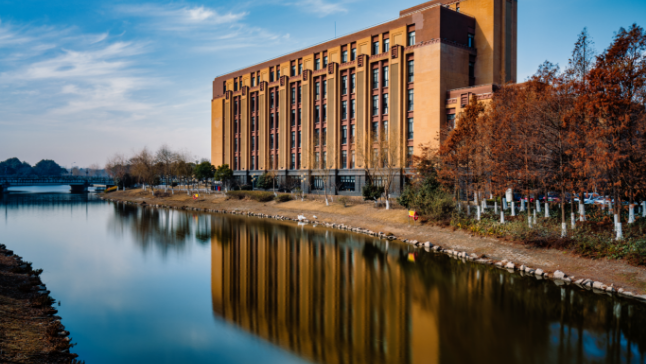
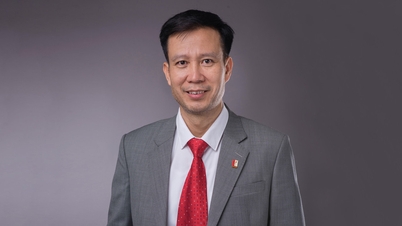
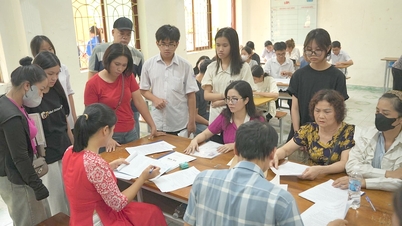
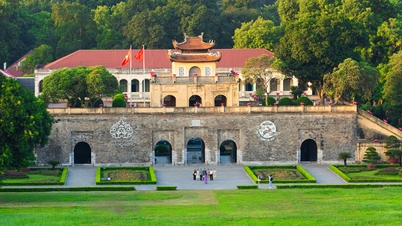
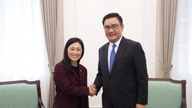
Shanghai Institute of Mechanical and Electrical Engineering. Photo: Shanghai Dianji University
Despite the increase, tuition fees at Chinese public universities remain significantly lower than those at private institutions. Annual tuition fees at private universities range from 10,000 to 30,000 RMB (US$1,400 to US$4,100).
Universities with foreign affiliations have even higher tuition fees. At the undergraduate level, the most expensive is New York University Shanghai with tuition fees of 200,000 RMB (US$27,300), followed by Nottingham University in Ningbo, China, at 100,000 RMB (US$13,700) per year.


China currently has approximately 2,700 universities. Many of its universities have risen in world rankings thanks to their investment in scientific research – a criterion with the highest weighting. Boosting research and international training cooperation is also seen as a path to realizing China's ambition of becoming a scientific and technological powerhouse.
Khanh Linh (According to SCMP)
Source link