

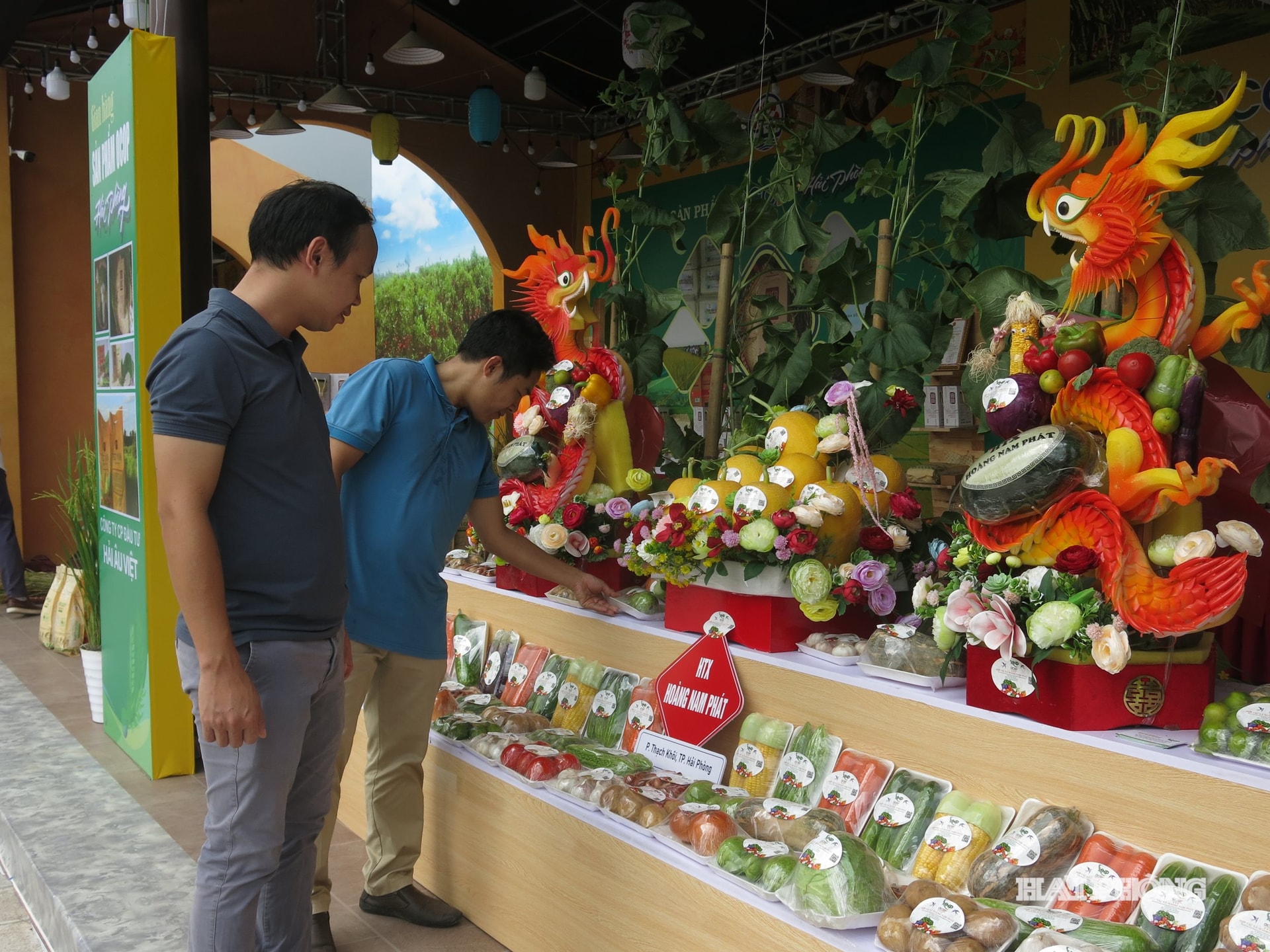
From old-style cooperatives to new-style cooperatives
According to the Rural Development Sub-Department (Hai Phong Department of Agriculture and Environment), as of June 30, 2025, the city had 703 registered agricultural cooperatives, of which 562 were operational (accounting for 78.8%). The remainder had mostly ceased operations or were in the process of dissolution. On average, each cooperative achieved revenue of approximately 1.2 billion VND/year, but profit was only around 27 million VND/year, indicating low production and business efficiency with significant room for improvement. Notably, 285 cooperatives were operating effectively, accounting for 51.3% of the active units.
The implementation of the 2023 Cooperative Law has initially created positive changes. Cooperatives have paid more attention to governance, service organization, and improving the quality of operations, thereby better meeting the needs of members and farmers. However, a "filtering" process has also been evident: from 2025 to the present, only 12 cooperatives have been established (1.4%), while as many as 141 cooperatives are in the process of dissolution (21.2%).
This reality shows that the transformation under the new Cooperative Law is not merely an administrative procedure, but a fundamental change in the nature of operations, forcing cooperatives to truly operate as autonomous economic organizations, capable of competing and creating real value.
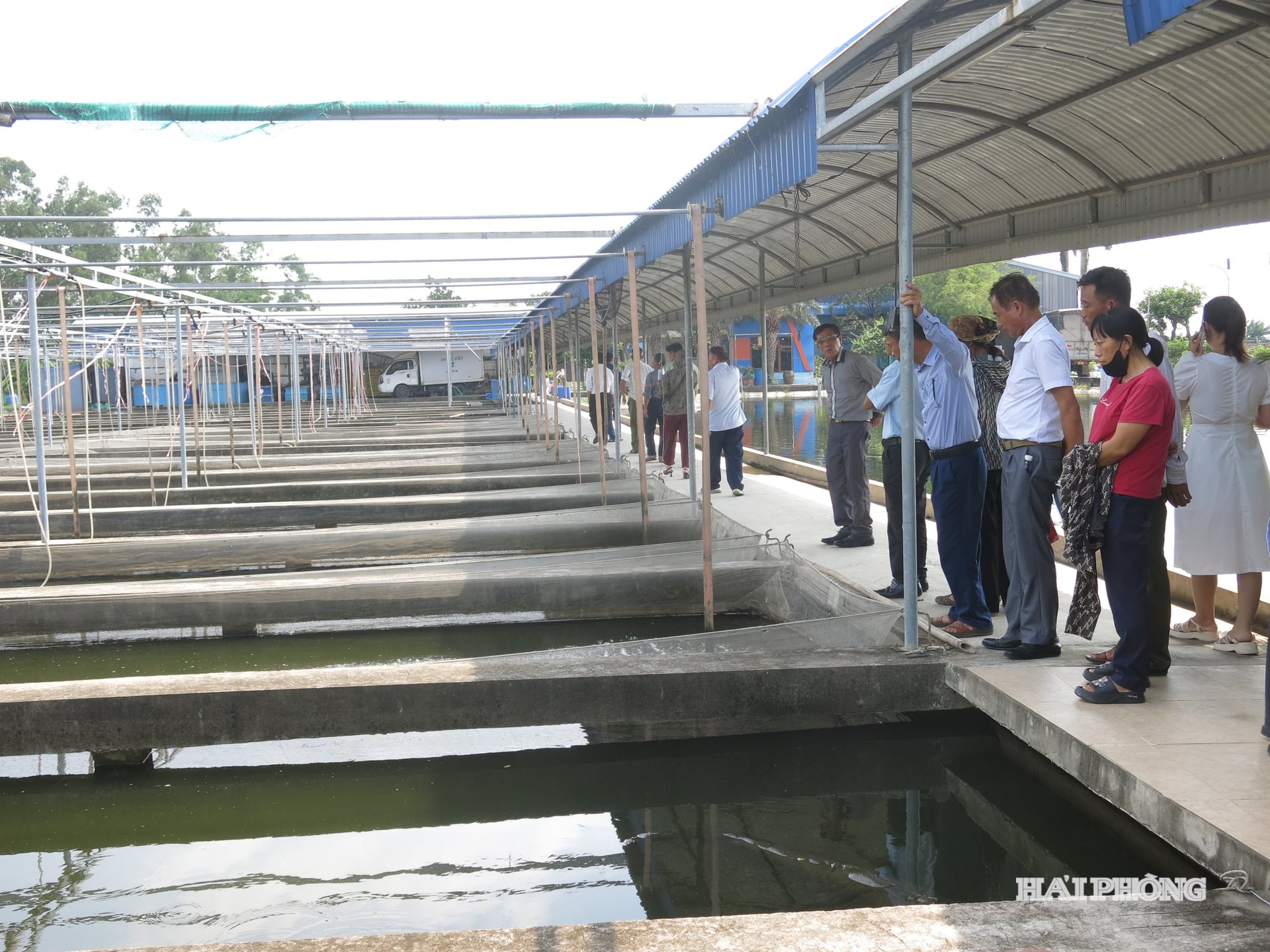
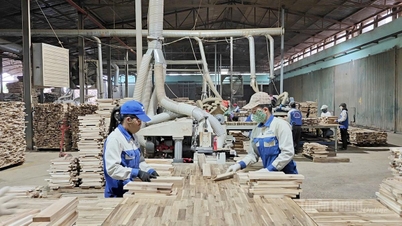
Xuyen Viet Cooperative is one of the bright spots in the western part of the city, operating efficiently thanks to the establishment of a tightly integrated chain from farm and processing plant to consumption system. This practice necessitates that the management team not only understand production but also possess a value chain management mindset.
Mr. Le Van Viet, Chairman of the Board of Directors and Director of Xuyen Viet Cooperative, said that in the unit's supply chain, aquaculture farms play a fundamental role, providing raw materials for the processing plant.
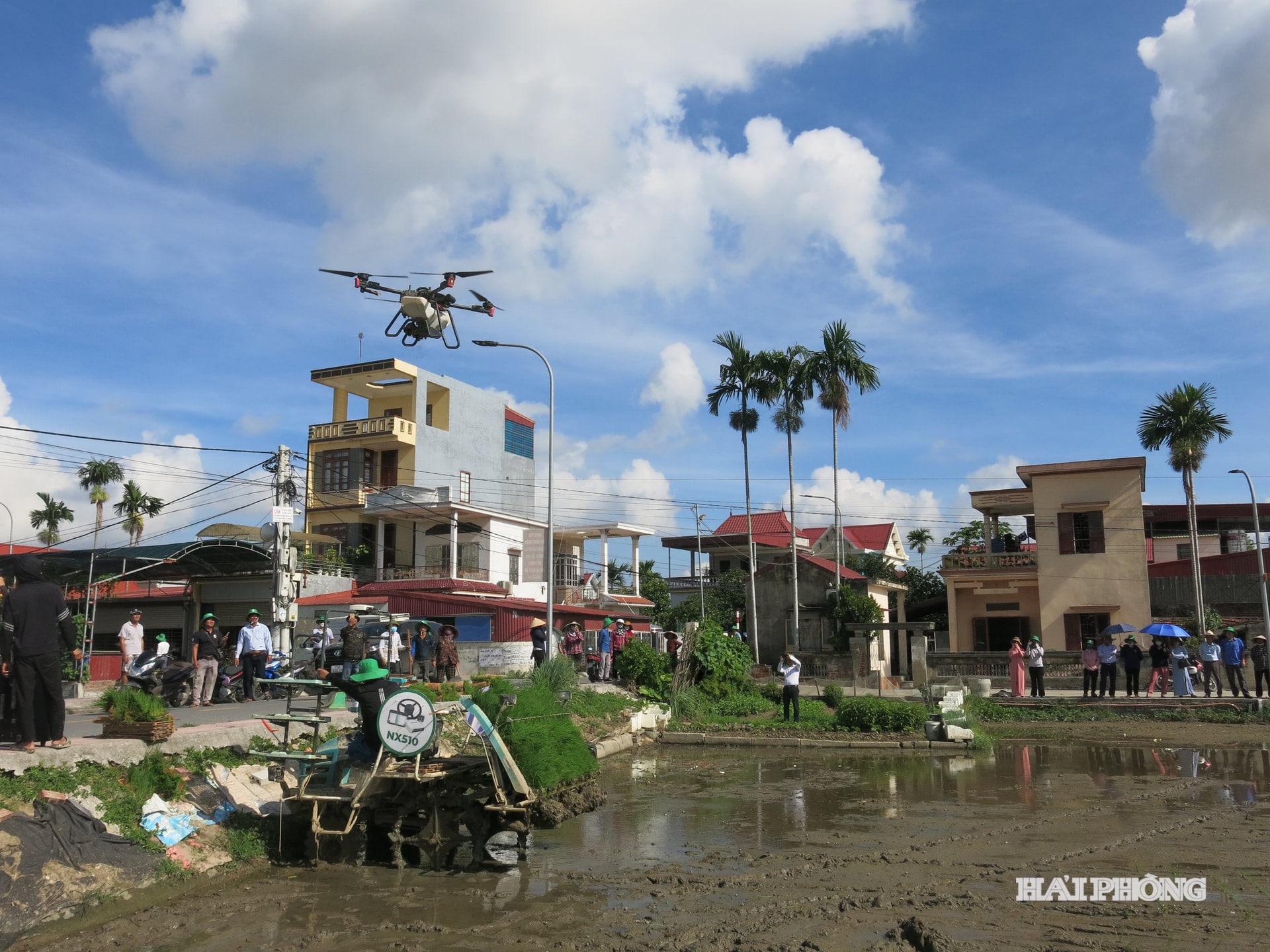
In the eastern part of the city, the Thuy Huong Agricultural Production - Business - Service Cooperative (Kien Thuy commune) is a typical model in applying mechanization to farming. According to the cooperative's director, Nguyen Thi Ha, the unit is not only a collective economic model but also a "key" to promoting sustainable agricultural development. The cooperative has boldly invested billions of dong in purchasing rice transplanters and harvesters, while simultaneously developing "rice grown in fields with earthworms" that meets OCOP standards, gradually bringing organic agricultural products to the market.
According to Mr. Dong Quoc Tra, Deputy Head of the Hai Phong Rural Development Sub-Department, new-style cooperatives are playing an important role in rural economic development, both improving production efficiency and contributing to solving social problems. Through land improvement and the introduction of new, high-yield, high-quality crop varieties, many localities have formed concentrated production areas oriented towards commercial production, increasing value per unit area, and gradually affirming the role of linkage in production and product consumption for members.
The foundation for cooperatives to become a shining example.
New-style cooperatives are operating increasingly effectively, becoming a solid support for their members. This result is achieved thanks to many "pillars," the most important of which is the improvement of mechanisms and policies, especially the 2023 Law on Cooperatives.
The law has made a breakthrough in building a legal framework, clearly affirming cooperatives as economic organizations, while expanding membership and removing obstacles related to capital and assets. This enhances competitiveness and creates conditions for cooperatives to develop more stably and sustainably.
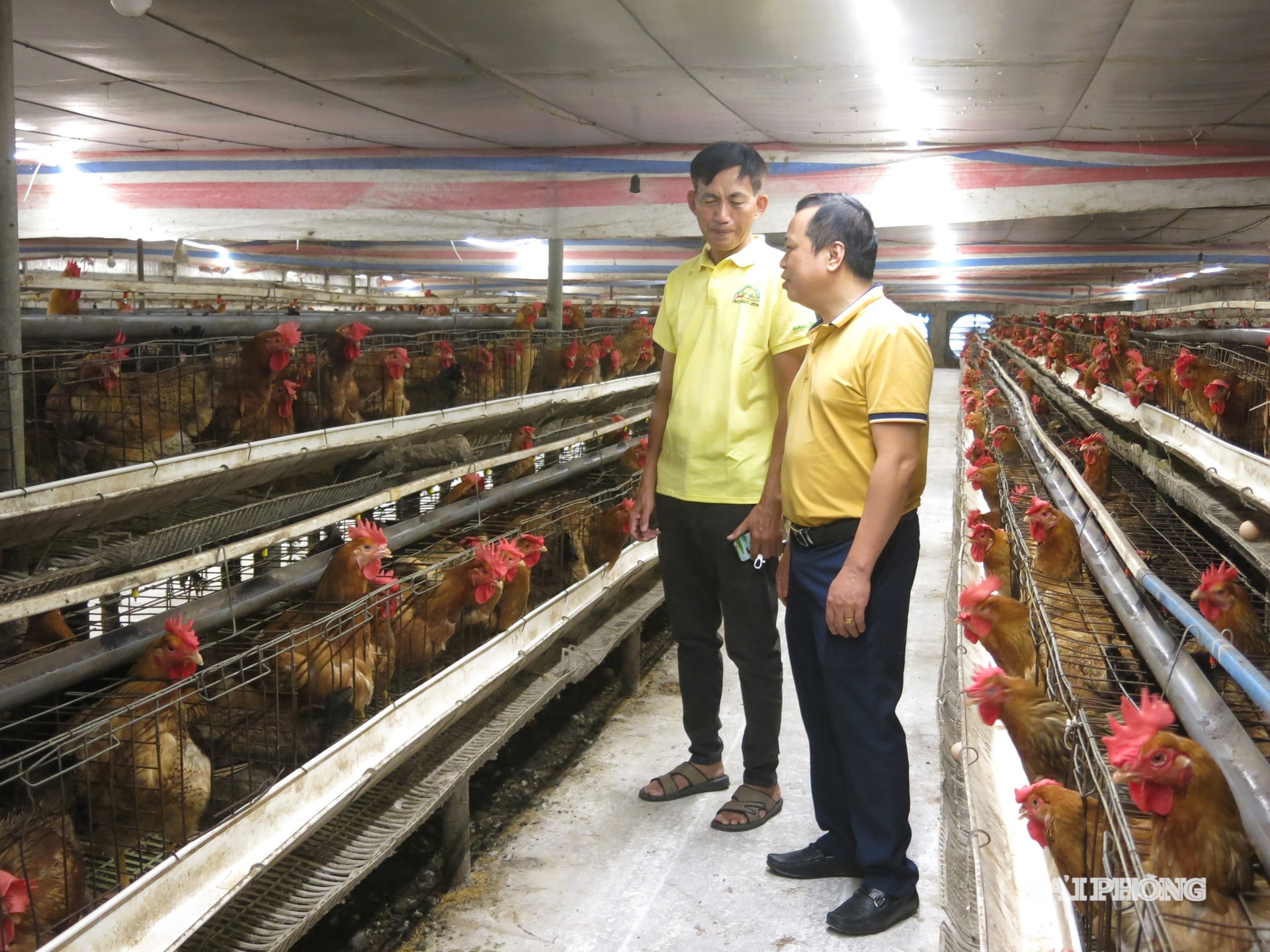
Another advantage is that after the merger, Hai Phong city has a large consumer market and developed science and technology, creating conditions for cooperatives, especially in the agricultural sector, to expand production associated with green growth.
According to Pham Thi Dao, Deputy Director of the Department of Agriculture and Environment, the future direction for the development of collective economic organizations and agricultural cooperatives is to promote the application of high technology, linked with green growth. The focus will be on investing in supporting infrastructure, promoting digital transformation in agriculture, and developing sustainable and efficient production models.
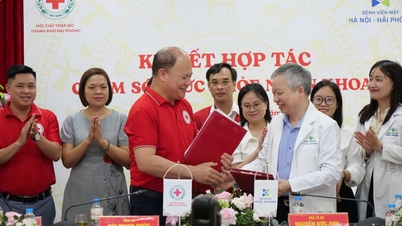
In line with this orientation, the Hai Phong Cooperative Union has implemented many activities to support the collective economic sector. During the 2020-2025 term, the unit regularly coordinated with localities to monitor the situation, support the establishment of new cooperatives, and facilitate access to policies.
Specifically, the Alliance has provided management training for 200 trainees; organized 50 training courses with nearly 6,000 participants on governance, digital transformation, and new rural development; and provided capital support to 116 cooperatives through the City's Cooperative Development Support Fund.
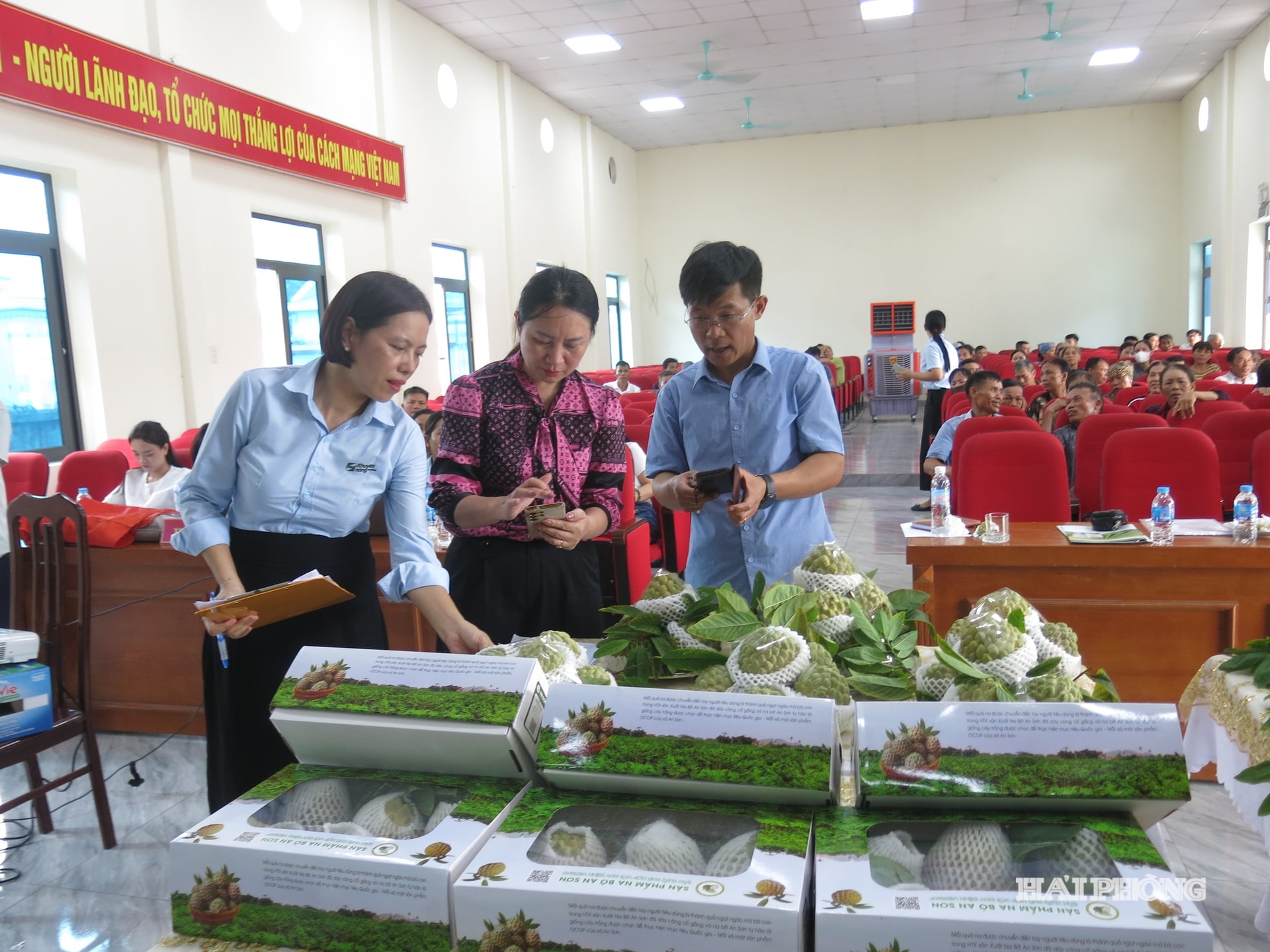
In particular, support for trade promotion and product consumption for cooperatives has always been a priority for relevant authorities. The City Cooperative Union proactively coordinates with the Department of Industry and Trade and other relevant units to support cooperatives in participating in numerous national, regional, and local trade promotion programs such as: the Autumn Fair, the Red River Delta Regional Trade Fair, the Hai Phong Trade Fair, along with exhibitions, trade weeks, and supply-demand connection activities. Through these efforts, cooperatives are gradually expanding their markets and improving their ability to connect with businesses.
HO HUONGSource: https://baohaiphong.vn/hop-tac-xa-vao-cuoc-chuyen-minh-541991.html
![[Image] Hanoi's urban life under the challenge of a "scorching hot" environment](https://vphoto.vietnam.vn/thumb/1200x675/vietnam/resource/IMAGE/2026/05/25/1779706979265_nang-nong-t5-2026-minh-duy-7-4636-jpg.webp)

![[Image] Close-up view of the interchange connecting the two expressways and Long Thanh Airport.](https://vphoto.vietnam.vn/thumb/1200x675/vietnam/resource/IMAGE/2026/05/25/1779703378210_ndo_br_z7863716673926-224453a31600126cce10622af6290afd-4549-jpg.webp)

















































































Comment (0)