

Tourism linked to the foundation of heritage cities.
By the end of 2025, Ho Chi Minh City will possess a "treasure trove of heritage" with 321 historical and cultural relics and scenic spots. These include 4 special national relics, 99 national relics (comprising 4 archaeological sites, 44 architectural and artistic relics, 48 historical relics, and 3 scenic spots), and 218 city-level relics. This is considered a valuable resource for the city to develop cultural tourism with a rich identity in a sustainable direction. According to UNESCO, the sustainability of cultural tourism is ensured by three pillars: preservation and promotion of heritage; development of the local economy ; and improvement of livelihoods and the role of the community. This also places tourists, heritage, and local people at the center of all strategies, with the requirement to prioritize the quality of the experience and the enduring value of cultural heritage.
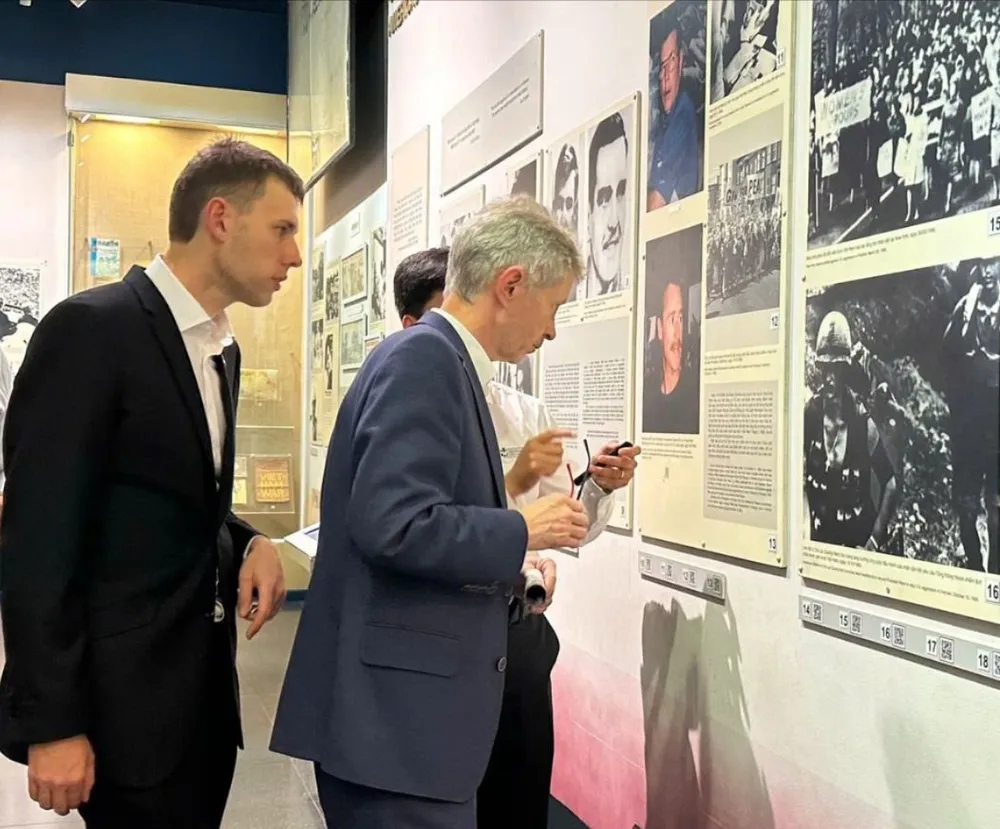
Dr. Nguyen Minh Nhut, Deputy Head of the Culture and Social Affairs Committee of the Ho Chi Minh City People's Council, shared that for large cities like Ho Chi Minh City, which brings together many layers of heritage and diverse cultural spaces, linking preservation with sustainable cultural tourism development will contribute to positioning the image of a modern city rich in identity and increasing tourism competitiveness. At the same time, regional and national cultural values will be disseminated more widely.
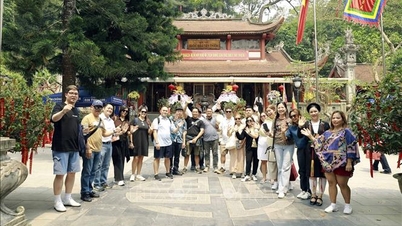
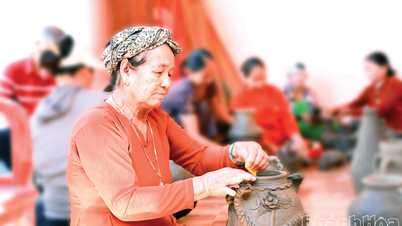
In recent years, the city has incorporated many forms of intangible cultural heritage into tourism activities, creating a positive effect: the Lantern Festival associated with tours exploring the Old Quarter of Cholon and the system of Chinese assembly halls; performances of traditional folk music, opera, and lion dances; and tours experiencing traditional craft villages (making cakes, tailoring ao dai, calligraphy, etc.), allowing tourists to interact directly with artisans. According to Dr. Nguyen Minh Nhut, these models not only bring diversity to tourism products but also contribute to "bringing to life" heritage, transforming it from a static state to a practical, performance-based, and interactive community experience.
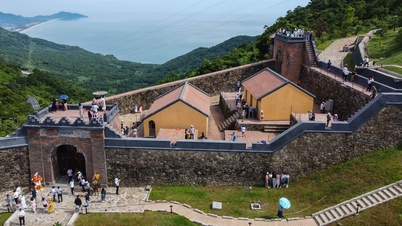
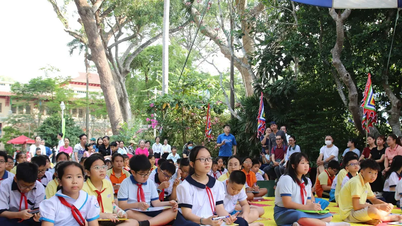
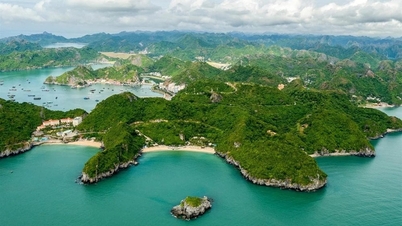
Another important highlight is "memory tourism." In the context of urban expansion, the Con Dao Special Economic Zone – a sacred historical site of the nation located within Ho Chi Minh City – offers significant potential for the city to develop tourism products linked to historical memory. Current international trends emphasize cultural and heritage experiences, deeply engaging with local identity, history, and community memory. Therefore, "memory tourism" is increasingly valued as a method of nurturing identity and educating the younger generation.
The need for a heritage center in Ho Chi Minh City.
Ho Chi Minh City currently has nine public museums under the Ho Chi Minh City Department of Culture and Sports: the Ho Chi Minh City History Museum, the Ho Chi Minh City Museum, the Southern Women's Museum, the Ho Chi Minh Museum - Ho Chi Minh City Branch, the Ton Duc Thang Museum, the Ho Chi Minh City Fine Arts Museum, the War Remnants Museum, the Ba Ria - Vung Tau Museum, and the Binh Duong Museum. Despite possessing rich, diverse, and valuable collections of artifacts, the museum system currently operates in a fragmented manner, lacking a strategic coordination mechanism and failing to create synergy in preserving and promoting heritage values.

This fragmentation means that conservation, in-depth research, data digitization, communication, and promotion of heritage have not met development requirements. Many museums still operate on traditional models, failing to take advantage of technology, network connectivity, or resource sharing. Meanwhile, societal needs demand a more centralized, flexible, and modern heritage governance model – one that ensures both professionalism and increased coordination among cultural institutions.
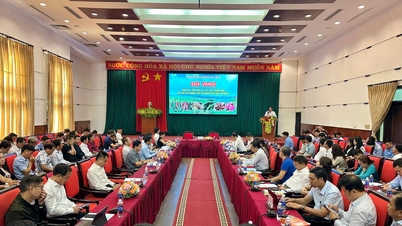
At a conference on the exploitation and promotion of cultural heritage throughout the city, recently organized by the Ho Chi Minh City Department of Culture and Sports, many managers, cultural experts, and delegates proposed the establishment of a Ho Chi Minh City Heritage Center based on the museums under the department's management. The center is expected to be a centralized management institution responsible for coordinating, guiding, providing professional support, and developing a common development strategy for the entire public museum system, aiming for professionalism, modernity, and efficiency.
Dr. Hoang Anh Tuan, Director of the Ho Chi Minh City History Museum, commented: “The establishment of the Ho Chi Minh City Heritage Center under the Ho Chi Minh City Department of Culture and Sports is a necessary and urgent step, meeting the trend of modern heritage management towards centralized management - flexible operation - sustainable development. Once established, the center will play a central coordinating role in research, conservation, digitization, communication, and education activities, contributing to building the urban cultural brand and developing the heritage industry.” This is also seen as the basis for implementing a roadmap for financial self-sufficiency, gradually reducing dependence on the state budget, while expanding cooperation with the private sector, creative businesses, and international organizations.
The establishment of the Ho Chi Minh City Heritage Center is therefore not merely a restructuring of the management model, but a strategic step to connect heritage, museums, communities, and tourism within a unified ecosystem. When past values are retold in a more engaging and accessible way, heritage will become a living resource, preserving urban identity while simultaneously driving sustainable cultural tourism development, bringing Ho Chi Minh City closer to its position as a regional cultural and creative hub.
Source: https://www.sggp.org.vn/ket-noi-di-san-de-but-pha-du-lich-post827304.html































































Comment (0)