

Harsh terrain, a test of willpower.
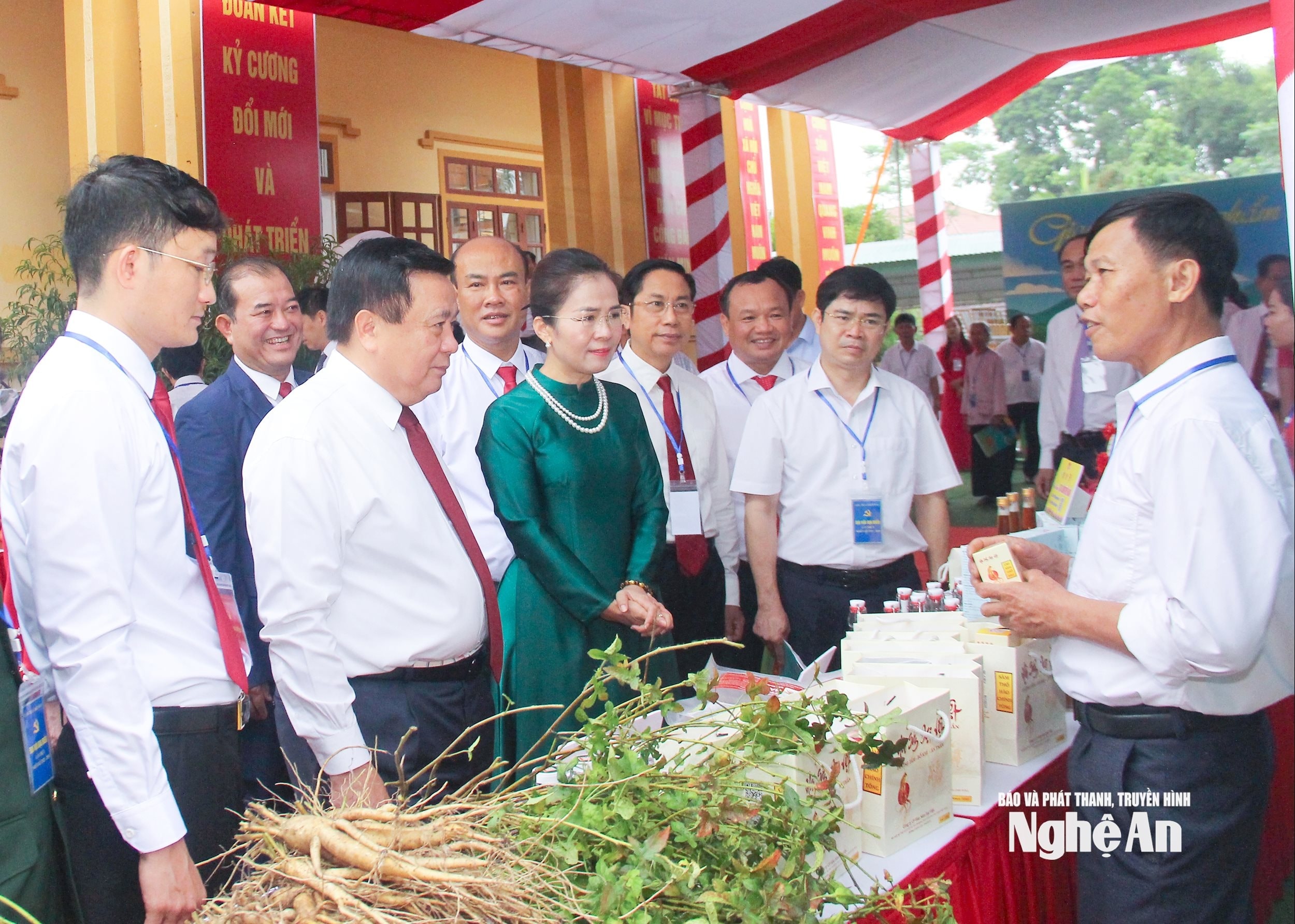
Bich Hao commune has a natural area of 147 km² and a population of nearly 34,000 people. It was established in June 2025 according to Resolution 1678/NQ-UBTVQH15 of the Standing Committee of the National Assembly , based on the merger of four communes: Mai Giang, Thanh Lam, Thanh Tung, and Thanh Xuan. (Add to the beginning.) Bich Hao has a natural area of 147.6 km², a population of 33,964, and 30 hamlets... Bich Hao's topography is closely linked to the Truong Son mountain range, running in a northwest-southeast direction, gradually sloping down towards the Lam River. Interspersed among the hills and mountains are small streams, creating a diverse natural landscape but also causing fragmentation and difficulties for production and daily life. The plain along the Lam River is scarce, and most of the cultivated land is steep, averaging 6-7 degrees, making it susceptible to erosion and runoff.
The climate here makes the development problem even more challenging. The highlands face drought and water shortages year-round, while the lowlands frequently suffer from flooding. From May to early August is the severe dry season, with crops withering and fields cracking; from the end of August to November, the fields are submerged in floods, turning them white with rain. The inadequate irrigation system makes it even harder for farmers to cope.

In that journey, the decisive factor lay not only in the terrain or natural resources, but also in the people of Bich Hao. For generations, the people here have been renowned for their diligence, perseverance, and unwavering commitment to their land and village. On the steep, easily eroded fields, they tirelessly cultivated the land, transforming barren land into cornfields and rice paddies. Facing unexpected floods or prolonged droughts, they did not lose heart, but instead adapted, practicing intercropping and supplementary livestock farming to sustain their livelihoods.
Bich Hao is also a land rich in a tradition of valuing education. Despite difficulties, many families still provide the best conditions for their children to attend school. The tradition of "respecting teachers and valuing learning and talent" has nurtured many generations who have grown up and contributed their intellect to their homeland and country. In addition, there is a spirit of community solidarity; whenever there is a major policy of the Party and State, the people wholeheartedly respond, contributing their labor and resources to build their homeland.

What is special about Bich Hao is that every resident harbors a desire for change. They refuse to accept poverty, but yearn to be masters of their own land, building a prosperous life right on the land where they were born and raised. The harsh natural environment has become a "test" that has forged their character, fostered unity, determination to overcome difficulties, and a yearning for progress. This is also the foundation upon which Bich Hao today embarks on a new journey with the determination to assert itself.
The economy is booming , and the landscape is changing.
Looking back at the 2020-2025 term, it's clear that the landscape of Bich Hao has undergone a significant transformation. From a region once accustomed to drought and floods, the commune's economy has gradually overcome difficulties, revealing brighter prospects.

First and foremost, the shift in economic structure demonstrates the Party Committee and the people's efforts to innovate their thinking. From a purely agricultural economy, the proportion of industry, construction, and services is now increasing, reflecting the process of adapting to the market. Average per capita income has reached 57 million VND, an increase of nearly 16 million VND compared to the beginning of the term, a testament to the effectiveness of this transformation.
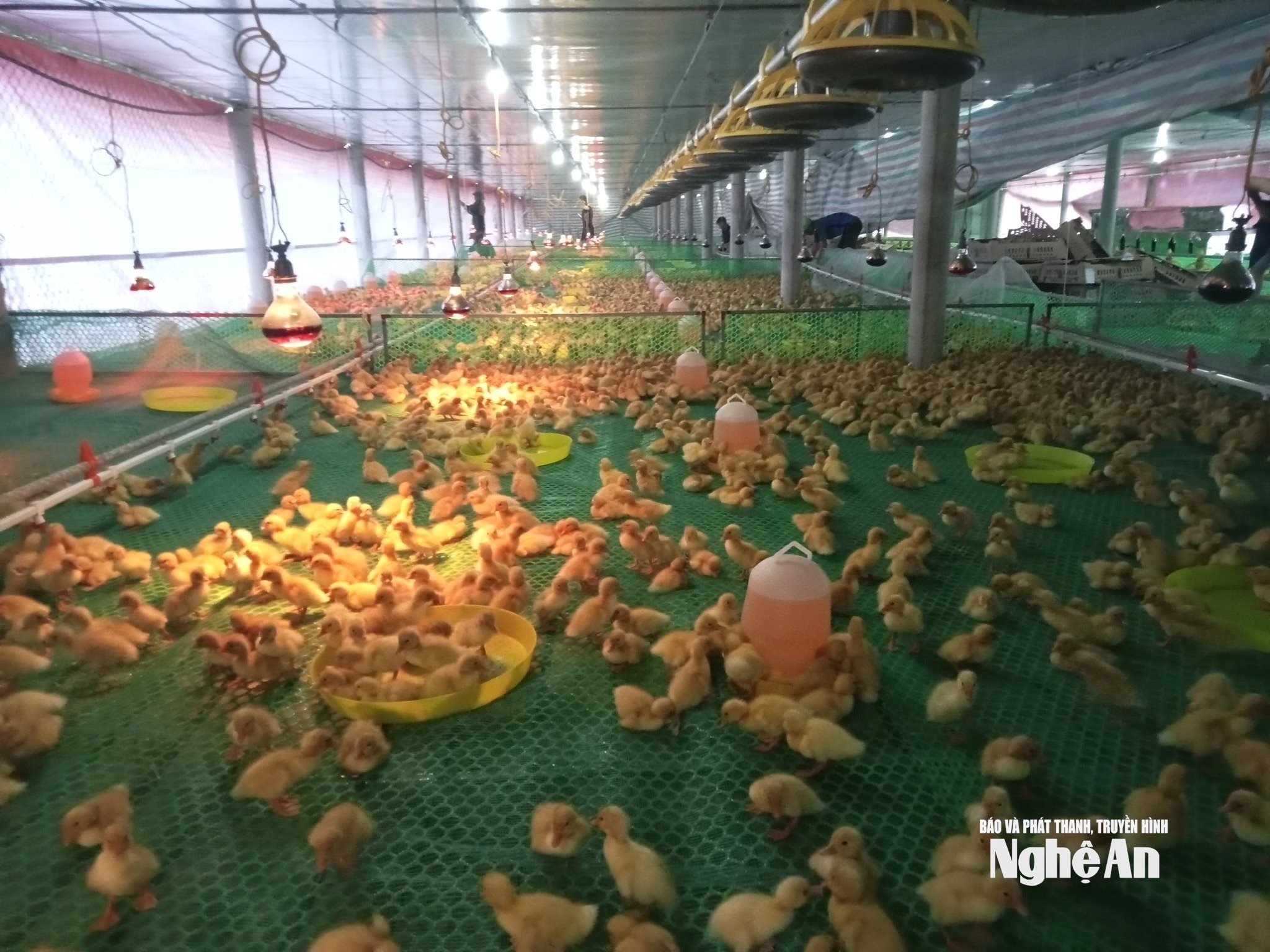
However, the most striking aspect lies in the new agricultural economic models. People are no longer confined to rice cultivation, but are boldly developing livestock farms, beekeeping for honey, and fish farming in ponds and lakes. Families who know how to take advantage of the hilly forest areas have invested in planting acacia and pine trees, both greening barren land and providing stable income. Each year, more than 500 hectares of forest are newly planted, increasing forest cover to over 31%, creating additional livelihoods and protecting the ecological environment.
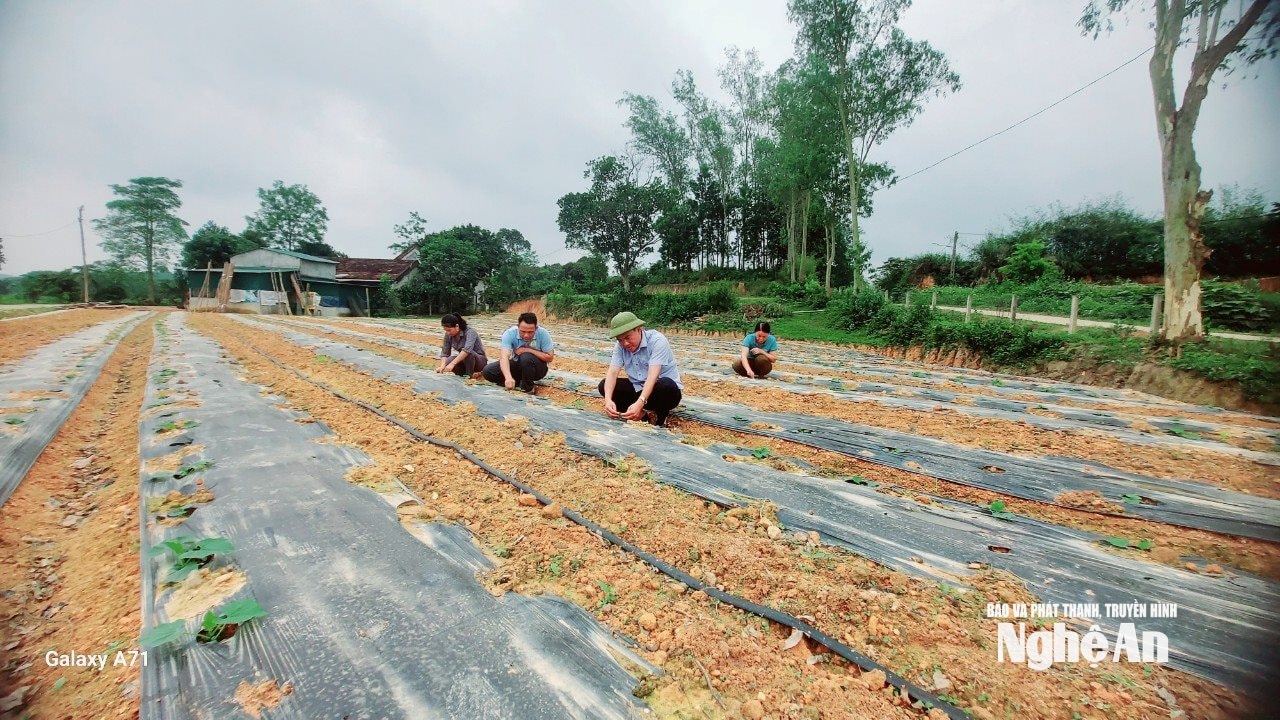
The changes didn't stop at production, but spread to the face of rural areas. The New Rural Development movement has created momentum for community participation. 121 km of new concrete roads have been completed, and schools, cultural centers, and health stations have been built in a modern style. The 45 billion VND voluntarily contributed by the people and businesses is not only a material resource but also a testament to their belief in future development.
Thanks to these projects, the face of the countryside is changing day by day. The extended concrete roads not only bring agricultural products to market faster, but also bring the light of civilization to every village. Children study in spacious schools, people have thriving community spaces, and rural markets are more vibrant.

All these factors combined have helped improve the people's lives. Not only has income increased, but their morale, culture, education, and healthcare have all progressed. 92% of households meet cultural standards, 13 out of 15 schools meet national standards, and 100% of children of school age attend school. Social welfare policies are fully implemented, and the poor and families entitled to preferential policies receive thorough care.
It can be said that during the past term, Bich Hao not only experienced growth in numbers, but more importantly, a transformation in its appearance and development mindset. From a rural area still facing many hardships, the commune has demonstrated its resilience, affirming that with the unity of the people and the right direction from local government leaders, any difficulties can be overcome.
Solutions for the new journey
The First Party Congress of Bich Hao Commune, for the term 2025-2030, took place in the context of a newly established commune, with intertwined opportunities and challenges. With high political determination, the Congress set the overall goal: by 2030, to build Bich Hao into an advanced new rural commune, achieve rapid and sustainable economic development, improve the lives of the people, maintain a clean and strong political system, and ensure national defense and security.
To achieve this, Bich Hao focuses on three breakthroughs. Firstly, building a high-quality team of cadres and Party members, especially key officials with the qualities, capabilities, prestige, and courage to think and act. Secondly, perfecting planning and investing in synchronous infrastructure, prioritizing regional transportation, irrigation, infrastructure serving high-tech agriculture, and civilized urban areas. Thirdly, promoting digital transformation, building e-government, developing the digital economy and digital society, striving to become one of the top-performing localities in the province in administrative reform.
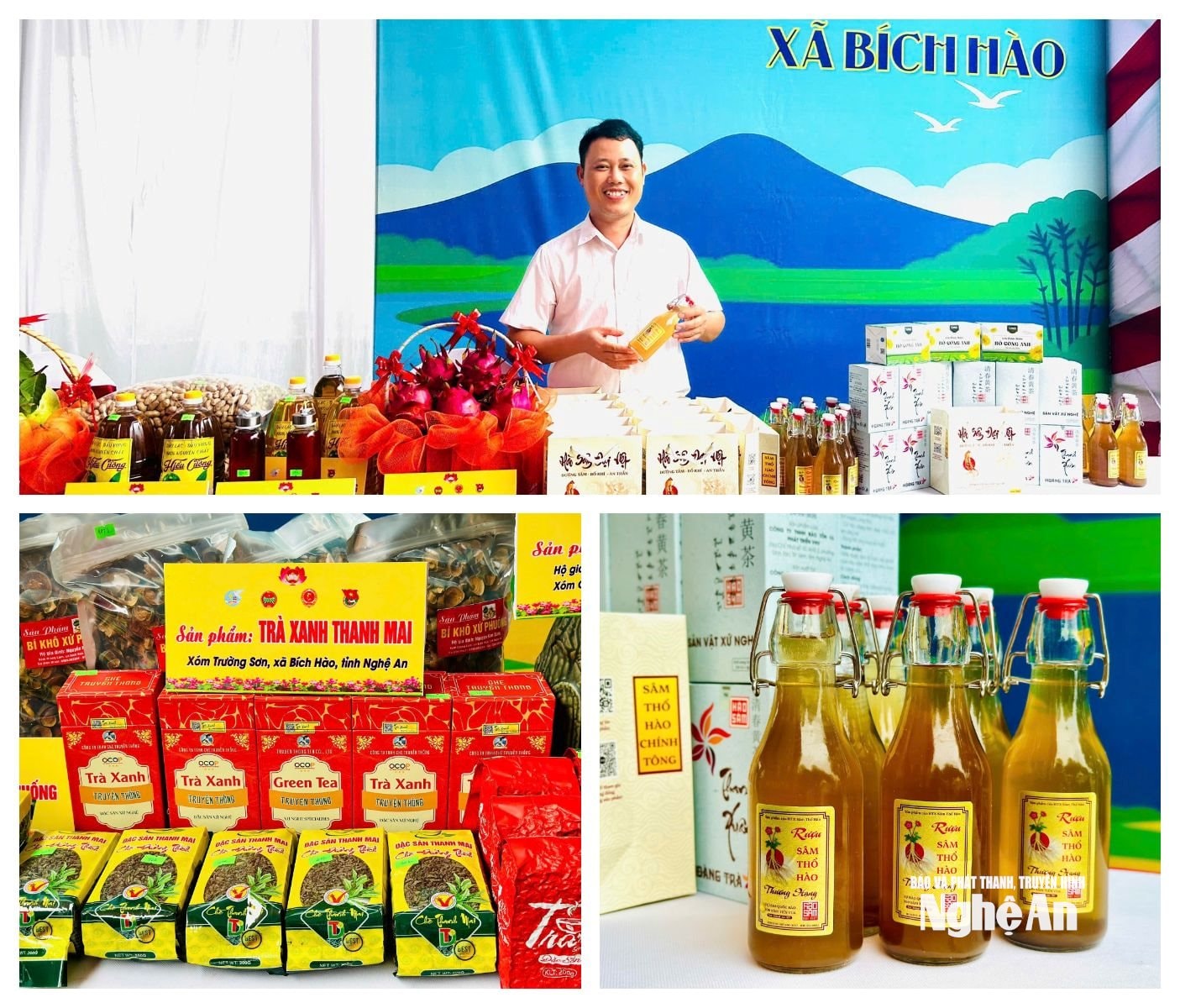
In the production sector, the commune continues to restructure agriculture towards increasing added value, encouraging the development of organic farming and bio-secure livestock breeding. Farm and household farm models are being expanded, linked to product consumption. Industry and handicrafts are developing in an environmentally friendly direction. Services, trade, ecotourism, and cultural tourism are gradually being exploited to transform potential into advantages.
Simultaneously, Bich Hao also focuses on socio-cultural development, improving the quality of education and healthcare, ensuring social security, and achieving sustainable poverty reduction; building a "people's support base" linked to a solid national defense and people's security posture.
From dry, cracked slopes to developing double-cropping rice fields; from muddy dirt roads to sturdy concrete roads; from humble thatched roofs to spacious houses, Bich Hao has been on a path of dramatic transformation. The achievements of the past term are not just statistics, but also proof of the unwavering will and aspirations of the Party Committee and the people.
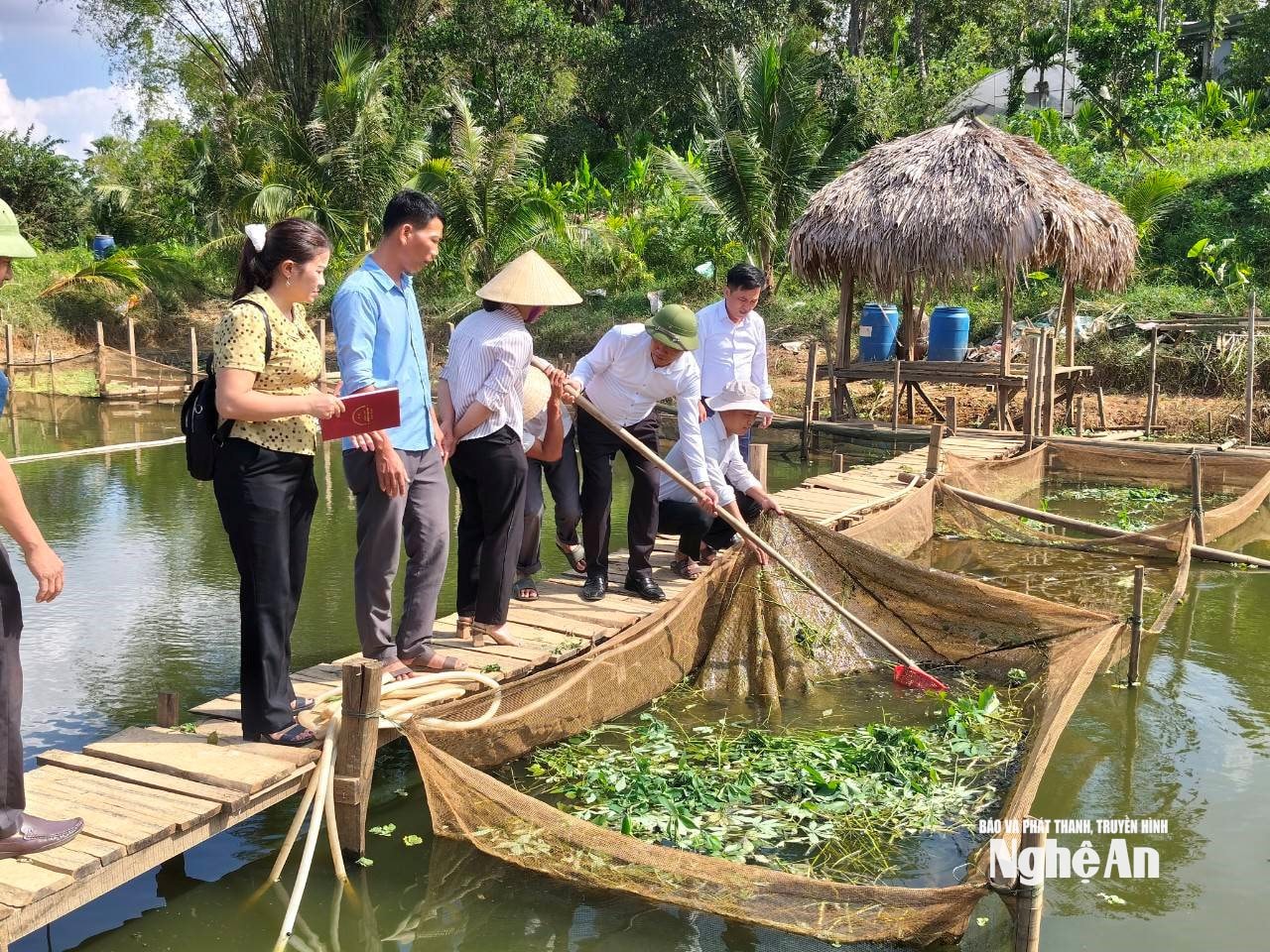
Many challenges still lie ahead, but faith in the Party's leadership and the people's consensus are the foundation for the commune's steady progress. Today, Bich Hao not only tells the story of a rural area in a semi-mountainous region, but also conveys a message about the strength of will and the aspiration for change of people who "refuse to retreat in the face of hardship." And in the journey ahead, that aspiration will continue to be written with new chapters, full of faith and promise.
Some targets for the 2025-2030 term.
- Average economic growth rate: 10 – 10.5% per year
- Average per capita income: 90 – 100 million VND/year
- Total social investment capital for the period 2026 – 2030: 411 billion VND
- Percentage of commune-level roads that have been paved: 100%
- Health insurance coverage rate: 98.1%
- The poverty rate decreased by an average of 0.5% per year.
- Forest cover rate: 30% , annual reforestation area: 650 – 700 ha
- 100% of Party branches successfully complete their tasks or better; the number of new Party members admitted annually reaches 3% of the total number of Party members.
Source: https://baonghean.vn/khat-vong-doi-thay-o-bich-hao-10306417.html


![[Photo] The General Secretary attends the groundbreaking ceremony for the construction of the Truong Ha Primary and Secondary Boarding School.](/_next/image?url=https%3A%2F%2Fvphoto.vietnam.vn%2Fthumb%2F1200x675%2Fvietnam%2Fresource%2FIMAGE%2F2026%2F01%2F28%2F1769604498277_vna-potal-tong-bi-thu-du-le-khoi-cong-xay-dung-cong-trinh-truong-pho-thong-noi-tru-tieu-hoc-va-trung-hoc-co-so-truong-ha-8556822-jpg.webp&w=3840&q=75)


![[Photo] Commemorating the unwavering friendship between Vietnam and Laos](/_next/image?url=https%3A%2F%2Fvphoto.vietnam.vn%2Fthumb%2F1200x675%2Fvietnam%2Fresource%2FIMAGE%2F2026%2F01%2F27%2F1769518372051_ndo_br_1-jpg.webp&w=3840&q=75)


![[Photo] National Assembly Chairman Tran Thanh Man meets with former leaders of the National Assembly from various periods.](/_next/image?url=https%3A%2F%2Fvphoto.vietnam.vn%2Fthumb%2F402x226%2Fvietnam%2Fresource%2FIMAGE%2F2026%2F01%2F28%2F1769601014034_anh-man-hinh-2026-01-28-luc-18-50-04.png&w=3840&q=75)


![OCOP during Tet season: [Part 3] Ultra-thin rice paper takes off.](/_next/image?url=https%3A%2F%2Fvphoto.vietnam.vn%2Fthumb%2F402x226%2Fvietnam%2Fresource%2FIMAGE%2F2026%2F01%2F28%2F1769562783429_004-194121_651-081010.jpeg&w=3840&q=75)


![OCOP during Tet season: [Part 2] Hoa Thanh incense village glows red.](/_next/image?url=https%3A%2F%2Fvphoto.vietnam.vn%2Fthumb%2F402x226%2Fvietnam%2Fresource%2FIMAGE%2F2026%2F01%2F27%2F1769480573807_505139049_683408031333867_2820052735775418136_n-180643_808-092229.jpeg&w=3840&q=75)
![OCOP during Tet season: [Part 1] Ba Den custard apples in their 'golden season'](/_next/image?url=https%3A%2F%2Fvphoto.vietnam.vn%2Fthumb%2F402x226%2Fvietnam%2Fresource%2FIMAGE%2F2026%2F01%2F26%2F1769417540049_03-174213_554-154843.jpeg&w=3840&q=75)





Comment (0)