

In his opening remarks, Mr. Tran Quoc Cuong, Director of the Department of Social Sciences, Humanities and Natural Sciences ( Ministry of Science and Technology ), emphasized that basic scientific research is the long-term foundation of national science and technology, playing a key role in the development of applied science, technology and innovation.
The program for the development of basic science in the fields of Chemistry, Life Sciences, Earth Sciences, and Marine Sciences (Program 562), approved by the Prime Minister in Decision No. 562/QD-TTg, began its substantive implementation in 2019. Despite limited resources, the program has achieved many positive results.
Regarding scientific publications, the number and quality of international articles have increased by an average of about 20% per year; there have been publications in leading international journals such as Science and Nature. The number of international citations has increased, reflecting the scientific impact and the level of integration of the Vietnamese research community. Notably, two Vietnamese scientific journals in the fields of Chemistry and Earth Sciences have been included in the SCOPUS system, contributing to raising the status of scientific journals in the country.
In terms of scientific standing, Vietnam continues to maintain a relatively high ranking in natural sciences, placing 38th–50th in the world, 10th–12th in Asia, and 3rd–5th in the ASEAN region, demonstrating the effectiveness of targeted investment in basic science.
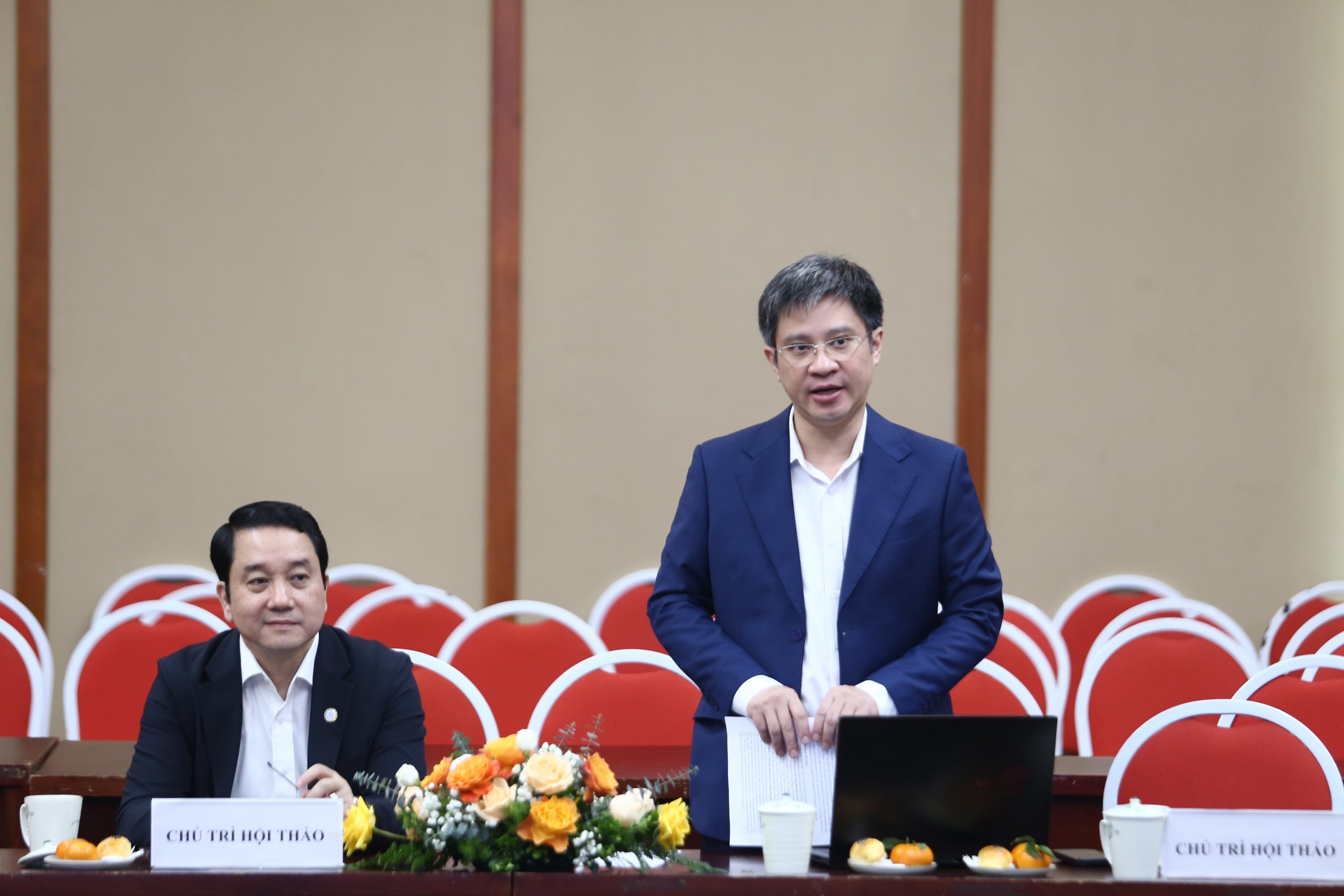
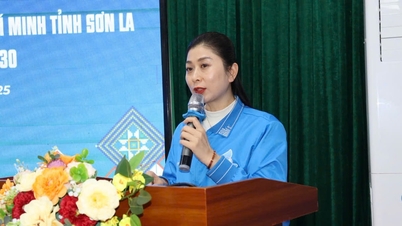
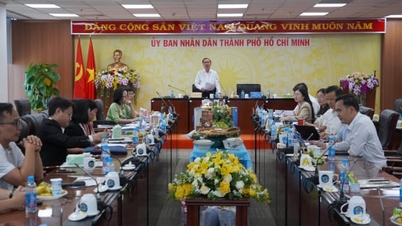
Mr. Tran Quoc Cuong, Director of the Department of Social Sciences, Humanities and Natural Sciences, delivered the opening remarks at the workshop.
Regarding the development of research potential, through 95 national-level science and technology projects, Program 562 has contributed to the formation of approximately 90 strong research groups, many of which are young, promising research groups that are gradually asserting their independent research capabilities, international integration, and close links between research and postgraduate training. To date, about 70 out of 95 projects have been completed; the remaining projects are being finalized according to regulations, and many results have been put into testing and have clear application directions.
In the field of Chemistry, research focuses on the treatment of environmental pollutants, the development of new materials for medicine and pharmaceuticals, green chemistry, and contributing to the implementation of the Stockholm Convention. Life sciences have seen the creation of many important databases such as the Vietnamese human genome database, genome data for the diagnosis of congenital heart disease, environmental toxicology data, and biodiversity databases integrated into the GBIF system.
In Earth Sciences and Marine Sciences, research with high practical value includes: developing criteria for integrating ecological factors and climate change into land-use planning; identifying organic carbon sinks in the Red River Delta; assessing the potential of deep-sea gold deposits; developing criteria for zoning marine and island landscapes to serve the development of the blue marine economy; and researching the mechanisms of storm formation and forecasting heavy rainfall and strong winds in Central Vietnam.
According to Mr. Tran Quoc Cuong, the above results are even more significant in the context of Resolution No. 57-NQ/TW of the Politburo, which identifies science, technology, and innovation as a strategic breakthrough, with basic science as the foundation of knowledge; strong research groups and young research groups as the core force determining national scientific competitiveness in the medium and long term. Program 562, built from Government Resolution 46/NQ-CP, has created an important practical foundation for implementing the spirit of Resolution 57, while also setting the requirement to continue improving mechanisms, ensuring the long-term stability of research tasks and policies for developing a team of young scientists.
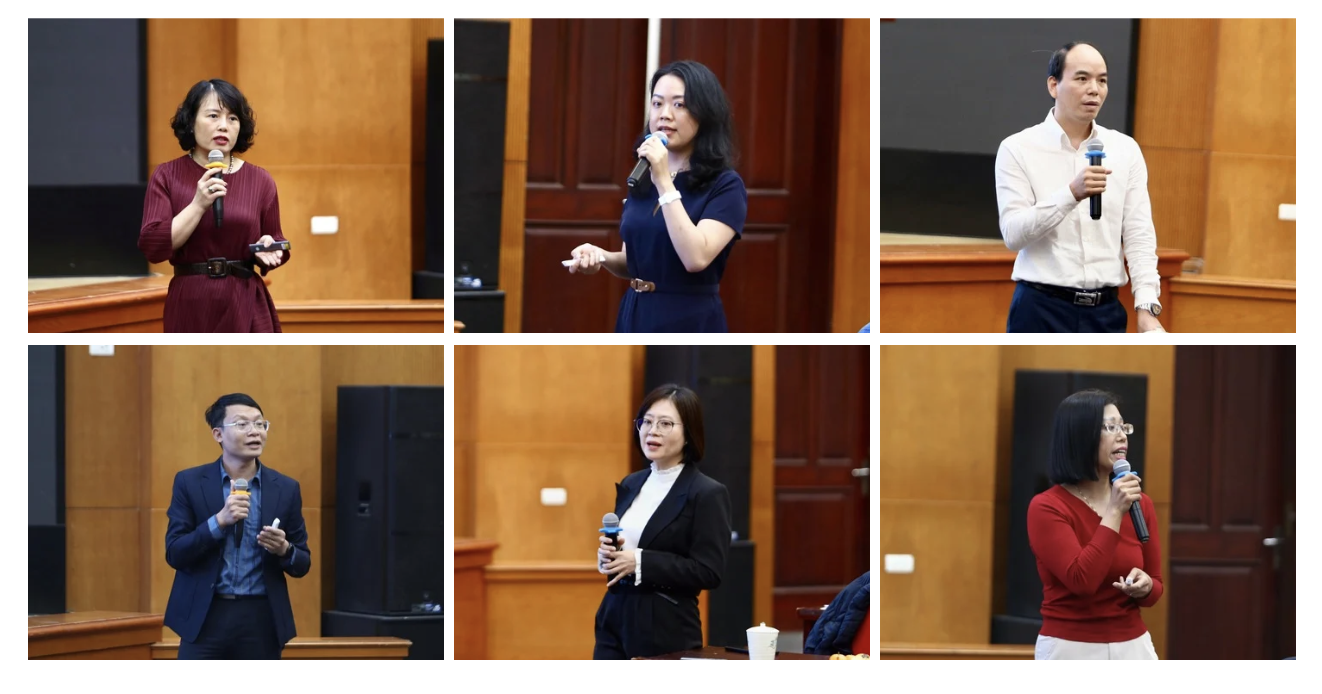
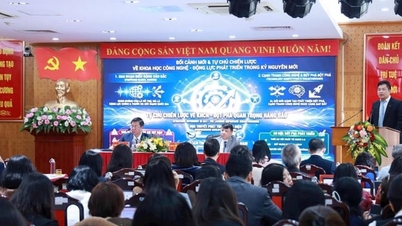
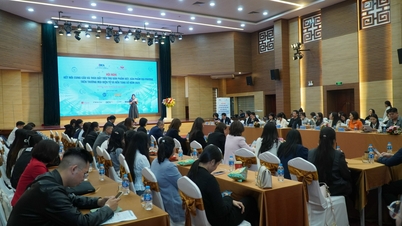
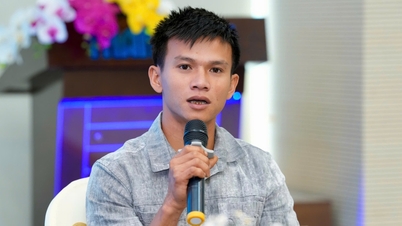
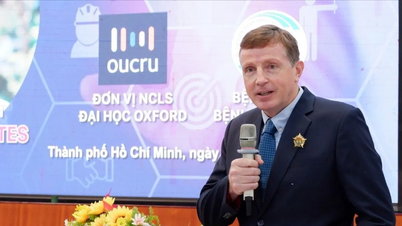
Delegates presented their papers at the conference.
At the conference, many in-depth papers were presented, focusing on clarifying the role of young research groups in enhancing the potential of basic science, with the participation of major universities and research institutes such as Hanoi National University, Ho Chi Minh City National University, Vietnam Academy of Science and Technology, and Thuy Loi University.
The opinions and suggestions at the workshop are expected to make practical contributions to the Ministry of Science and Technology in the process of building the Strategy for the Development of Basic Scientific Research after 2025, with a focus on selective investment in cutting-edge research directions; building long-term, stable mechanisms for strong research groups and young research groups; strengthening the link between research and training high-quality human resources and international cooperation.
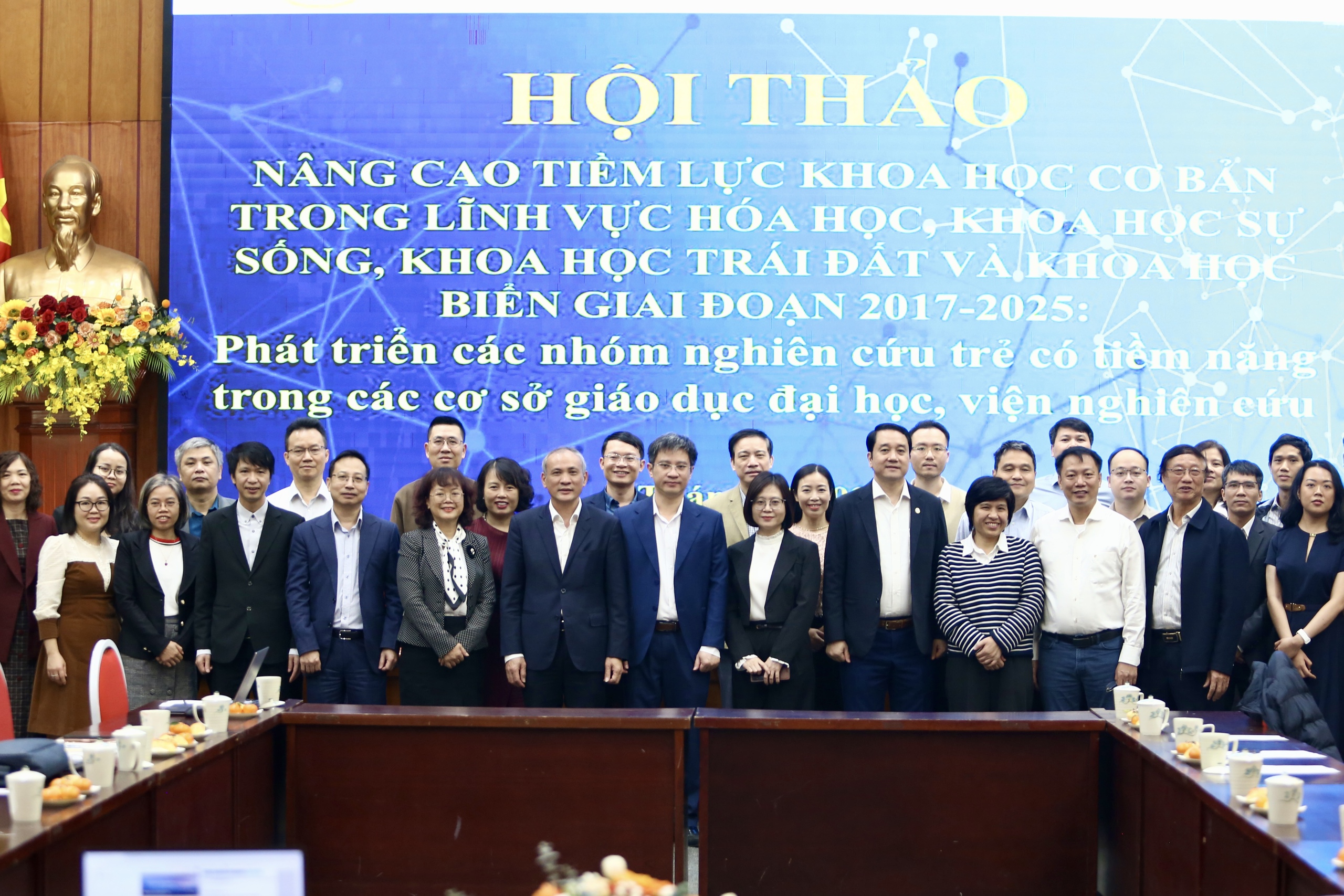
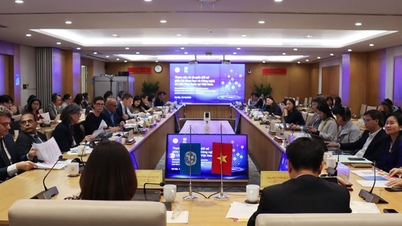
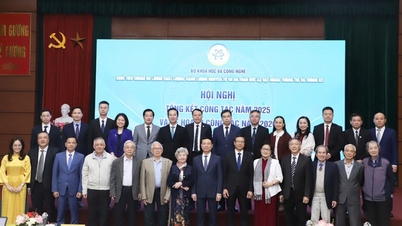
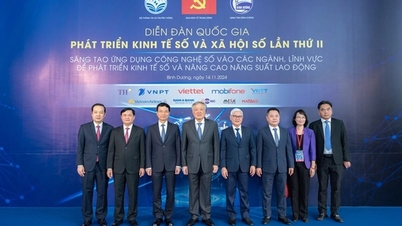
The delegates took a commemorative photo.
The workshop was not only an opportunity to summarize Program 562, but also an important forum for the scientific community to exchange ideas, propose solutions, and recommend policies for the next phase of development of basic science in Vietnam.
Source: https://mst.gov.vn/khoa-hoc-co-ban-nen-tang-tri-thuc-cho-dot-pha-khoa-hoc-cong-nghe-va-doi-moi-sang-tao-197251219111729729.htm


![[Photo] Prime Minister Pham Minh Chinh attends the Conference on the Implementation of Tasks for 2026 of the Industry and Trade Sector](/_next/image?url=https%3A%2F%2Fvphoto.vietnam.vn%2Fthumb%2F1200x675%2Fvietnam%2Fresource%2FIMAGE%2F2025%2F12%2F19%2F1766159500458_ndo_br_shared31-jpg.webp&w=3840&q=75)





























































Comment (0)