

Metro and expressways open up development opportunities for the city.
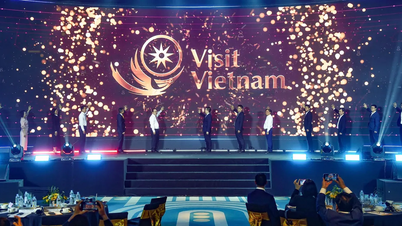
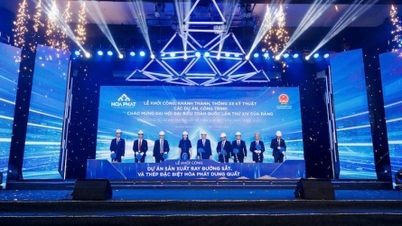
From 7 a.m. yesterday, December 19th, the Binh Khanh ferry route connecting the center of Ho Chi Minh City to the Can Gio Special Economic Zone was bustling with vehicles. Vehicles carrying delegations lined up heading straight to the former Can Thanh town, where the groundbreaking ceremony for the Ben Thanh - Can Gio metro line project, Vietnam's first high-speed railway, took place. Eight months ago, the Vinhomes Green Paradise Can Gio international-standard reclaimed land urban area also commenced construction in this same area. After nearly two decades of anxiously waiting to be "awakened," the people of the island district witnessed the consecutive implementation of two major projects within a year, realizing their dream of a better life.
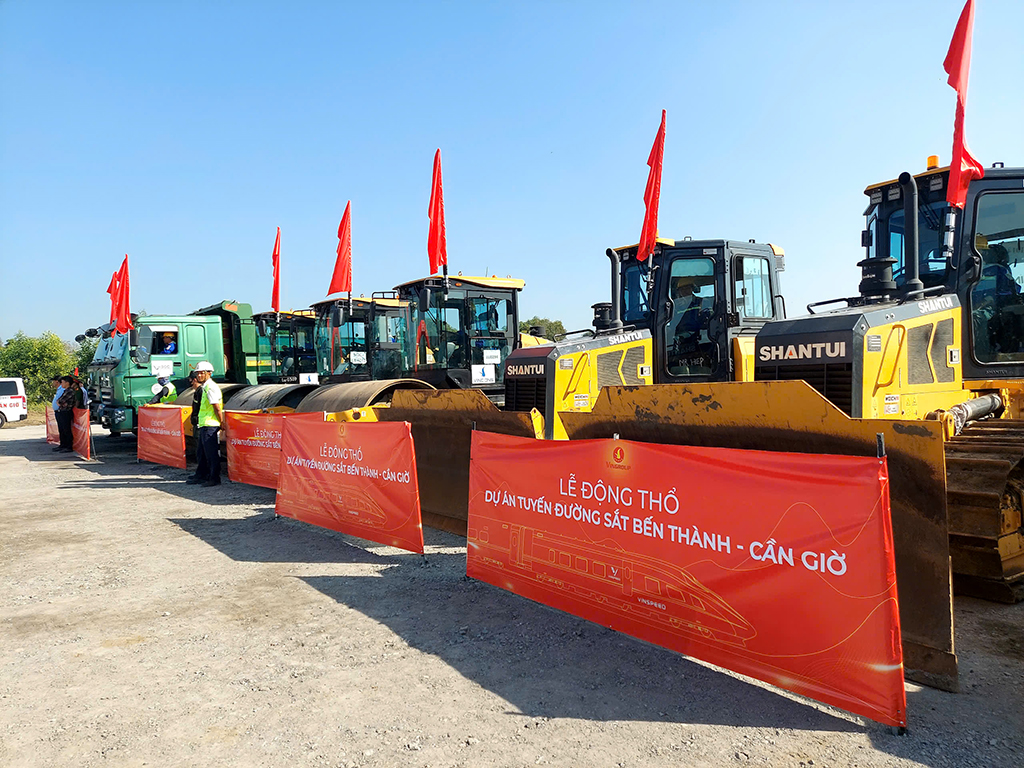
Speaking at the groundbreaking ceremony, Mr. Le Khac Hiep, Vice Chairman of Vingroup , said: The Ben Thanh - Can Gio railway line starts from Ben Thanh - the center of history, culture, and vibrant urban life; and ends at Vinhomes Green Paradise Can Gio - a potential ecological area of the city. With a design speed of 350 km/hour, when the project begins commercial operation - expected in the fourth quarter of 2028 - it will contribute to realizing the national transportation development strategy, while opening up new development space for Ho Chi Minh City - a sustainable, green, and prosperous space based on technology and knowledge. The Ben Thanh - Can Gio railway line, once operational, will help Ho Chi Minh City reach modern development standards of the region and the world, allowing people to fully enjoy the values of advanced, sustainable, and humane infrastructure.
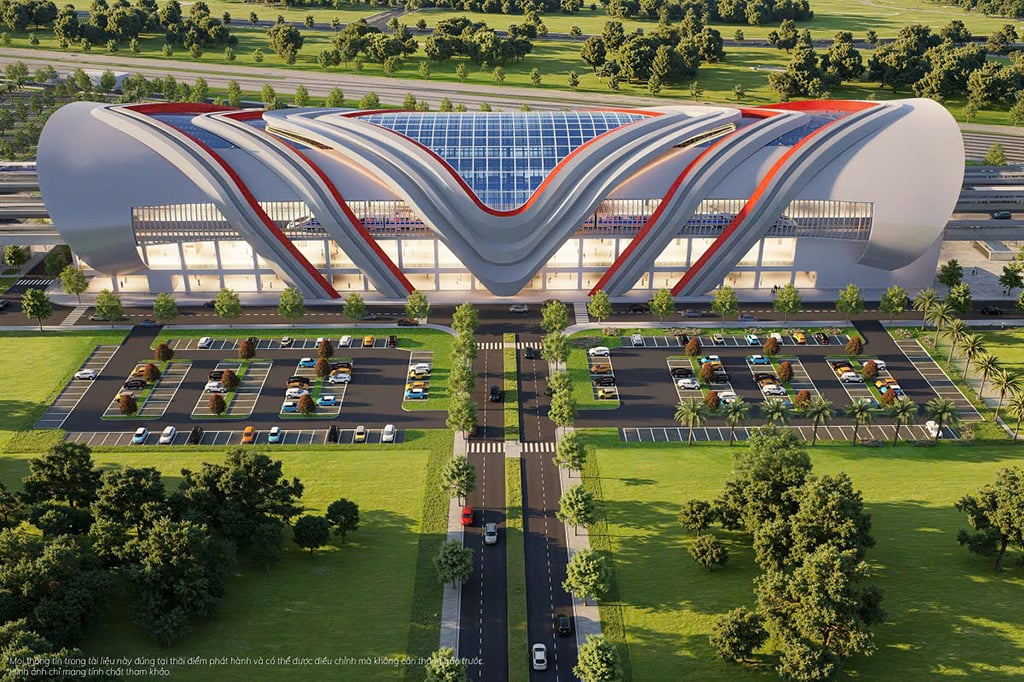
According to Vice Chairman of the Ho Chi Minh City People's Committee Bui Xuan Cuong: The groundbreaking ceremony for the Ben Thanh - Can Gio railway line is an event of special significance for the socio -economic development of Ho Chi Minh City and the southern key economic region in the new context, with new development spaces and strategic requirements for urban space, economic models and quality of life.
This is an exceptionally large-scale transportation infrastructure project, utilizing modern technology and complex engineering, with a significant impact on the socio-economic development, railway industry development, safety, and community benefits of Ho Chi Minh City. Simultaneously, it connects the city center with Can Gio and aims to connect with the Vung Tau coastal tourism urban area.
"More than just an infrastructure project, the Ben Thanh - Can Gio metro line is a testament to the spirit of innovation, a valuable tradition of the city, and demonstrates the city government's implementation capacity through harmonious coordination between the State and the private sector in accordance with Resolution 68. The project will be a new symbol of the city, ushering in a new era for the development of high-speed rail and the railway industry in Vietnam," Mr. Bui Xuan Cuong emphasized.
While the Ben Thanh - Can Gio metro line opens up new opportunities for Ho Chi Minh City to achieve breakthroughs in its maritime economy, the Ho Chi Minh City - Moc Bai expressway, which commenced construction on December 19th, contributes to the formation of an industrial-urban chain connecting Moc Bai - Ho Chi Minh City - Cai Mep - Thi Vai port, linked to the Trans-Asian economic corridor.
According to Mr. Nguyen Anh Minh, Director of the Ho Chi Minh City Investment and Construction Project Management Board for Transportation Works, the Ho Chi Minh City - Moc Bai Expressway project (phase 1) under the public-private partnership (BOT contract) method is a key national project. The route is nearly 51 km long, with a total investment of over 19,600 billion VND, and is expected to be completed by the end of 2027. With the expressway directly connecting to Tay Ninh, National Highway 22, which has been struggling with excessive traffic, will finally be free from its chronic congestion. The transportation infrastructure network connecting Ho Chi Minh City with the Moc Bai border gate will be officially complete and synchronized with the Ring Road 3 and Ring Road 4; contributing to the socio-economic development of Ho Chi Minh City, Tay Ninh, and the Southeast region.
Changing the landscape of urban traffic.
Also among the projects launched and inaugurated to celebrate the 14th National Congress of the Communist Party of Vietnam, two sections of Ho Chi Minh City's Ring Road 2, after years of congestion, have officially commenced construction. Upon completion of these two projects, the city's key ring road will have an additional 6 km. By the end of 2026, the 2.7 km section 3 of Ring Road 2 (from the Go Dua intersection to Pham Van Dong Street) is also expected to be completed, bringing the Ring Road 2 loop closer to completion and providing an escape route from traffic congestion at the eastern gateway.
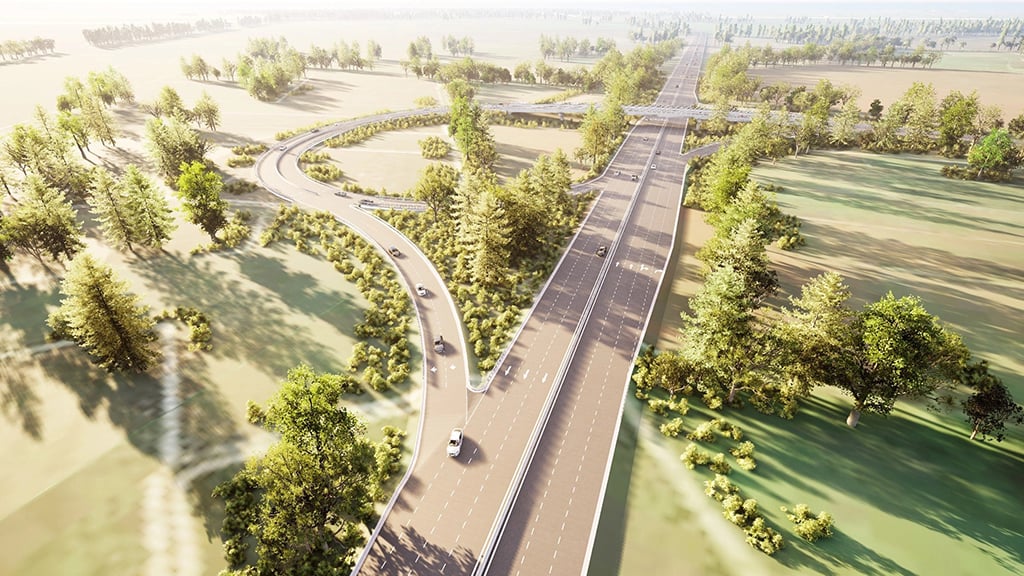
On the same day, the elevated section of Ho Chi Minh City's Ring Road 3, passing through the Vinhomes Grand Park urban area, spanning 14.7 km, was also opened for technical traffic. This was in addition to the previously completed 5 km section through Dong Nai, 3.1 km through Binh Duong, and 6.4 km through Tay Ninh. Authorities are also working diligently to complete the remaining sections and officially put them into operation soon to alleviate traffic congestion in the eastern region.
While expressways and ring roads shoulder the responsibility of connecting regions and relieving traffic congestion on the outer ring, traffic conditions within the inner city, including the southern area and the core of the former District 4 and District 1, are also expected to be transformed after the completion of the Nguyen Khoai bridge and road project. With a total investment of 3,724 billion VND, the project includes a concrete overpass system over 2.5 km long connecting the former District 7 area, crossing the Te Canal and Ben Nghe Canal to the former District 1. Besides the main bridge, the project also includes a series of important connecting items such as an approach road over 1.1 km long, the Nguyen Khoai service road 626 m long; two Hoang Trong Mau service roads, each 222 m long and 9 m wide; and the renovation and expansion of Vo Van Kiet road towards the Ben Nghe Canal, 863 m long. According to the plan, Ho Chi Minh City will complete the project by the end of 2027. At that time, the Nguyen Khoai bridge and road will form a new traffic axis, facilitating seamless travel from District 7 to the old District 1, directly connecting to Vo Van Kiet Boulevard, helping to alleviate congestion on existing roads and contributing to the completion of the area's transportation infrastructure, promoting socio-economic development between the central districts and the southern area.
Furthermore, the construction of Canal Bridge No. 1 (Phu Dinh Ward) will meet the traffic needs in the area, reduce traffic congestion and accidents, and gradually implement the transportation development plan for District 8 (formerly) and Ho Chi Minh City. At the same time, it will improve the living environment and contribute to promoting socio-economic development in the area.
City leaders expect that the simultaneous commencement of a series of strategic infrastructure projects, with a determination to complete them on schedule, will transform the city's transportation system into a modern and civilized urban environment, creating a solid foundation for economic breakthroughs in the new phase.
The Ben Thanh - Can Gio Metro line aims to achieve a milestone in terms of progress.
VinSpeed plans to complete and put into operation the Ben Thanh - Can Gio metro line in 2028. If successful, this would be a new milestone in infrastructure construction progress in Vietnam.
To ensure the project's progress and quality, Vice Chairman of the Ho Chi Minh City People's Committee Bui Xuan Cuong requested that departments and agencies mobilize the entire political system, focusing on implementing investment and construction procedures, working with a "rush and queue" spirit, and minimizing the time required for related procedures under the city's responsibility to support investors. Local Party committees and authorities in the project areas must consider compensation and resettlement support as a key political task; mobilizing the entire political system to encourage public support, consensus, and land handover.
Source: https://ttbc-hcm.gov.vn/khoi-dong-loat-cong-trinh-thay-doi-dien-mao-giao-thong-tp-hcm-1020254.html































































Comment (0)