

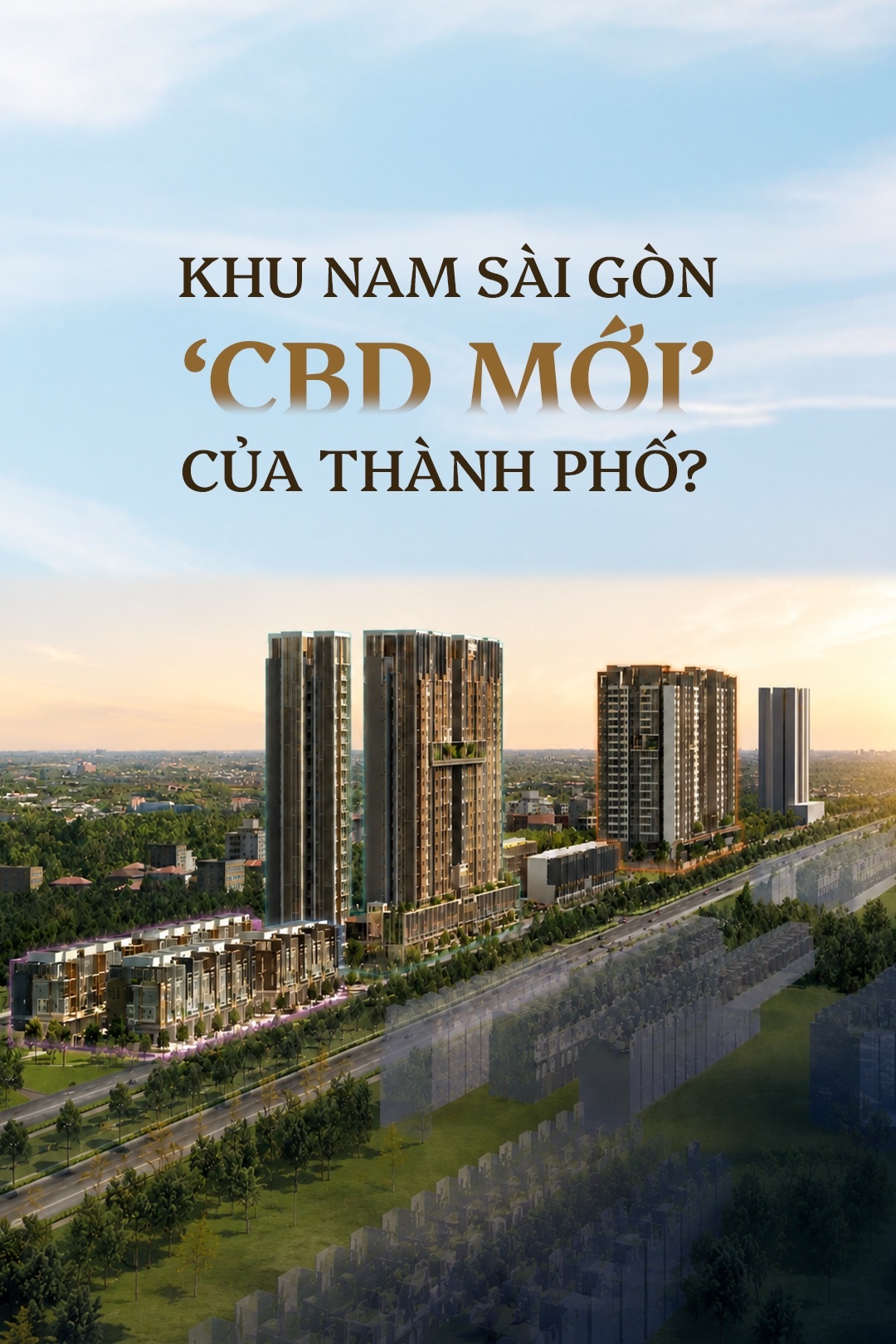
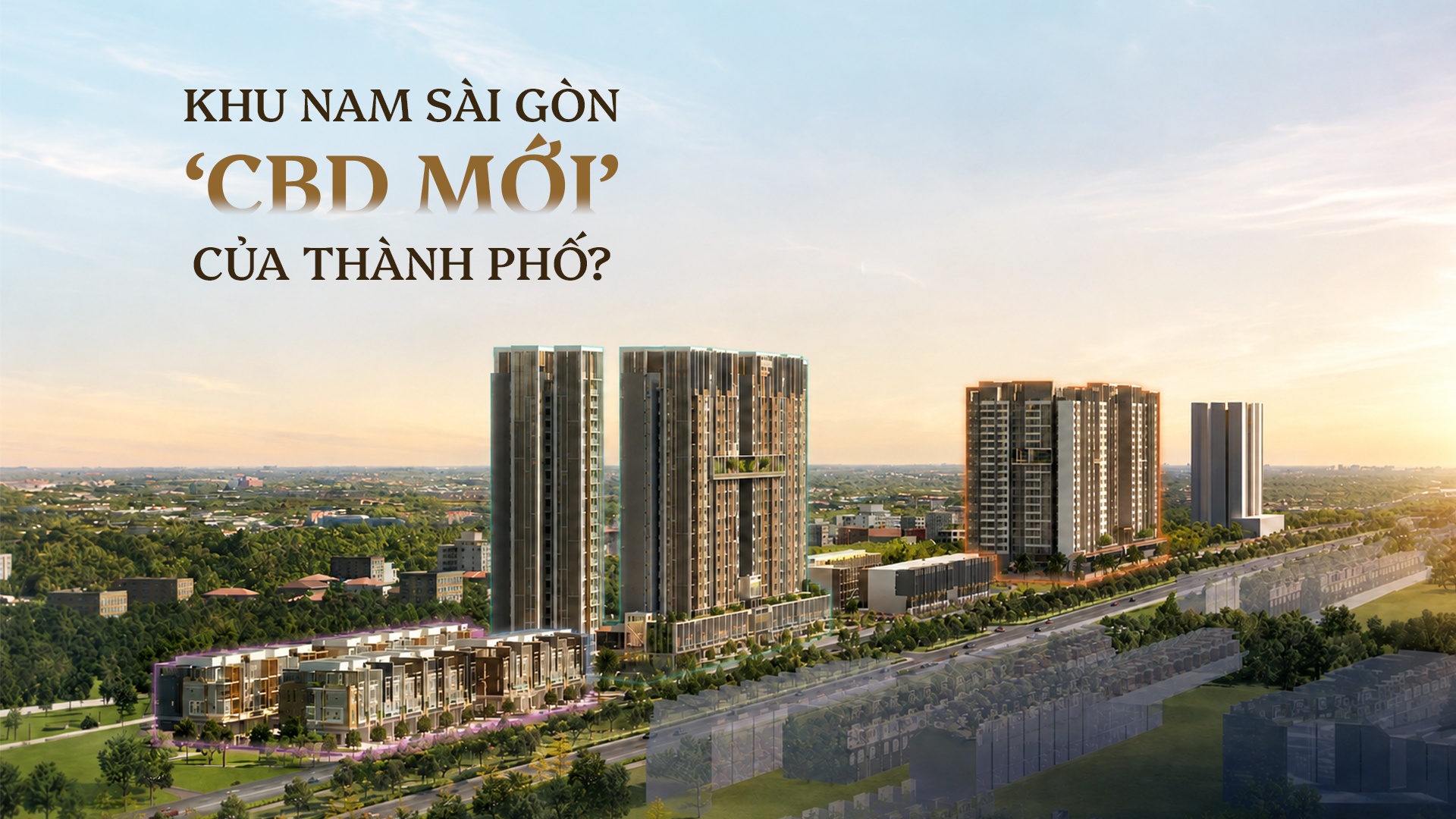
In line with the multipolar development trend of major cities worldwide , Ho Chi Minh City is gradually perfecting its urban structure towards a more balanced and sustainable direction.
In the development landscape of Ho Chi Minh City, the southern area is positioned as a strategic axis, continuously improving to become a modern urban center, possessing all the necessary elements of connectivity, amenities, and independent operational capacity.
In fact, besides changes in infrastructure and planning, the southern area has also witnessed the return of investment capital and the implementation of many large-scale projects recently. These developments are making the area one of the most sought-after locations in Ho Chi Minh City's new development cycle.
The southern area is currently undergoing transformations not only due to a single project or infrastructure line, but also from multiple simultaneous development drivers emerging in the same period. Among these, infrastructure is the factor creating the most noticeable changes.
A series of key projects such as Metro Line 4, the Ben Luc - Long Thanh Expressway, Ring Road 3, the North-South axis, and the planned expansion of Nguyen Huu Tho Street are being accelerated, helping the southern area increase its connectivity with the city center, the eastern area, the western region, and the future Long Thanh Airport.
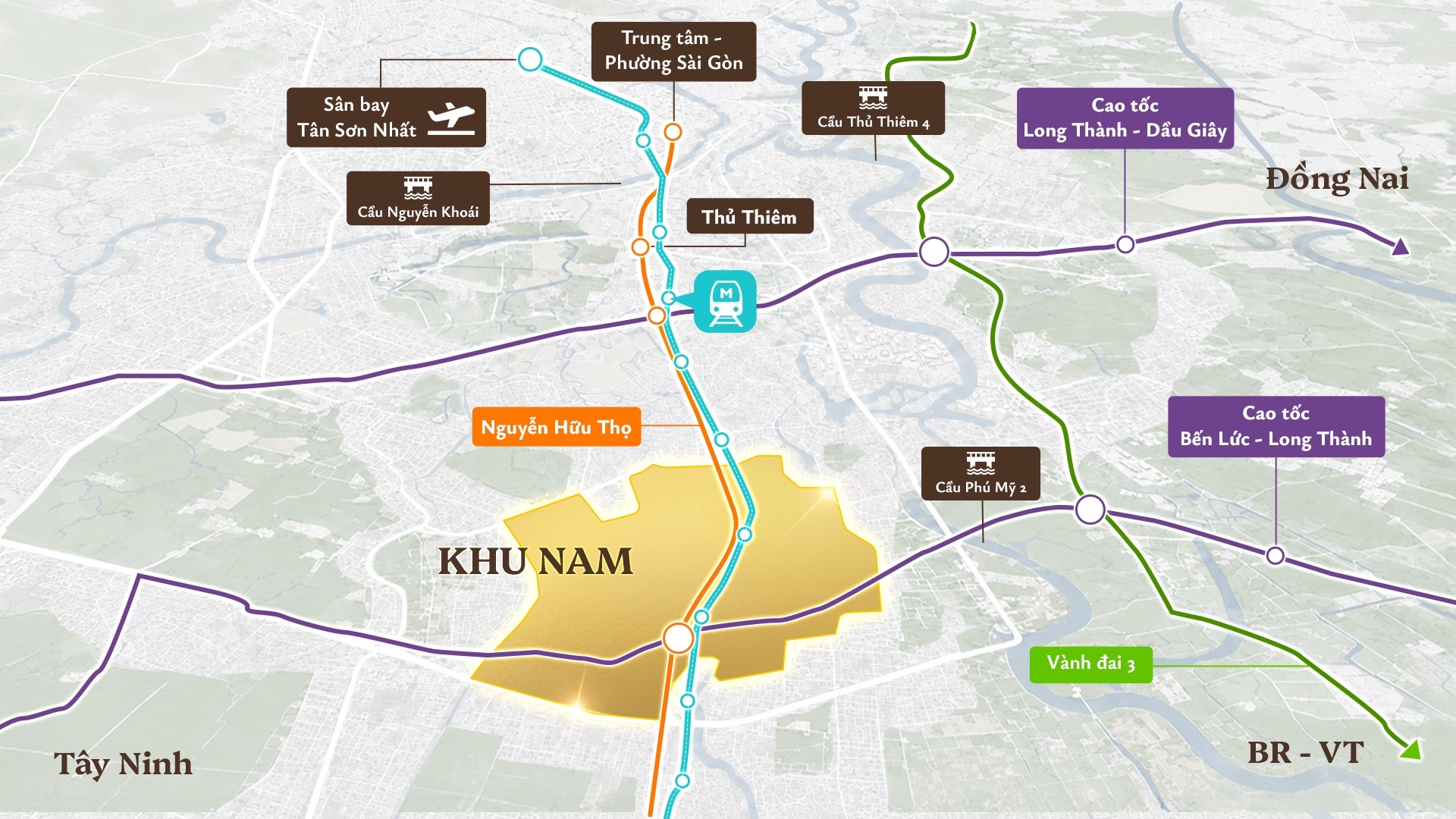 |
In addition, Ho Chi Minh City has also recently begun research on an elevated road along Nguyen Van Linh Street. The project is expected to contribute to upgrading connectivity and increasing traffic flow along the southern arterial road, while also enhancing links between Phu My Hung, Nha Be, Hiep Phuoc, the port system, and other strategic transportation routes.
As infrastructure gradually develops in a more interconnected way, residents' perceptions of geographical distance are also beginning to change. Instead of measuring distances in kilometers, the issue of connectivity is increasingly viewed from the perspective of travel time and multi-center accessibility.
Mr. Vo Huynh Tuan Kiet, Director and Head of Residential Project Marketing at CBRE Vietnam, made a noteworthy prediction: “In the next 5-10 years, the southern region will undergo significant changes in the distribution of multi-centered urban clusters. This factor will make choosing where to live easier and more diverse. At that time, living further from the city center, sacrificing about 15-20 minutes of travel time, will become commonplace.”
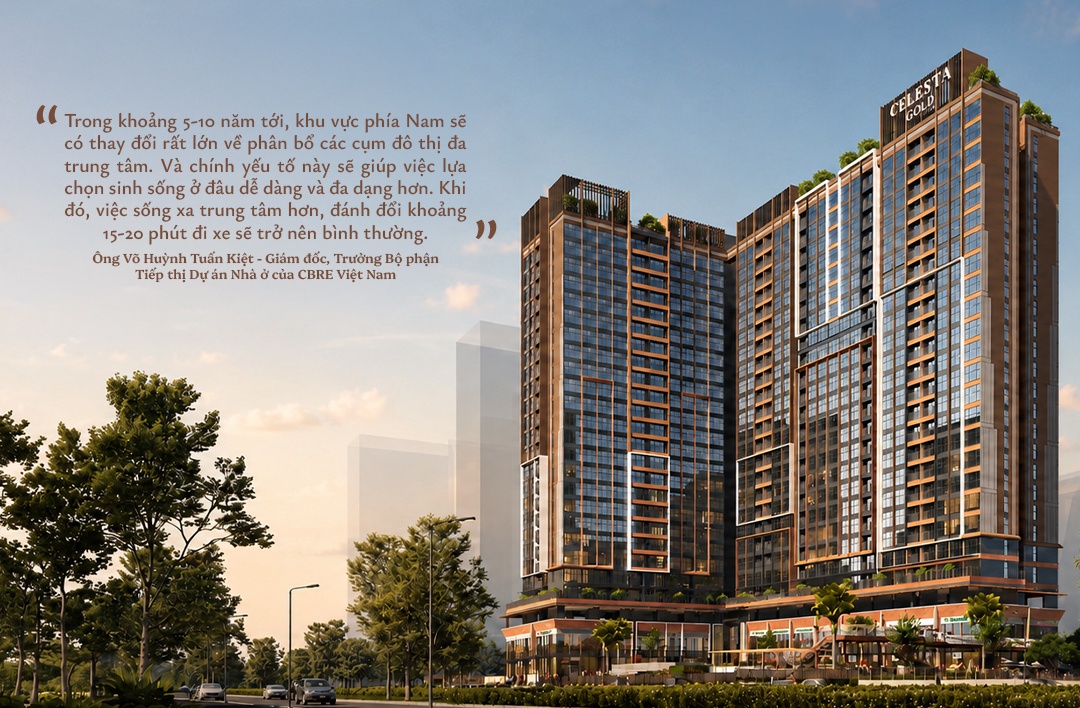
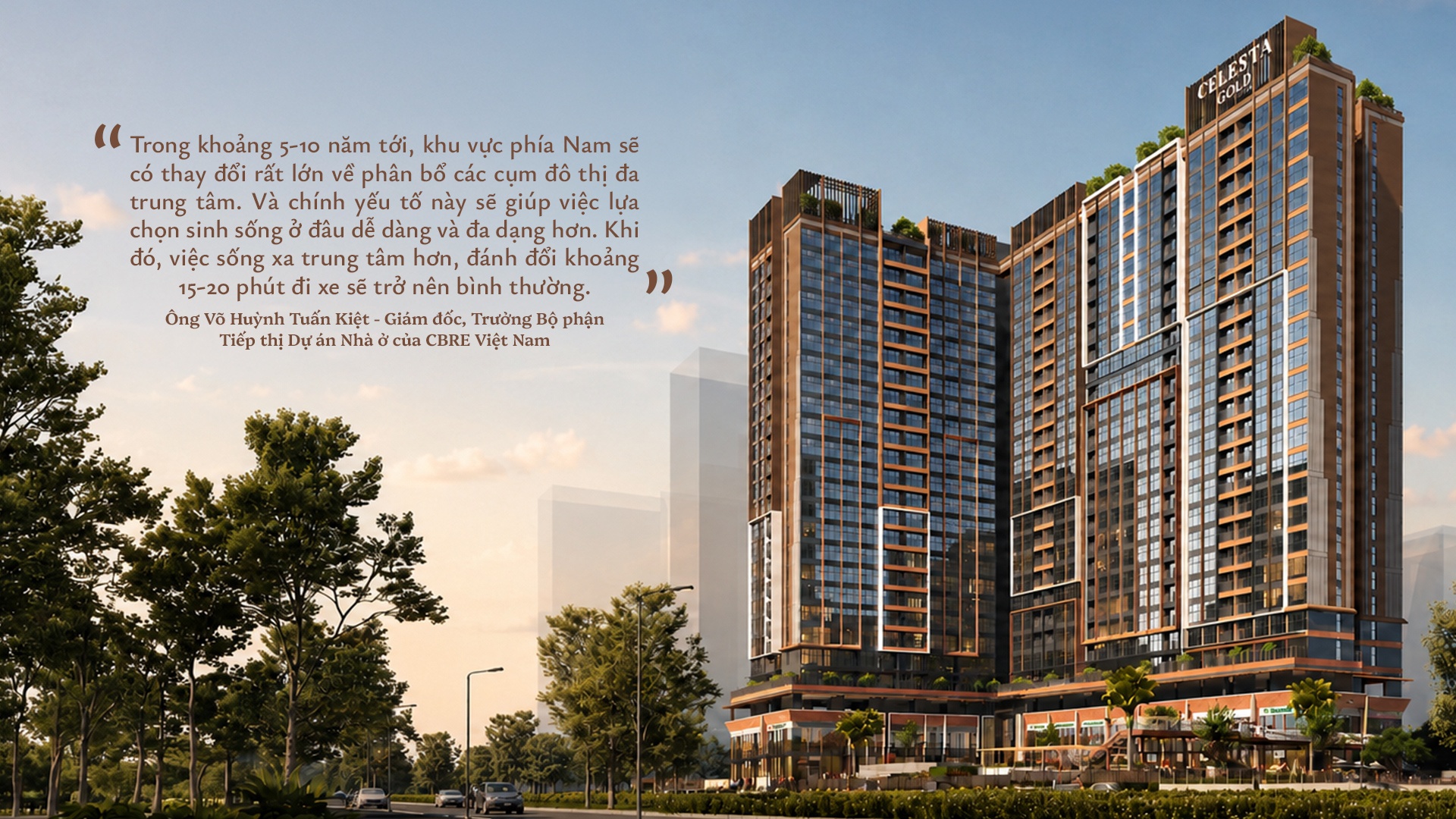
Alongside infrastructure development, the market has also seen the return of many major developers along axes such as Nguyen Huu Tho, Nguyen Van Linh, and the Nha Be area. While in the past, the southern area primarily focused on expanding housing supply, the market is now gradually shifting towards developing integrated urban ecosystems with long-term residential communities.
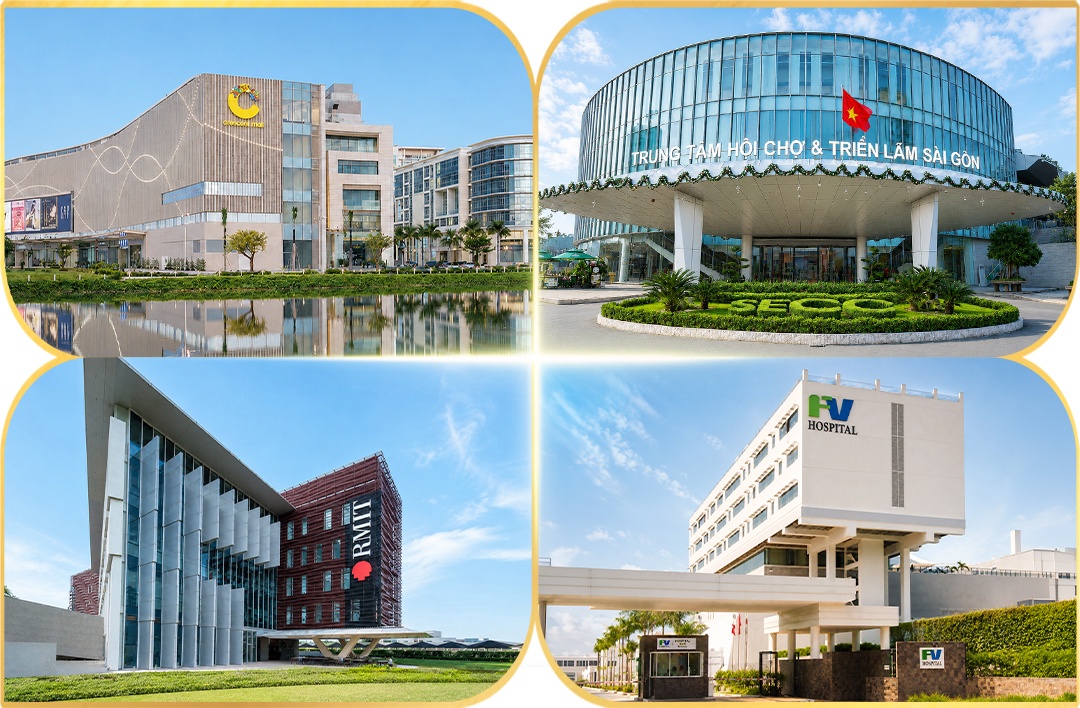
After decades of development, the southern area has established a complete urban ecosystem with robust independent operational capabilities.
Unlike many areas that are simply experiencing population expansion, South Saigon possesses all the components of a modern urban center: an international education system (RMIT University, Fulbright University, Canadian International School, Viet-Australian School, Renaissance School...), high-quality healthcare (FV Hospital, Tam Duc Heart Hospital), large shopping malls (Crescent Mall, SC VivoCity), and exhibition and conference spaces like SECC... It is also one of the few areas in Ho Chi Minh City that has early on formed a highly international community with a distinctly modern urban living environment.
Beyond being just a residential area, the southern part of the city is expanding its role as a new commercial and service hub. The presence of numerous Grade A office buildings and the choice of major corporations like Unilever and VNG as their headquarters in South Saigon demonstrates a gradual shift of economic activities towards urban areas with better operational quality and longer-term development potential.
 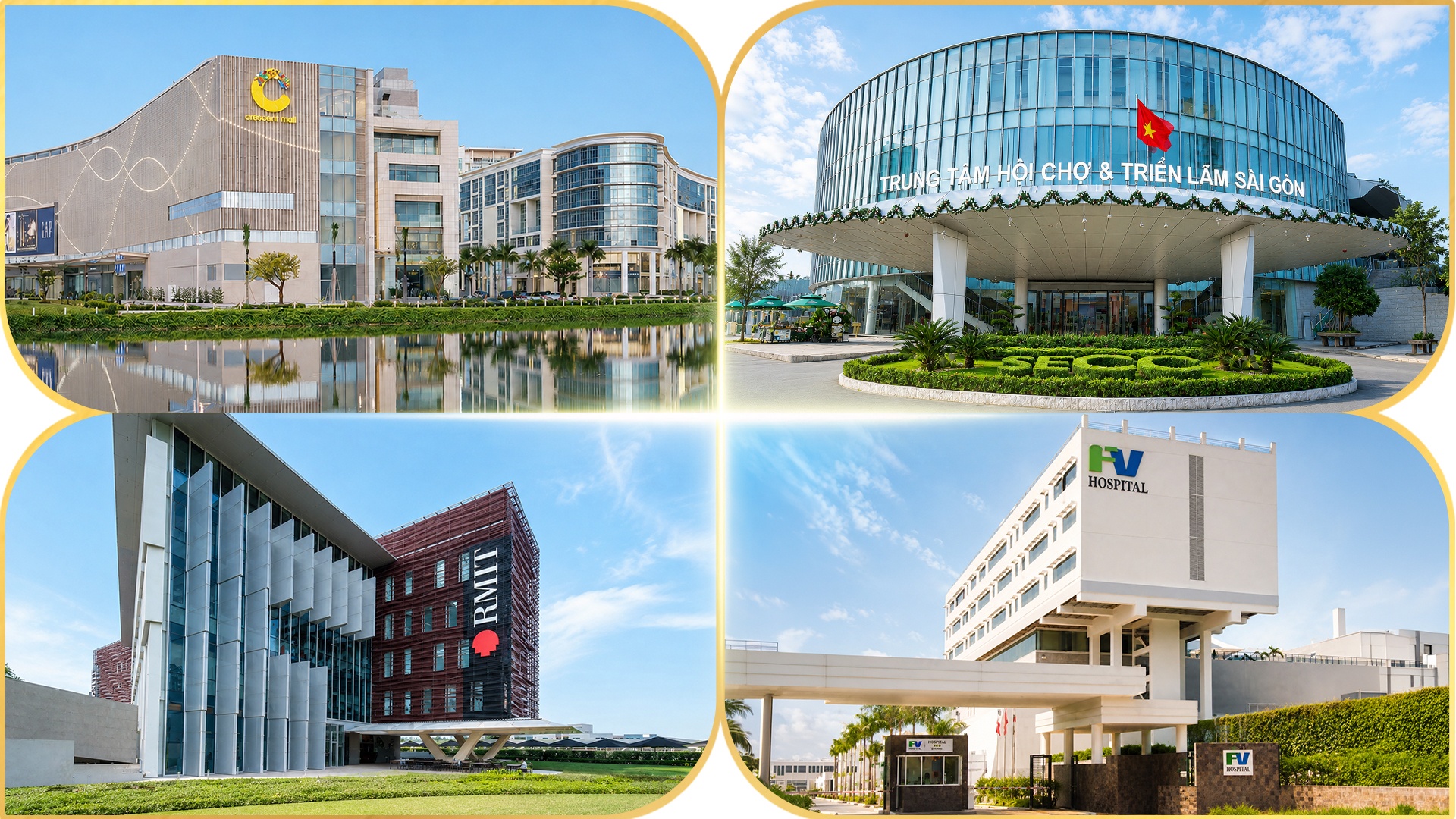 |
Besides its gradually improving infrastructure, the southern area also boasts advantages in terms of living space and natural ecosystem. Compared to many other areas of Ho Chi Minh City, the southern area, especially Nha Be, still has ample land, a natural canal system, and a high density of green spaces. This is also an important foundation that gives the area significant potential for developing eco-urban models in the long term.
According to the strategic planning orientation, the southern area will develop according to the model of a smart ecological city with the characteristics of the Southern Vietnamese riverine landscape, focusing on areas such as knowledge-based economy, trade and services, education, exhibitions and trade fairs, entertainment, logistics and marine economy.
One of the clearest indicators of a new development cycle in the southern area is the strong return of major developers after a period of market stagnation.
According to data from DKRA Group, by the end of Q1 2026, the southern area recorded more than 105 apartment projects under construction and on sale, supplying over 14,000 apartments to the market. Although primary market prices remained high, with many projects exceeding VND 70 million/m2, sales rates consistently exceeded 50%. This indicates that the market is gradually recognizing South Saigon as a residential and investment destination with its own growth potential.
This trend is also reflected in the increasingly strong presence of major developers in the southern area. Along strategic axes such as Nguyen Huu Tho and the Nha Be area, the market continuously records large-scale investment plans from both domestic and international businesses.
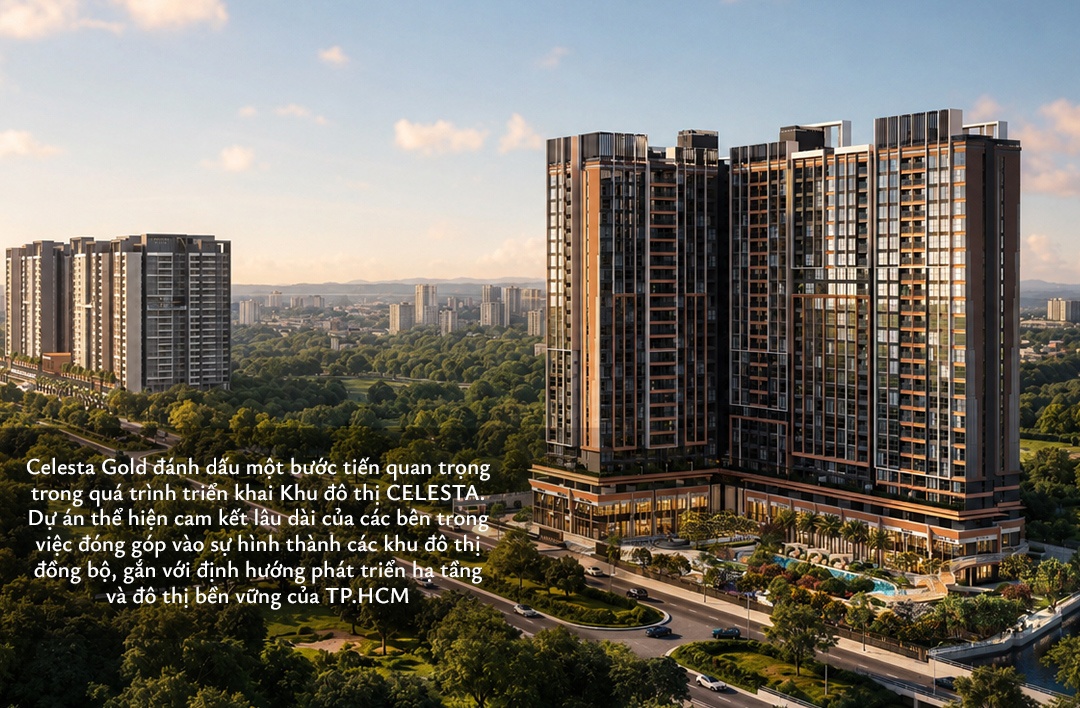
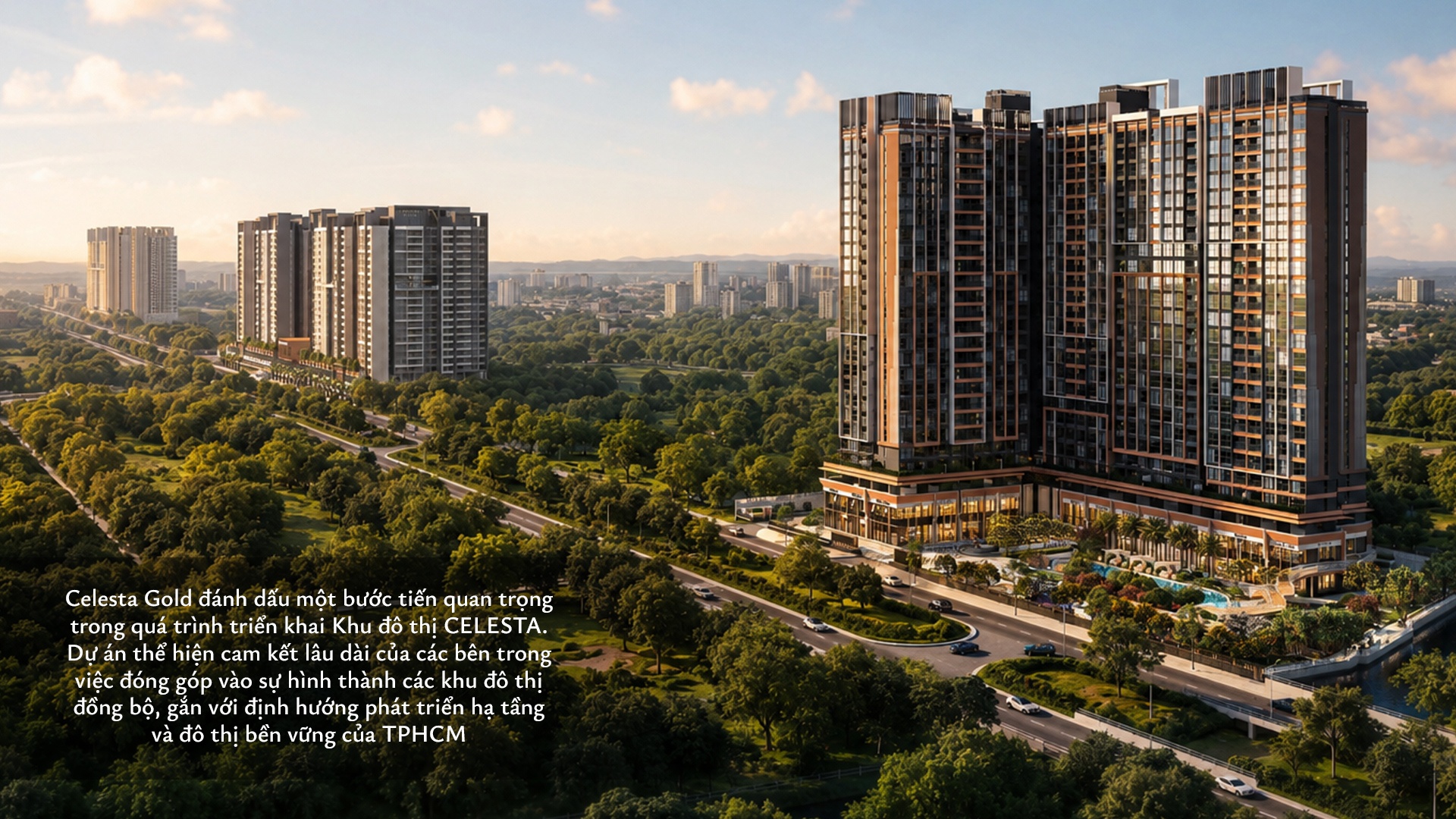
Notably, Keppel is also continuing to expand the Celesta urban ecosystem with the Celesta Gold project in partnership with Phu Long and Nomura Real Estate Vietnam on Nguyen Huu Tho Street – an area directly benefiting from a series of new infrastructure connections.
The key difference in the current cycle lies in the fact that developers are no longer approaching the southern area with a short-term mindset. Instead of focusing on sales speed or price appreciation, many projects are being invested in with a longer-term perspective, emphasizing integrated planning, operational quality, and the ability to create sustainable residential communities over time.
Celesta Urban Area is one of the projects that clearly reflects this new market development trend. The project is developed as an expansion of the ecosystem from the previously established Celesta Rise and Celesta Avenue projects, demonstrating Keppel's investment orientation not limited to a single project, but aimed at building a long-term living environment and community.
The increasing presence of major developers also partly reflects the belief that the southern area is entering a more robust development cycle, where growth value comes not only from infrastructure, but also through the formation of new living standards and urban ecosystems in Ho Chi Minh City.
Source: https://znews.vn/khu-nam-sai-gon-cbd-moi-cua-thanh-pho-post1654904.html


![[Image] Nearly 125,000 Hanoi students completed the Literature exam for the 10th grade entrance exam.](https://vphoto.vietnam.vn/thumb/1200x675/vietnam/resource/IMAGE/2026/05/30/1780117233041_ndo_br_thiet-ke-chua-co-ten-2-png.webp)







































































Comment (0)