

The current market offers a wide variety of True Wireless earbuds with different features and price points, making the selection process quite challenging. How can you find the right pair of earbuds to suit your needs and budget? This article will share some essential tips to help you better understand the important criteria when choosing True Wireless earbuds.
What are True Wireless earbuds?
True Wireless (TWS) headphones are completely wireless headphones, using no wires connecting the two earbuds or the music player. This refers only to headphones with two separate earbuds, excluding Bluetooth-enabled over-ear headphones.
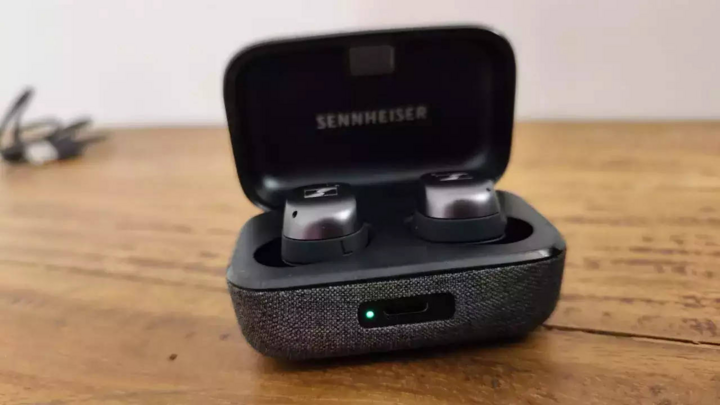
TWS refers to a type of earphone with two separate earbuds stored in a charging case. (Image: Times Now)
This device operates via Bluetooth, allowing users to listen to music, make calls, and control devices easily without being hindered by wires or straps. TWS earbuds typically come with a compact charging case, which protects the earbuds and extends their battery life.
With their convenient design, true wireless earbuds are becoming increasingly popular, especially among young people and those who travel frequently.
Price
Price is the first and most important criterion when choosing True Wireless earbuds. The Vietnamese market is currently clearly divided into the following segments:
Under 1 million VND: This segment targets the general user with models like the Baseus WX5 or Soundpeats Free2 Classic. Despite the low price, these products still meet basic needs such as listening to music and making phone calls, but are limited in sound quality and advanced features. Within this segment, products priced under 500,000 VND are also emerging strongly recently.
From 1 to 3 million VND: This is the popular mid-range, with models like the JBL Tune 230 TWS or Sony WF-C510, offering better sound quality and possibly incorporating basic noise cancellation technology.
From 3 to 5 million VND: This segment currently includes products like the Sony WF-1000XM4 or Samsung Galaxy Buds 3, notable for their active noise cancellation (ANC) technology and premium sound quality. At this price point, users can easily access some flagship models from major brands.
Above 5 million VND: This is the high-end range, featuring products like Apple AirPods Pro 2 or Sennheiser Momentum True Wireless 4. These models offer advanced features, superior sound quality, lossless audio, and advanced ANC capabilities.
Style
When choosing True Wireless earbuds, style is the most important factor affecting the wearing experience. There are three main types: earbuds, in-ear, and TWS sports earbuds.
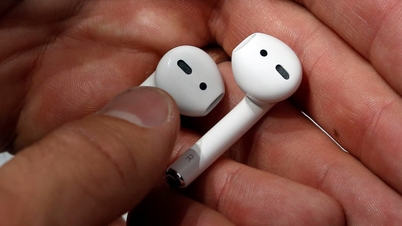
Earbuds: These typically have an open design, fitting snugly into the ear canal without completely sealing it. The most typical examples of this type are the standard AirPods models (2, 3, 4). This design allows you to still hear ambient sounds, making them suitable for outdoor activities and especially for comfortable long-term use. However, the drawback is that they offer less effective sound isolation, and the bass is often not as strong as in-ear headphones.
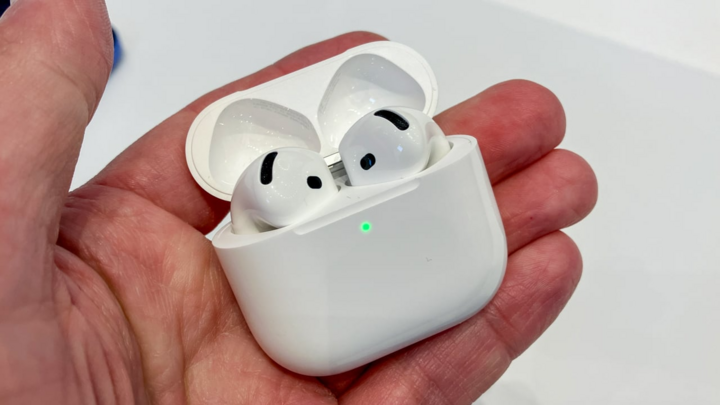
A prime example of earbuds is the AirPods 4. (Image: PCMag)
In-ear: Designed with silicone or foam ear tips, in-ear headphones fit deep into the ear canal, creating a tighter seal. This type of TWS (Two-Way Stereo) system enhances passive noise isolation, delivering detailed sound, especially bass. This style is suitable for listening to music in noisy environments or when concentration is needed. In-ear models also often offer better active noise cancellation, with AirPods Pro being a prime example. However, because they fit deep into the ear, prolonged wear can cause fatigue and ear pain. Additionally, you need to pay attention to the size of the ear tips and maintain more meticulous hygiene compared to earbuds.
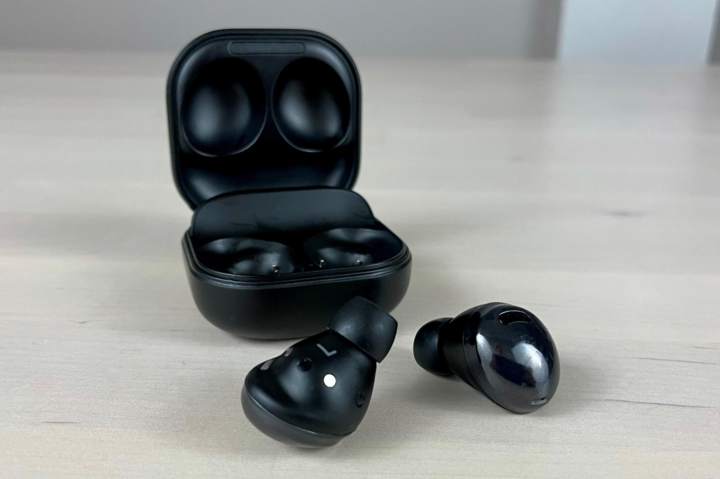
Meanwhile, in-ear headphones are designed to fit deep inside the ear canal. (Image: PC World)
Sports: These are usually open-design earbuds, but with added ear hooks for a secure fit during sports. They are typically comfortable to wear and have good battery life. Some products also offer certain levels of environmental and sweat resistance... A prime example is the Shokz OpenFit.
Sound quality
The sound quality of true wireless earbuds depends on two main factors: hardware and codec.
Hardware: The driver (speaker diaphragm) plays a crucial role in sound reproduction, converting electrical energy into vibrations to create sound. Common types of drivers include dynamic, balanced armature, or hybrid. Dynamic drivers typically deliver powerful bass, while balanced armature drivers reproduce sound with better detail. Some high-end models use hybrids to combine the advantages of both.
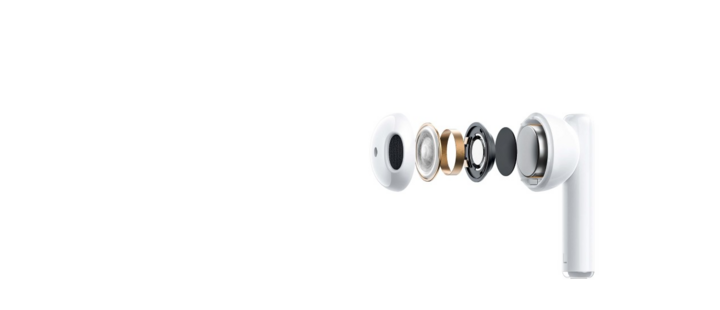
Driver size is also an important factor to consider. TWS drivers commonly range in size from 8 mm to 13 mm. Larger driver sizes, such as 13 mm, can generally produce stronger bass, as they can vibrate more air.
On the other hand, smaller drivers, such as 10 mm, may be better suited to genres that demand more precise and detailed sound, such as classical or jazz music. Smaller drivers can also provide better overall clarity and balance in the sound.
Codec: This is the audio encoding protocol between headphones and the playback device. Common codecs include SBC (basic), AAC (good for iOS), aptX (high quality for Android), and LDAC (Hi-Res compliant). Advanced codecs like aptX Adaptive or LDAC help deliver clear audio, reduce latency, and are suitable for serious music listeners.
Other important features for the audio experience include spatial audio integration and low latency (especially necessary when watching videos or playing games).
Battery and charging case
Battery life and charging case quality are two particularly important factors to consider when buying True Wireless earbuds if you plan to use them for an extended period.
Battery life: Prioritize models with long-lasting batteries from the start. Most current earbuds offer 4-8 hours of use per charge, totaling 20-30 hours with the charging case. However, lithium-ion batteries will wear down over time, reducing usage time. TWS earbuds are small, so having a good battery readily available will ensure longer usage.
Charging case (build quality): A sturdy, non-flimsy charging case will protect the earbuds better. A poorly designed case can easily cause the earbuds to fall out, damaging the internal components. Choose products with sturdy hinges and durable outer shells to ensure the safety of your earbuds during use and travel. Some models have a screen on the charging case, but in experience, most are just for show and not very practical.
Control
Modern true wireless earbuds are often equipped with touch controls or physical buttons, allowing users to easily operate them without needing to use their phone. You'll especially need to consider these features if you frequently use them while exercising, sleeping, or doing housework.
Touch controls: Common in mid-range and high-end headphones, with functions such as single tap to play/pause music, double tap to skip tracks or answer calls, long-press to activate the virtual assistant or noise cancellation (ANC) mode...
Physical buttons: These are commonly found on sports or budget headphones. They offer a solid, less prone to accidental presses, but can sometimes put pressure on the ear during operation. The advantage is that they are not affected by water or sweat.
Noise cancellation and connectivity
Modern TWS earphones typically incorporate two types of noise cancellation: active noise cancellation (ANC) and passive noise cancellation. ANC eliminates ambient noise using sound processing technology, ideal for crowded places or environments with distracting background noise such as air conditioning or airplane engines. Passive noise cancellation relies on the earbud design to physically block external sounds.
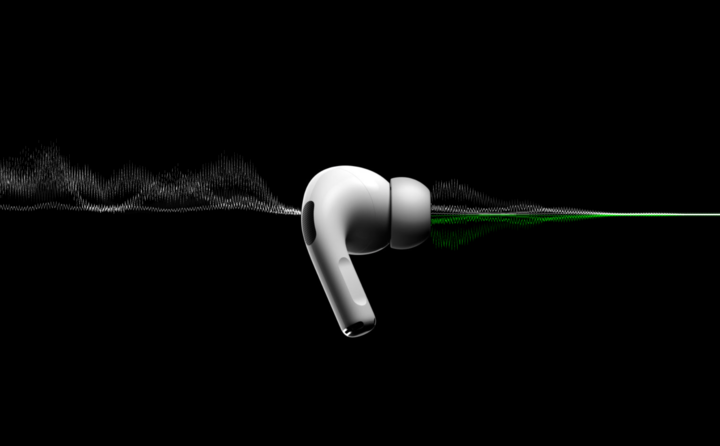
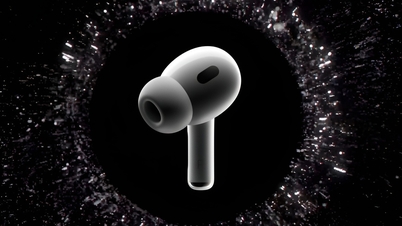
ANC works by listening to ambient sounds and then creating inverse sound waves to cancel out that noise. (Image: Apple)
However, based on experience, TWS earbuds often cannot match over-ear headphones in the same segment in terms of noise cancellation due to size limitations, so if you really prioritize noise cancellation, consider headphones.
In terms of connectivity, Bluetooth 5.4 and above are common, offering a more stable connection range and better battery life. High-end models often feature advanced Bluetooth chips from Qualcomm or Apple's H1, supporting codecs like aptX or LDAC, reducing latency and improving sound quality.
Source
![[Photo] General Secretary and President To Lam presides over a meeting on preparations for the review of one year of operation of the three-tiered government system.](https://vphoto.vietnam.vn/thumb/1200x675/vietnam/resource/IMAGE/2026/06/02/1780391821195_a1-bnd-4595-9717-jpg.webp)




















![[Image] Affirming the aspirations and new standards of the Vietnamese real estate market in the new era.](https://vphoto.vietnam.vn/thumb/1200x675/vietnam/resource/IMAGE/2026/06/03/1780441948766_giai-thuong-bat-dong-san-2026-minh-duy-6-7364-jpg.webp)








































































Comment (0)