

The merger of administrative units has created profound changes, not only in organizational structure but also in socio-cultural life. As geographical space expands, cultural regions with different characteristics converge, opening up opportunities to form inter-regional cultural spaces rich in identity.
Linking for growth
Observations in many localities such as Da Nang (newly established) and Lam Dong (newly established) show that cultural activities have been flexibly adjusted. From organizing festivals and managing heritage sites to building grassroots cultural institutions, everything has been reviewed and rearranged to suit the new scale. The expanded cultural space allows localities to organize larger-scale events, while also connecting heritage sites and creating a value chain to serve tourism development.
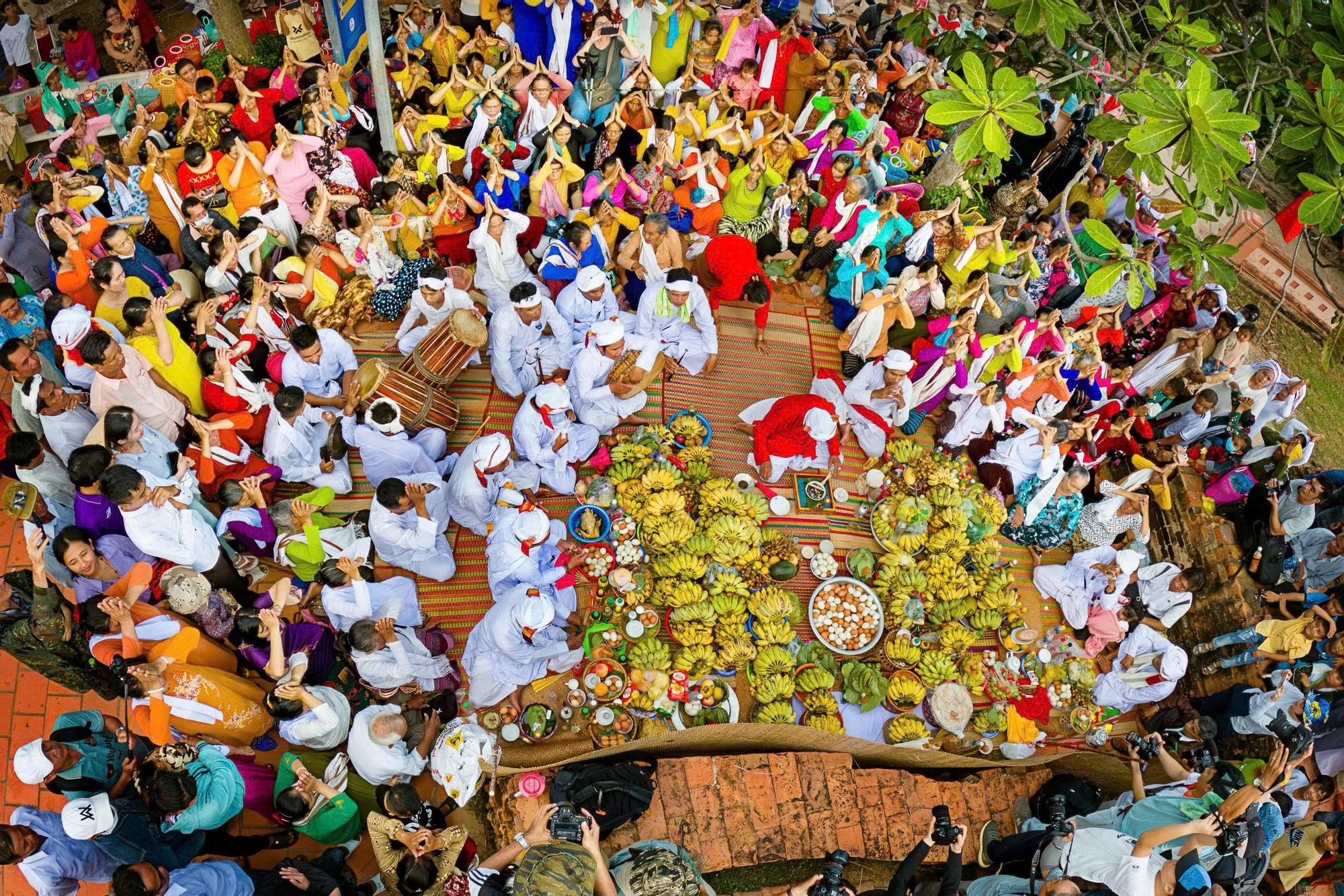
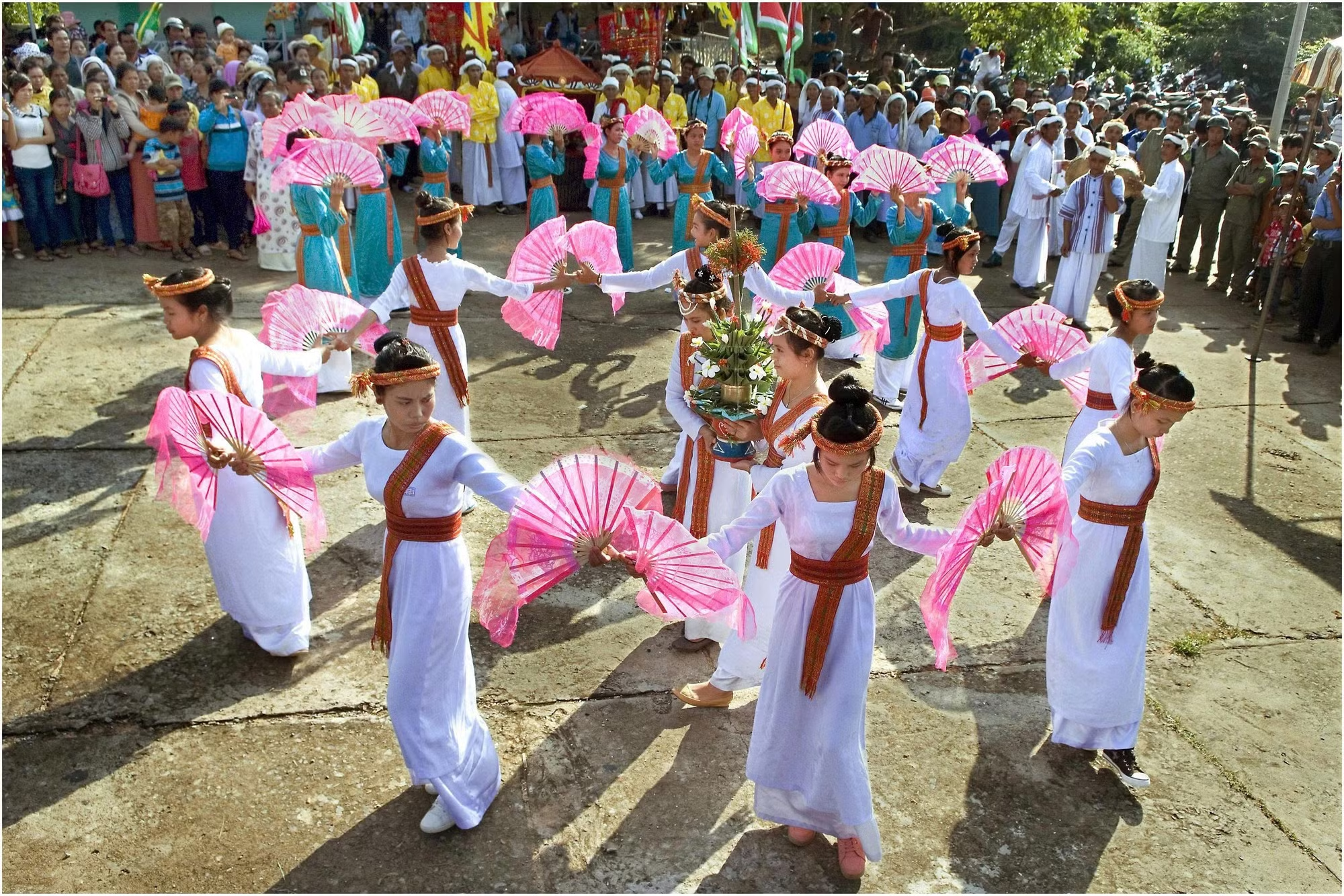
In Lam Dong province , following the merger, a diverse cultural space has emerged, reflecting the convergence of three distinct regions: the highlands, urban areas, and the coastal region. In the highlands, ethnic communities such as the Co Ho, Ma, Chu Ru, and M'Nong still preserve unique traditional values, including gong music, harvest festivals, and brocade weaving. Meanwhile, the city of Da Lat boasts a modern appearance while retaining international accolades such as the Central Highlands Gong Culture Space and the Lang Biang Biosphere Reserve. The coastal region adds a touch of maritime culture with fishing festivals, the worship of the Whale God, and the influence of Cham culture.
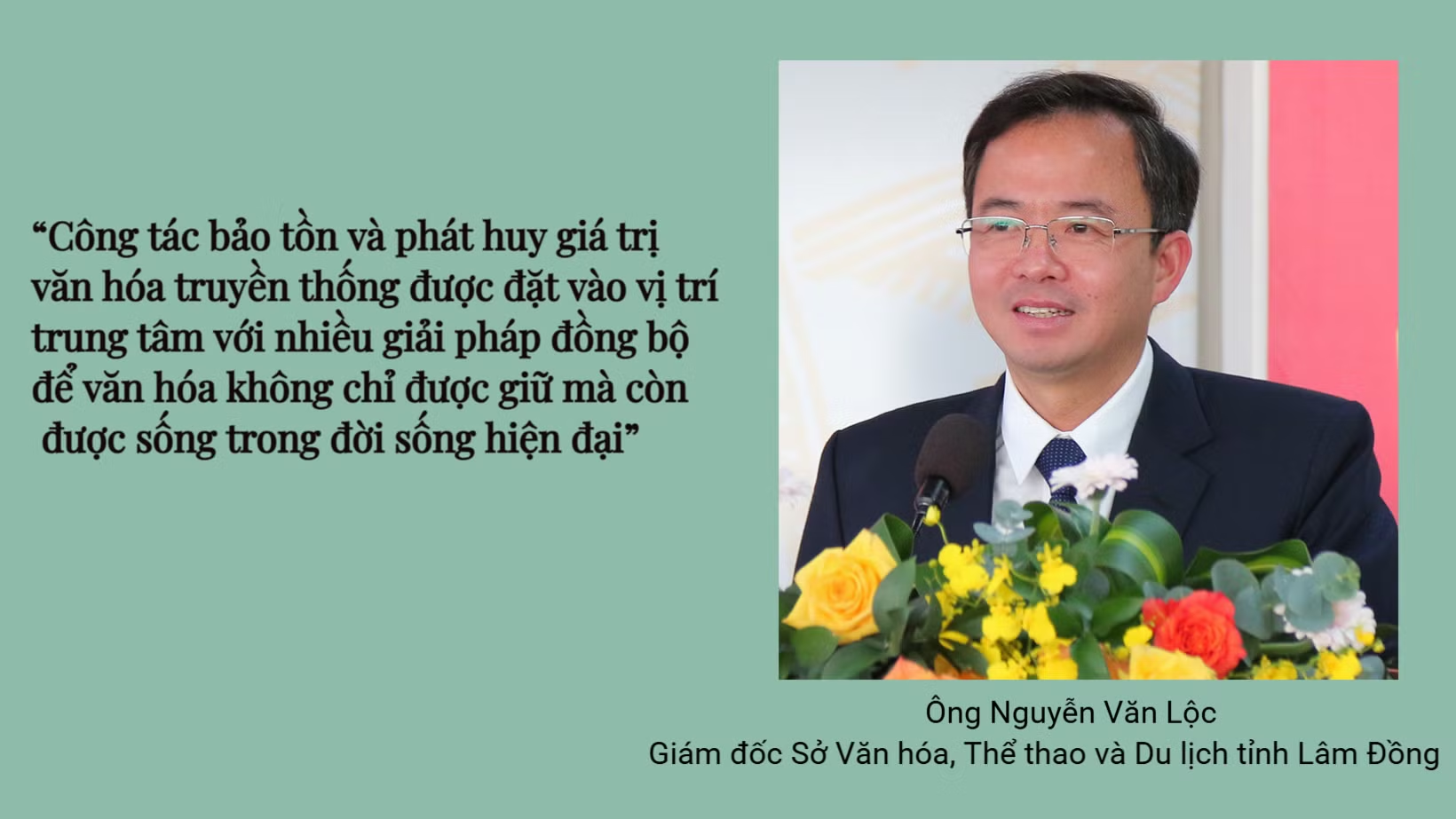
According to Mr. Nguyen Van Loc, Director of the Department of Culture, Sports and Tourism of Lam Dong province, immediately after the merger, the cultural sector clearly identified identity as the "soul" of the land. "The work of preserving and promoting traditional cultural values has been placed at the center with many synchronized solutions such as inventorying and digitizing heritage; honoring artisans; supporting the teaching of traditional crafts… so that culture is not only preserved but also thrives in modern life," Mr. Loc emphasized.
However, alongside the opportunities, many challenges are also gradually emerging. Urbanization and the impact of the market economy are putting many traditional values at risk of disappearing. The shortage of a new generation of artisans, limited investment resources, and changes in the perceptions of young people are posing long-term problems. How to prevent culture from being "diluted" while still promoting its value in the new context has become an urgent requirement for localities.
From leveraging heritage to shaping the cultural industry.
In the overall regional landscape, Da Nang stands before a "golden opportunity" to reposition its development model. Following the merger, the city not only expands its geographical space but also has the chance to shift from a traditional tourist city model to a creative city, where the cultural industry plays a new role as a growth engine.
With its rich heritage system including My Son Sanctuary, Hoi An Ancient Town, Cu Lao Cham Biosphere Reserve, Marble Mountains, and Marble Mountains, Da Nang has a crucial foundation for developing cultural tourism. These values have been and are being effectively preserved, enhanced, and exploited, contributing to the unique appeal of the locality.
Despite being reorganized into new administrative units, Hoi An's cultural space retains its cohesion and unique identity. Local people still emphasize the message of "3 wards, 1 street," with the ancient town along the Hoai River and Tan Hiep island commune, home to the Cu Lao Cham World Biosphere Reserve, as the "green lung" of the region.
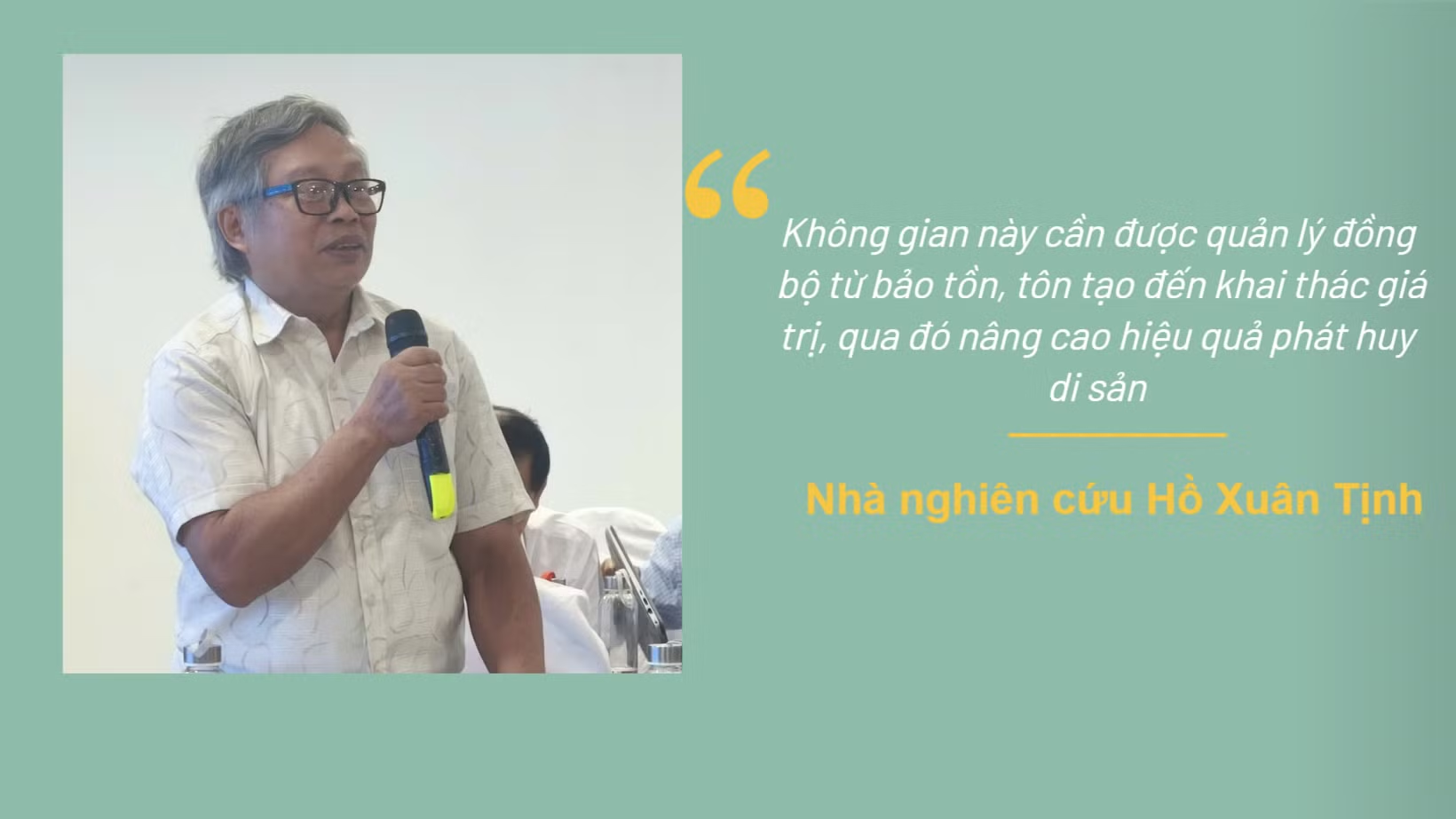
Researcher Ho Xuan Tinh proposed that, from the following arrangement, a unified "Hoi An cultural space" could be formed, extending from Cu Lao Cham to the ancient town and surrounding areas. "This space needs to be managed comprehensively, from preservation and restoration to value exploitation, thereby enhancing the effectiveness of heritage promotion," Mr. Tinh stated, while also suggesting the construction of heritage linkage chains, especially the system of Cham cultural relics, to increase experiential value and regional connectivity.
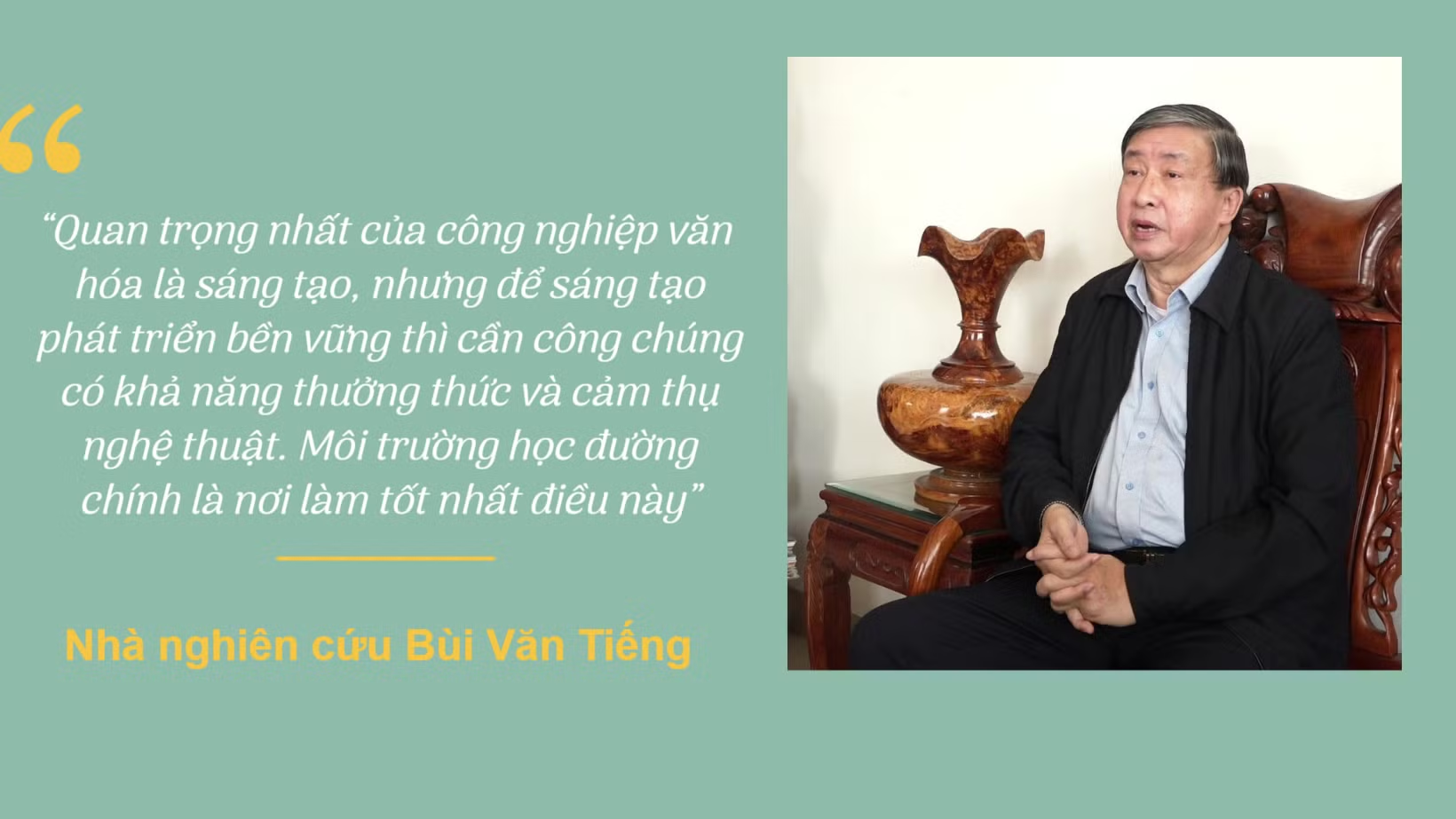
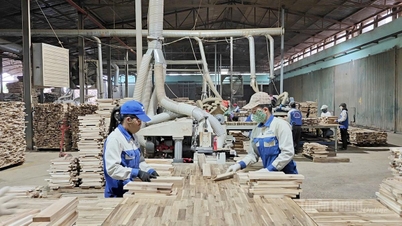
From the perspective of the cultural industry, researcher Bui Van Tieng observes that Da Nang has outstanding advantages in four areas: film, performing arts, handicrafts, and cultural tourism. The success of the Asian Film Festivals held in Da Nang, or the potential of traditional craft villages such as Kim Bong carpentry and Non Nuoc stone carving, are clear examples.
In particular, incorporating traditional art into schools is being seen as a strategic direction. According to Mr. Bui Van Tieng, this is a way to "train the audience," a core element for developing the cultural industry. "The most important aspect of the cultural industry is creativity, but for creativity to develop sustainably, the public needs to be able to appreciate and understand art. The school environment is the best place to do this," Mr. Tieng emphasized.
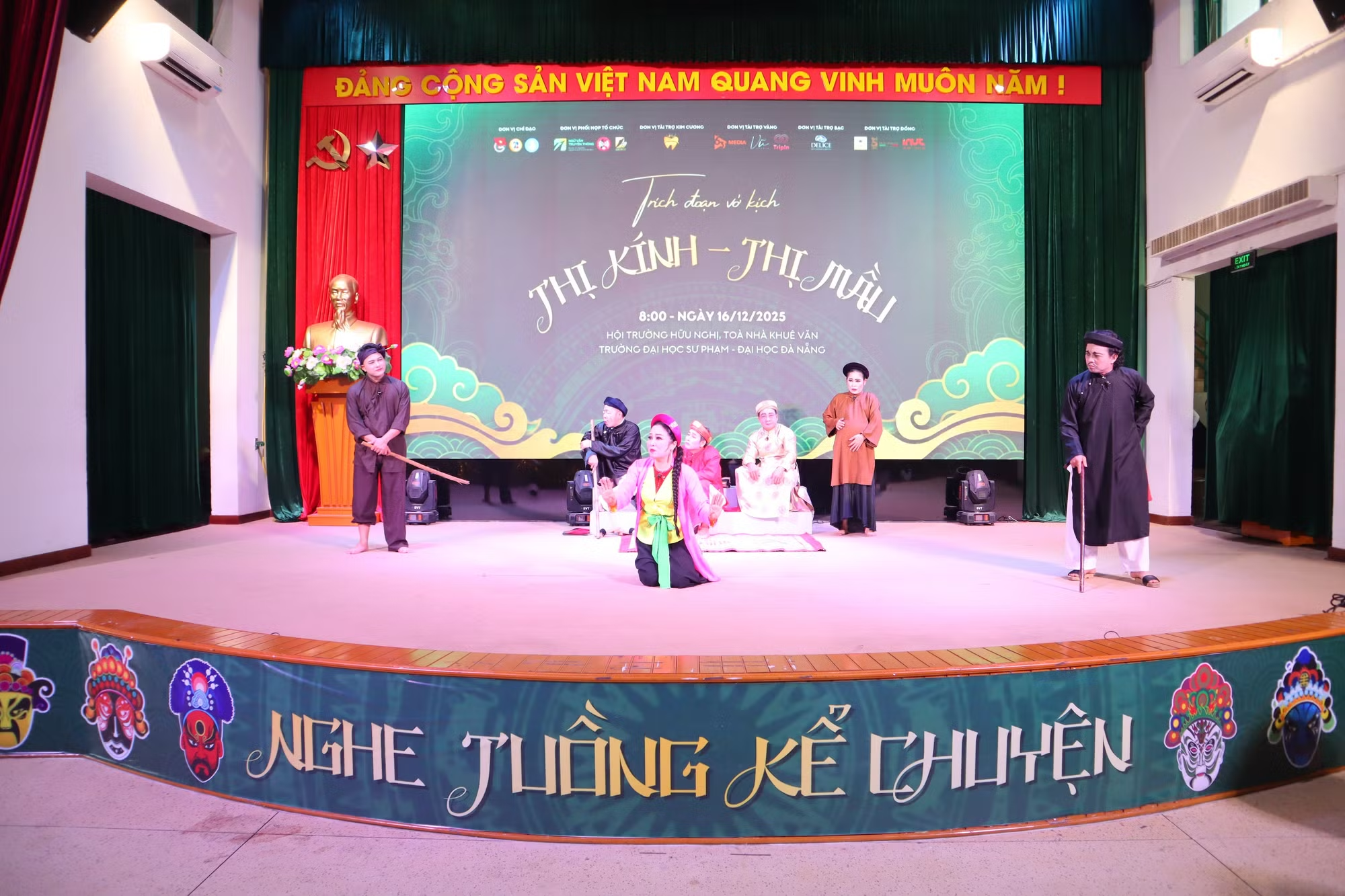
In reality, schools in Da Nang have shown that incorporating traditional Vietnamese opera (tuong) into their curriculum has yielded positive results. Students not only access this heritage through books but also directly experience and role-play it, thereby fostering a love for traditional art. From primary school to university, these art exchange and experiential programs are contributing to creating a generation of young people who understand and are proud of their national culture.
According to Mr. Nguyen Thanh Phuong, Deputy Director of the Da Nang Traditional Arts Theatre, in the context of the strong development of many modern forms of entertainment, Tuong, a scholarly art form, faces many difficulties in reaching young audiences. Therefore, introducing Tuong into schools is an important solution to create a new generation of audiences.
From a management perspective, Ms. Truong Thi Hong Hanh, Director of the Department of Culture, Sports and Tourism of Da Nang City, said that the city is selecting cultural industries with strengths to develop a development plan, while mobilizing social resources and encouraging the participation of businesses and the community. "The consensus and joint efforts of the entire society will create new growth momentum and bring unique experiences to residents and tourists," Ms. Hanh emphasized.
The strategy for developing Vietnam's cultural industries until 2030, with a vision to 2045, aims to have 10 cultural industries including: Film; Fine arts, photography and exhibitions; Performing arts; Software and entertainment games; Advertising; Handicrafts; Cultural tourism; Creative design; Television and radio broadcasting; and Publishing.
By 2030, cultural industries will contribute 7% to the country's GDP; revenue growth rate: 10%/year; export growth rate: 7%/year; and there will be 5-10 reputable brands in the international market.
Source: https://giaoducthoidai.vn/ky-1-danh-thuc-tai-nguyen-mem-post778295.html


![[Image] Hanoi's urban life under the challenge of a "scorching hot" environment](https://vphoto.vietnam.vn/thumb/1200x675/vietnam/resource/IMAGE/2026/05/25/1779706979265_nang-nong-t5-2026-minh-duy-7-4636-jpg.webp)


![[Image] Close-up view of the interchange connecting the two expressways and Long Thanh Airport.](https://vphoto.vietnam.vn/thumb/1200x675/vietnam/resource/IMAGE/2026/05/25/1779703378210_ndo_br_z7863716673926-224453a31600126cce10622af6290afd-4549-jpg.webp)










































































Comment (0)