

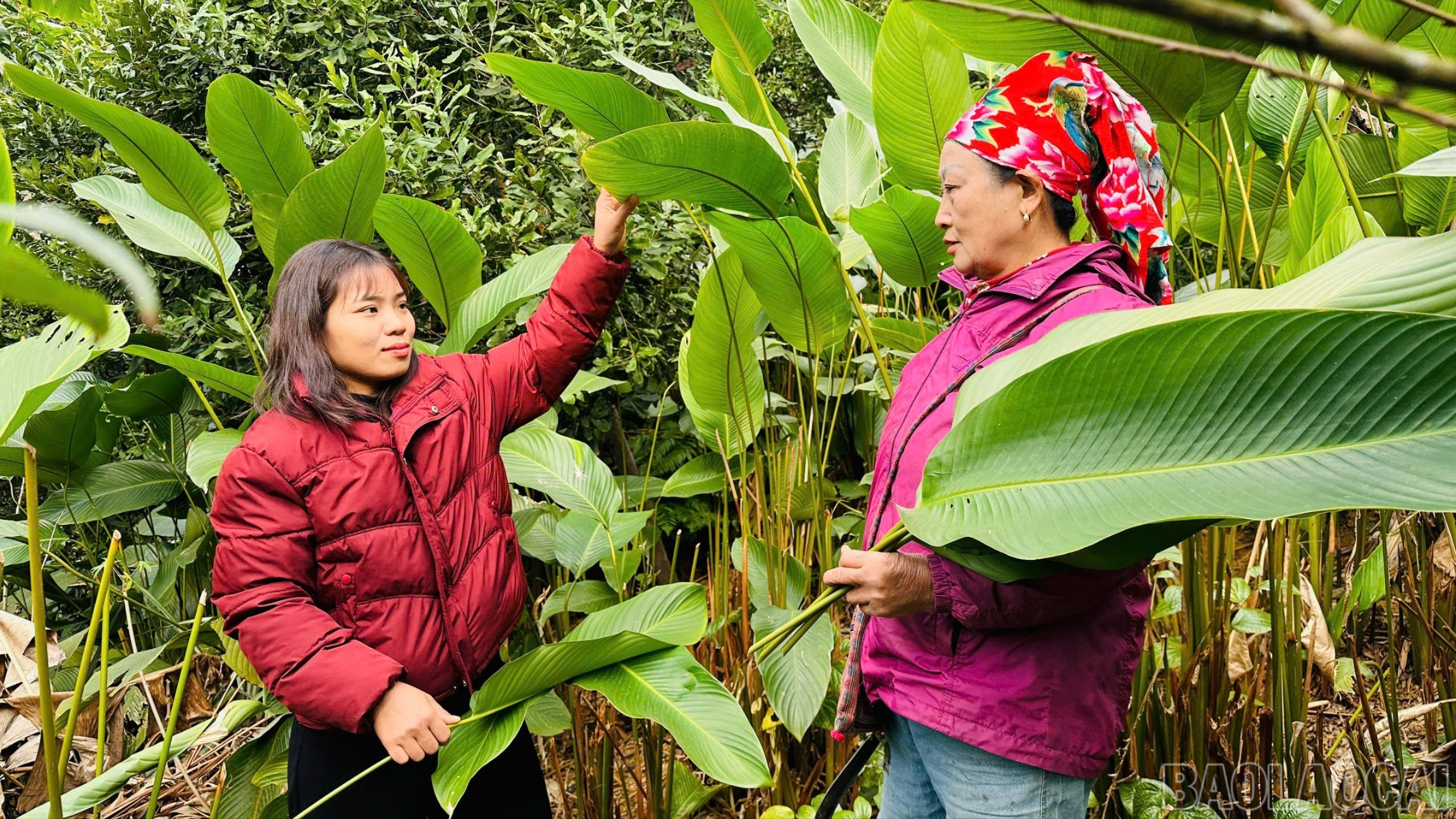
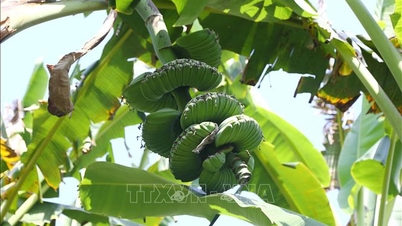
About a month before Tet (Lunar New Year), Ban Pho enters the peak season for harvesting banana leaves. Without any reminders or official signals, everyone in the village knows it's time to hurry up and cut the leaves. The usually slow pace of life in the village suddenly becomes more hectic.
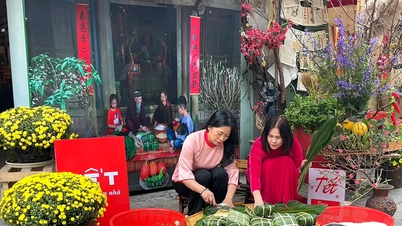
The banana leaves from Bản Pho are famous for being thick, wide, and long-lasting green, making them ideal for wrapping bánh chưng and bánh tẻ (traditional Vietnamese rice cakes), and therefore highly sought after in the market. As Tet (Vietnamese New Year) approaches, the work increases, and everyone rushes to cut as many banana leaves as possible to supply traders.
For Mrs. Tan Nghinh Lieu, a Dao woman over 60 years old, the season for collecting dong leaves is also her busiest time of year. "Before, I had to go into the forest all day to get the leaves, but now I bring the tubers back to plant around the house and along the fields. Every day, customers drive up in their cars to pick them up. Having money to prepare for Tet is a joy," Mrs. Lieu said.
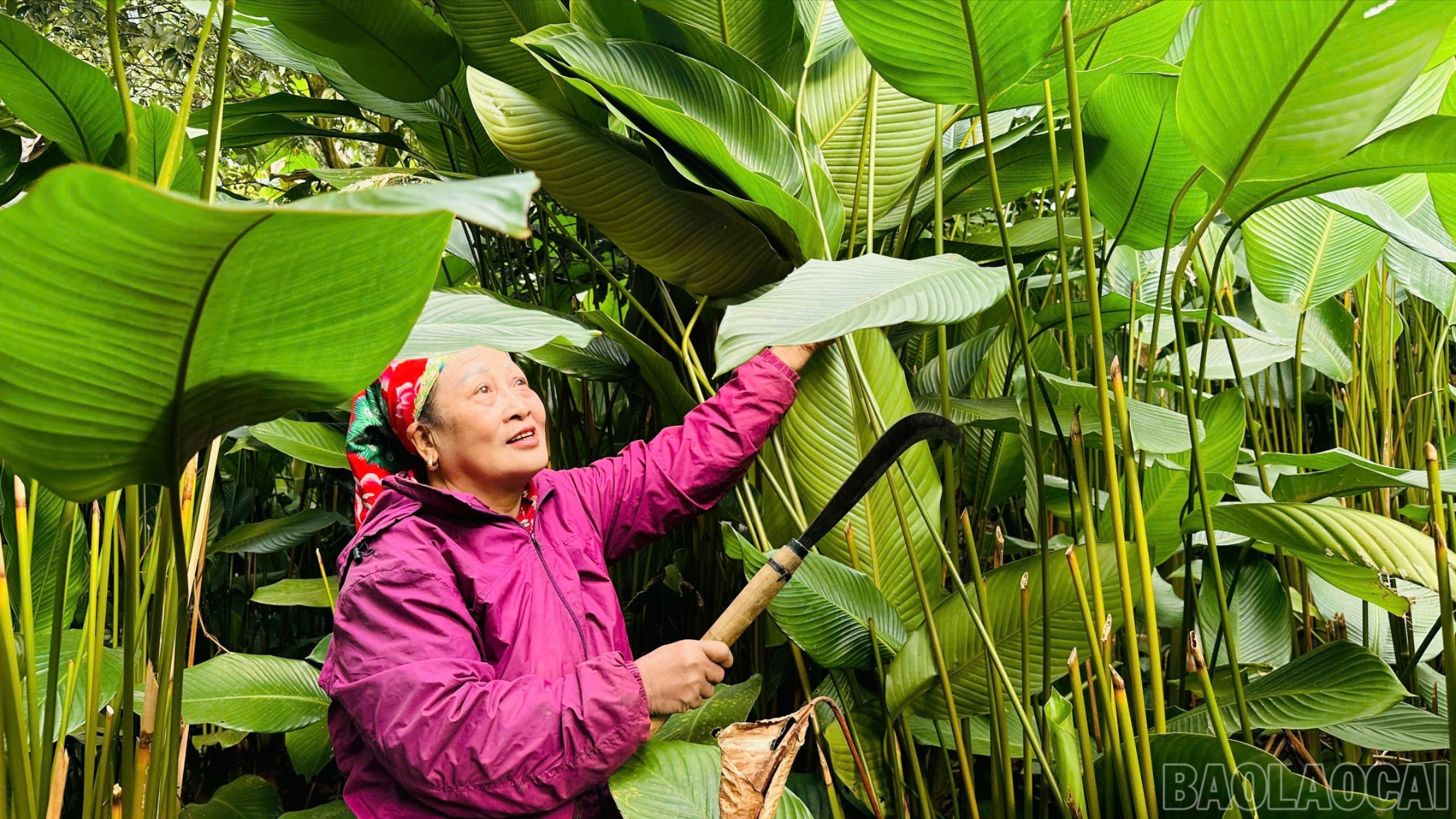
Mrs. Lieu's story reflects the shared livelihood of many households in Ban Pho village. Previously, dong leaves were only harvested from the forest. Each trip to the forest lasted a whole day, bringing in a few hundred thousand dong, or up to 1 million dong for those who earned more. But dong leaves in the forest are gradually becoming scarce, so people have proactively brought dong plants back to cultivate around their homes.
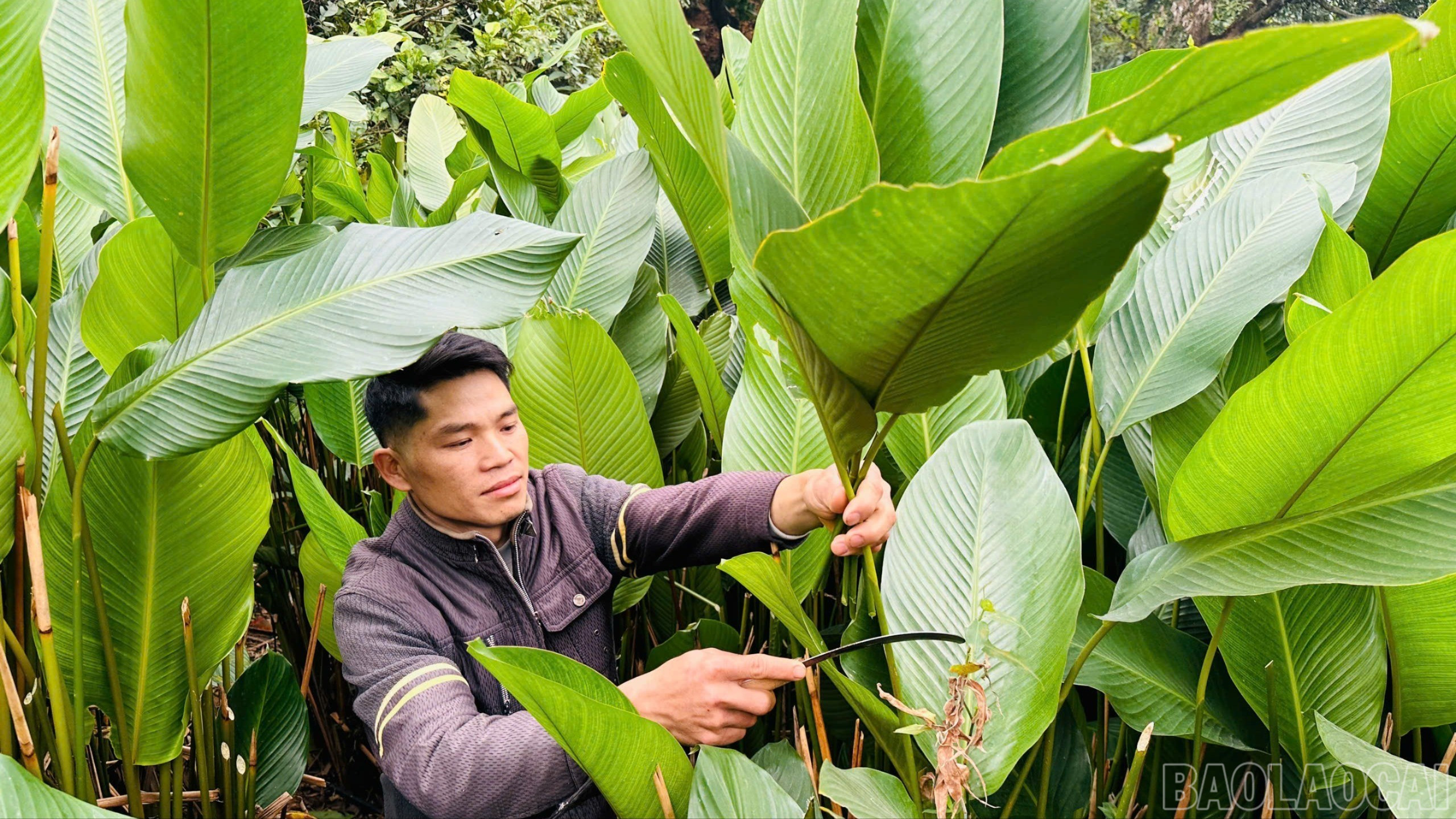
Dong leaves in Ban Pho village can be harvested year-round, with the peak season being during Tet (Lunar New Year). Tan A Phong, who grows many dong leaf plants, said: “Four years ago, I went into the forest to pick leaves, which was very hard work. After seeing that they could be sold, I dug up dong leaf plants and planted them around my house. This year, my family expects to sell about 5,000-6,000 leaves, earning around 15-20 million dong. That amount will be enough to cover Tet expenses for the family.”
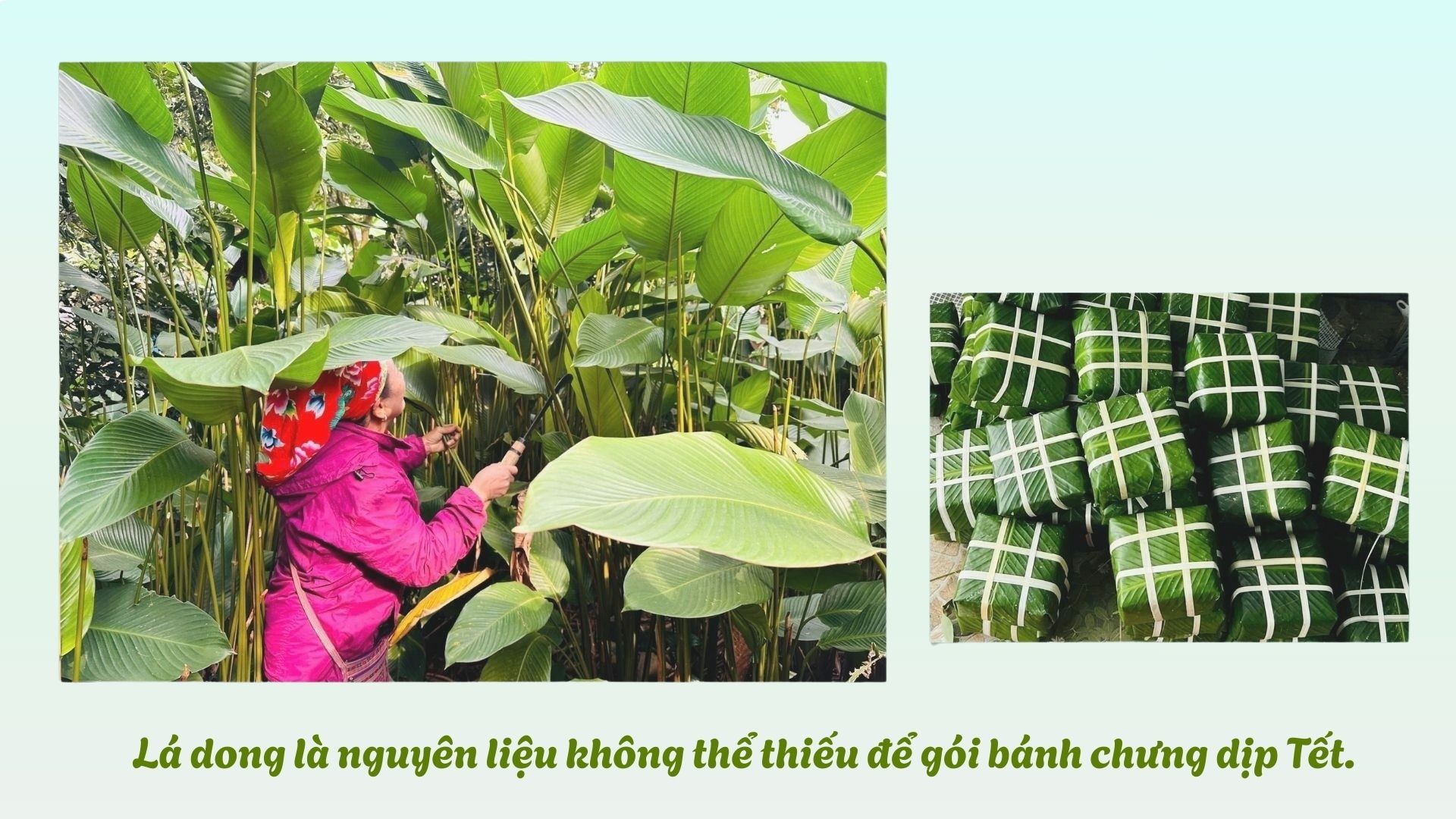
Not only the growers, but also the buyers are equally busy during this time. Tan A Ngoc, a local trader, said: "Every day I buy about 50 bundles (each bundle with 40 leaves) to send by truck to Hanoi , Hai Phong and neighboring provinces."
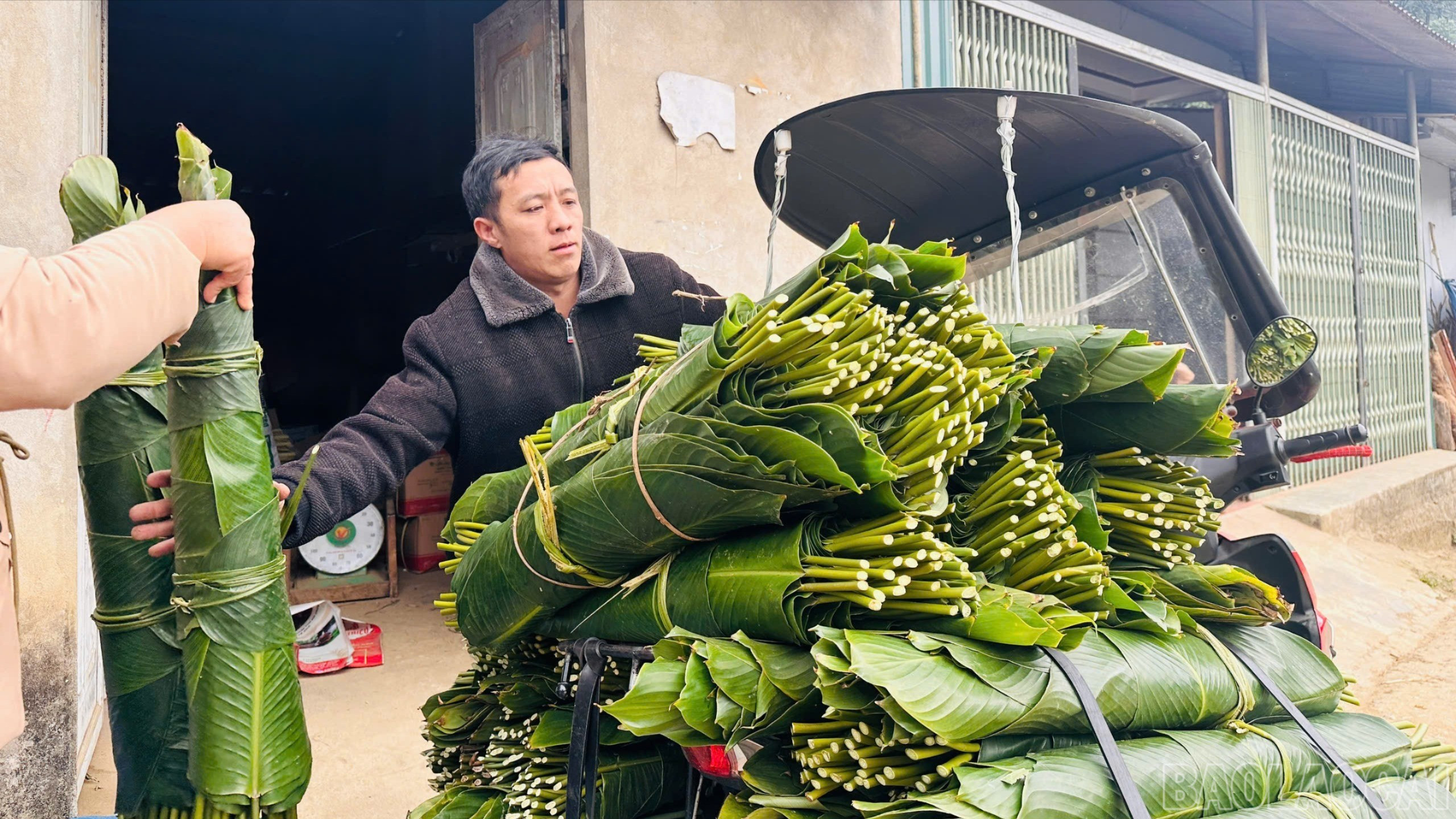
According to Mr. Tan A Lieu, head of Ban Pho village, the model of growing dong leaves at home started about 7 years ago. Dong leaves are easy to grow, require little care, need little fertilizer, and are very effective at retaining moisture and preventing soil erosion. They can be harvested several times a year; the longer they are left to grow, the stronger the roots become and the more beautiful the leaves. With an income of 20 to 40 million VND per year for households growing large areas, dong leaves have truly become a "Tet crop," helping people in the highlands become more self-sufficient in life.
“Ban Pho is a purely agricultural village, 100% of the households are Dao ethnic people, and their main source of income is agricultural production. Previously, people mainly went into the forest to collect dong leaves to sell during Tet (Lunar New Year), but gradually the resources in the forest were depleted, travel was difficult, and the efficiency was not high. From then on, the villagers came up with the idea of digging up the roots of dong plants and planting them around their houses, utilizing empty land areas along the edges of fields and hillsides that could not grow other food crops to increase their income,” Mr. Lieu said.
According to Mr. Lieu, although the price of banana leaves is not very high, it is a stable source of supplementary income, especially suitable for the highland climate and farming conditions of the locality.
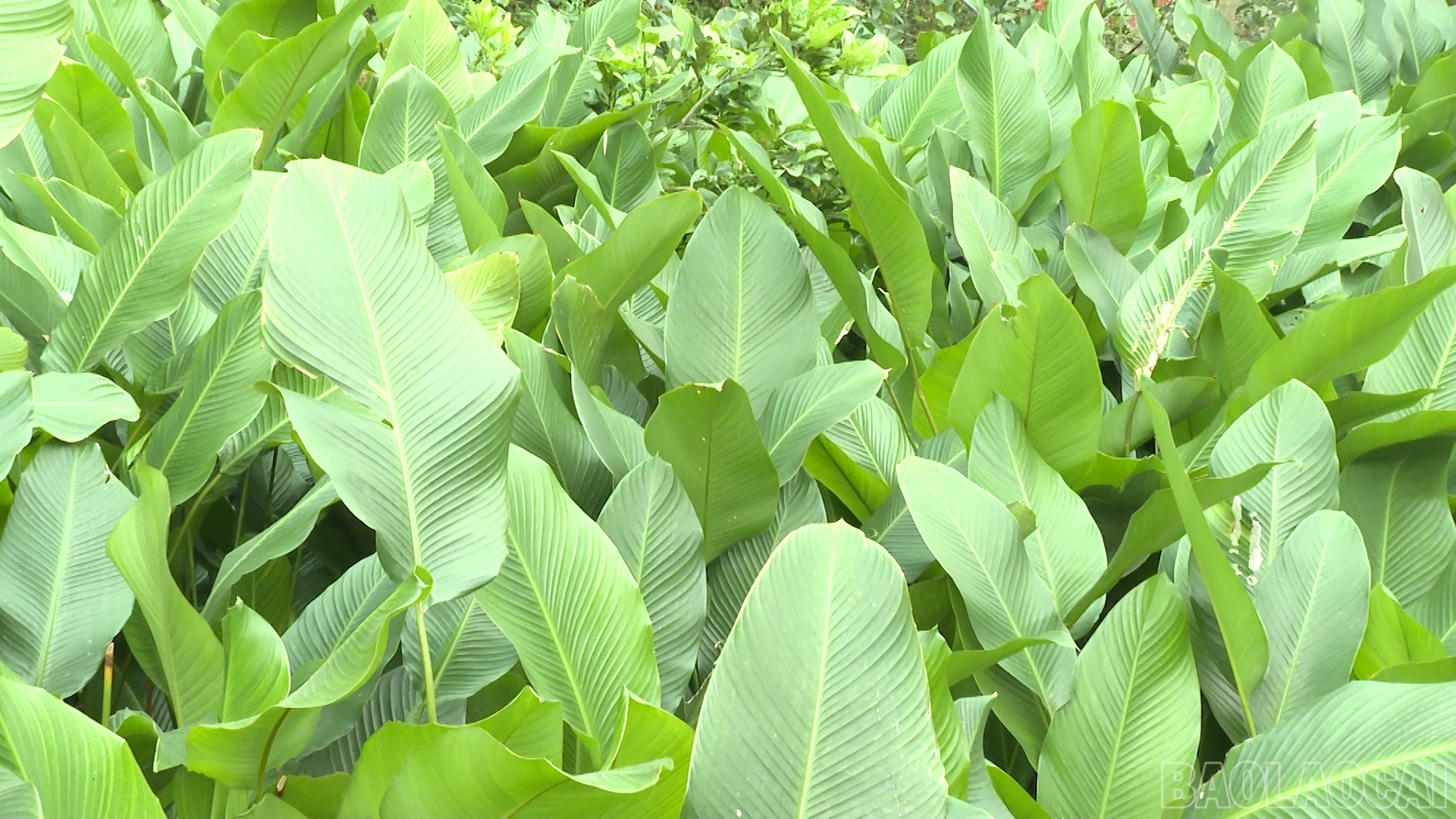
Currently, about 90% of households in the village participate in growing arrowroot. Depending on the area and the amount of care given, each household can earn from 20 million to 40 million VND per year, mainly concentrated during the Tet holiday season.
Commenting on the model of growing arrowroot, Ms. Vu Thi Giang - Chairwoman of the Farmers' Association of Bat Xat commune, said: "The commune is continuing to research and evaluate the effectiveness of the model, gradually turning arrowroot into a distinctive local commodity."
The vehicles leaving the village carry the vibrant green of Bản Pho banana leaves down to the city, becoming the "coat" for the sticky rice cakes during Tet. Within that green hue lies the hard work of the people in the highlands, their care, and their hopes for a prosperous and joyful Tet.
Source: https://baolaocai.vn/la-dong-ke-chuyen-ngay-tet-post892742.html



![[Image] Close-up view of the interchange connecting the two expressways and Long Thanh Airport.](https://vphoto.vietnam.vn/thumb/1200x675/vietnam/resource/IMAGE/2026/05/25/1779703378210_ndo_br_z7863716673926-224453a31600126cce10622af6290afd-4549-jpg.webp)
![[Image] Hanoi's urban life under the challenge of a "scorching hot" environment](https://vphoto.vietnam.vn/thumb/1200x675/vietnam/resource/IMAGE/2026/05/25/1779706979265_nang-nong-t5-2026-minh-duy-7-4636-jpg.webp)





















































































Comment (0)