

Phi Bich Ngoc
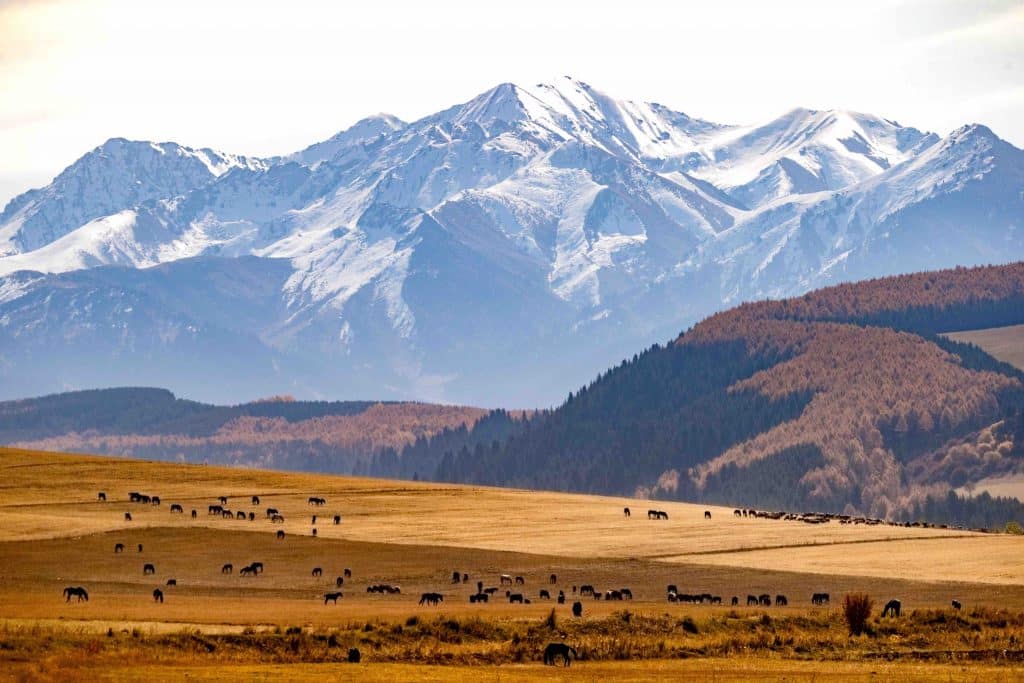
Kyrgyzstan is perhaps one of the least mentioned countries on the must-visit lists of most travelers . Formerly part of the Soviet Union, Kyrgyzstan became an independent nation in 1991. Located deep within the landmass, it borders Tajikistan, Uzbekistan, Kazakhstan, and China on all four sides. The majestic Tian Shan and Pamir mountain ranges run along its western and southern borders. Over 70% of its territory is mountainous, with the remainder being grasslands, lakes, and plains, giving Kyrgyzstan abundant resources and diverse landscapes. Kyrgyzstan is also known as the heart of the ancient Silk Road, with over 2,000 years of history connecting China with Europe and the Middle East.
Approximately 80% of Kyrgyzstan's population is Muslim, and they view Islam as a cultural foundation rather than just a daily ritual. They are extremely hospitable and welcoming, always greeting guests with rare friendliness, especially in rural areas. If you wander through Kyrgyz villages, you will be invited into their homes for tea and to enjoy local fruits from their gardens or traditional dishes.
If you're an adventurous person who wants to immerse yourself in nature, Kyrgyzstan is a must-visit destination. Just 10km from the city, you'll find vast grasslands, towering snow-capped mountains, sharp as unpolished crystal, reflected in crystal-clear lakes. Herds of horses and the yurts of nomadic people add to the vibrant and colorful landscape.
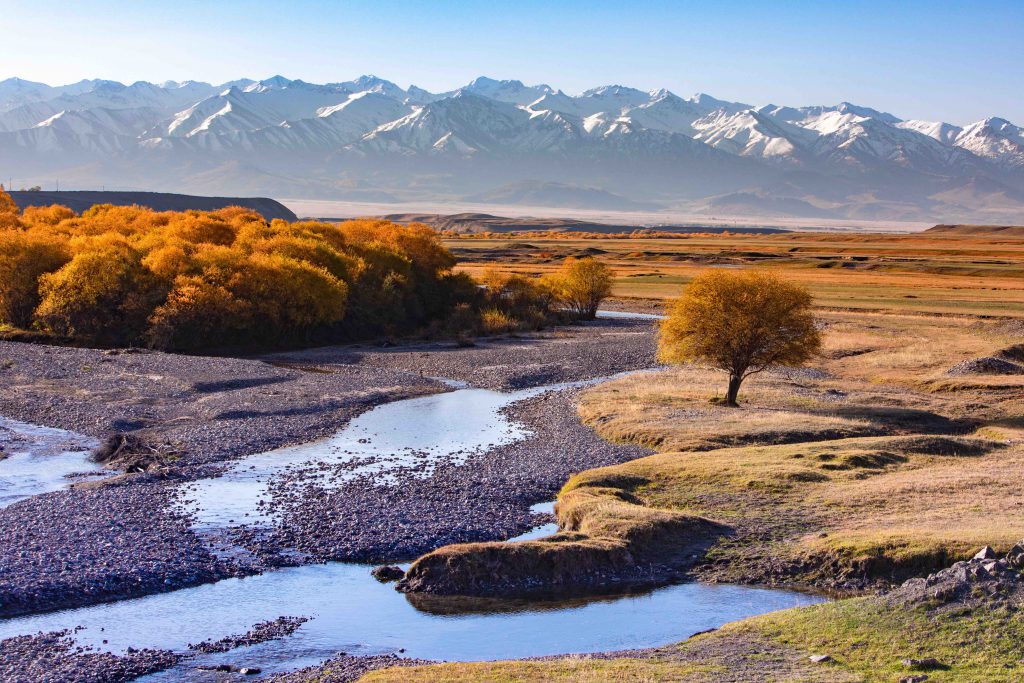
Although Kyrgyzstan is a landlocked country, it is blessed with nearly 2,000 lakes, including Lake Issyk-Kul, the second largest saltwater lake in the world (approximately 6,000 km²) and the seventh deepest (665 m). Located at an altitude of 1,608 m above sea level, north of the Tian Shan Mountains, in the Issyk-Kul region, it runs along the legendary Silk Road.
The second lake worth mentioning is Son-Kul, located in the northwest of the Naryn region of Kyrgyzstan. The lake lies in the Tien Son Gorge at an altitude of 3016m above sea level. It is 28 km long and 18 km wide. The average depth is 8.6m, with a maximum depth of nearly 14m. Son-Kul is a lake formed by the melting of the glacier of the same name flowing out of the Naryn River. From the end of September to the beginning of June, the water in Son-Kul freezes over. In winter, temperatures in this region can drop to -20°C.
The Skazka Gorge, well-known to many, is located on the southern shore of Lake Issyk-Kul. It's a unique natural wonder with many fantastical shapes created by the earth, water, wind, and sun. Locals call it the "Fairytale Gorge" because the shapes of the mountain peaks resemble mythical creatures such as flying dragons, camels, hippos, and elephants. Others associate it with architectural structures like castles, towers, or the Great Wall of China. Due to its special geological structure, the entire gorge is vibrant with color, predominantly red from the soil, especially dazzling in the early morning sun and at sunset. Along the way, you'll encounter vast meadows teeming with wildflowers, small houses nestled in the steppe, and herds of horses grazing peacefully.

That's Kyrgyzstan. The unspoiled and majestic nature, the friendliness of the people here, have always made me yearn to return to this place. 
See more articles in the same category:
- Capture the moment from time.
- Let's raise a glass!
- The wonders of Peru
Source: https://heritagevietnamairlines.com/lac-loi-o-kyrgyzstan/

![[Photo] General Secretary and President To Lam presides over a working session with the Central Policy and Strategy Committee on the development of the materials industry.](https://vphoto.vietnam.vn/thumb/1200x675/vietnam/resource/IMAGE/2026/05/21/1779359935432_a3-bnd-3129-1412-jpg.webp)
![[Photo] National Assembly Chairman Tran Thanh Man working with the Standing Committee of the Law and Justice Committee](https://vphoto.vietnam.vn/thumb/1200x675/vietnam/resource/IMAGE/2026/05/21/1779378929214_ndo_br_1-4610-jpg.webp)





































































Comment (0)