

Calling people to report outstanding telecommunications bills is one of two common phone scams in recent days, as warned to the public by the Vietnam Cyber Emergency Response Center (VNCERT/CC).
The Vietnam Cyber Emergency Response Center (VNCERT/CC), under the Information Security Department of the Ministry of Information and Communications , stated that it has recently received numerous reports from citizens regarding fraudulent messages and calls from unknown phone numbers.
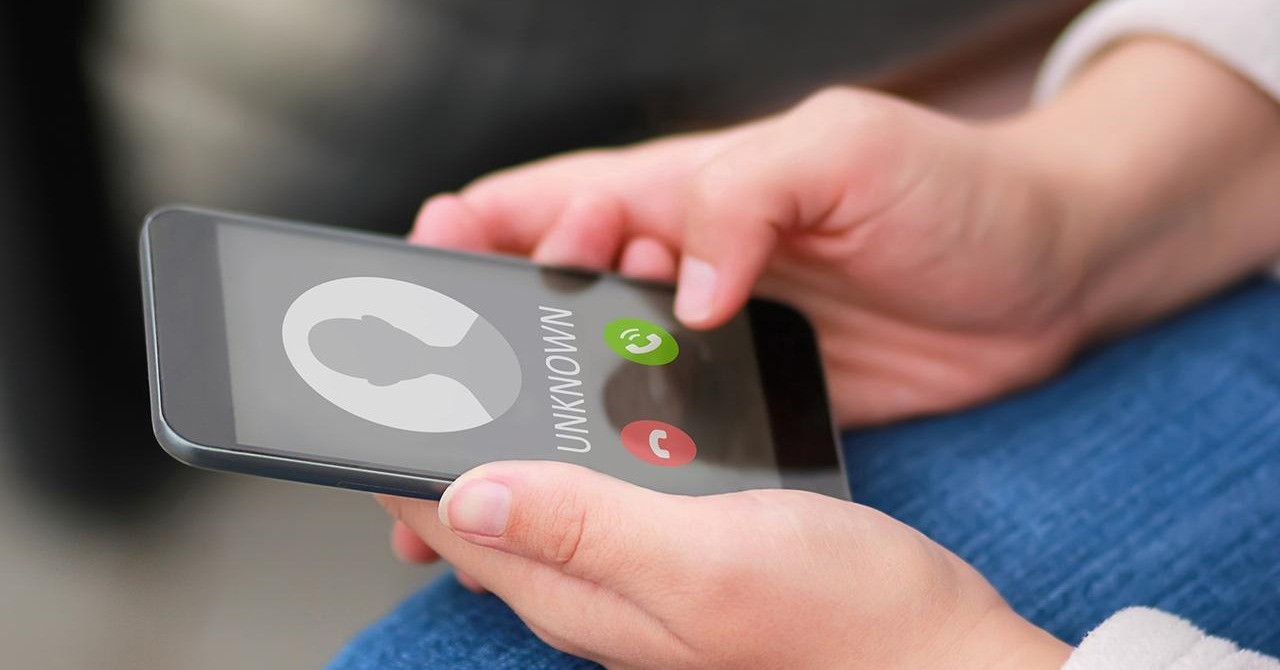
According to statistics from the Information Security Department, in the last two weeks of October 2024, the unit's technical systems recorded nearly 9,700 reports from Vietnamese users about online scams, of which nearly 9,300 reports were fraudulent calls and messages sent via the hotline 156/5656. Below are two common phone scams in the past 7 days, as assessed by VNCERT/CC:
Impersonating electricity company employees to swindle money.
According to the Vietnam Cyber Emergency Response Center, scammers are currently employing various tricks to deceive people, especially impersonating electricity company employees and calling people to offer assistance in linking their bank accounts to an application to pay their electricity bills.
Specifically, the perpetrators call people, posing as officials from the electricity company, and instruct them to install an electricity payment application to pay their electricity bills. People are asked to click on a link provided by the perpetrators to download the application, fill in their personal information, and transfer the electricity bill to a strange QR code.
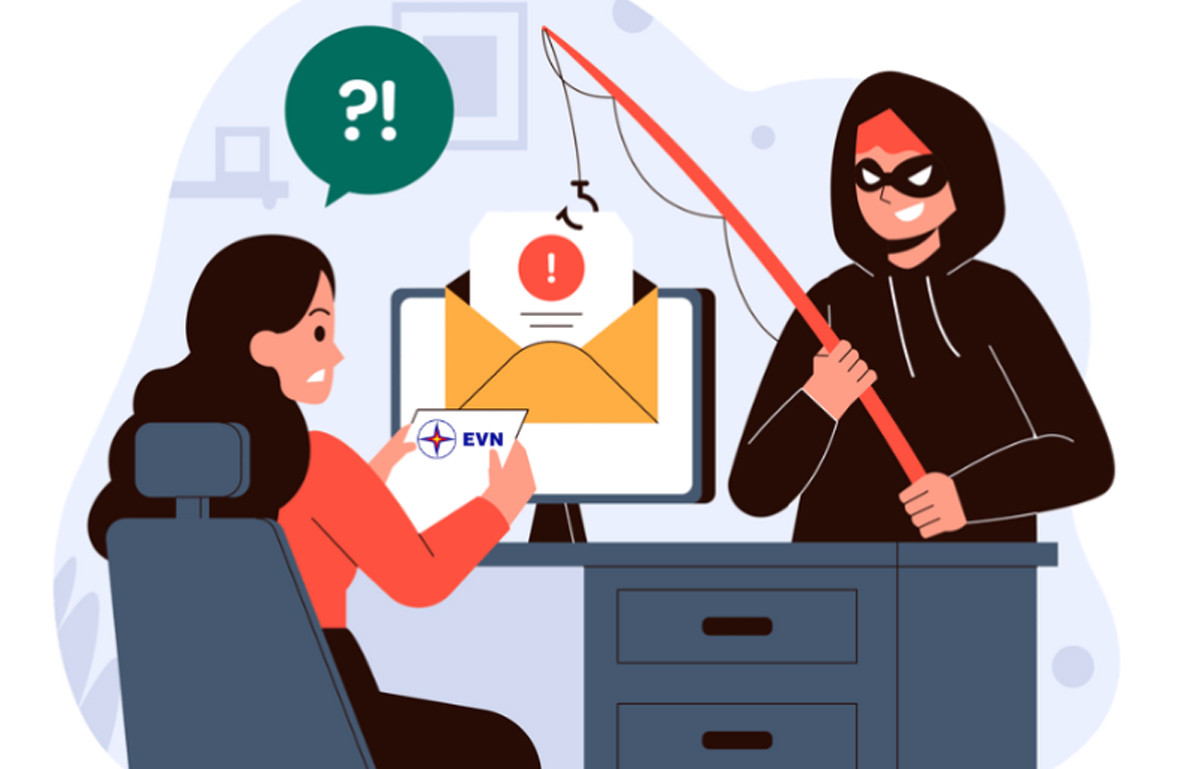
After following the scammer's instructions, people may face risks such as personal information leaks, device hijacking, and theft of money from their accounts.
The Vietnam Cyber Emergency Response Center recommends that when linking a bank account to pay electricity bills, people should check and verify information beforehand on the official website of Vietnam Electricity at evn.com.vn. In addition, people should be cautious about any unverified information and protect their personal information to avoid unnecessary risks.
Calling to inform customers about outstanding telecommunication bills is a scam.
Although it's not a new scam, many mobile subscribers have still fallen victim to these fraudsters recently. The modus operandi involves the scammers impersonating network employees to call subscribers and inform them that they "owe money in telecommunications fees," then demanding that they transfer money to pay the outstanding bill.
When impersonators posing as network employees recited their personal information accurately, many phone subscribers, worried about having their service cut off, didn't think carefully and followed the instructions, transferring money to the accounts provided. After obtaining the money, the scammers would block communication and erase all traces.
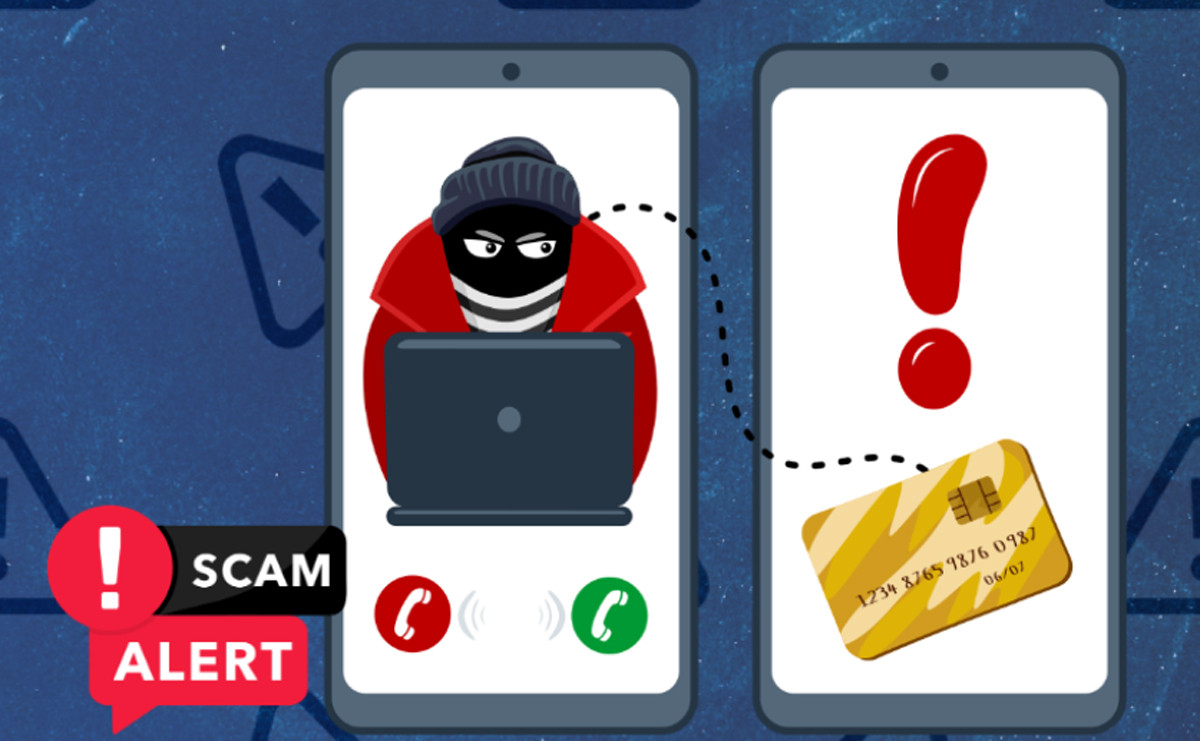
To avoid becoming a victim of this increasingly common form of phone scam, the Vietnam Cyber Emergency Response Center advises people to be cautious when transferring money to pay for services; and to be vigilant against information and notifications provided by strangers via phone calls, chats, text messages, or emails to prevent the risk of being scammed or having their personal information and data stolen.
Furthermore, citizens are advised to retain text messages or call recordings as evidence to report to their telecommunications provider for assistance and resolution in case of suspected fraud. Citizens should also immediately report to the police or contact the Criminal Investigation Department's hotline at '0692348560' for timely guidance and support.
| The Cybersecurity Department notes that online fraud is on the rise in Vietnam's cyberspace. In this context, the fact that many people still do not fully understand the importance of protecting their personal information, lack knowledge, and are complacent about online fraud threats poses significant challenges for agencies and organizations in the fight against online fraud. |

Source: https://vietnamnet.vn/lai-ro-chieu-lua-dao-goi-dien-thong-bao-nguoi-dan-no-cuoc-vien-thong-2337841.html

![[Image] Hanoi Police officially crowned champions of V-League 2025/2026](https://vphoto.vietnam.vn/thumb/1200x675/vietnam/resource/IMAGE/2026/05/31/1780244769054_ndo_br_039d561b692be875b13a-jpg.webp)
![[Photo] Solemn bathing ceremony and Buddha procession in Hue](https://vphoto.vietnam.vn/thumb/1200x675/vietnam/resource/IMAGE/2026/05/31/1780228263543_1-jpg.webp)
![[Photo] The General Secretary, President and his wife begin their state visit to the Philippines.](https://vphoto.vietnam.vn/thumb/1200x675/vietnam/resource/IMAGE/2026/05/31/1780230559452_anh-man-hinh-2026-05-31-luc-19-28-11.png)

![[Photo] Admire the coral "masterpiece" amidst the million-year-old heritage of Dak Lak province.](https://vphoto.vietnam.vn/thumb/1200x675/vietnam/resource/IMAGE/2026/05/31/1780221235105_anh-man-hinh-2026-05-31-luc-16-53-27.png)






















![[Video] Sunset at Lap An Lagoon – Where the sun sets over the fishing nets](https://vphoto.vietnam.vn/thumb/340x192/vietnam/resource/IMAGE/2026/05/31/1780192137701_beach-landscape-sea-water-nature-grass-745871-pxhere-com.jpeg)








































![[Photo] Admire the coral "masterpiece" amidst the million-year-old heritage of Dak Lak province.](https://vphoto.vietnam.vn/thumb/402x226/vietnam/resource/IMAGE/2026/05/31/1780221235105_anh-man-hinh-2026-05-31-luc-16-53-27.png)




























Comment (0)