

It is necessary to understand the operating mechanism and choose the appropriate driving mode.
For hybrid vehicles using a parallel drive system, the multi-information display will show the operating modes of the gasoline and electric engines. This information is displayed in real time, clearly describing the operating status of the engines and battery in the hybrid vehicle.
There are typically three operating modes: purely electric, purely gasoline, and hybrid. In the purely electric mode, the vehicle's power source comes entirely from the battery and electric motor.
A purely gasoline-powered system would use part of the power from the gasoline engine for propulsion and part of the power to charge the hybrid battery. A parallel system would share the power sources of both the gasoline engine and the electric motor.
Understanding the operating modes will help drivers adjust their driving style accordingly, as well as use the accelerator and brake pedals appropriately, thereby optimizing engine performance and reducing fuel consumption.
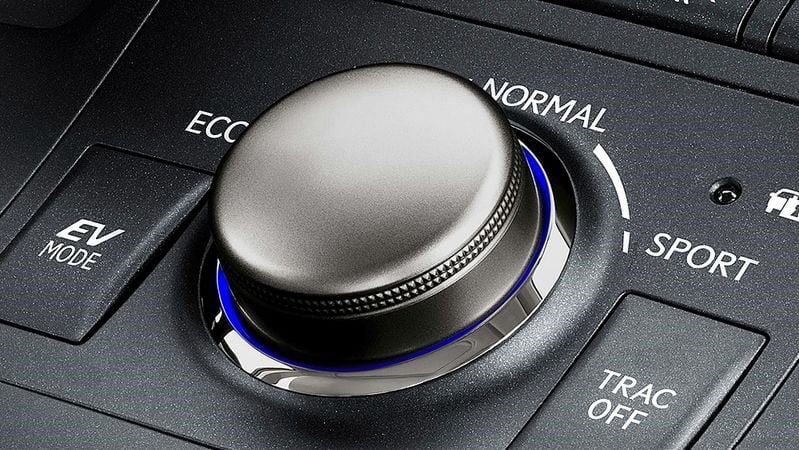
Using the correct driving modes and understanding how they work will help save fuel.
Conventional hybrid vehicles are equipped with four driving modes, including three combined modes: Normal, Power /Sport, and Eco. In addition, there is a purely electric EV driving mode.
- EV mode: This should be used when noise and emissions reduction is needed (for example, when entering or exiting a garage). When the EV switch is pressed and operating conditions are met, the vehicle will be driven entirely by the electric motor. This mode depends on the remaining battery level of the vehicle.
- Eco Mode: Fuel consumption and driving performance are optimized by gradually generating power in relation to the accelerator pedal.
- Normal mode: This mode smoothly combines the gasoline and electric motors, avoiding excessive use of the electric motor, which can affect battery life.
- Power/Sport mode: In this mode, when the driver presses the accelerator pedal firmly, the ECU understands that the driver needs a large amount of power. At this point, the power from the engine and electric motor combine to give the driver greater acceleration, resulting in a better acceleration feel.
Based on the operating mechanisms and driving modes, the driver will make the appropriate choice for the actual operating conditions, thereby optimizing energy usage and reducing fuel consumption.
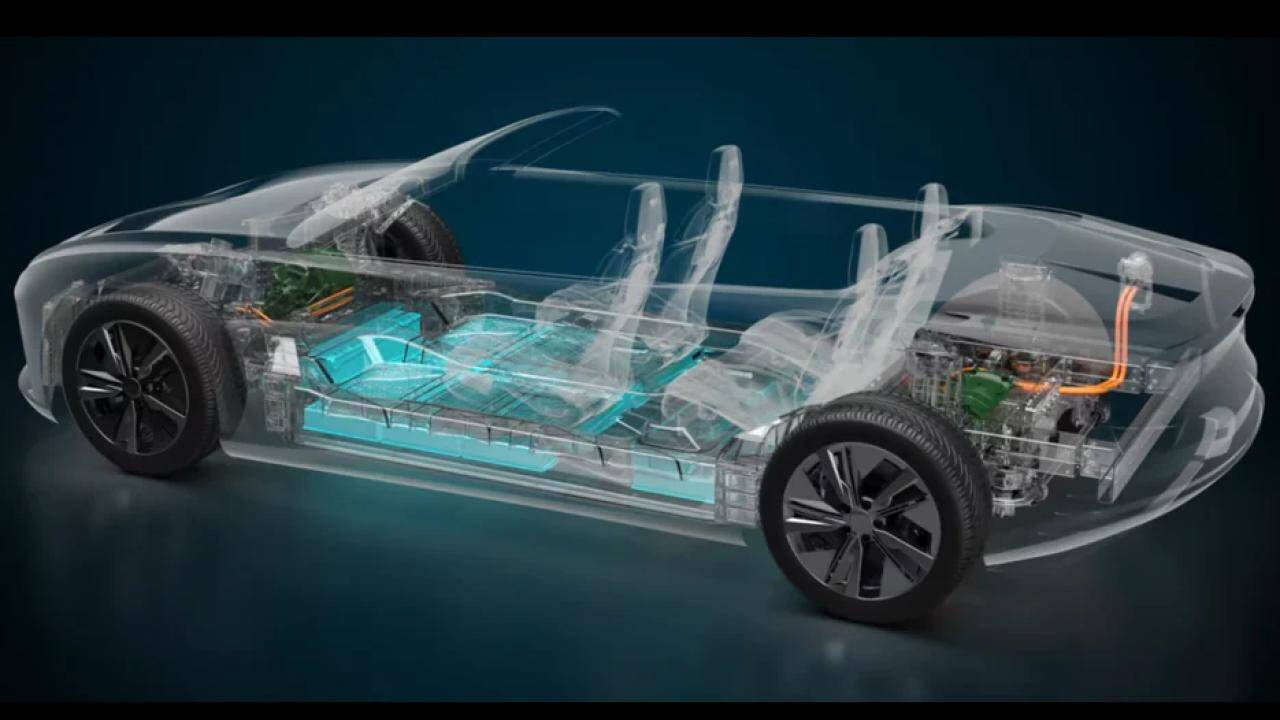 Why are hybrid cars more fuel-efficient?
Use the accelerator and brake pedals appropriately.
Proper use of the accelerator and brake pedals will help drivers reduce fuel consumption. Especially in urban traffic conditions, drivers can optimize the use of excess energy from deceleration; inertia will be converted into energy for the hybrid battery through the regenerative braking system.

Using the accelerator and brake pedals appropriately will help the regenerative braking system function optimally.
When the driver accelerates suddenly, energy is consumed from both the fuel and the hybrid battery, requiring the engine to recharge the hybrid battery more frequently. This means the engine has to operate at a higher RPM range and higher power output to ensure both propulsion and battery charging. As a result, the engine operates outside its ideal RPM range, leading to higher fuel consumption.
If deceleration is gradual and slow, the driver will not need to use the brakes as much. The regenerative braking system will handle the braking, converting inertial energy into electricity to charge the hybrid battery. The engine will not need to share power with the battery, thus reducing fuel consumption.
Therefore, by actively controlling the accelerator and brake pedals, drivers can reduce unnecessary braking and acceleration, thus improving the vehicle's fuel efficiency.
Use the number N correctly.
Many drivers have a habit of shifting to neutral (N) when encountering traffic jams or situations where the car has to stop and move repeatedly for short distances. For hybrid vehicles, drivers should not shift to neutral in these situations.
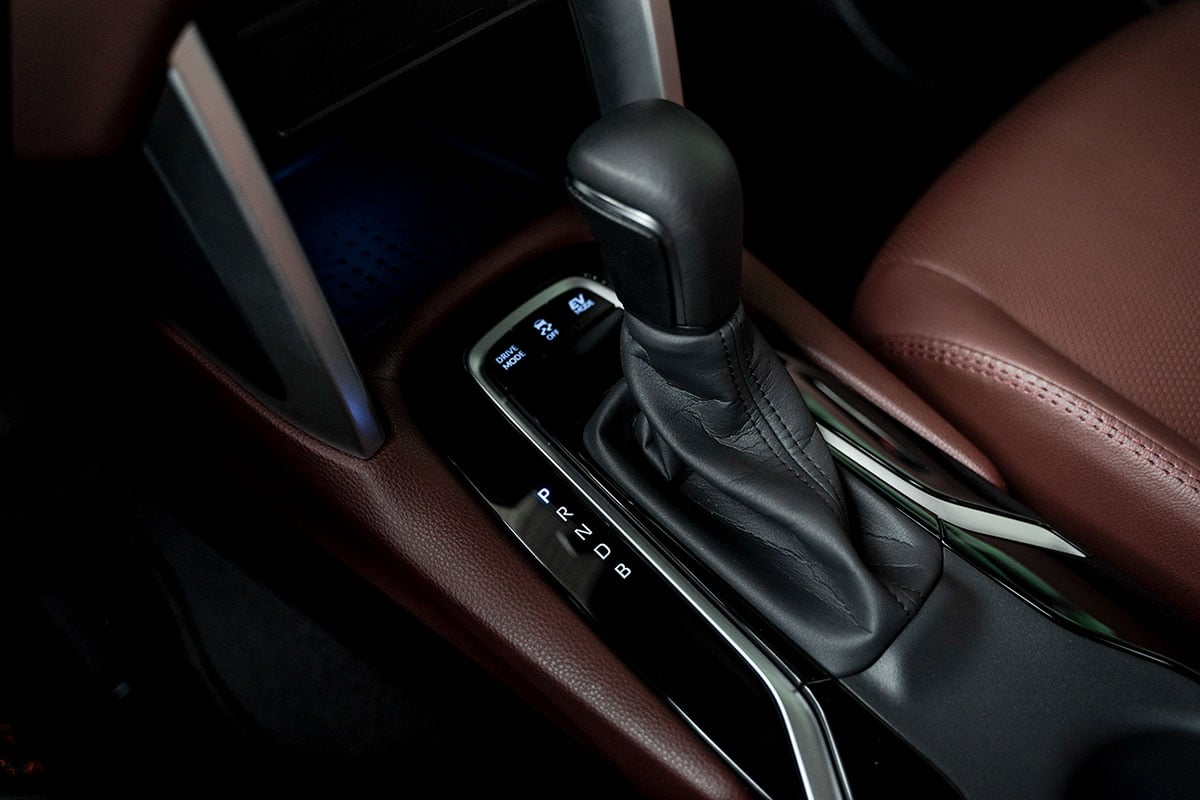
When driving a hybrid vehicle, drivers should not shift to neutral (N) during traffic jams.
Because electricity is not being generated and the hybrid battery is not being charged, the car will have to continuously use power from the gasoline engine, resulting in higher fuel consumption than normal.
Fuel efficiency depends on many factors, such as the vehicle's design characteristics, traffic infrastructure, and the operating conditions of its components.
In addition to driving skills, drivers also need to pay attention to maintenance and other factors to help optimize fuel efficiency of their hybrid vehicles.
Source: https://xe.baogiaothong.vn/lai-xe-hybrid-the-nao-de-tiet-kiem-nhien-lieu-19223121211420544.htm








































































































Comment (0)