

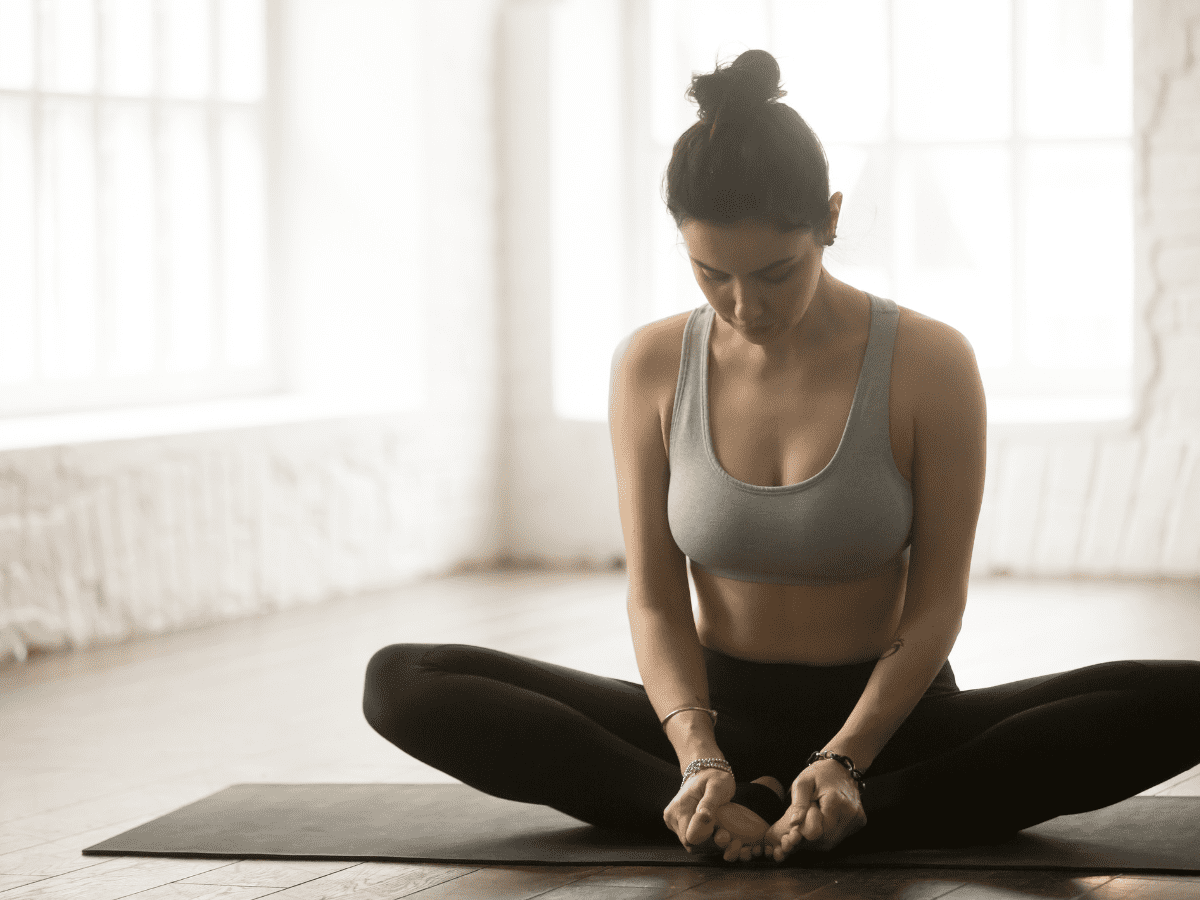
Urinary incontinence is not necessarily a normal part of the aging process - Photo: Zuda Yoga
Although common, Dr. Leslee Subak, chief of obstetrics and gynecology at Stanford Medicine and co-author of a new study published in the journal Annals of Internal Medicine, suggests that urinary incontinence is not necessarily a normal part of the aging process.
Urinary incontinence can be overcome.
"Part of the problem stems from the stigma surrounding urinary incontinence. We're afraid to talk about it," Subak said. "Or we hear folk tales that it's normal to get older. In reality, urinary incontinence is very common, but it's not unavoidable. There are very effective treatments."
Some treatment options include medication and surgery. But many people don't want to resort to those measures. If you're one of them, certain exercises may be more suitable, less invasive than surgery, and have fewer potential side effects than medication.
Gentle yoga has been recommended by some as an effective complementary treatment for urinary incontinence. Regular practice of gentle yoga poses has been shown to strengthen many muscle groups throughout the body, including the pelvic floor muscles. Yoga breathing and relaxation can help calm the nervous system, relieving an overactive bladder—which causes the urgent and frequent urge to urinate.
However, there is little real evidence regarding the effectiveness of gentle yoga for urinary incontinence. Therefore, the study's lead author, Dr. Alison Huang, professor of medicine, urology, epidemiology, and biostatistics at the University of California San Francisco, and her research team investigated whether gentle yoga could be effective in reducing urinary incontinence.
The study participants were a diverse group of women including Black, Asian, Hispanic/Latino, and multiracial, with an average age of 62 (ranging from 45 to 90 years old).
After screening and collecting demographic and medical history information, the 240 participants were randomly divided into two groups.
One group of gentle yoga includes poses and exercises specific to the pelvic floor. Another group focuses on strengthening and stretching exercises, without including exercises specifically for the pelvic floor.
Both groups participated in two 90-minute sessions per week and were encouraged to do exercises at home once a week. As a result, both the yoga group and the exercise group saw significant improvement in urinary incontinence – a 65% reduction in urine leakage.
Both exercise and yoga are beneficial.
Urinary incontinence is not just a problem of urine leakage; it also affects the quality of life and independence of many people. This study suggests that exercise or yoga may be an effective way to improve pelvic floor function and reduce urinary incontinence without resorting to expensive interventions such as medication or surgery.
Urinary incontinence can also be dangerous. "Urinary incontinence and overactive bladder are among the biggest risk factors for falls and fractures in older women," Subak says. "You rush to the bathroom at night, with the lights off, and you could trip and fracture your hip."
Research shows that any type of upper and lower body strengthening and stretching exercise can be effective in improving pelvic floor function. So, if yoga isn't your thing, grab some dumbbells or resistance bands, wear walking shoes, or start exercising in a way you enjoy and can maintain.
There are also specific pelvic floor exercises, often called Kegels, which can be done at home or with a physical therapist specially trained in pelvic floor function.
It's important to note that both strengthening and relaxing the pelvic floor muscles are essential for a healthy pelvic floor. One reason is that if you can't fully relax these muscles, you may not be able to completely empty your bladder. Then, when you stand up, urine is more likely to leak.
Staying hydrated can also affect the urge to urinate. Urinating six to ten times a day is normal, but more than 10 times may indicate you're drinking too much water or other fluids. Caffeine and alcohol can also increase the urgency to urinate and the likelihood of urine leakage.
If you urinate more than 10 times a day or your urine is clear, you may need to adjust your water intake. Other signs of drinking too much water may include bloating, nausea, headaches, and impaired memory.
Finally, drinking too much water can become life-threatening when the amount of fluid you consume dilutes electrolytes in your body or your kidneys can't process the water, although these cases are rare.
 Self-diagnosis based on urine color and odor.
Source: https://tuoitre.vn/lam-cach-nao-de-khac-phuc-viec-tieu-khong-tu-chu-20241021124001636.htm

































































































Comment (0)