

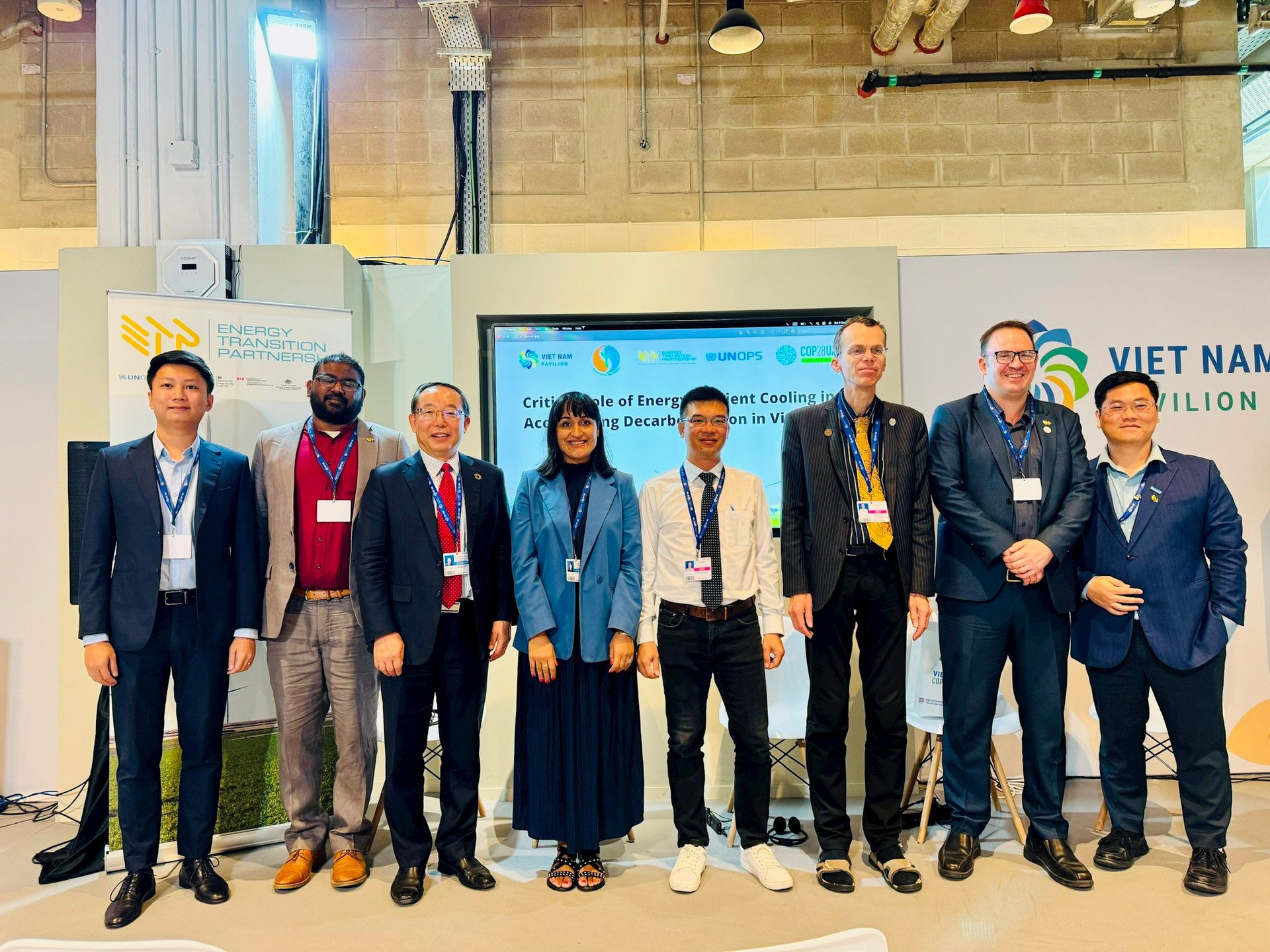
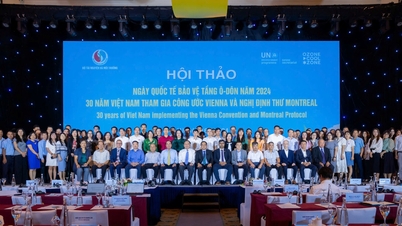
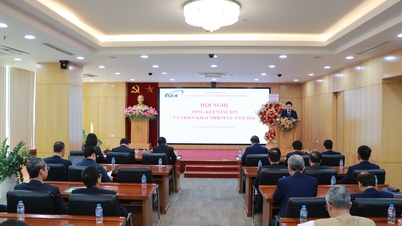
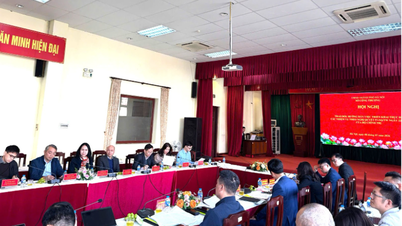
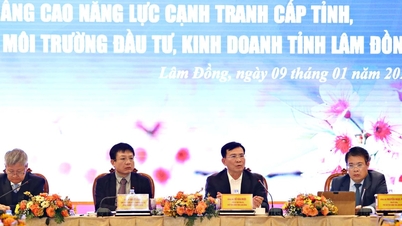
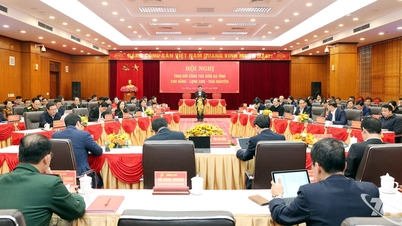
Here, experts, policymakers, and development partners discuss a roadmap for establishing a sustainable cooling system for all sectors of Vietnam, aiming to ensure timely achievement of national goals in climate change response.
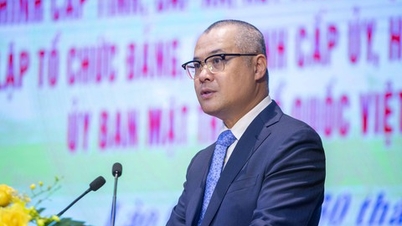
Speaking at the event, Mr. Pham Van Tan, Deputy Director of the Climate Change Department, shared: Recognizing the importance of sustainable cooling, at COP28, Vietnam, along with more than 60 countries, joined the Global Cooling Pledge, with the goal of contributing to a reduction of at least 68% in global cooling greenhouse gas emissions by 2050 compared to 2022.
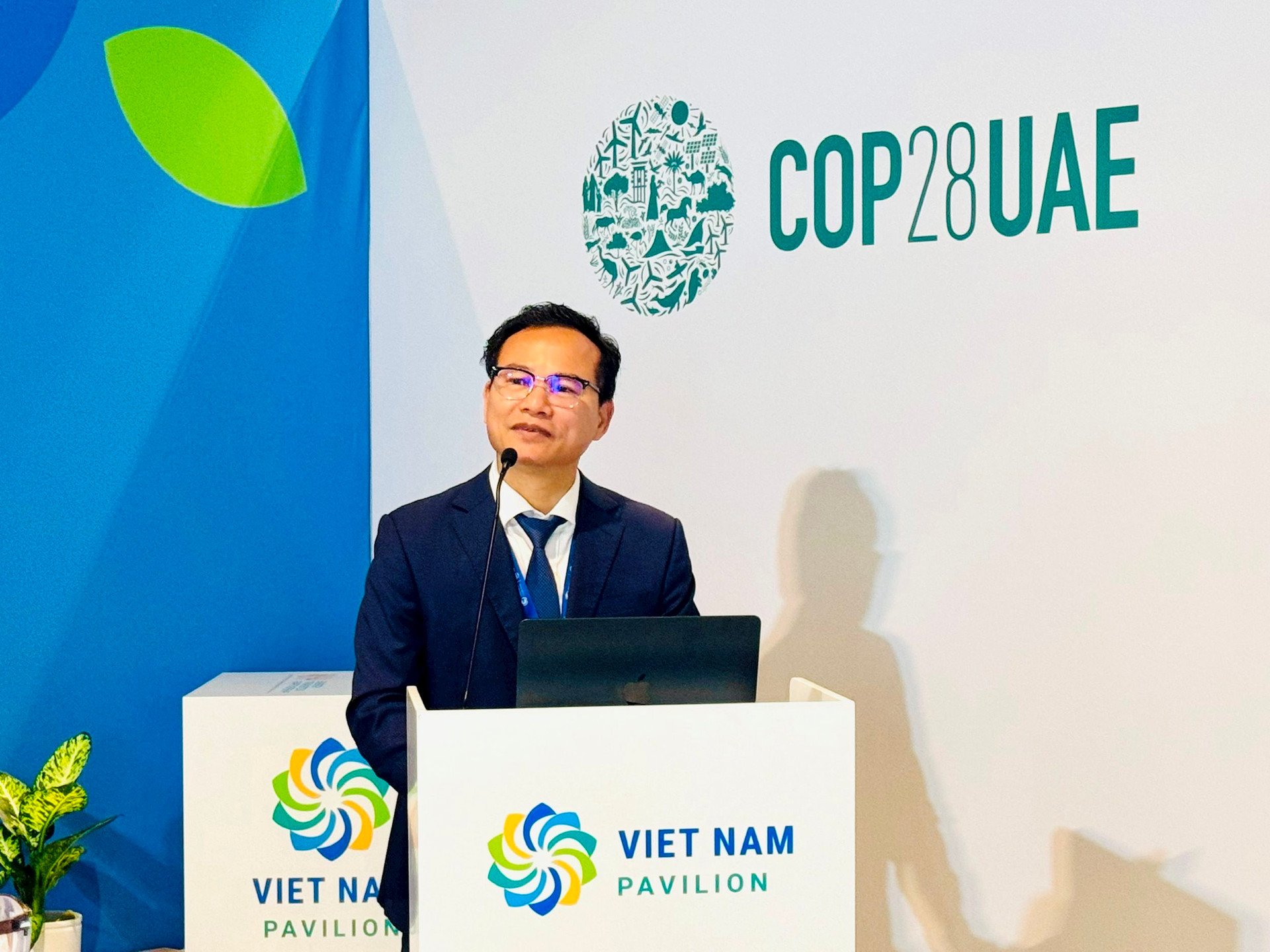
Previously, Vietnam had outlined numerous tasks and solutions for sustainable cooling in its national strategies and plans, including the National Strategy on Climate Change for the period up to 2050 and Vietnam's updated Nationally Determined Contribution (NDC) in 2022. This presents an opportunity to implement collaborative programs and projects with international organizations and domestic and foreign businesses on sustainable cooling, such as transitioning to high-energy efficiency technologies, using refrigerants with low global warming potential, and applying passive and natural cooling solutions.
Regardless of the outcome of the Global Efforts Assessment at COP28, these efforts will be incorporated into Vietnam's NDC 2, to be submitted to the Secretariat of the United Nations Framework Convention on Climate Change (UNFCCC) in 2025, after ratification by the Vietnamese Government .
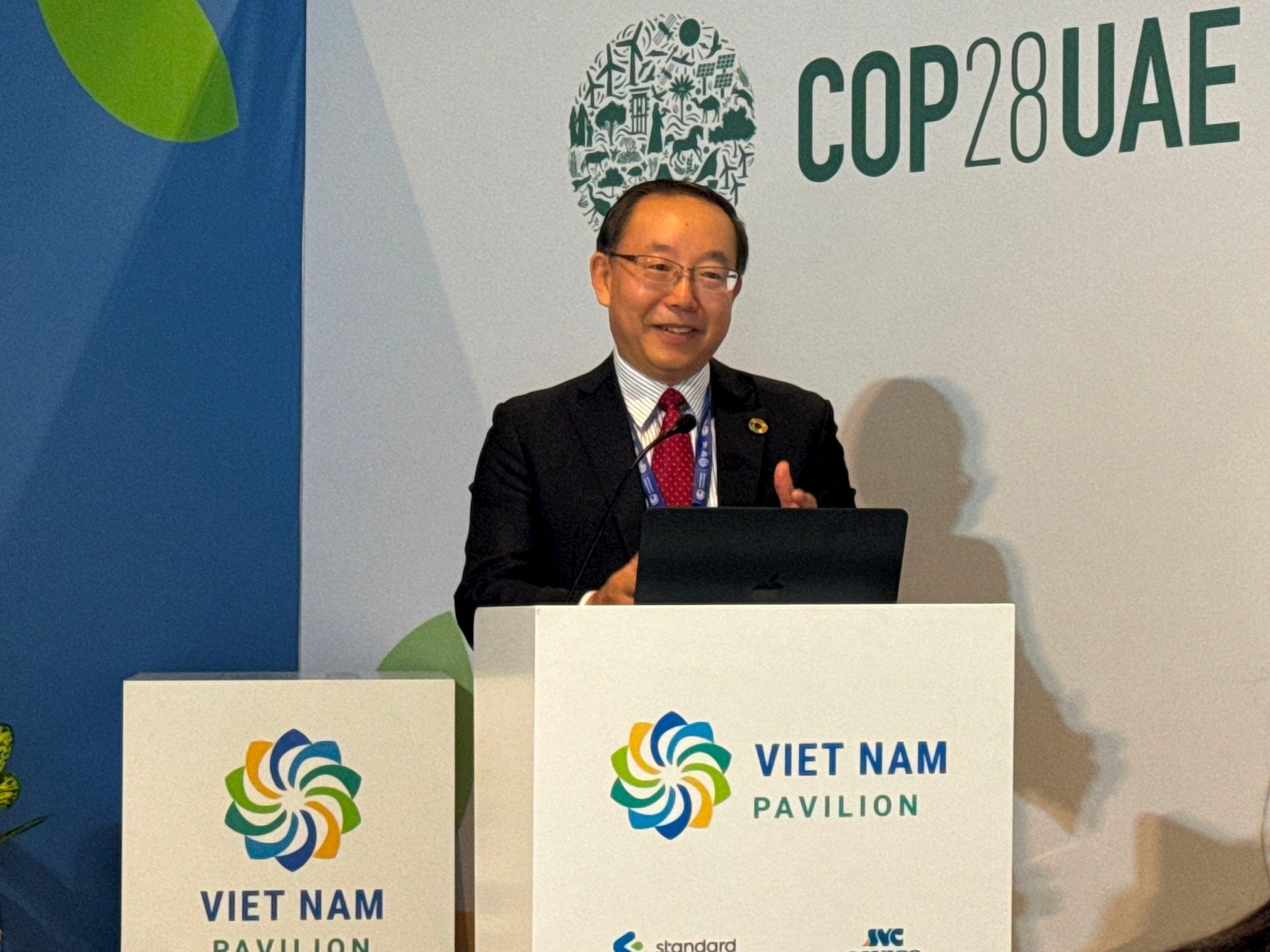
Moderating the discussion, Mr. Hongpeng Liu, Director of the Energy Division, United Nations Economic and Social Commission for Asia and the Pacific, highly appreciated Vietnam's pioneering role in incorporating cooling issues and international commitments into the government's programs and action plans. The global cooling commitment was announced at COP28, and it is crucial that member states make efforts to implement this commitment in the future.
Lily Riahi, Coordinator of the Cooling Alliance, United Nations Environment Programme (UNEP), stated: Beyond air conditioning, the cooling sector has many other crucial applications such as vaccine preservation, food storage, and energy efficiency in buildings. This sector consumes one-fifth of the world's electricity, and demand is projected to triple by 2050. This has a double consequence: increased energy consumption and increased greenhouse gas emissions.
To reverse this trend, UNEP and its partners have developed a comprehensive framework that does not negatively impact climate change. Many steps need to be taken, including: reducing electricity consumption for cooling, moving towards greening urban areas; using energy efficiently through the transition to better cooling technologies; establishing cooling standards and labeling sustainable cooling products to help consumers identify them; and developing specific financial instruments for this sector. Vietnam plays a pioneering role in implementing sustainable cooling to mitigate greenhouse gas emissions. Therefore, ministries, sectors, and relevant stakeholders need to coordinate effectively to develop a national cooling plan.
Mr. Ha Quang Anh, Director of the Low Carbon Development Center, Climate Change Department, shared: "The inclusion of sustainable cooling in the updated 2022 NDC for the first time demonstrates Vietnam's progress. Through discussions with the United Nations Environment Programme, we have observed that the cooling sector has not been extensively addressed in green growth and energy efficiency initiatives; there is a lack of specific cooling policies and insufficient participation from the private sector. In the future, Vietnam will need to strengthen the participation of the private sector in adopting new cooling technologies, raise awareness of this issue, and translate it into concrete actions."
JohnCotton, Program Manager of the Southeast Asia Energy Transition Partnership (ETP), stated: The ETP has a secretariat that coordinates with governments to maximize its effectiveness, identifying priority activities to reduce greenhouse gas emissions. The key is how countries translate this into concrete actions. These efforts require significant financial resources and active participation from governments and businesses. National action plans need a holistic, harmonized approach that engages multiple stakeholders to achieve desired results, rather than relying on isolated projects.
Axel Michaelowa, an expert from Perspectives Climate Group, argues that related activities should promote market operation so that the trading of carbon credits can become an additional source of revenue, creating a mechanism for exchange and payment. For example, South Korea has integrated the Paris Agreement's carbon market development regulations into its national action plan for reducing cooling emissions. Regarding resources, grants are quite limited; therefore, it is necessary to mobilize financial resources from the carbon credit exchange market, considering it as seed capital to attract more resources for these activities.
At the event, which brought together experts, policymakers, leaders, and development partners, the importance of creating a favorable policy environment for sustainable cooling was highlighted, aiming to scale up access to clean and efficient technologies. Recommendations were also made to address existing challenges and capitalize on existing opportunities.
Source




























































































Comment (0)