

Over the years, the management of health supplements and functional foods has become one of the important issues in the food industry in Vietnam.
Amendments to Decree 15: Clarifying the concept and regulations regarding dietary supplements.
Over the years, the management of health supplements and functional foods has become one of the important issues in the food industry in Vietnam.
In order to meet the requirements of sustainable development and protect consumer rights, businesses, associations, and organizations have actively contributed opinions to the draft Decree amending and supplementing Government Decree No. 15/2018/ND-CP.
These contributions not only help to improve management regulations but also contribute to creating a transparent, clear, and quality-assured legal environment for the functional food and health food market in the future.
In order to improve product quality and enhance management efficiency, many businesses in the functional food industry have contributed important opinions during the process of amending and supplementing Decree No. 15/2018/ND-CP, especially regulations related to dietary supplements.
 |
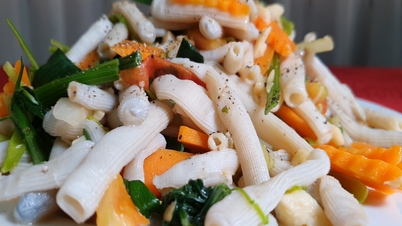
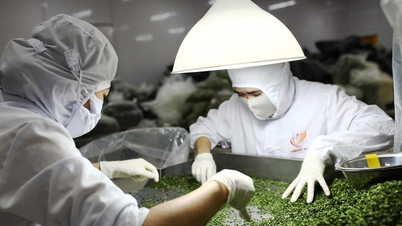
| Illustrative image |
Businesses, including Vinafosa, CPC1 Hanoi , and AmCham, argue that prohibiting dietary supplements from disclosing health warnings and benefits is inconsistent with international regulations, particularly the Codex Alimentarius guidelines.
The Codex clearly stipulates that dietary supplements may make health claims, provided there is scientific evidence to support them. This is consistent with Article 2, Paragraph 23 of the Food Safety Act, which states that functional foods, including dietary supplements, may make claims of benefits if there is clear scientific evidence.
Business proposal: These entities propose maintaining the current regulations, allowing dietary supplements to disclose health warnings and the benefits of their ingredients, provided there is sufficient scientific evidence.
In addition, the concept of "dietary supplements" is also of particular concern to businesses and associations. According to some entities such as Traphaco and Vinamilk, the current definition of "dietary supplements" in the Decree is still not clear enough and there are discrepancies in its application.
These businesses suggest that the concept of "ordinary food" needs to be clarified to accurately distinguish it from health-protective foods and avoid confusion during the product registration process.
One of the key points is the adjustment of the concept of food for special diets. Opinions from CPC1 Hanoi suggest that this concept should be broadened to include groups such as the elderly, children, pregnant women, people with specific medical conditions, or those requiring special dietary regimens (for example, underweight individuals, obese individuals, or those with conditions such as rheumatism or cancer...).
Clarifying and expanding this concept helps businesses produce and market products legally, while also protecting consumer rights from misleading advertisements about product benefits.
One of the notable points in the proposals is the need to clarify the concept of "foods for special diets" in accordance with the Codex guidelines.
Businesses and organizations have pointed out that the current interpretation of this concept is too narrow, only applying to products that meet Codex standards. This has led to a situation where some dietary supplements have their benefits exaggerated and are self-proclaimed as special foods when they do not fall under this category.
Businesses are proposing amendments to Decree 15/2018/ND-CP to broaden the definition, including individuals on diets, those with medical conditions, or those with specific health disorders (e.g., children, pregnant women, the elderly, obese individuals, and cancer patients). Clarifying this would ensure that these products are fully registered and publicly disclosed, preventing misleading advertising about their effects.
Some proposals also focus on improving product quality, especially products for children under 36 months old and medical nutritional products.
Businesses such as CPC1 Hanoi and Vinafosa propose requiring these products to be manufactured in facilities that meet GMP, HACCP, ISO 22000, or equivalent standards. This regulation would help improve product quality, protect consumer health, and ensure transparency and clarity in the production process.
Source: https://baodautu.vn/sua-doi-nghi-dinh-15-lam-ro-khai-niem-va-quy-dinh-ve-thuc-pham-bo-sung-d255672.html
![[Photo] General Secretary and President To Lam presides over a meeting on preparations for the review of one year of operation of the three-tiered government system.](https://vphoto.vietnam.vn/thumb/1200x675/vietnam/resource/IMAGE/2026/06/02/1780391821195_a1-bnd-4595-9717-jpg.webp)



![Transforming from Resolution 57: [Part 2] Businesses Lead the Way](https://vphoto.vietnam.vn/thumb/402x226/vietnam/resource/IMAGE/2026/06/02/1780399668663_5332-dsc09931-2-235637_295-235639.jpeg)










































































Comment (0)