

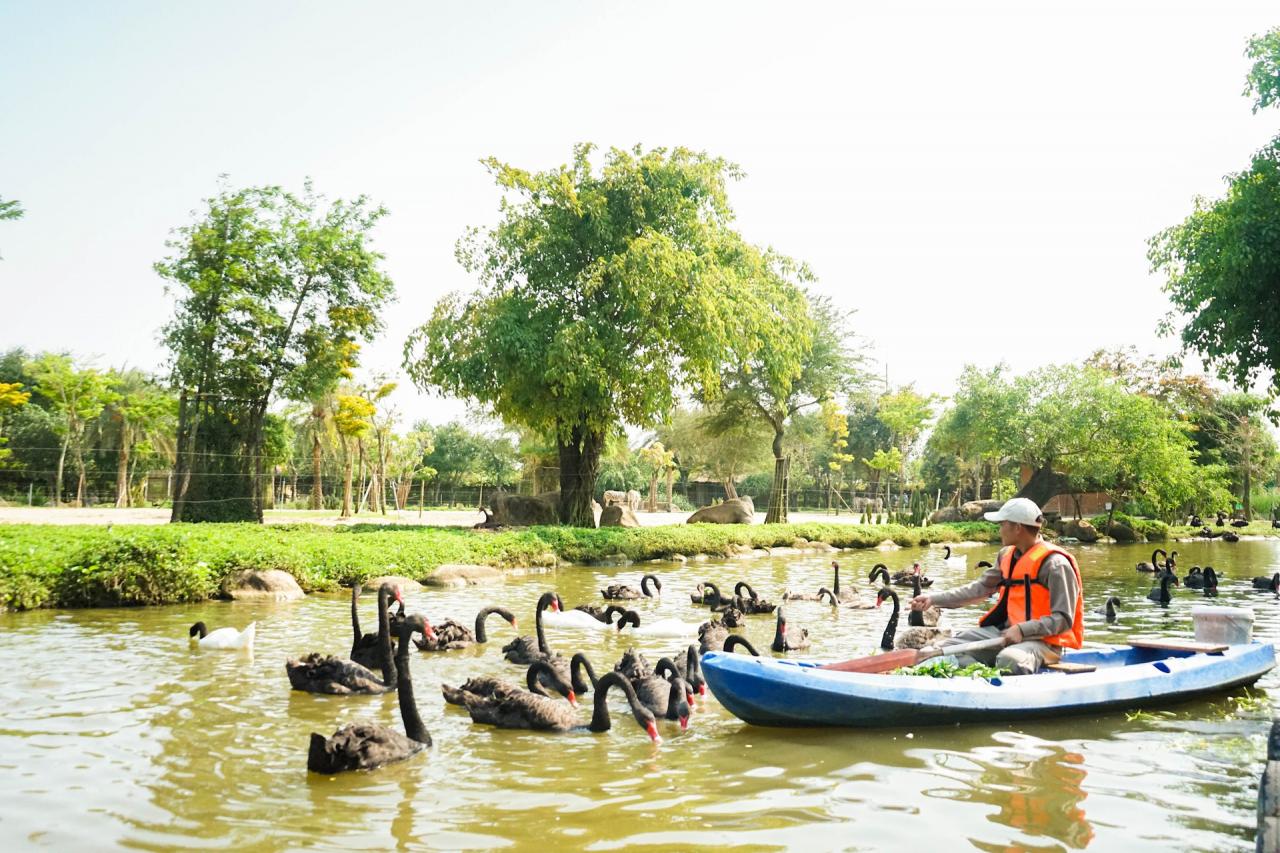
The happy home of all creatures.
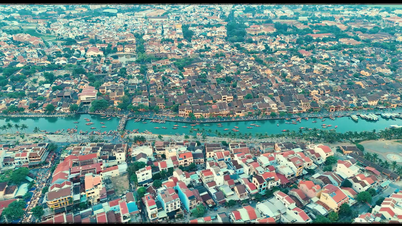
A "miniature Amazon" right in the middle of the white sands of Quang Nam province. Visitors to River Safari - located within the VinWonders Nam Hoi An entertainment and cultural experience complex - will meet thousands of "residents" living peacefully on unique islands.
Zebras graze leisurely, antelopes sleep peacefully with their heads resting on each other under the trees, the king of the jungle strides majestically, and swan families swim playfully… A vibrant and uninhibited scene in a tropical land like Vietnam.
River Safari Nam Hoi An has become the largest river-based wildlife conservation and safari park in Vietnam, home to 55 animal species and nearly 900 individual animals.
Along the riverbanks are four main wildlife habitats with many rare and extinct animals on the world 's conservation list, such as Bengal tigers, lions, scimitar-horned antelopes, spiral-horned antelopes, rhinoceroses, etc.
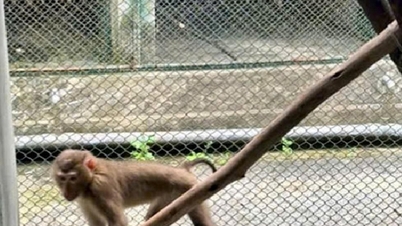
After nearly six years of operation, River Safari Nam Hoi An has now become a true "home" for rare and wild animals. Last August, it was officially recognized as a national center for the rescue and treatment of wild animals.
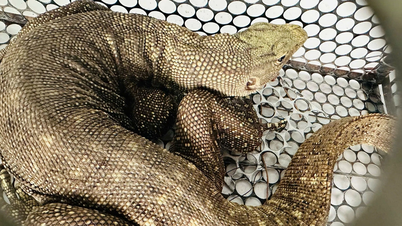
In just the first two months of 2024, the zoo was entrusted by the Pù Mát National Forest with the rescue of more than 1,500 animals belonging to 37 species, including parrots, monitor lizards, pythons, etc., covering a rescue distance of up to 1,500km.
Previously, River Safari received 27 individuals of ground squirrels, wallabies, giant capybaras, etc., from Quang Ninh province . These animals had been illegally hunted, smuggled, and kept in unsuitable environments, leading to various health and behavioral problems. To date, these animals have fully recovered and integrated into the "River Safari Nam Hoi An home."
Ms. Tran Thi Ngoc Giau, General Manager of VinWonders Nam Hoi An, said that after nearly 6 years of investment and effort in building a rescue and conservation center, River Safari is ready to provide the best living conditions, both physically and mentally, for wild animals.
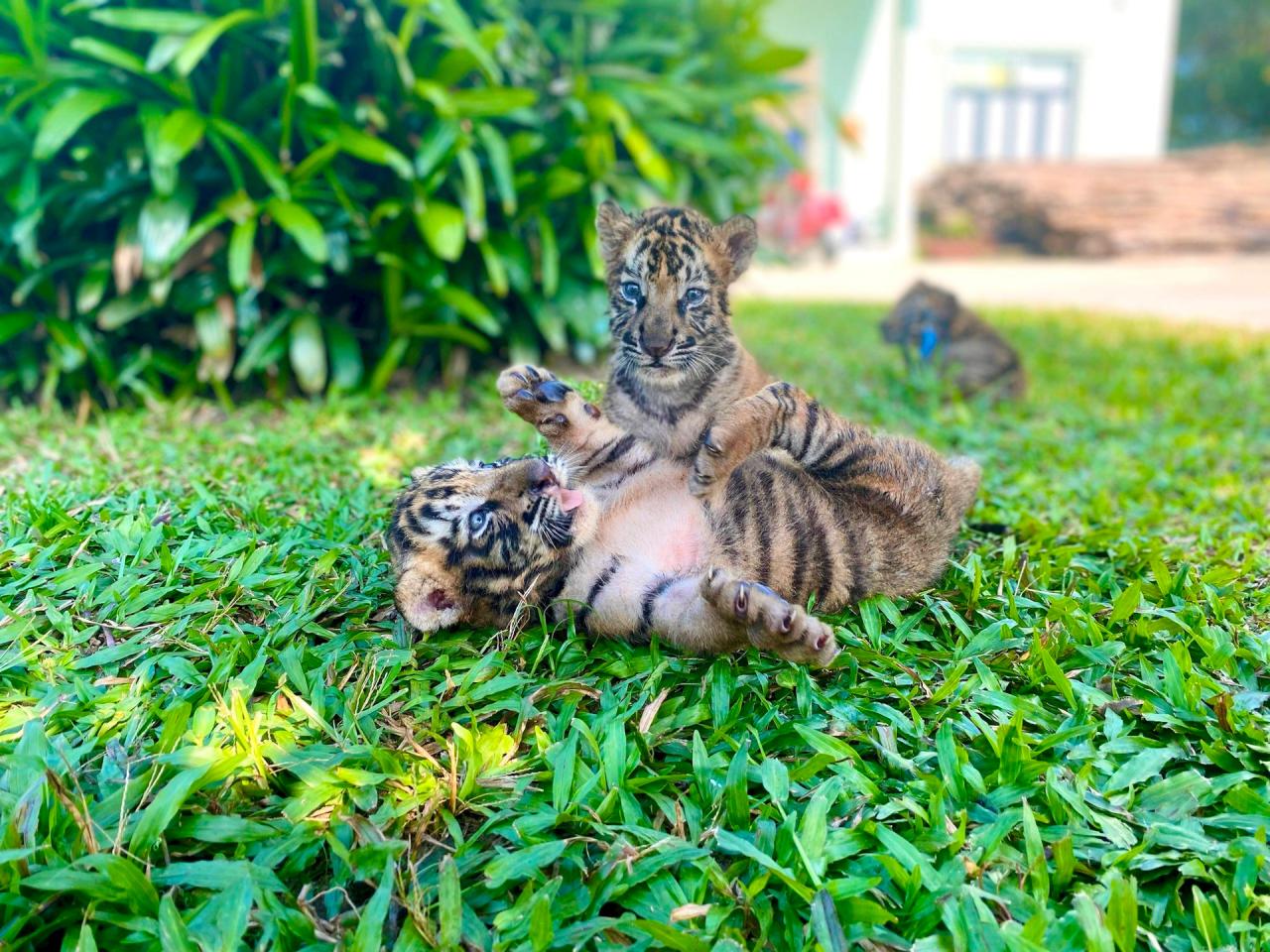
Wild animals not only have stable living conditions and follow a scientific schedule and diet, but they can also "form relationships" and create new families.
Hundreds of first-generation members of species such as lions, tigers, bears, antelopes, and black swans are vivid evidence of the joyful atmosphere at Vietnam's first river-based tourist zoo.
Ecotourism linked to biodiversity
In Vietnam, tourism destinations linked to biodiversity have become a major draw for tourists. For privately operated resorts, biodiversity conservation and protection is not only a local responsibility but, more broadly, represents an international value in the conservation of rare animals and the natural environment.
John Kiely Beebe Harris, USAID representative in Vietnam, stated that ecotourism goes hand in hand with protecting nature and culture. This also means protecting the future.
Biodiversity is recognized as a crucial natural asset for the development of the tourism industry in Vietnam. According to statistics from the Institute for Tourism Development Research, national parks and nature reserves in Vietnam currently attract more than 30% of the country's annual tourists.
Currently, in addition to River Safari Nam Hoi An, Quang Nam province is considering plans for in-situ conservation and relocation of rare species and genetic resources.
In addition to the wildlife rescue facility at River Safari Nam Hoi An, there will be the Cu Lao Cham Wildlife Rescue Center and the Song Thanh National Park Wildlife Rescue Center.
According to the Department of Culture, Sports and Tourism, Quang Nam has great tourism potential in all forms, and the development of tourism products associated with forest ecosystems and natural landscapes is being carefully considered.
Even in the recently published master plan of Quang Nam province, calculations for preserving biodiversity in conjunction with tourism development have been included.
In particular, the requirement to develop ecotourism and resort tourism will contribute to raising awareness among local people and tourists about the natural, cultural, historical, resource, and environmental values.
Ecotourism encompasses conservation, local economic development, and environmental education. The core principle of ecotourism is to minimize environmental impact, build environmental awareness, and create authentic experiences.
Quang Nam is also considering creating a legal framework to attract investment from the state, organizations, individuals, and domestic and foreign tourism businesses to develop ecotourism in each locality. In particular, biodiversity conservation will be integrated into programs and plans of the tourism industry as well as other economic sectors.
Source








































































Comment (0)