During the period 2021-2025, the poverty rate across the province decreased by an average of nearly 4% per year (reducing the number of poor households by 61,716), exceeding the government's target (3.5% per year); the poverty rate among ethnic minorities decreased by an average of 6.99% per year, exceeding the government's target (6% per year); by the end of 2025, the province's poverty rate will be reduced to 5.5%.
Notably, poverty reduction has been implemented comprehensively across multiple dimensions: income, housing, education , healthcare, clean water, access to information, etc. This has created a relatively comprehensive social security foundation, limiting both re-poverty and new poverty.
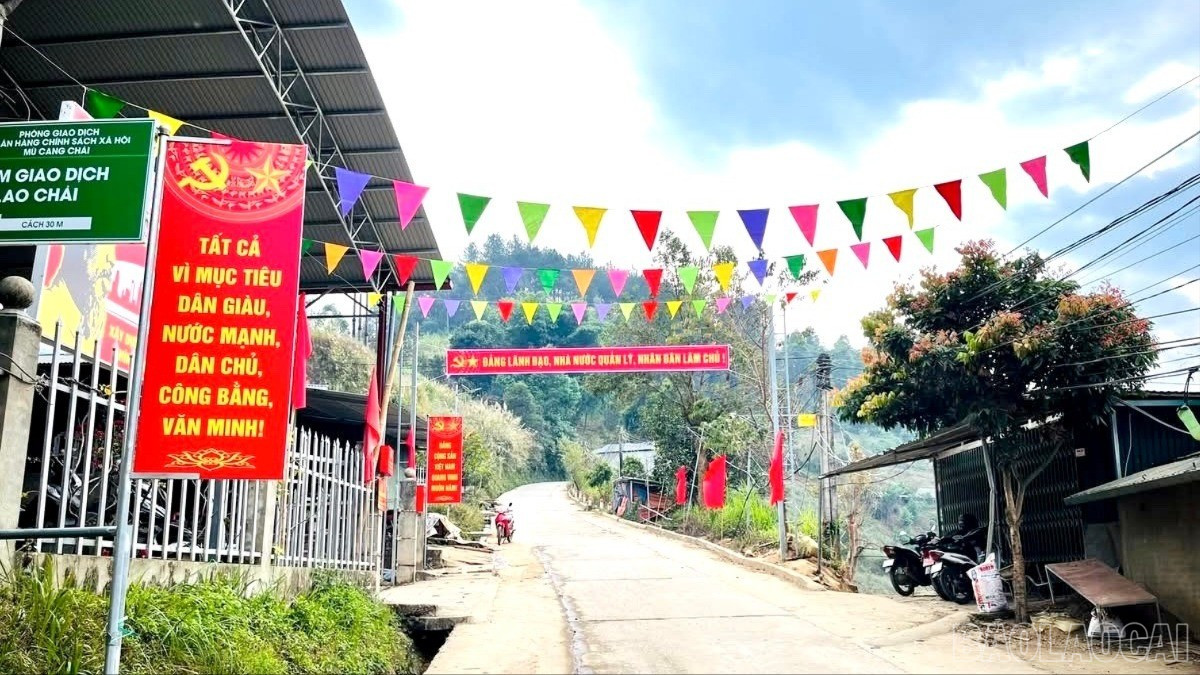
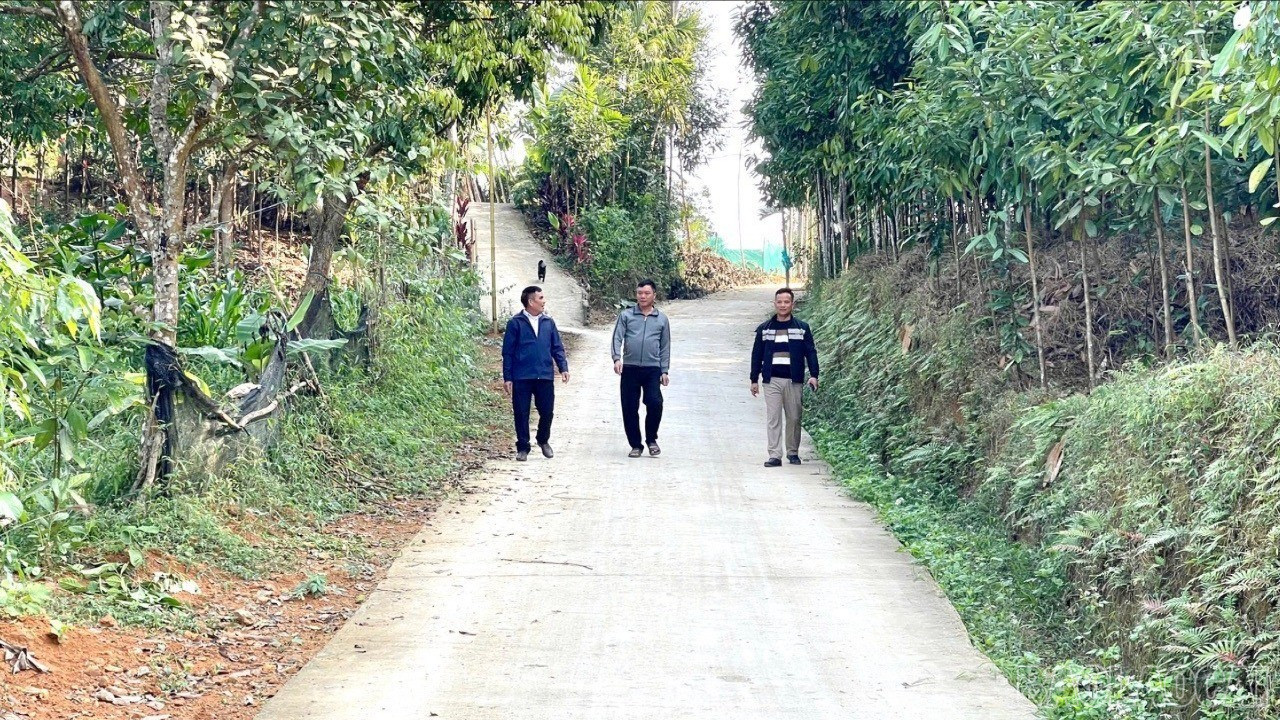
Poverty reduction efforts have been implemented comprehensively across many sectors, contributing to changing the face of rural Lao Cai .
Entering the implementation phase of Project 15 on multidimensional poverty reduction and social security assurance for the period 2026-2030, the province aims to reduce the average multidimensional poverty rate by 2.5-3% per year; striving to ensure that by 2030, at least 30% of poor communes escape the state of extreme hardship. The focus is not only on reducing the number of poor households but also on improving the quality of poverty reduction and narrowing the gap in living standards between regions.
In Nam Co commune, an area still facing many difficulties due to its fragmented terrain and frequent natural disasters, the approach to poverty reduction is determined in the following order of priority: stabilizing housing, strengthening livelihoods, and increasing income.

In 2025, Nam Co commune will have 157 households receiving support for building new houses or repairing existing ones, with a total budget of over 17 billion VND.
In 2025, the commune will have 157 households receiving support for building new houses or repairing existing ones, with a total budget of over 17 billion VND from the state budget, social contributions, and matching funds from the people. Housing support not only addresses immediate needs but also creates a foundation for "stable living," allowing people to confidently develop their economy.
Mr. Trang A Dinh, from Co Mong village, shared: “Previously, every rainy season, my family was worried. Since having a new house, I have invested in raising more buffaloes and cows to increase income. Only with a stable home can I dare to think about long-term business.”
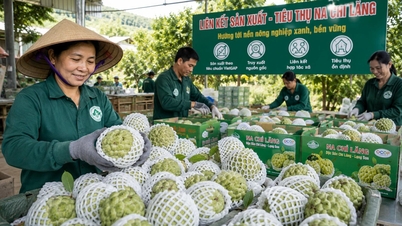
Based on that foundation, the commune focuses on developing livelihoods suitable to its natural conditions. In 2025, Nam Co commune received and distributed 82 buffaloes, 93 cows, and 12 horses from programs supporting poor, near-poor, and newly-escaped-poverty households; and simultaneously implemented a pilot project to plant VH6 pears on an area of 8.7 hectares.
Furthermore, with a total forest area of over 10,000 hectares, the policy of paying for forest environmental services has also brought stable annual income to many households, creating additional capital for reinvestment in production and covering living expenses. By 2025, the poverty rate in Nam Co commune will decrease from 57% to 43% (a reduction of 150 households); average per capita income will reach over 28.8 million VND/year.

Phinh Ho commune has over 300 hectares of tea plantations, including more than 100 hectares of ancient Shan Tuyet tea trees.
While Nam Co commune focuses on "settling down" to create a foundation for poverty reduction, in Phinh Ho commune, poverty reduction efforts are implemented in a way that enhances the value of key agricultural products.
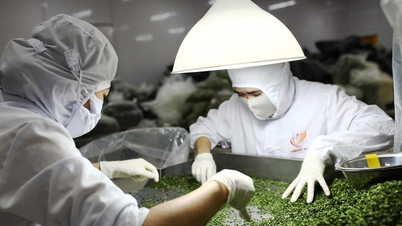
The locality has over 300 hectares of tea plantations, including more than 100 hectares of ancient Shan Tuyet tea trees – a rare and unique advantage. Instead of expanding the area, the commune focuses on improving quality, building brands, and establishing sales linkages.
On average, Phinh Ho produces about 500 tons of finished tea products annually, providing a stable source of income for many households.
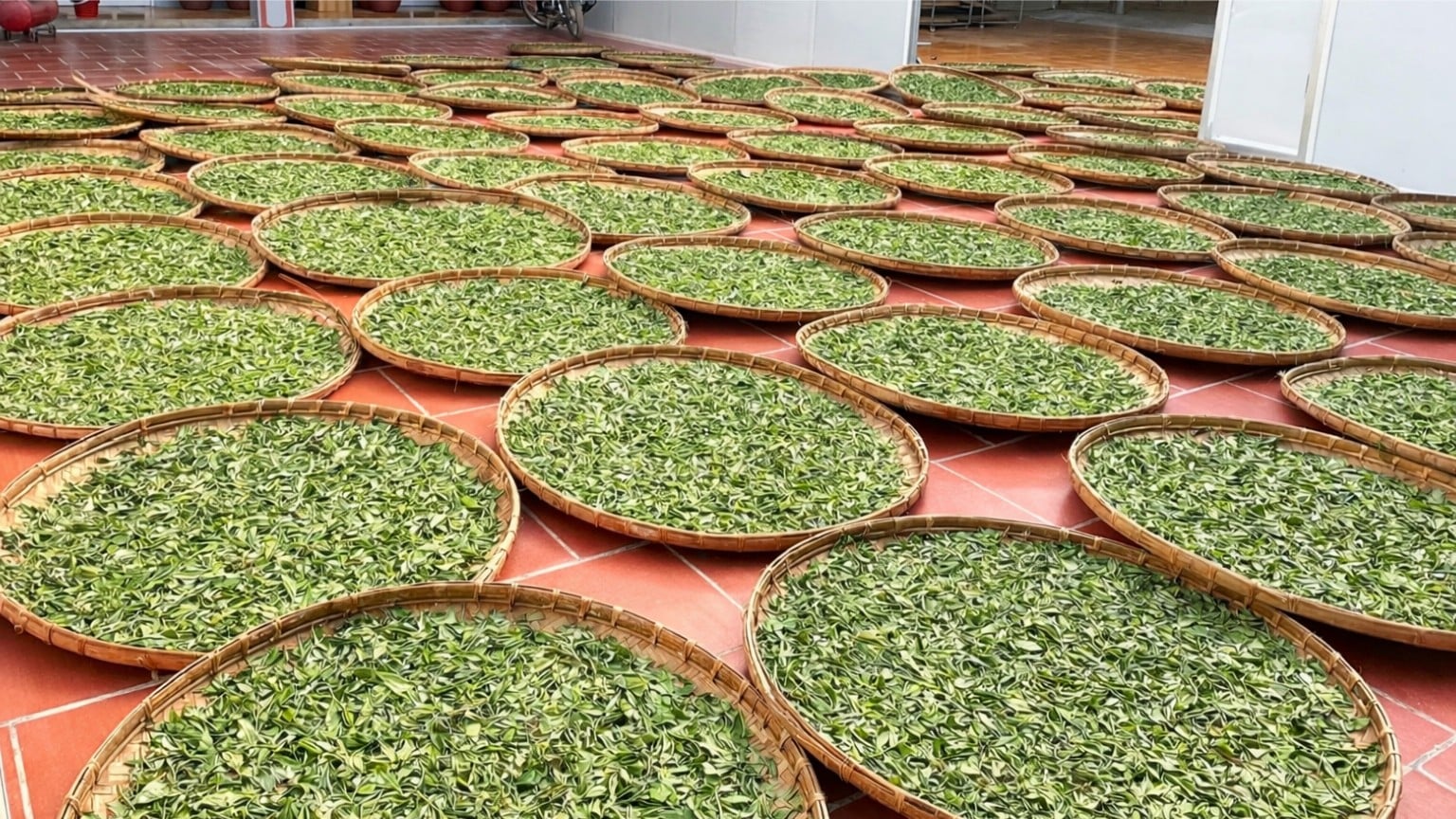
On average, Phinh Ho produces about 500 tons of finished tea products annually, providing a stable source of income for many households.
Besides the ancient Shan Tuyet tea trees, upland taro has also become a key crop in Phinh Ho, helping many households escape poverty. Currently, the entire commune has nearly 330 hectares of taro, with a yield of nearly 138 quintals/hectare, producing 4,580 tons, bringing in billions of dong in revenue each year for the people.
Comrade Nguyen Thanh Hung – Secretary of the Party Committee and Chairman of the People's Council of Phinh Ho commune, said: “To achieve sustainable poverty reduction, we must reorganize production, build value chains, and link production with the market. By 2025, the multidimensional poverty rate of the commune will decrease by 6.82% compared to the previous year.”

In Lam Thuong commune, the local Muscovy duck breed is being preserved for its genetic resources and developed into an OCOP (One Commune One Product) product.
In Lam Thuong commune, local advantages are being exploited in a standardized and brand-building manner. The local Muscovy duck breed is being preserved for its genetic resources and developed into an OCOP product; the snail farming model has been expanded with 60 households participating.
As one of the pioneering households in snail farming in Lam Thuong commune, Mr. Hoang Van Vuot, from Son Bac village, has invested in over 1,000 m² of snail ponds, earning a profit of over 100 million VND per year.
Mr. Vuot said: "Thanks to technical training and support in connecting with consumers, our output is stable, and my family feels confident in expanding our scale."


Lam Thuong commune has more than 60 households raising apple snails, which brings economic benefits.
Comrade Tran Quoc Tuan, Chairman of the People's Committee of Lam Thuong commune, affirmed: "Poverty reduction must be linked to improving production capacity and controlling risks. Only when products have brands and markets can people truly escape poverty sustainably."
By the end of 2025, the poverty rate in Lam Thuong commune will be reduced to 2.12%.
From the practical experience of localities, it is evident that multidimensional poverty reduction in Lao Cai is being implemented clearly and systematically: investing in essential infrastructure, supporting housing; developing livelihoods suitable for each region; expanding policy credit; vocational training and job creation; reorganizing production along value chains; and simultaneously improving access to basic social services.
Notably, the governance mindset has shifted from "supporting what is lacking" to "creating capacity for self-reliance." Instead of spreading resources thinly, the province focuses on key areas: safe housing, valuable livelihoods, stable markets, and improving the skills of the workforce. This is a fundamental solution to prevent re-poverty – a major challenge in mountainous areas and ethnic minority regions.
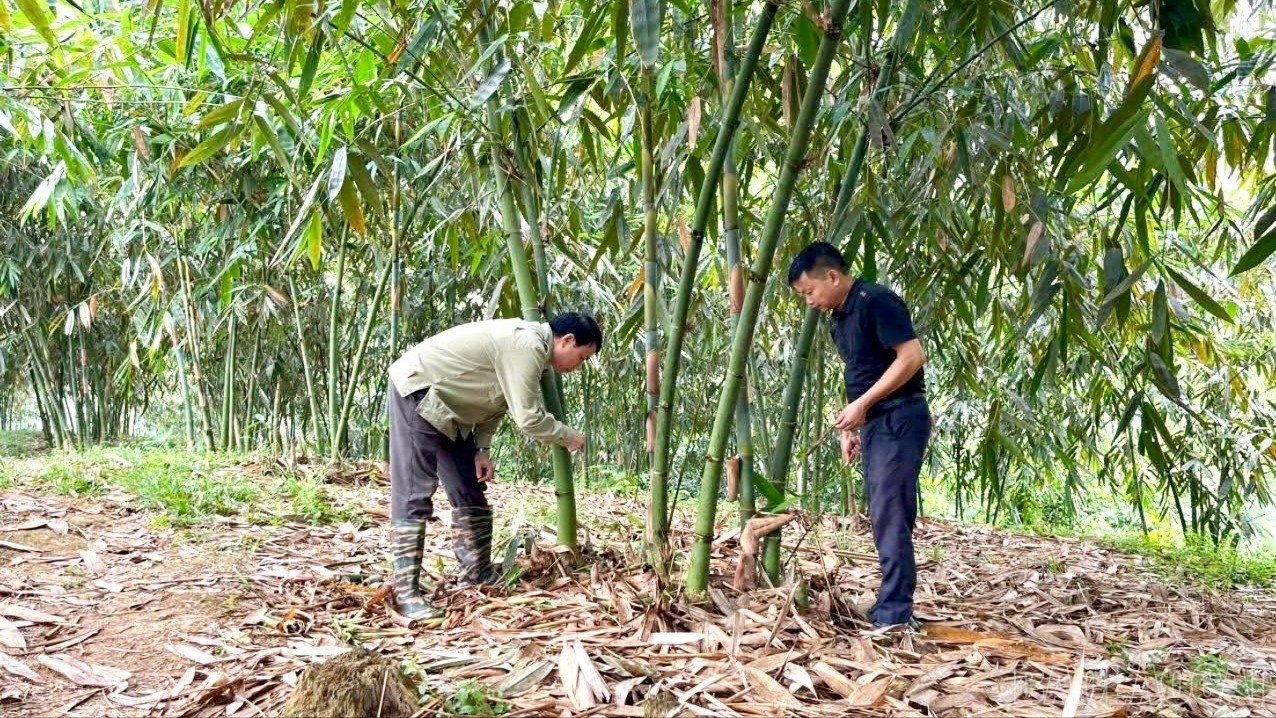

Livelihood models that support people's development have been effectively implemented in many localities.
Sustainable poverty reduction is therefore not only a social welfare task but also a prerequisite for consolidating social stability and creating room for long-term growth. With a multi-faceted, systematic, and grassroots approach, Lao Cai is not only reducing poverty in terms of quantity but is also gradually improving the quality of life for its people – creating a solid foundation for entering a new phase of more proactive, stable, and sustainable development.
During the period 2021-2025, Lao Cai province effectively utilized diverse resources for poverty reduction and achieved many results in socio-economic development: the entire province upgraded, renovated, and paved 3,820 km of inter-commune and rural roads; 100% of communes have access to the national power grid; 98% of the rural population has access to clean water; 91% of communes and wards meet national criteria for healthcare; 75.1% of schools meet national standards; the rate of trained labor reached 70%; 100% of poor and near-poor households and social welfare beneficiaries have been granted health insurance cards; the entire province has supported the construction of over 26,000 houses for families of revolutionary martyrs, poor households, near-poor households, and households affected by natural disasters...
Source: https://baolaocai.vn/lao-cai-tang-cuong-giai-phap-giam-ngheo-da-chieu-post894521.html




![[Photo] General Secretary and President To Lam presides over a meeting on preparations for the review of one year of operation of the three-tiered government system.](https://vphoto.vietnam.vn/thumb/1200x675/vietnam/resource/IMAGE/2026/06/02/1780391821195_a1-bnd-4595-9717-jpg.webp)














































































Comment (0)