

Effective
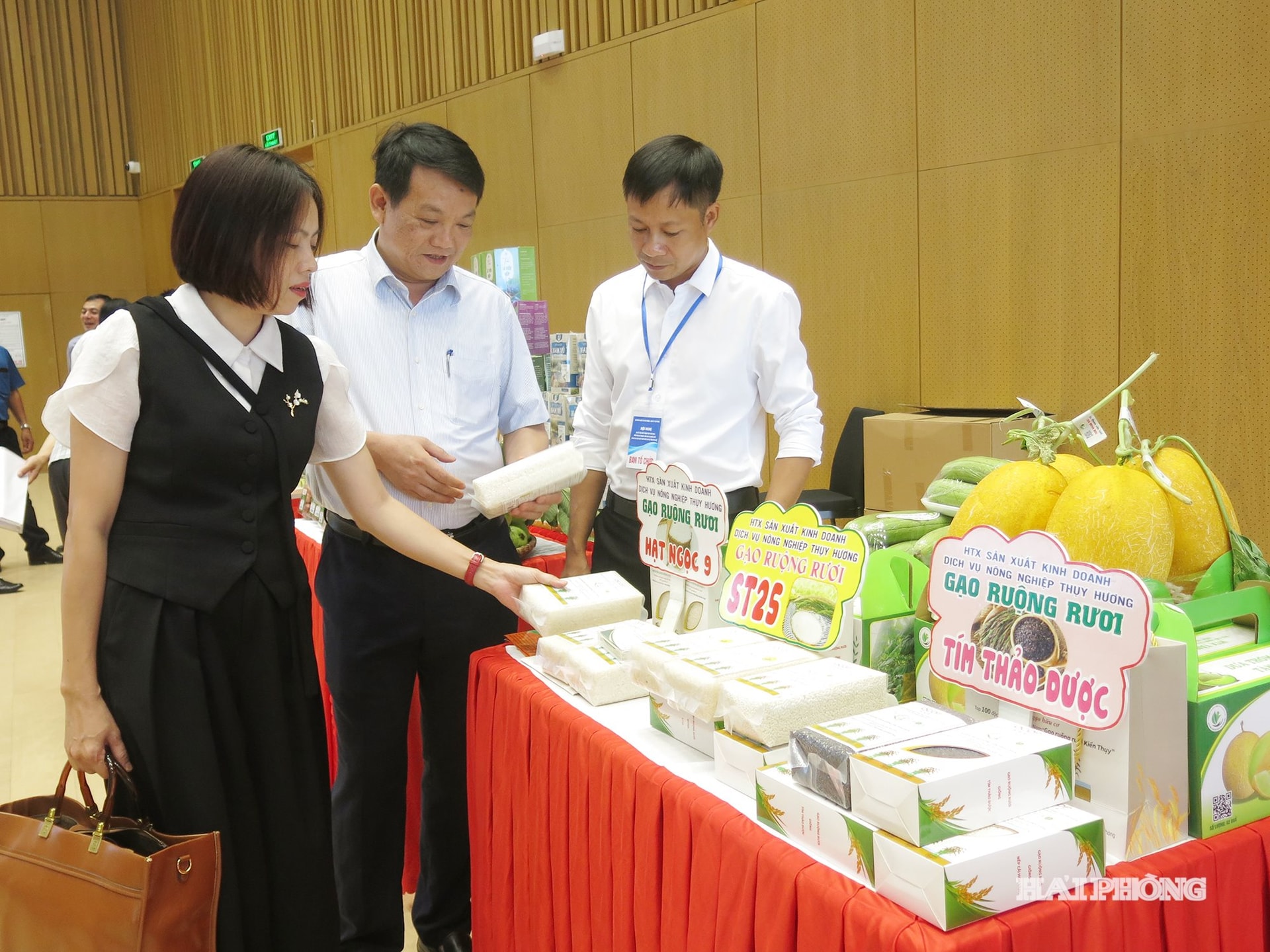
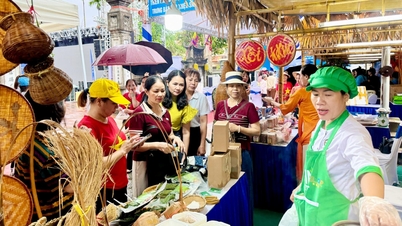
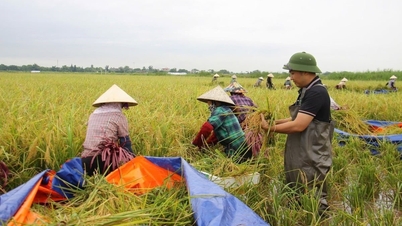
Currently, the city has many agricultural cooperatives operating along value chains in the fields of crop cultivation, livestock farming, and aquaculture. Chain linkages have become an inevitable development trend, contributing to the promotion of commercial agricultural production, the application of high technology, and sustainable development. Through chain linkages, farmers' production mindset is gradually changing towards greater professionalism, products are diversified, quality is improved, and they meet standards such as VietGAP, organic farming, and HACCP.
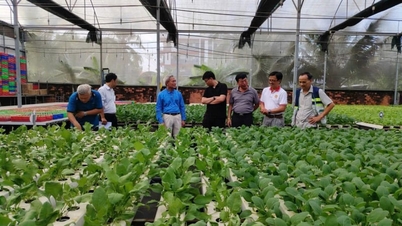
Tan Minh Duc Cooperative in Truong Tan commune is one of the leading units in the model of production linkage along the value chain. Initially, the cooperative had only 27 hectares of cultivated land, focusing on producing safe vegetables and fruits according to VietGAP standards. However, due to difficulties in the consumer market, the products often faced the situation of bumper harvests but low prices. Faced with this reality, the cooperative shifted towards concentrated production and value chain linkage to provide safe, high-quality agricultural products to the market.
To date, the cooperative has over 95 hectares of cultivated land, including more than 60 hectares of high-tech greenhouse production, generating revenue of over 2 billion VND per hectare. The value chain linkage allows the cooperative to proactively develop production plans, stabilize output, increase the value of agricultural products, and create regular jobs and stable income for many local workers.
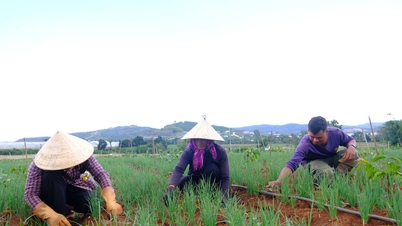
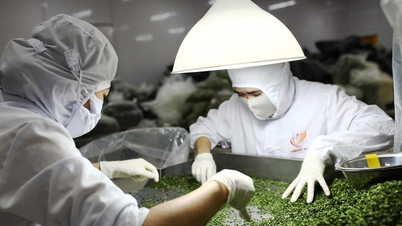
The Minh Tan Cooperative (Thai Tan commune) recently implemented a production chain linkage model with Ameii Vietnam Joint Stock Company. During the winter season, the cooperative has 10 hectares dedicated to specialized production linked with the company for export. According to Dang Duc Khuong, Director of the Minh Tan Cooperative, this production chain linkage helps the cooperative and farmers stabilize output, eliminating the worry of "bumper harvests leading to low prices." Simultaneously, investment costs are reduced thanks to the company's support in terms of seeds, techniques, and production materials.
According to Mr. Khuong, because the products are aimed at the export market, farmers must strictly adhere to safe production processes as required by businesses. As a result, farmers' production practices are gradually changing towards a more systematic and professional approach.
Currently, the city has many cooperative models linking supply chains in livestock, aquaculture, and crop production. Typical examples include the supply chain linkages of Cam Dong Livestock and Commercial Services Cooperative; Tan Minh Duc; Ha Tien Specialty Products Co., Ltd.… linking with businesses such as CP Vietnam Livestock Corporation, Japfa Comfeed Vietnam Co., Ltd., Luong Hue Poultry Breeding Corporation, Ameii Vietnam Corporation…
Opening up avenues for replicating the model.
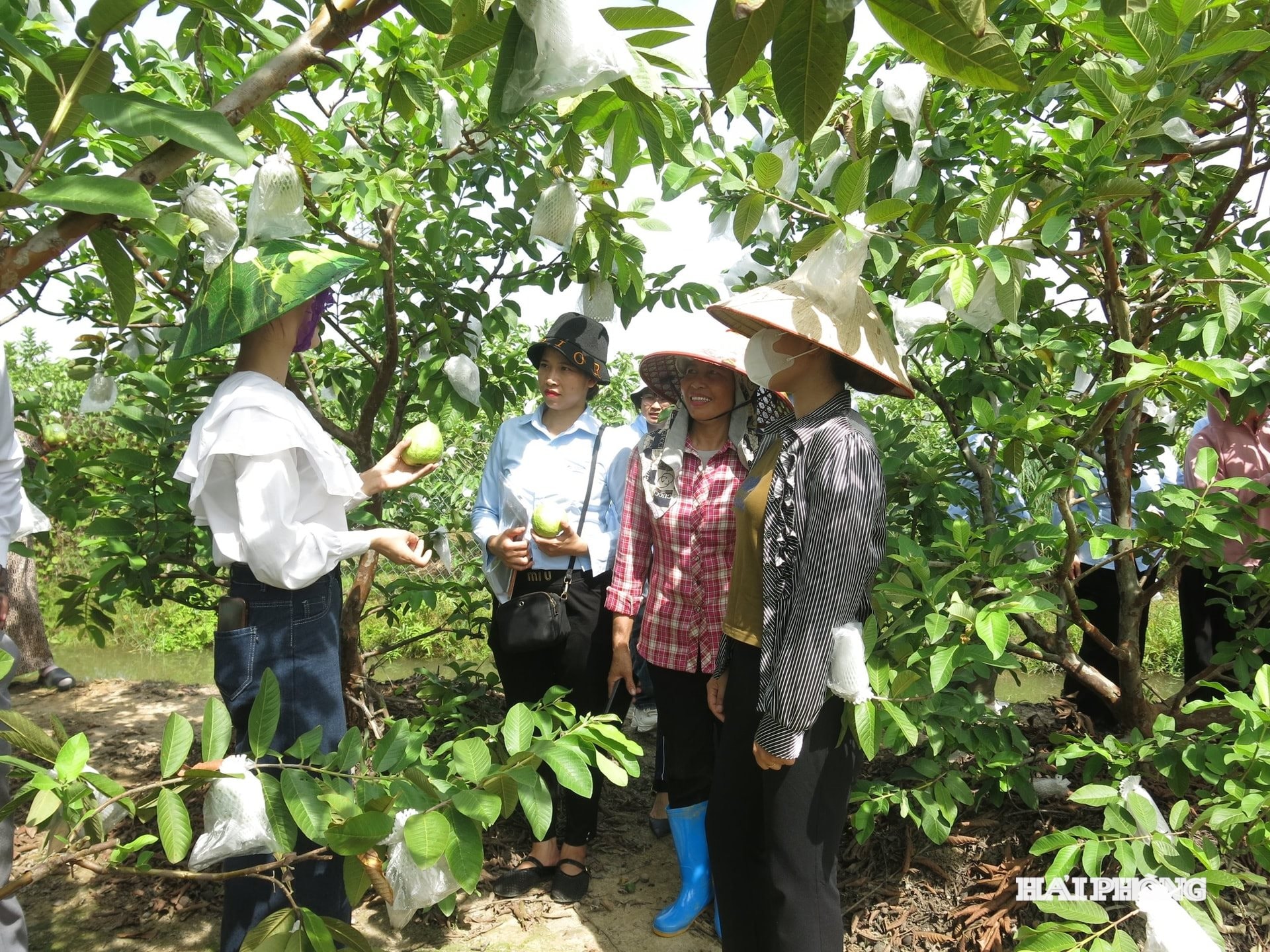
Despite its many benefits, developing value chain linkages still faces numerous challenges. Some mechanisms and policies supporting production along the value chain have not been effective. Many cooperatives lack the necessary resources to expand their linkages.
Furthermore, agricultural production is fraught with risks, which discourages intermediary distribution businesses from making long-term investments. The linkages between cooperatives, businesses, and producers in some areas are not truly sustainable due to a lack of mechanisms for sharing profits and risks. Meanwhile, the market is still a mix of safe products and products of unknown origin, affecting the competitiveness of agricultural products within the supply chain.
To overcome difficulties and promote the development and expansion of supply chains, Nguyen Huu Dao, Vice Chairman of the Hai Phong Cooperative Union, suggested that cooperatives need to proactively reorganize production, improve management capacity, and actively seek partners for product consumption. The 2023 Cooperative Law also opens up many preferential mechanisms, creating favorable conditions for cooperatives to develop more effectively in the future.
Mr. Dong Quoc Tra, Deputy Head of the Hai Phong Rural Development Sub-Department, said that management agencies need to advise on building mechanisms and policies to encourage cooperation between farmers, cooperatives, and businesses, forming a linked chain from production to consumption. On the part of cooperatives, they need to proactively build specialized farming areas and concentrated raw material areas, promote land consolidation; and develop planting area codes and QR codes to ensure traceability, enhance product transparency, and meet the increasingly high demands of the market.
HUONG ANSource: https://baohaiphong.vn/lien-ket-chuoi-mo-loi-cho-nong-san-544341.html





















































































Comment (0)