

Unique advantages, shared value
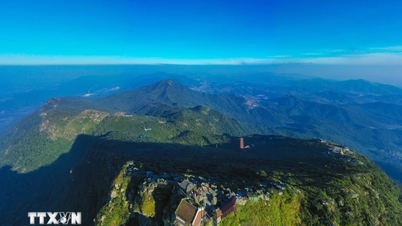
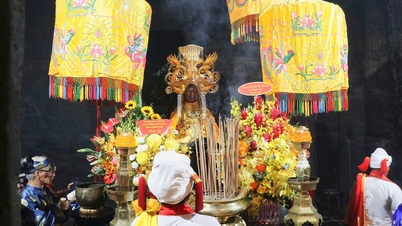
Early in the morning on the summit of Mount Cam, breathing in the fresh air at an altitude of over 700m, Ms. Nguyen Thu Hong – a tourist from Hanoi – was delighted to watch the clouds drift gently past the statue of Maitreya Buddha, resembling a heavenly realm. Ms. Hong said that she had traveled to many places in the Mekong Delta, but An Giang was the most attractive destination, giving her a unique feeling due to its grandeur, sacredness, and local cultural values. “After traveling in Ho Chi Minh City, our group of four continued our 6-day, 5-night journey from Can Tho City – Chau Doc – Tra Su Melaleuca Forest – Ba Chua Xu Temple on Mount Sam – Chau Phong Cham Village, then traveling to Phu Quoc to fly back to Hanoi. During this trip, I was impressed by the fascinating experiences and the way the destinations were developed and connected quite logically and seamlessly,” Ms. Hong said.

Tourists visit Tra Su Melaleuca Forest. Photo: THANH CHINH
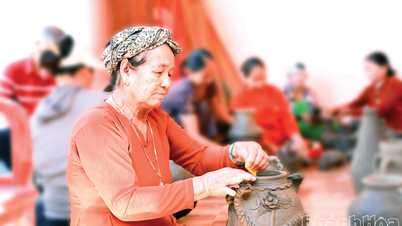
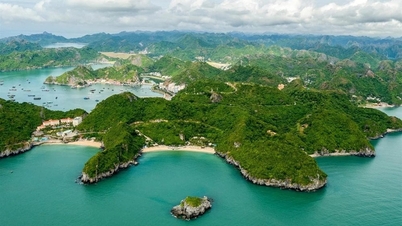
An Giang is blessed with a unique system of mountains amidst the plains, a diverse marine and island ecosystem, and the rich cultural heritage of the Kinh, Hoa, Khmer, and Cham ethnic communities. Many landmarks, such as the Ba Chua Xu Temple on Sam Mountain, Cam Mountain, Ha Tien, and traditional craft villages, attract a large number of tourists. However, the number of day-trip visitors and those staying overnight at these tourist destinations is not high. Therefore, linking these areas has led to the formation of interconnected tourist routes, providing visitors with diverse experiences and enhancing the value and attractiveness of each destination.
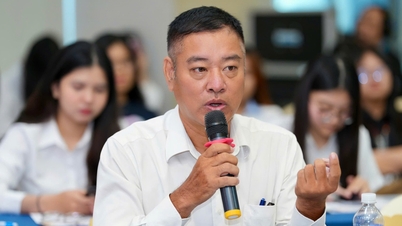
Besides developing attractive tour programs, businesses also suggested and proposed many solutions to An Giang for building tours, destinations, and tourism products within the context of the Mekong Delta region. Mr. Tran Thanh Nghi, Director of Ben Thanh Tourist's Can Tho branch, believes that An Giang should develop community-based tourism linked to the cultures of the Khmer, Hoa, and Cham ethnic groups as a new, strategic direction, creating a breakthrough for An Giang in the integration period. Mr. Nghi proposed the model "Colors of the Mekong Border at the Cultural Crossroads." With this model, the locality can apply VR/AR in cultural reconstruction through digital technology , such as reconstructing the Oc Eo relics, Khmer-Hoa-Cham villages in 3D, recreating historical spaces through VR glasses... to digitize heritage - modernize experiences - and globalize promotion.
Towards sustainable development
Ms. Le Dinh Minh Thy, Director of Vietravel Can Tho, pointed out four strategic product groups that An Giang needs to exploit: spiritual and cultural tourism, eco-tourism during the flood season, border and commercial tourism, and community-based tourism linked to heritage preservation. Based on this, Ms. Thy proposed unique combined tour products: From That Son to the pearl sea, a colorful spiritual and sea-sky tour connecting Bung Binh Thien, a 1-day, 2-country, 1-night island tour; a caravan route connecting Long Xuyen, Chau Doc, Tinh Bien, Ha Tien, Rach Gia, Phu Quoc… “To increase attractiveness and extend the length of stay for tourists, An Giang needs to strengthen the connection of tourism routes and destinations at all three levels: within the province, inter-regional, and cross-border,” Ms. Thy emphasized.
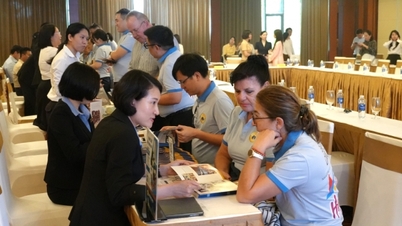
With increasing competition in the tourism industry, regional linkages have helped the provinces and cities in the Mekong Delta become important levers in developing tourist routes and destinations, and promoting sustainable tourism development in these localities. However, tourism linkages between localities have not been as effective as expected, focusing only on promotion and marketing, while core issues such as product development and policy mechanisms have been neglected. Therefore, localities and businesses need a closer collaboration to make the linkages more substantive and effective. This includes localities, businesses, and tourism associations strongly promoting cooperation and linkages between provinces in the region, not only in the development of tourism products but also in connecting transportation infrastructure. Simultaneously, trade and tourism promotion must be considered, creating a unified tourism value chain to enhance the attractiveness of tourism in the region.
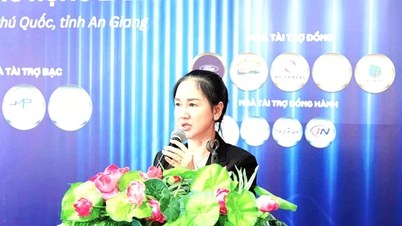
According to Bui Quoc Thai, Director of the Department of Tourism, the Mekong Delta region and Ho Chi Minh City have collaborated to develop three tourism routes: "The Alluvial Roads," "Picturesque Landscapes," and "Colorful Border Regions." From these routes, travel companies design itineraries full of experiences, exploiting the unique characteristics of each locality, while also connecting with Ho Chi Minh City to access international markets. "In the future, An Giang will continue to strengthen regional linkages; develop high-end resort tourism products, MICE tourism, cultural, spiritual, and health-focused experiential tourism… to enhance competitiveness and gradually transform the province's tourism into a comprehensive tourism center connecting the sea, border, and inland areas of the Mekong Delta, reaching out to the world," Mr. Thai stated.
PHAM HIEU
Source: https://baoangiang.com.vn/lien-ket-de-du-lich-an-giang-but-pha-a478614.html




















































Comment (0)