


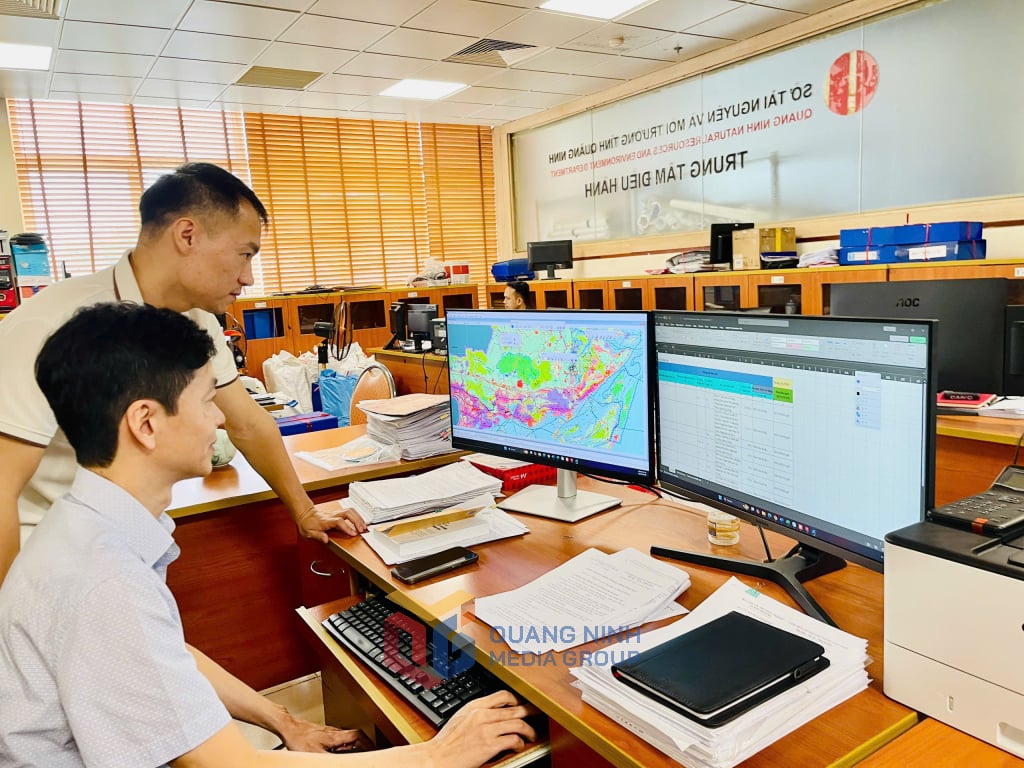
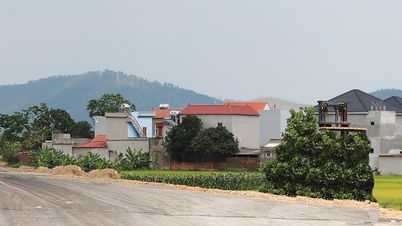
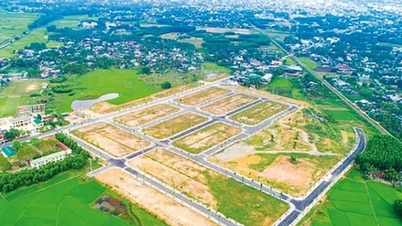
According to official statistics, the province has nearly 2 million land parcels, and the land information data system is limited, with most management methods relying on traditional paper records. Significantly, approximately 80% of petitions, complaints, and denunciations in the province relate to land issues. One of the main reasons is the inconsistent and non-compliant verification of land use origins by households and organizations. This leads to significant delays in searching and retrieving information by authorities, and increases the risk of regrettable errors.
To address this issue, the province has focused on digitizing land management over the years. Since 2021, the province has been testing the VNPT iLIS and VBDLIS (Land Management Information System) software, and subsequently decided to select the VNPT iLIS system for widespread implementation. This platform effectively meets the local land management requirements, allowing integration with other specialized databases as well as connection to the national land database.
From the beginning of 2025, the Department of Natural Resources and Environment (now the Department of Agriculture and Environment) officially put this software into operation, serving the issuance of land use right certificates and managing land changes throughout the province. The province is finalizing the mechanism for outsourcing IT services to ensure the continuity, modernity, and synchronization of the system.
This is also an advantage for the province in implementing Plan No. 515/KH-BCA-BNNMT (dated August 31, 2025) of the Ministry of Public Security and the Ministry of Agriculture and Environment "Implementing the Campaign to Enrich and Clean Up the National Land Database" (from September 1 to November 30, 2025). This is an urgent task because land data is currently scattered, lacks synchronization, and in many cases has not been updated with changes, causing difficulties in management, exploitation, and serving the people and businesses.
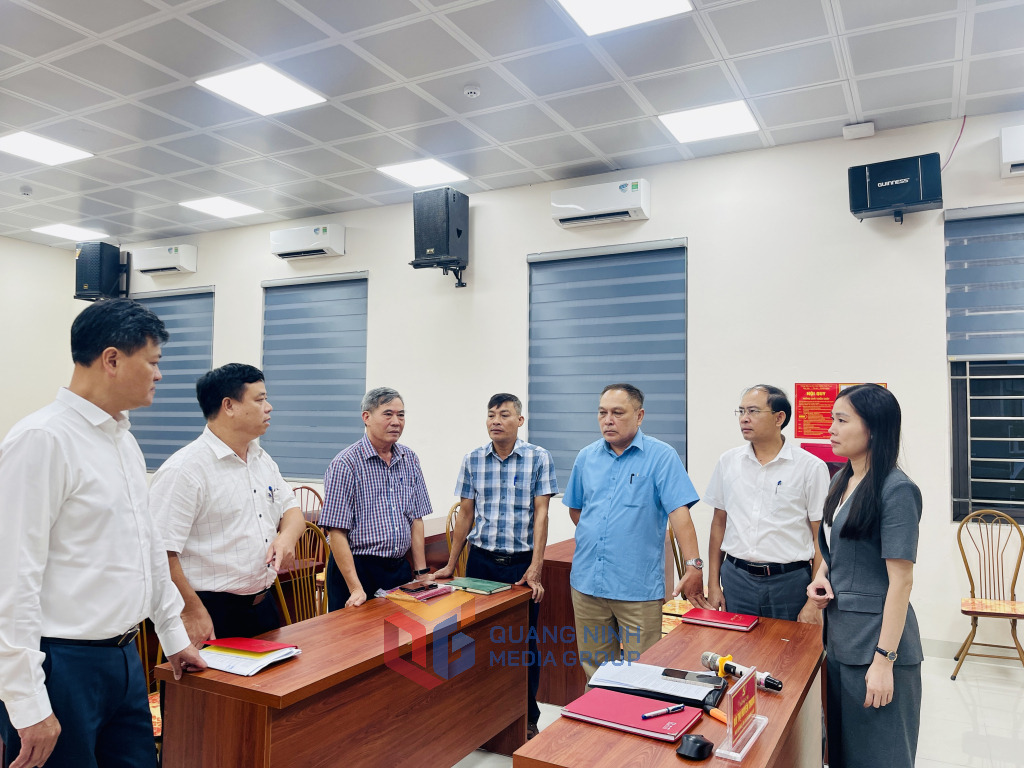
To implement the Campaign, the Provincial People's Committee issued a plan, established a Steering Committee and a provincial-level working group chaired by the Department of Agriculture and Environment, in coordination with the Provincial Police, the Department of Science and Technology, the Provincial Tax Department, the Provincial Public Administration Service Center, the Provincial Land Registration Office, and the People's Committees of the localities.
Following the provincial plan, on September 10, 2025, the departments, agencies, and People's Committees of communes, wards, and special zones of the province organized conferences to disseminate and explain the content and technical guidance of the Campaign.
The Department of Agriculture and Environment established a specialized task force and developed a detailed plan with the following implementation steps: Review and classify data into three groups (correct - complete - clean - active; needing correction; needing supplementation and synchronization); revise the land database according to the two-tiered local government model, and simultaneously assign land parcel identification codes for integration with the national digital address system; collect and synthesize actual data from the Provincial Land Registration Office, its branches, and land certificate records from various periods, supplementing data on Citizen Identification Cards to connect with the National Population Database; synchronize data according to technical standards (XML, GML) and prepare for trial integration with the national system. These steps are being implemented urgently according to the principle of "cleaning up as you go," ensuring the 90-day deadline as required by the central government.
The timeline is as follows: By September 25th, complete the review and compile a list of land users and property owners who have been issued land use certificates but have not yet had their citizen identification cards verified; by October 30th, ensure that the number of verified land parcel data with the National Population Database reaches over 95%; by November 15th, create data for land parcels not yet in the system; by November 30th, conclude the campaign and synchronize data to the central system.
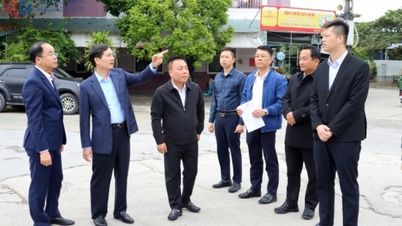
Mr. Phan Thanh Nghi, Deputy Director of the Department of Agriculture and Environment, said: To ensure the campaign reaches its target as planned, localities are stepping up propaganda efforts to help people understand the significance of the campaign, while actively cooperating in providing necessary documents and paperwork. Commune-level police are coordinating with local authorities in collecting information, verifying identities, and assisting people in updating their data. Implementation must be carried out seriously, ensuring quality and long-term effectiveness.
Following the 90-day campaign, Quang Ninh aims to build a unified and synchronized land database, connected to the national population database and other digital platforms. This system will not only serve state management but also contribute to the transparency of land information, reduce disputes and complaints, and create a favorable investment and business environment.
This is also an important step for the province to realize the goals in the Government's Project 06 on digital transformation and simplification of administrative procedures. When land data is "accurate - complete - clean - and active," people can carry out many procedures online, reducing time and costs, and increasing satisfaction.
Source: https://baoquangninh.vn/minh-bach-hoa-du-lieu-ve-dat-dai-3377131.html



























![[Photo] A large number of people offer incense and visit the Ho Chi Minh Memorial Church.](https://vphoto.vietnam.vn/thumb/1200x675/vietnam/resource/IMAGE/2026/02/21/1771668099014_ndo_br_12-resize-7721-jpg.webp)



























































Comment (0)