

Linkage effectiveness
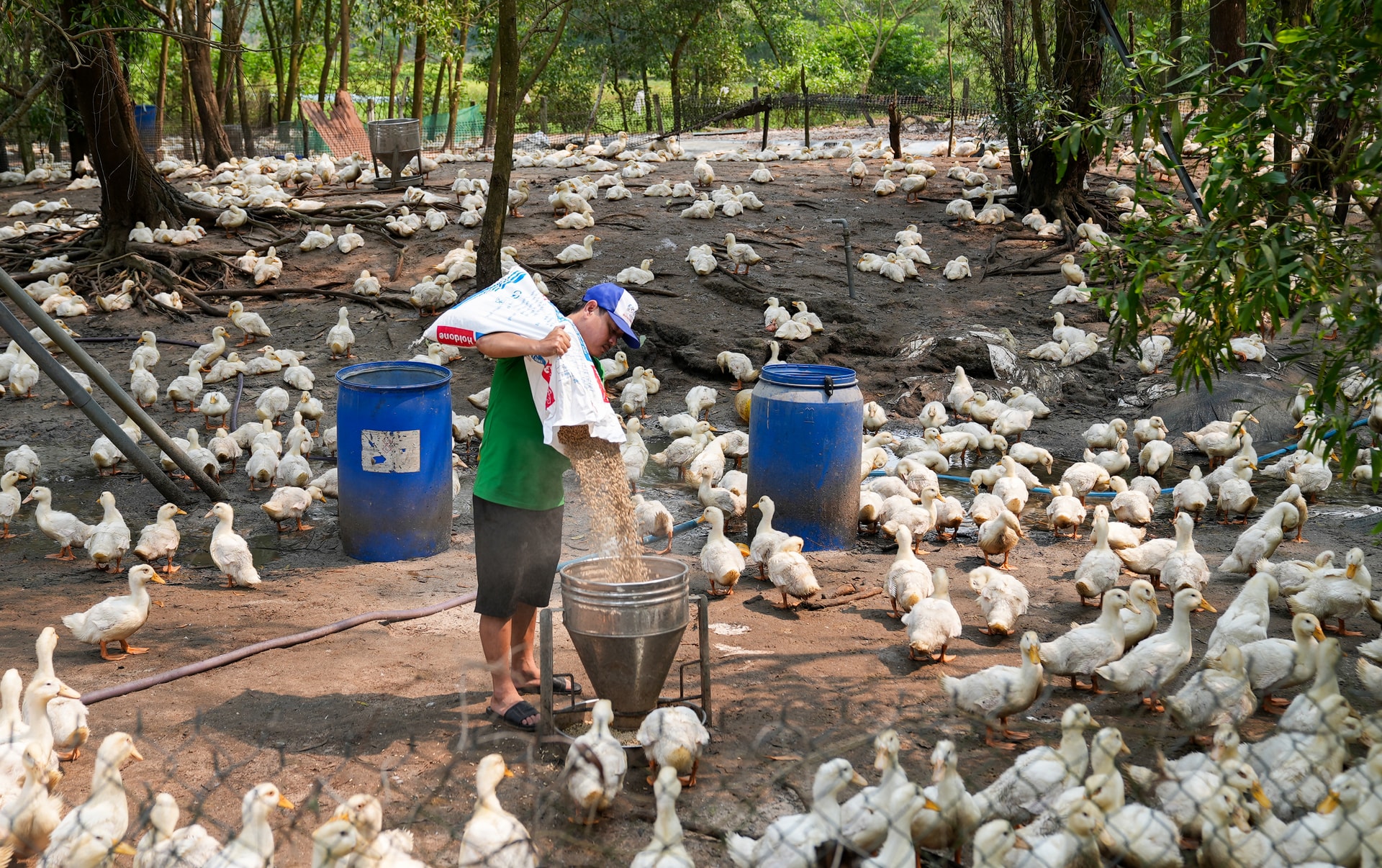
Mr. Le Van Phu (Vinh Binh residential area, Ban Thach ward) said that each year his family not only maintains a stable scale of raising 14,000 - 15,000 chickens and ducks, but also proactively links with 10 households in neighboring areas to jointly develop the economy .
Mr. Phu shared that after building the model, he has mastered the breeding process, from finding suitable breeds and feed sources to ensuring adaptability to weather conditions and high resistance to disease. In particular, the breeding process requires careful consideration of weather factors and market demand to choose the optimal time to import chicken or duck breeds.
Mr. Phu is willing to share these livestock farming techniques and experiences with the affiliated households. He also commits to ensuring the price, quality of breeding stock, and feed sources, and actively expands partnerships with consumers to stabilize output.
Ms. Tran Thi Thu Ha (An Ha Trung residential area, Quang Phu ward) said: “I maintain a duck farming operation with about 12,000 ducks per year. When I partnered with Mr. Le Van Phu's household, I felt completely secure about the breeding stock and feed. As long as I applied the correct techniques and administered all necessary vaccinations, the ducks were guaranteed to be safe. In the future, I plan to expand my farming scale to increase market supply and boost my income.”
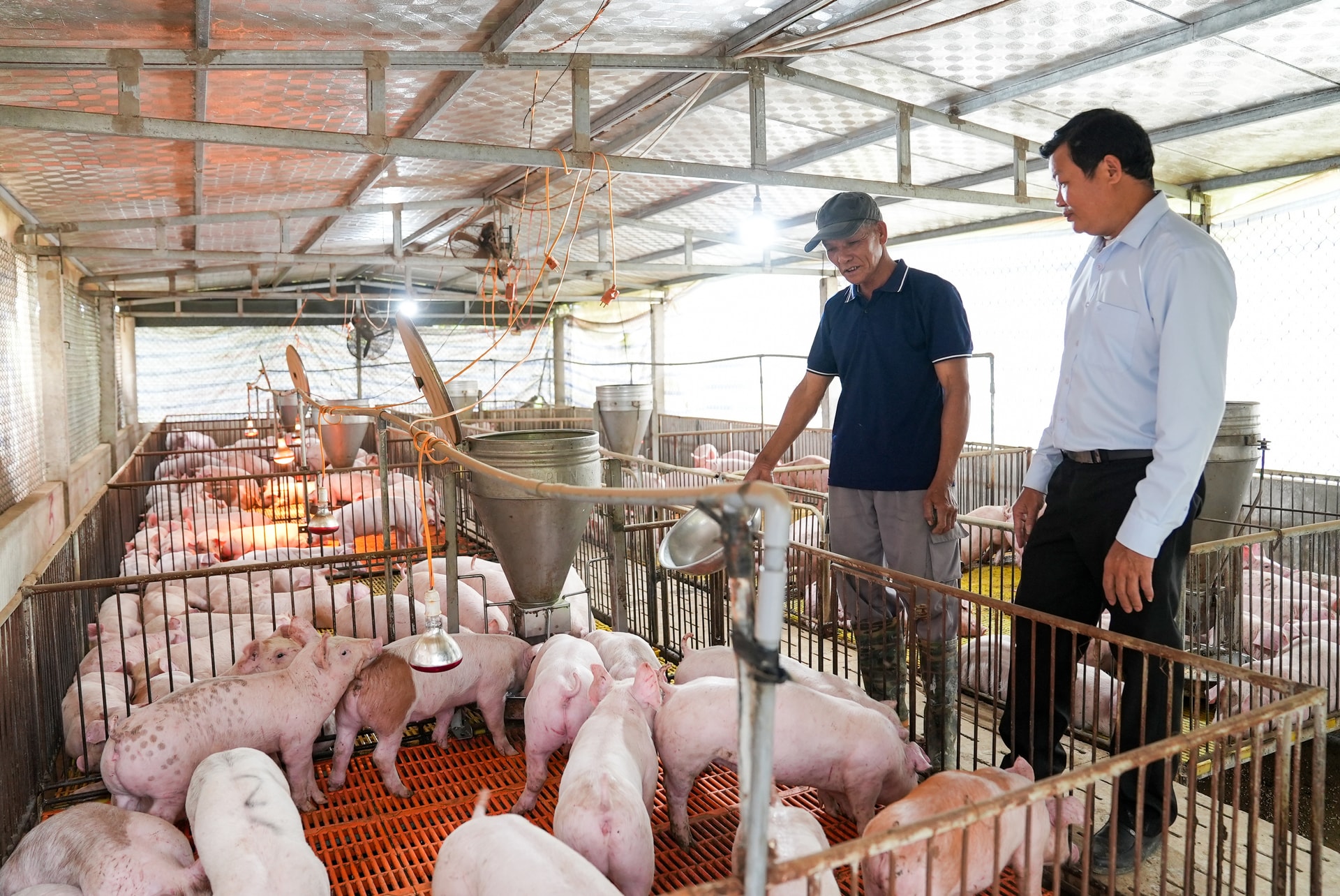
In Tien Phuoc commune, Ms. Nguyen Thi Dong's pig farming cooperative model is expanding. Ms. Dong shared that after researching, she experimented with raising 50 super-meat pigs. Each super-meat pig, consuming approximately 8-9 bags of feed, reaches a weight of 100-130 kg, meeting the requirements for sale. After deducting expenses, the profit earned is 1-1.5 million VND higher per pig than local pig breeds.
Ms. Dong currently maintains a farm spanning approximately 3 hectares, raising around 4,000 pigs for both meat production and supplying breeding stock to local residents. She also strengthens partnerships with local people by providing technical support, breeding stock, and feed. Profits after sales are shared according to an initially agreed-upon ratio, thus providing a stable income for participating households.
“Initially, local people were worried because the new pig breed was twice as expensive as local breeds. Not to mention, the African swine fever situation made them hesitant to restock. When I stepped in as the liaison, guaranteeing the breeding stock and market outlets, the farmers felt reassured and invested, expanding their scale. To date, the scale of pig farming in the region has reached approximately 10,000 pigs.”
Prioritizing disease safety.
In Duc Bo 2 village, Tam Anh commune, Mr. Nguyen Tan Hung has invested over 1 billion VND to build a farm for raising sows and fattening pigs, maintaining stable operations for over 5 years. Currently, the farm is raising approximately 300 fattening pigs and 60 sows. Mr. Hung is continuing to expand the farm to increase the scale of sow farming to about 200.
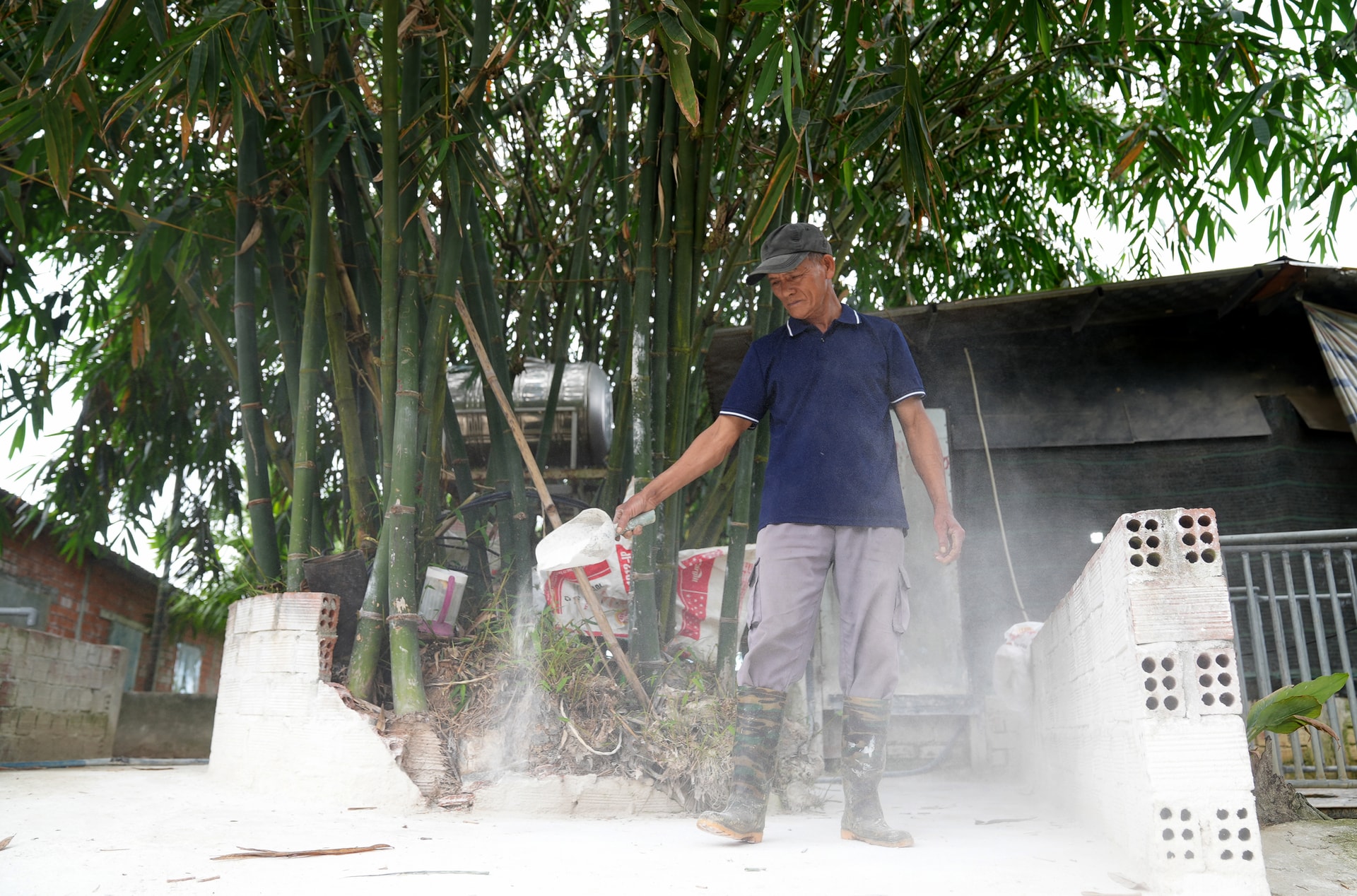
Mr. Hung shared that the initial costs for raising pigs are quite high, including investing in barns, importing high-quality pig breeds, and finding suitable feed and disease prevention medications. The farm location must be far from residential areas, ensuring a large-scale waste storage pit, biogas digester, fish pond, and absolutely no discharge of waste into the environment causing pollution.
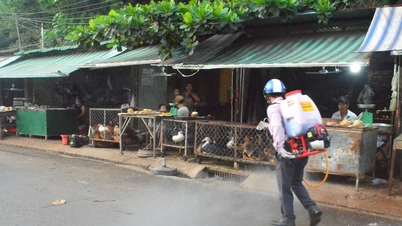
To ensure biosecurity in livestock farming, the process must be a closed system. Once piglets reach the appropriate age, they are separated from the sow pens and transferred to the fattening area. Access to the farm is restricted to unauthorized persons. The area surrounding the pens is treated with lime and disinfectant sprayed daily to limit the spread of disease. The pigs are monitored, undergo regular health checks, and receive all necessary vaccinations. When selling the market, all quarantine regulations must be fully complied with.
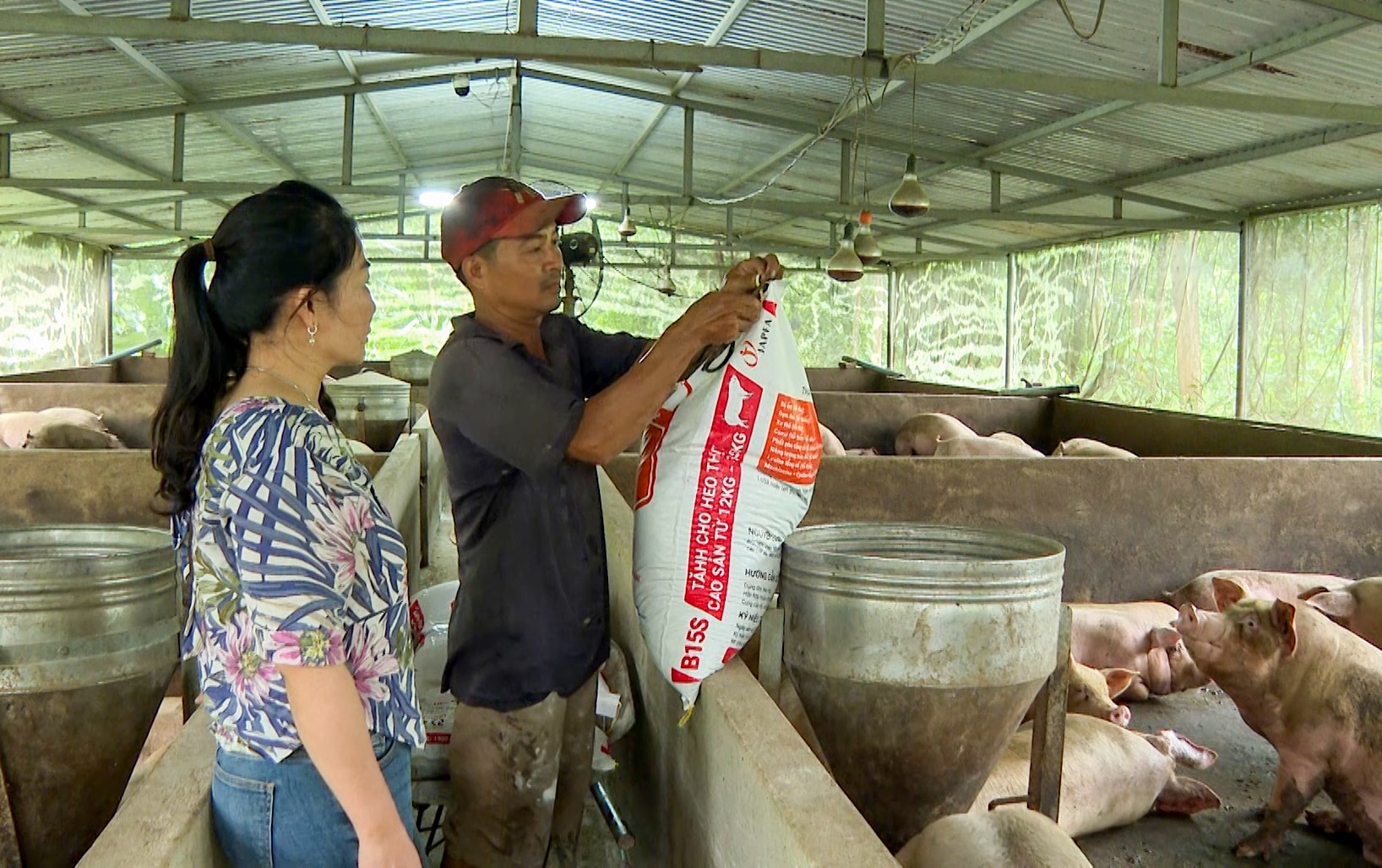
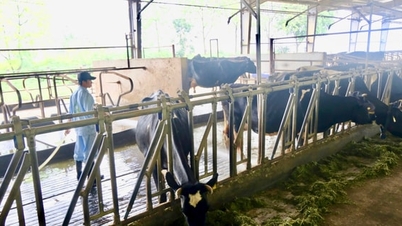
According to the Department of Livestock and Veterinary Medicine, the city currently has 443 farms, including 57 cattle farms, 204 pig farms, and 182 poultry farms. The total number of livestock raised on farm scale accounts for approximately 15.61% of the city's total livestock and poultry population. In addition, the city has also established 71 concentrated livestock farming areas with a total area of 1,553 hectares, along with 35 integrated farm and high-tech agricultural development zones covering 2,413 hectares in various localities to promote concentrated livestock farming.
According to Mr. Dang Ngoc Son, Head of the Department of Livestock and Veterinary Medicine, because about 80% of livestock farming in the city is still small-scale and household-based, the risk of outbreaks and spread of dangerous infectious diseases is very high. In addition, many livestock farmers have not proactively vaccinated their livestock and poultry according to the vaccination schedule, nor have they focused on building biosecure and disease-free farming facilities.
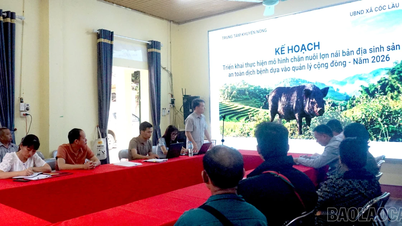
To promote sustainable livestock farming, the Department of Livestock and Veterinary Medicine is stepping up specialized inspections, conducting periodic assessments of concentrated livestock farms, and coordinating with localities to monitor and supervise the disease situation in livestock and poultry herds. The Department is also strengthening training and guidance for organizations and individuals to build disease-free livestock farms and implement organic and circular farming models.
Source: https://baodanang.vn/mo-huong-chan-nuoi-ben-vung-3336638.html

![[Photo] General Secretary and President To Lam presides over the meeting to approve the draft report on the results of the second inspection by the Politburo of the Standing Committee of the Hanoi City Party Committee.](https://vphoto.vietnam.vn/thumb/1200x675/vietnam/resource/IMAGE/2026/05/26/1779789811432_a2-bnd-4430-9620-jpg.webp)








































































Comment (0)