

The livestock industry is booming, but it relies heavily on imported feed, costing around $10 billion annually, and there is always a risk of supply disruptions.
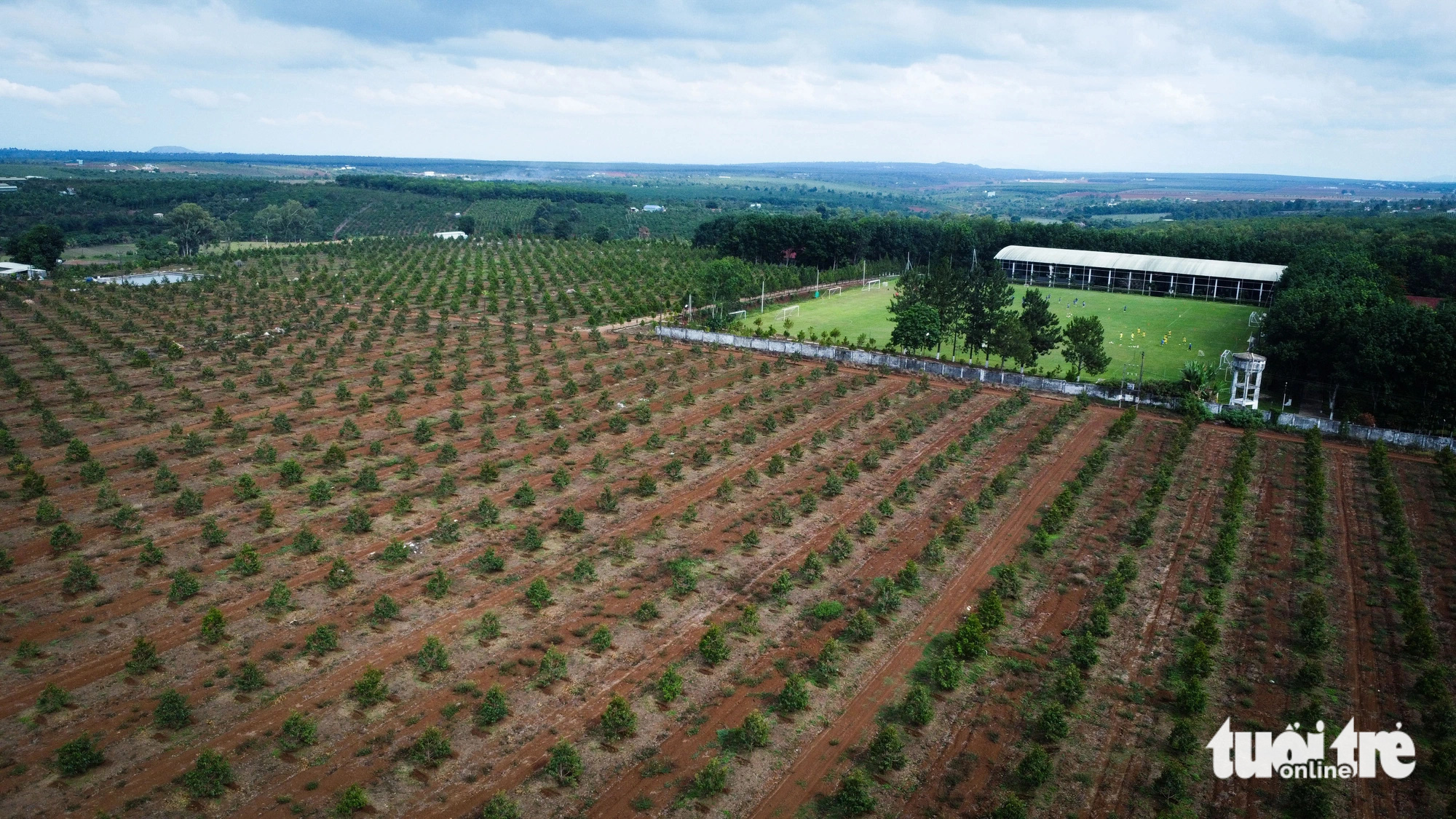
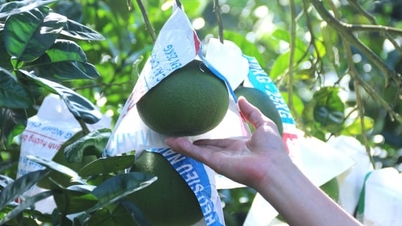
A durian-growing area in Gia Lai province - Photo: TAN LUC
On October 30th, the Ministry of Agriculture and Rural Development organized a conference to promote investment in agriculture and rural areas in the Central Highlands region in Pleiku City, Gia Lai province.
The country's major agricultural production center.
According to the Planning Department of the Ministry of Agriculture and Rural Development, the Central Highlands region has significant advantages for agricultural production. It is also a major agricultural production center of the country.
Specifically, the region has over 5 million hectares of agricultural land with a climate favorable for industrial crops, perennial crops, and fruit trees.
These include some key crops such as coffee (over 668,000 hectares), rubber (over 228,000 hectares), pepper (77,000 hectares), durian (75,000 hectares), and passion fruit (6,700 hectares).
The Central Highlands also has advantages in livestock farming, with over 4 million head of cattle and 30 million head of poultry.
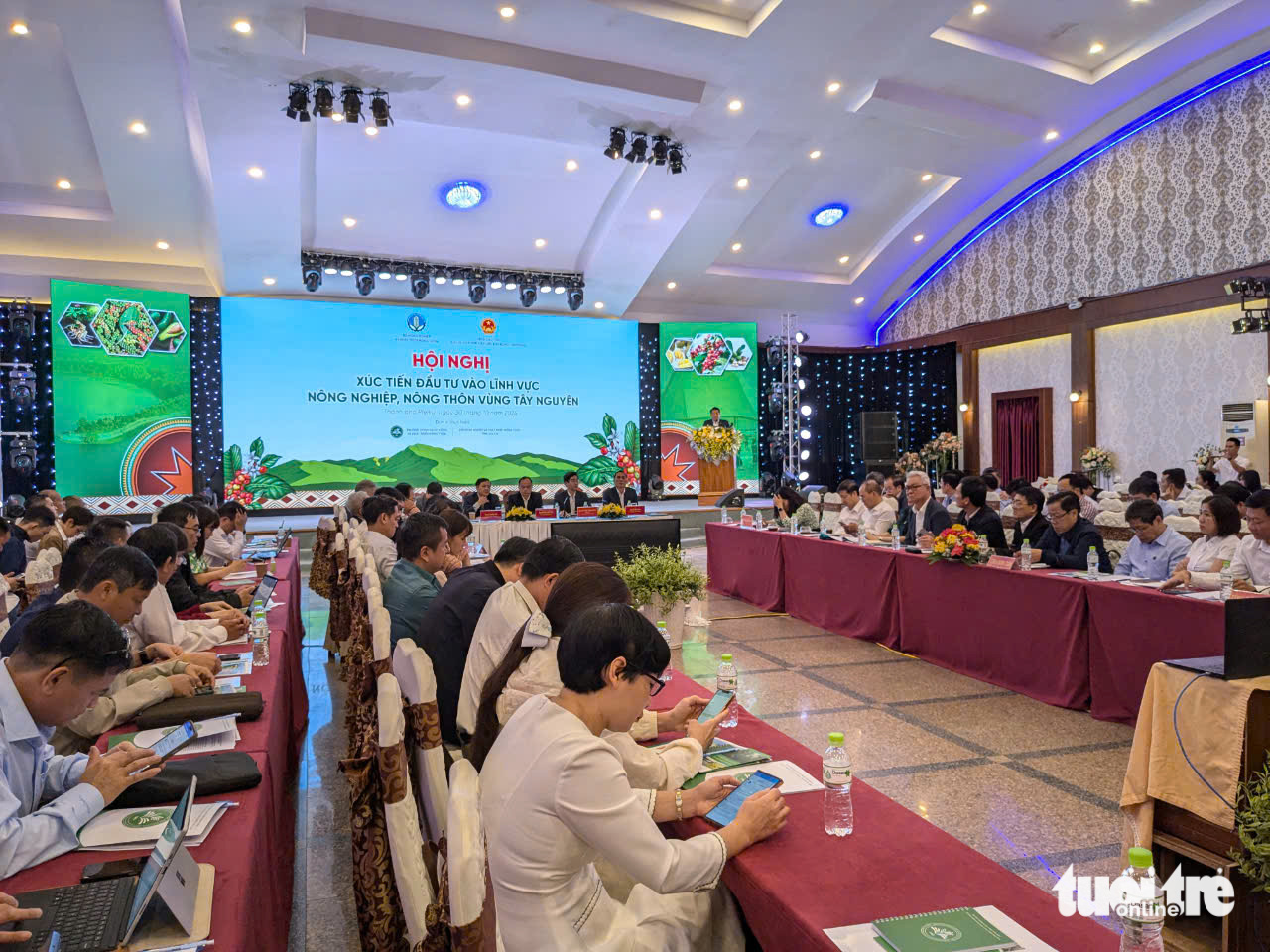
Scene from the Investment Promotion Conference for Agriculture and Rural Areas in the Central Highlands on October 30th - Photo: TAN LUC
At the conference, Mr. Vu Manh Hung - Chairman of the Board of Directors of Hung Nhon Group, a livestock enterprise with many large projects in the Central Highlands and Southeast Vietnam - expressed his wish that the Central Highlands provinces would have appropriate investment attraction policies and provide more support for investors.
This business suggested that provinces should plan raw material and livestock farming areas that closely match the potential and strengths of the locality, and build cooperative models to supply food and feed for the livestock industry.
Mr. Hung noted that Vietnam spends approximately 10 billion USD annually on importing animal feed ingredients. It can be said that the domestic livestock industry is heavily dependent on imported feed.
Therefore, there is a great need for projects to develop local livestock feed sources in the Central Highlands region. These projects should focus on areas of barren land and uncultivated land to improve the livelihoods of local farmers.
We need to be self-sufficient in animal feed.
Meanwhile, Mr. Do Huu Luong, General Director of Gia Lai Agricultural and Forestry Seed Joint Stock Company, commented that the Central Highlands, despite its vast land area, has not yet been systematically planned for agriculture.
Farmers produce spontaneously, without connection to the consumer market, and lack guidance on production organization from relevant agencies. While the cultivated area is large, there is a severe shortage of processing and preservation facilities for agricultural products.
Local authorities have also not been bold enough to proactively attract investment and streamline administrative procedures.
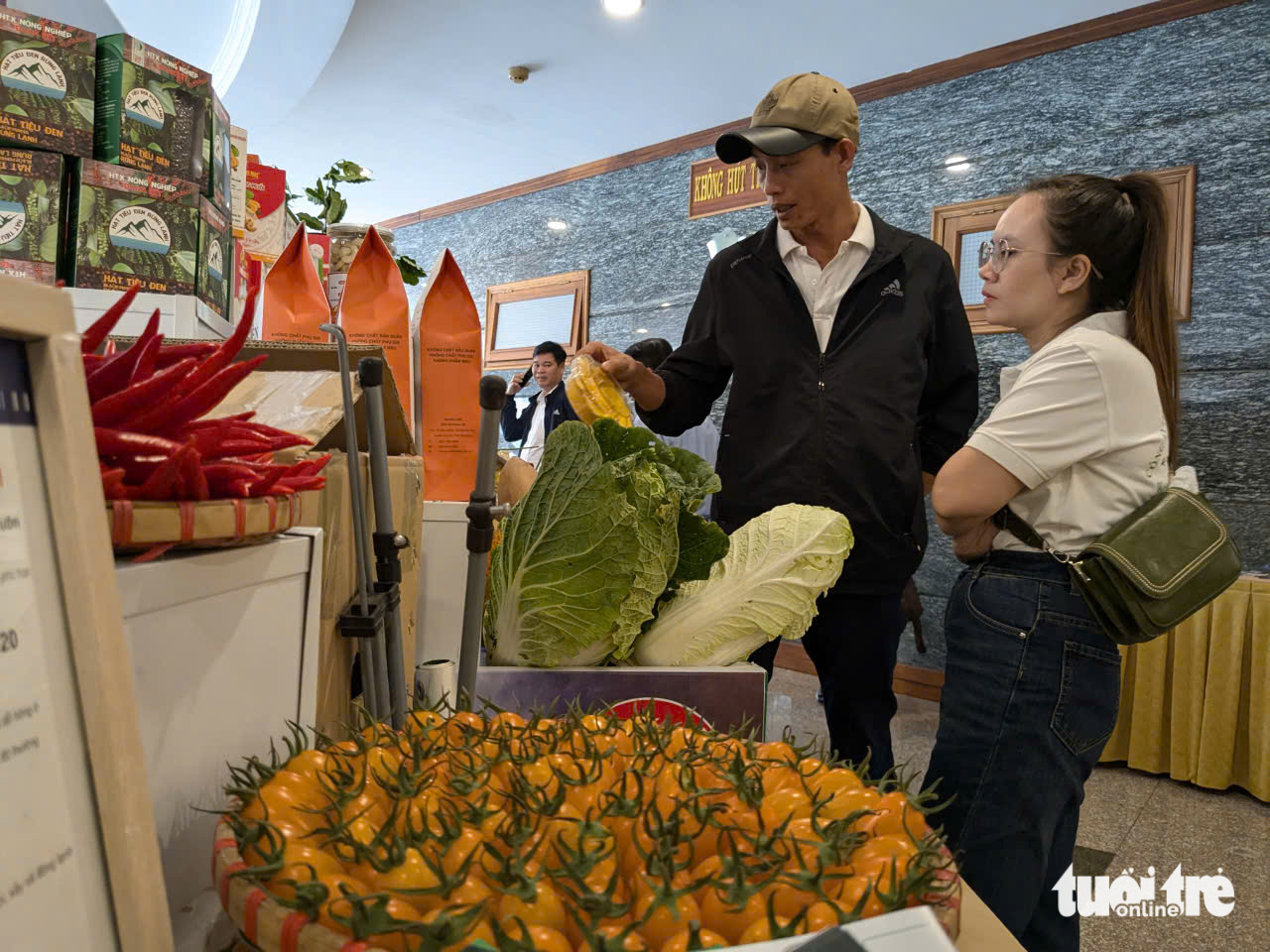
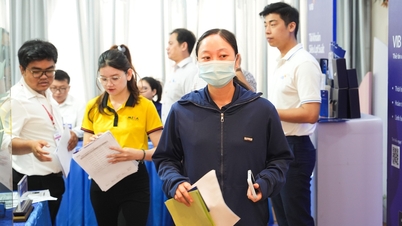
The exhibition booth showcases unique agricultural products from the Central Highlands provinces - Photo: TAN LUC
Mr. Luong believes that for the agricultural sector in the Central Highlands to take off, investment in transportation infrastructure is crucial. In addition, provinces need to proactively plan concentrated farming areas and establish planting area codes for specialized farming regions.
Proactively attract and select capable investors to develop growing areas, and plan concentrated processing clusters linked to growing areas to accelerate production linkages.
According to Minister of Agriculture and Rural Development Le Minh Hoan, the Central Highlands is a region with advantages in crop cultivation and has recently become an attractive destination for livestock businesses.
Speaking about stabilizing and developing the domestic livestock industry, Minister Le Minh Hoan said that the supply of animal feed is always at risk of disruption due to global fluctuations when it is too dependent on imports.
According to the minister, Vietnam cannot compare with the US or Brazil in the production of corn and soybeans for the animal feed industry. However, the domestic livestock industry needs to become partially self-sufficient in animal feed to avoid risks and fluctuations from external factors.
In addition, growing corn and beans outside the farm corridor can help address environmental issues and livestock waste.
Mr. Hoan suggested that the Central Highlands provinces should expand the scope of agricultural development, not confining it to a specific project, enterprise, or locality. At the same time, they must prepare to overcome trade barriers in various markets, especially the EU's anti-deforestation regulations.
Source: https://tuoitre.vn/moi-nam-nhap-10-ti-usd-nguyen-lieu-thuc-an-chan-nuoi-bo-truong-noi-can-tu-chu-2024103012065295.htm
![[Photo] General Secretary To Lam visits the exhibition space showcasing books, photo exhibitions, and achievements of digital transformation in journalism.](/_next/image?url=https%3A%2F%2Fvphoto.vietnam.vn%2Fthumb%2F1200x675%2Fvietnam%2Fresource%2FIMAGE%2F2025%2F12%2F19%2F1766110879215_1766110240024-jpg.webp&w=3840&q=75)


![[Photo] Enchanting ancient rose garden on the mountainside in Nghe An](/_next/image?url=https%3A%2F%2Fvphoto.vietnam.vn%2Fthumb%2F1200x675%2Fvietnam%2Fresource%2FIMAGE%2F2025%2F12%2F19%2F1766109900916_vuon-hong-chin-do-thu-hut-du-khach-toi-check-in-o-ha-noi-3-20162778-1671624890024-1671624890104198100259.jpeg&w=3840&q=75)
























![[INFOGRAPHIC] Overview of the Hoa Phat Dung Quat Rail and Special Steel Production Plant Project](https://vphoto.vietnam.vn/thumb/402x226/vietnam/resource/IMAGE/2025/12/19/1766111183203_z7339170069817-126a3e5a095f62e606a0be41015c1b80.jpeg)



































Comment (0)