

 |
On the afternoon of January 5th ( Hanoi time), Old Trafford once again witnessed a manager's departure. Ruben Amorim left amidst familiar circumstances: poor results, tense press conferences, and a 3-4-3 system out of sync with the existing squad. Three wins in 11 matches was not enough to salvage the situation.
Instead of seeking out a big name, the management team turned inward, temporarily empowering Darren Fletcher, who had been there for a long time but was rarely mentioned.
Back to basics: from 3-4-3 to a four-man defense
Fletcher isn't a strategist celebrated by the media. But he understands Manchester United in a way that very few in the current system remember. Fletcher grew up at Carrington, lived in the Sir Alex Ferguson dressing room, and understands that MU is strongest when they respect structure, discipline, and team spirit.
The most noticeable change under Fletcher will be the end of the three-centre-back system. In his thinking, Manchester United is built to play with a four-man defense, especially a 4-3-3 or 4-2-3-1. This isn't nostalgia, but a reality of player development over the years.
The four-defender system helps the team maintain natural width, reduces pressure on the flanks, and provides better protection for the midfield. The full-backs are able to play their proper roles instead of having to both defend and act as wing midfielders as they did under Amorim.
The midfield is no longer stretched thin, but forms a clear triangle with an anchor at the back and two box-to-box midfielders up front. Fletcher didn't want a revolution; he was simply correcting a long-standing imbalance.
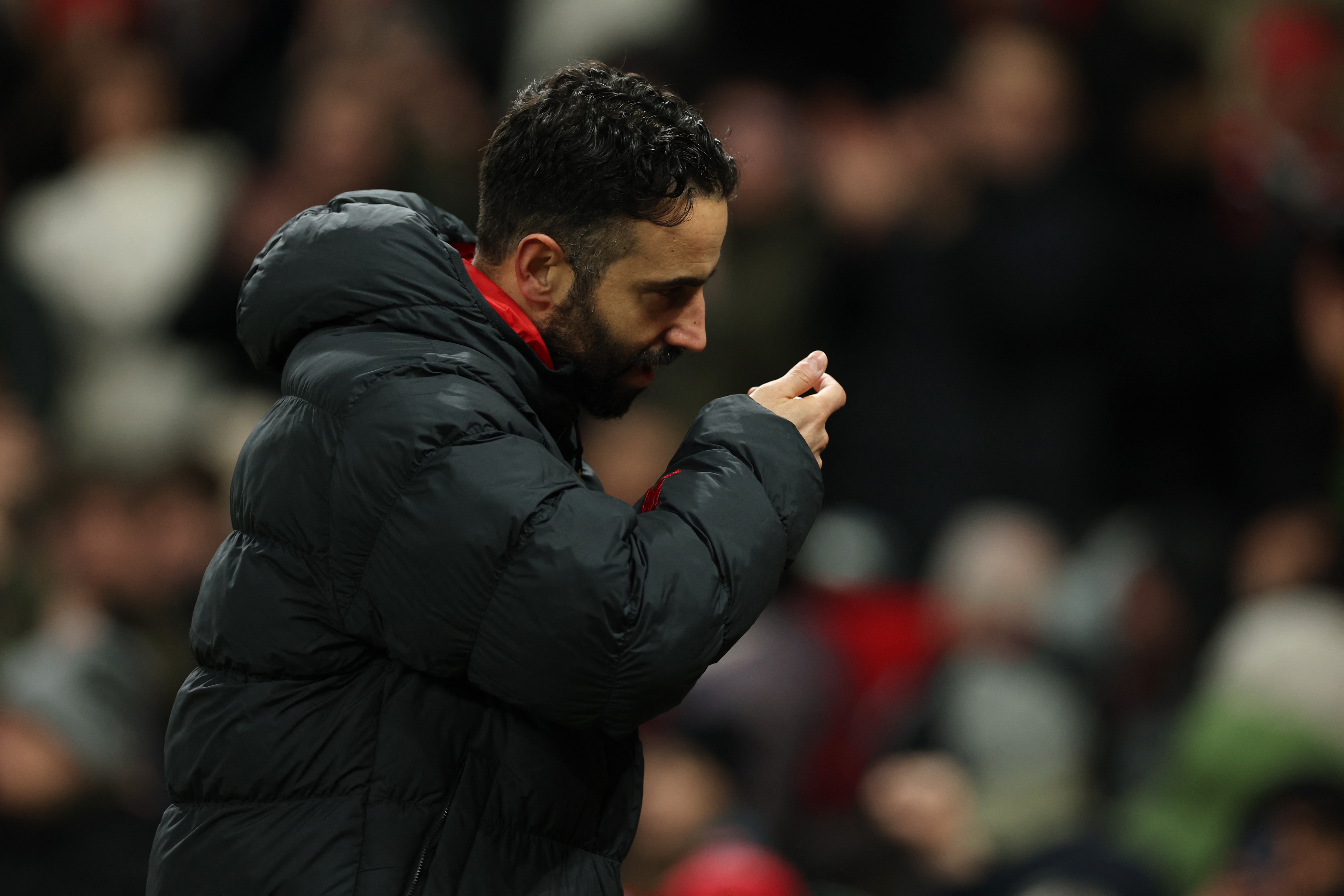 |
Ruben Amorim has been sacked by Manchester United. |
Fletcher didn't arrive at Old Trafford with a blueprint full of arrows. He came with a different goal: to restore discipline.
As interim coach, he will spend more time on the training ground and in the locker room than in press conferences. Anyone who trains half-heartedly, disrespects their teammates, or fails to meet standards will be reprimanded directly. No media attention, no drama. Just internal responsibility.
Manchester United had lost too many games due to a lack of morale. Fletcher understood that a team unstable at home couldn't withstand the pressure off the pitch. The first change wasn't in the formation, but in attitude.
Simplify to survive.
Fletcher doesn't promise flashy football. At this stage, his goal is to help Manchester United stop their decline.
Fletcher will simplify the game: mid-block defense, quick transitions, and minimal risk. When a team is losing its way, the most dangerous thing is trying to be complicated. Fletcher chooses the safe option, because survival is always more important than proving a philosophy.
As a midfielder, Fletcher understands where the game is decided. He will place the midfield at the heart of all his plans.
A clear anchor at the back, two box-to-box midfielders up front, maintaining team shape and reducing the number of direct breaches. Manchester United once dominated thanks to Michael Carrick, Paul Scholes, and Fletcher. That memory isn't enough to bring immediate victory, but it's enough to guide us through turbulent times.
Darren Fletcher isn't the long-term solution. But after the afternoon of January 5th, Manchester United needs someone who understands them better than someone who can talk the talk. If Fletcher does well, MU might not soar high, but they will stop their downward spiral. And in a season already fraught with so much heartbreak, that alone would be a turning point.
Source: https://znews.vn/mu-sua-sai-sau-amorim-post1617119.html
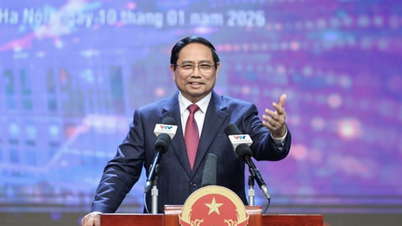
![[Photo] Prime Minister Pham Minh Chinh attends the Conference on the Implementation of Tasks for 2026 of Vietnam Television.](/_next/image?url=https%3A%2F%2Fvphoto.vietnam.vn%2Fthumb%2F1200x675%2Fvietnam%2Fresource%2FIMAGE%2F2026%2F01%2F10%2F1768047311329_ndo_br_dsc-3214-jpg.webp&w=3840&q=75)


































![[Infographics] Resolution No. 79-NQ/TW of the Politburo on the development of the state-owned economy](https://vphoto.vietnam.vn/thumb/402x226/vietnam/resource/IMAGE/2026/01/10/1768038914679_chp_3-11-23.jpeg)






























Comment (0)