

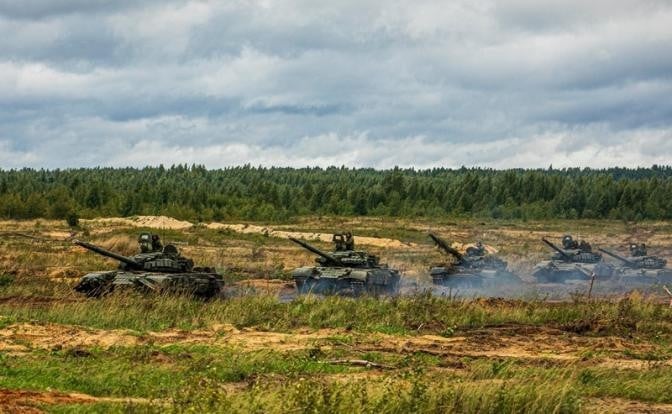
The Russian Armed Forces (RFAF) have shifted the battlefield from a traditional "positional defense" strategy to a " geopolitical tightening" strategy. Fifty thousand elite troops, more than a dozen heavy armored brigades, and an "armored highway" heading straight towards Kyiv – this is not a military exercise, but the opening of an iron gate into Eastern Europe, ordered by President Putin himself.
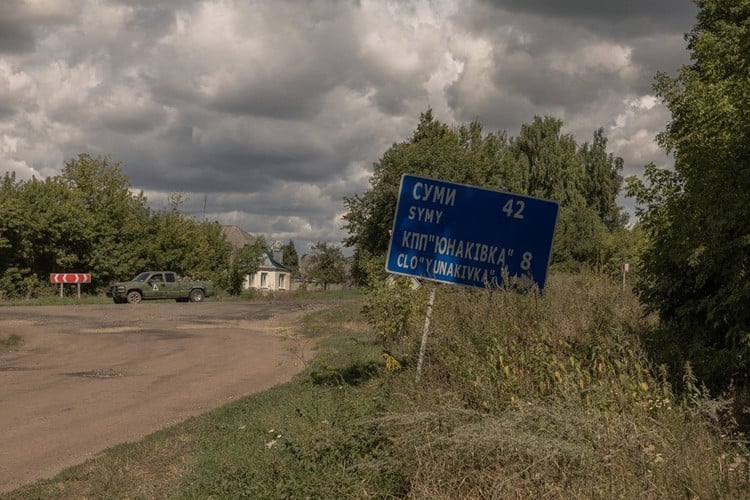
The choice of Sumy as the "main filming location" was no accident. It has profound strategic significance – not just a move to encircle Ukraine, but also a test of the West's "strategic resilience." Frankly, the current Russia-Ukraine conflict is no longer a simple war, but a game revolving around the fundamental question of "who will dominate the new Eastern European frontier." Sumy is merely a node in the chessboard, but once this node is broken, the game's dynamics will change significantly. Currently, this battlefield is silently burning.
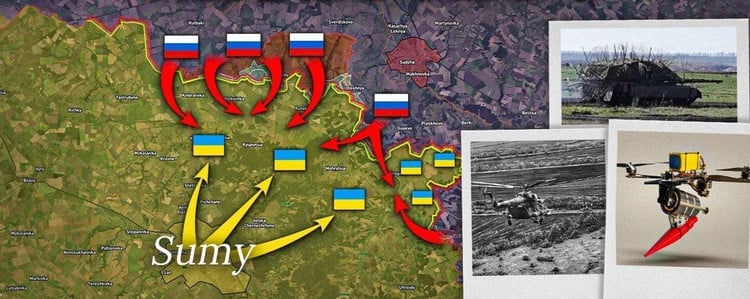
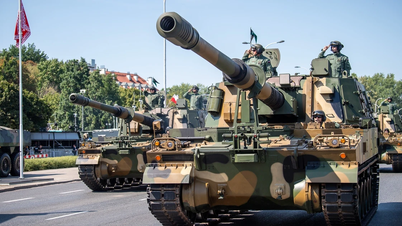
First, let's consider the specific configuration. The RFAF's deployment toward Sumy could be considered a textbook example of tactical maneuvering. 14 combat brigades, 420 main battle tanks, over 1,600 armored vehicles, and 380 artillery pieces – nearly matching the firepower of the U.S. Army during its invasion of Iraq in 2003.
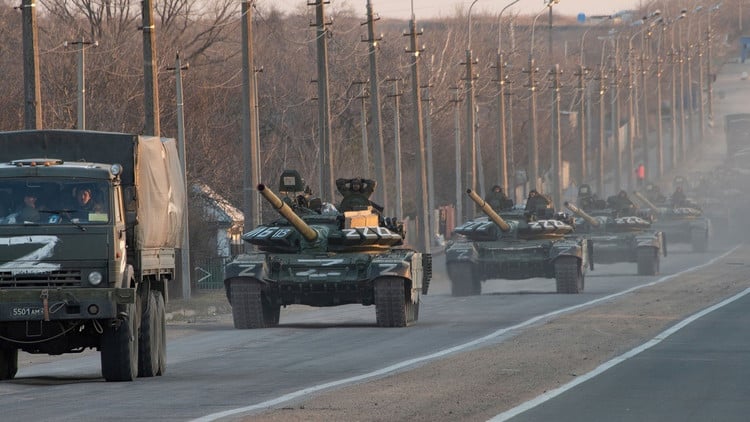
More importantly, hidden behind this "combined punching and kicking" style of attack are deeper strategic intentions. Do you think this is just simple repression by military force? No, this is comprehensive repression; from logistics to military forces, from the air to the ground.
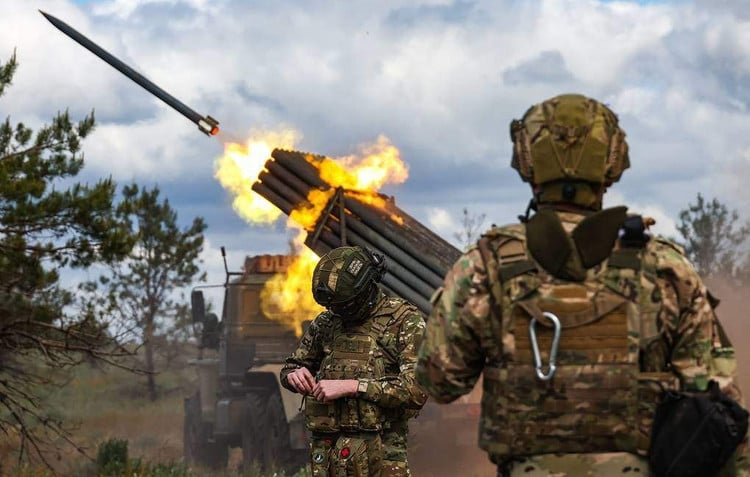
Satellite imagery shows that the RFAF has built six missile sites and seven artillery sites on the Sumy border, established five new UAV command centers, and constructed five field airfields. The front lines are supplying 7,000 tons of ammunition, tens of thousands of tons of fuel, medical supplies, field food, and even command towers, communication towers, and field hospitals for the operation. How can this be called a “simple battle”? This is preparation for a long, protracted, and extremely dangerous war.
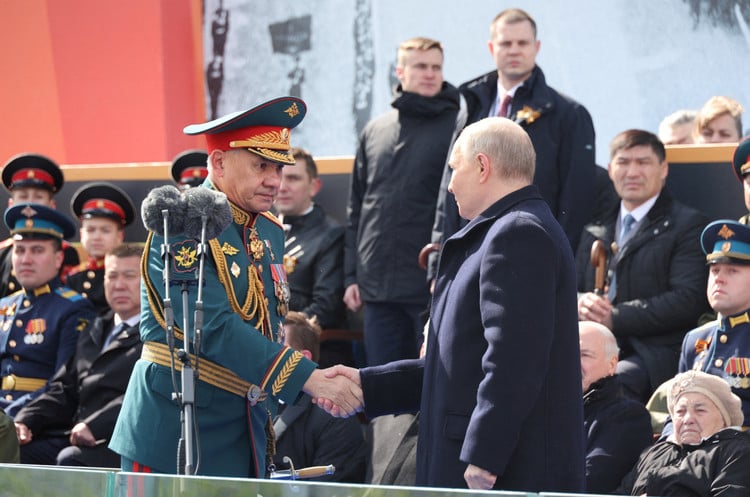
President Putin and his staff are clearly not losing patience. In recent years, his strategic rhythm has been very clear – "slow attack and rapid encirclement to weaken the opponent." What he has to defeat is not only Kyiv, but also the strategic patience of the United States and its NATO allies.
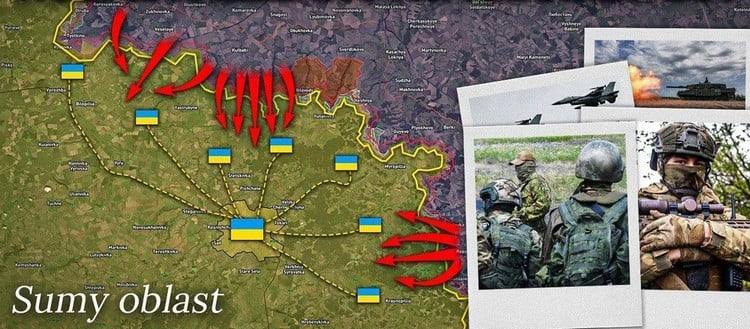
Sumy has an open terrain with no natural barriers. Formerly a rice granary of Ukraine, it has now become a battlefield for Russian heavy armored forces. From Sumy, an unobstructed network of railways and roads allows the RFAF to penetrate deep into Kyiv.
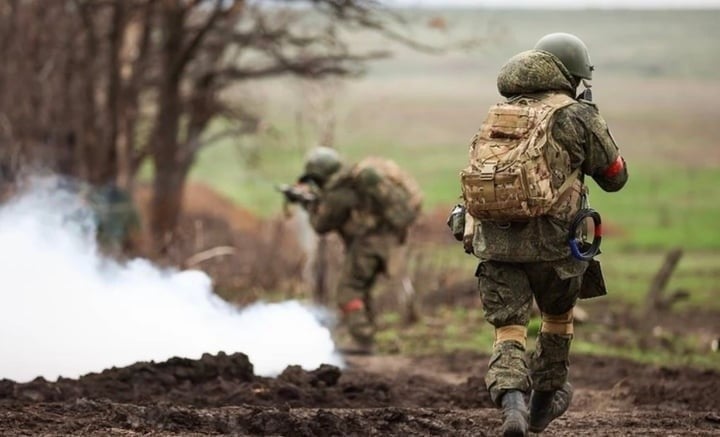
More importantly, this area is only a few dozen kilometers from the Kursk iron ore mining region, which is of strategic importance to Russia. Once the RFAF completely controls Sumy, it would be equivalent to building a "mineral fortress" behind itself.
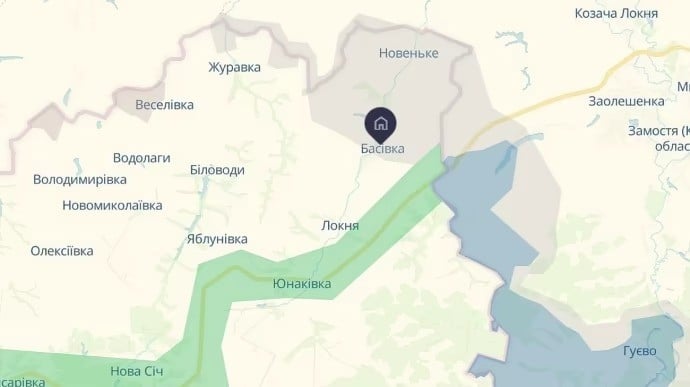
Moscow's strategy is not impulsive, but the result of careful consideration. Let's be frank: Ukraine's current situation is not just passive, but on the verge of collapse. Basivka, the first line of defense in Sumy, was captured by the RFAF in less than 24 hours.
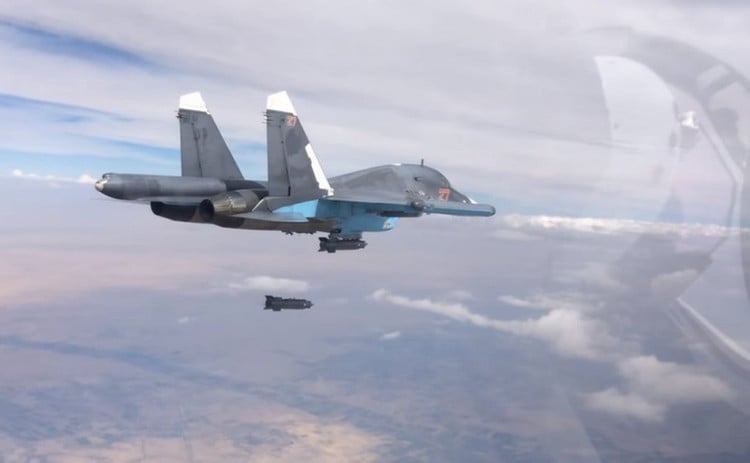
This was no coincidence, as the RFAF used FAB-1500 heavy bombs. Each 1.5-ton bomb could obliterate Ukrainian army positions into "the surface of the moon." Afterward, FPV drones and artillery fire would provide support for the rapid advance of armored vehicles.
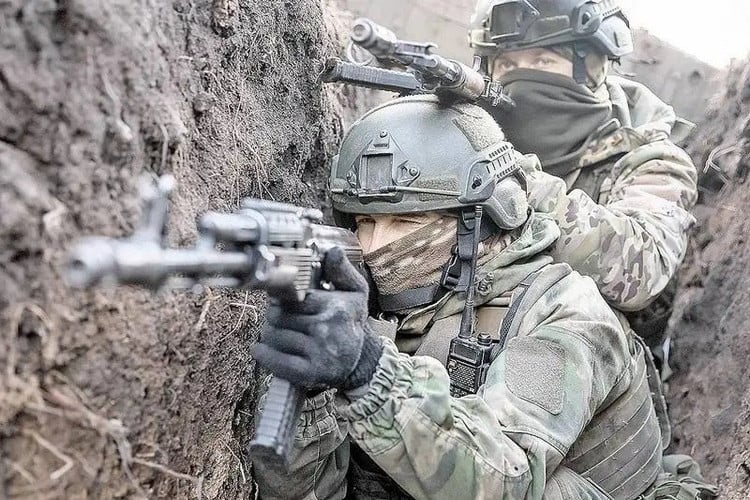
This tactic is a classic three-dimensional combat style of the former Soviet army, namely "heavy artillery clearing the way, armored vehicles penetrating, and special forces harassing," making it very difficult for the Ukrainian Army Force (AFU) to counter.
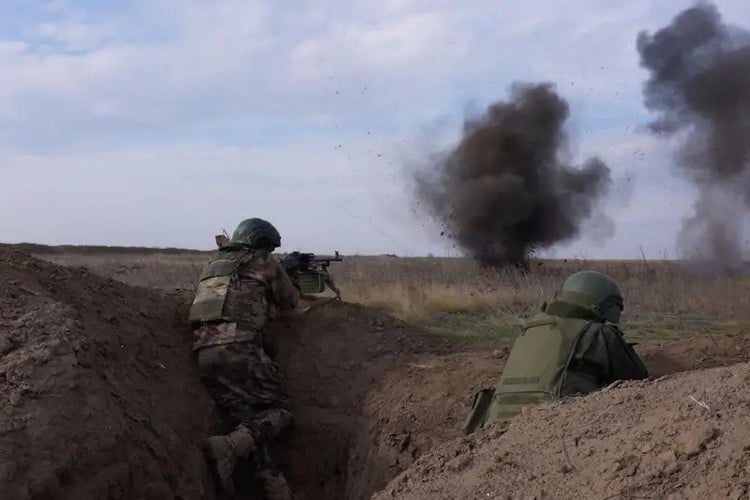
The Sumy front may be Ukraine's toughest test in over three years. It's not just a battle, but a warning: if Sumy falls, the defensive line in eastern Ukraine will completely collapse, and it will only be a matter of time before Kharkiv is besieged.
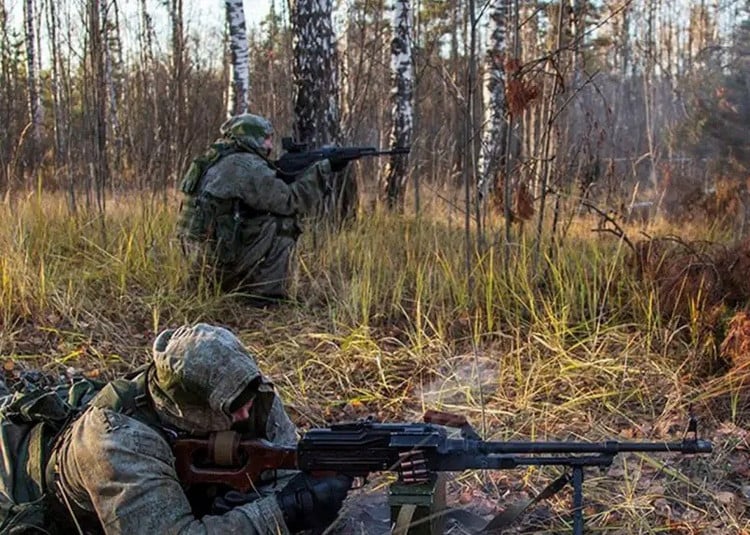
Would there be a domino effect on the Ukrainian battlefield then? Yes, even the industrial city of Dnipropetrovsk would have to endure Russian artillery fire. Such a battle would cause a "chain reaction of collapses." Once it collapses, it would not only lead to "local losses," but could also cause a "regime shock."
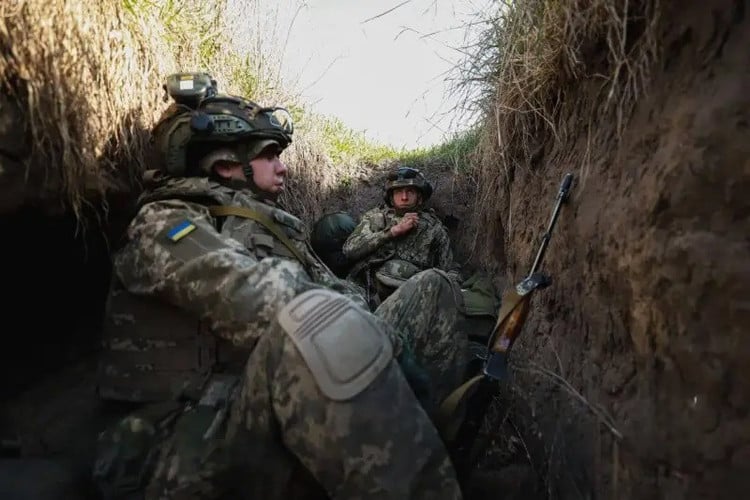
US President Donald Trump has repeatedly hinted that the ultimate outcome in Ukraine will not be a "complete victory," but rather a "compromise with losses." Now, that moment of compromise is drawing closer, and the relentless roar of Russian tanks is accelerating its arrival.
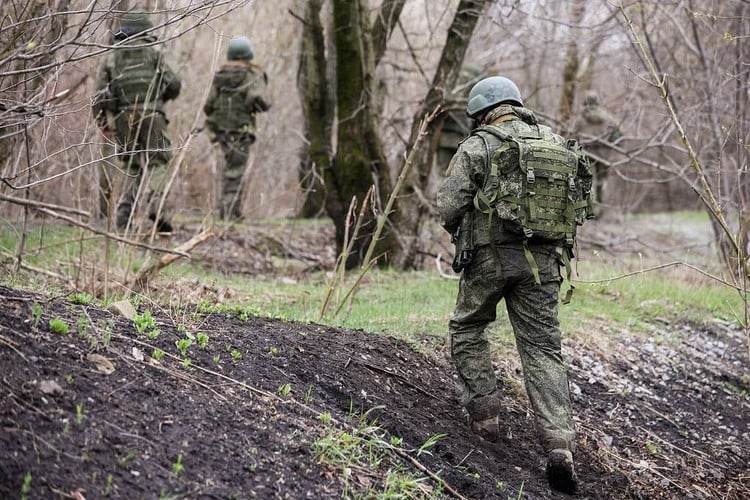
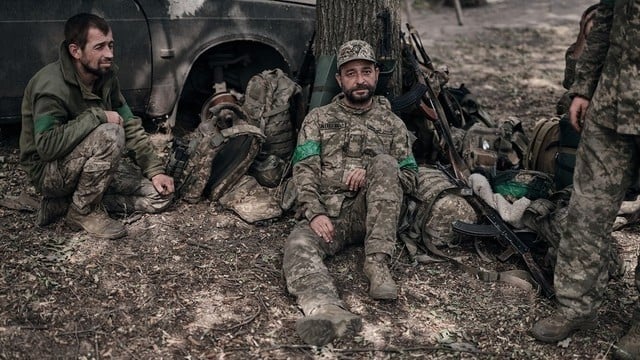
Despite Ukraine's fierce resistance, it is clear they are "very tired," as the Ukrainian president called on the West to support a month-long ceasefire; however, Western support is hampered by "national interests." Today, Ukraine has few strategic options left, and Western support for Kyiv is increasingly limited.
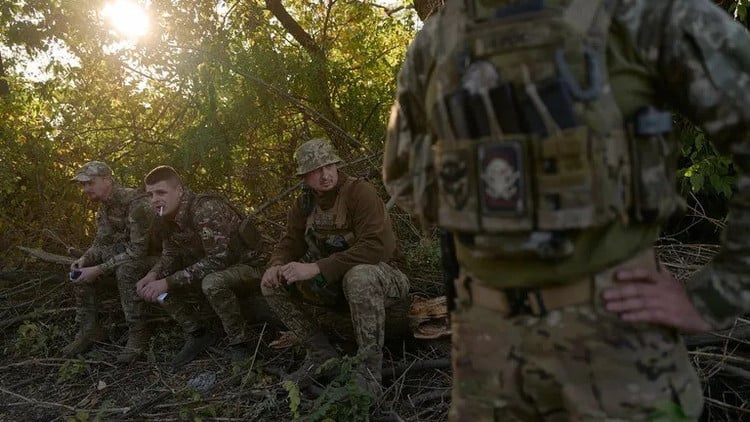
Over three years of war have pushed Ukraine to the brink, and Russia is delivering the final blow. While the West is cautiously maintaining distance to avoid escalating the situation, the course of events is becoming increasingly clear. The question remains whether the Sumy barrier will collapse, break, or be gradually eroded within the trenches.
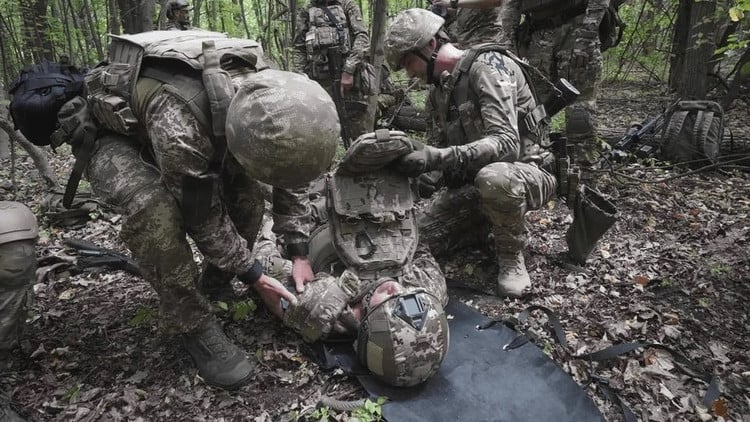
The end of a war is never about "victory," but about who can hold out until the other side surrenders. And now, Ukraine is just "one step" away from that moment if they don't adapt their strategies. Sumy could be the decisive battlefield for both sides. (Image source: Military Review, Kyiv Post, RIA Novosti).
Source: https://khoahocdoisong.vn/nga-dang-tien-vao-sumy-tran-chien-quyet-dinh-cuc-dien-post1545036.html
![[Photo] Prime Minister Pham Minh Chinh holds a phone call with the CEO of Russia's Rosatom Corporation.](/_next/image?url=https%3A%2F%2Fvphoto.vietnam.vn%2Fthumb%2F1200x675%2Fvietnam%2Fresource%2FIMAGE%2F2025%2F12%2F11%2F1765464552365_dsc-5295-jpg.webp&w=3840&q=75)



![[Photo] Closing Ceremony of the 10th Session of the 15th National Assembly](/_next/image?url=https%3A%2F%2Fvphoto.vietnam.vn%2Fthumb%2F1200x675%2Fvietnam%2Fresource%2FIMAGE%2F2025%2F12%2F11%2F1765448959967_image-1437-jpg.webp&w=3840&q=75)


































![[OFFICIAL] MISA GROUP ANNOUNCES ITS PIONEERING BRAND POSITIONING IN BUILDING AGENTIC AI FOR BUSINESSES, HOUSEHOLDS, AND THE GOVERNMENT](https://vphoto.vietnam.vn/thumb/402x226/vietnam/resource/IMAGE/2025/12/11/1765444754256_agentic-ai_postfb-scaled.png)








































Comment (0)