


Tragedy in the home
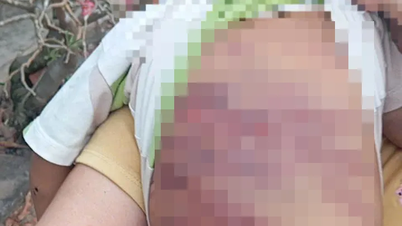
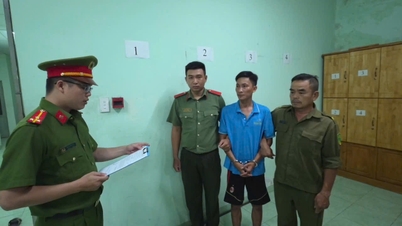
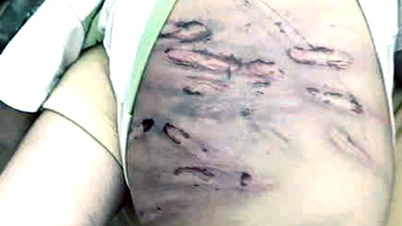
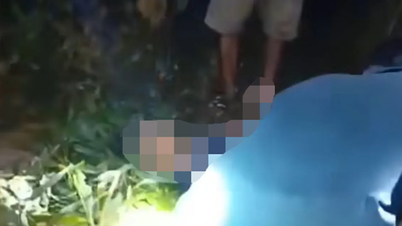
In early May 2026, two-year-old NGK (from Hoa Hiep commune, Ho Chi Minh City) was transferred to Children's Hospital 1 in critical condition: respiratory failure, liver, spleen, and pancreas contusions, and numerous wounds all over her body. Police investigations determined that K.'s biological mother and stepfather had repeatedly beaten her, causing serious injuries. Children's Hospital 1 immediately activated its "one-stop" service model. A rapid consultation took place involving the hospital's Board of Directors, the Social Work Department of the Ho Chi Minh City Department of Health, the Ho Chi Minh City Center for Social Work and Vocational Training for Youth, the Ho Chi Minh City Association for the Protection of Children's Rights, the police and authorities of Hoa Hiep commune (Ho Chi Minh City), and the Ho Chi Minh City Center for Social Protection and Social Work. While the hospital focused on treating the child, the authorities urgently provided comprehensive legal support and processed a birth certificate for NGK.
At this time, the mother had been detained for investigation, leaving K. without any relatives nearby. Dr. Chu Van Thanh, Head of the Social Work Department at Children's Hospital 1 in Ho Chi Minh City, recalled the first time they met K., who was trembling, frightened, and had a terrified look in his eyes. Without being told, the medical staff took the opportunity to play with him, bringing him colorful toys. The comforting touches of strangers gradually became familiar, bringing a sense of security to the boy. When K. let out his first laugh since being admitted, the entire ward erupted in joy. However, the most heartbreaking thing was that every time he woke up, K. would call for his mother, even though the wounds inflicted by his mother hadn't yet healed. “Everyone took turns feeding him and talking to him so he could feel loved. Yesterday, K. was discharged from the hospital and transferred to the Ho Chi Minh City Center for Social Work and Vocational Education for Youth. We hope he will always be protected and cared for in the best possible conditions,” Dr. Chu Van Thanh shared.
Having assisted many child victims of abuse and exploitation, Ms. Nguyen Thi Thuy, Deputy Head of the Social Work Department at Children's Hospital 2, is heartbroken that the perpetrators are often relatives, even blood relatives. In 2023, a 2-year-old girl named HK (from Dong Thanh commune, Ho Chi Minh City) was admitted to the hospital with a broken right arm and multiple burns. When the police investigated, the mother admitted to beating her child. In 2024, the hospital, in coordination with the police and the Ho Chi Minh City Association for the Protection of Children's Rights, promptly rescued a 15-year-old girl named PU who was being forced into prostitution by her own mother. U. suffers from severe diabetes and is frequently hospitalized; now she is also enduring physical and mental abuse. Alongside her treatment, the hospital's psychologists and social workers are constantly by U.'s side, offering support and comfort. Despite two years of companionship, U.'s mental state remains unstable; she frequently exhibits emotional distress and panic, requiring regular psychological treatment.
“To create a shield for children, Children's Hospital 2 has developed a model for preventing violence and sexual abuse against children, helping to intervene promptly, protect, and comprehensively support children. From 2024 to the present, we have received and supported 6 suspected cases of abuse and 2 suspected cases of sexual abuse. However, the most important thing is how to prevent such heartbreaking incidents,” shared Ms. Nguyen Thi Thuy.
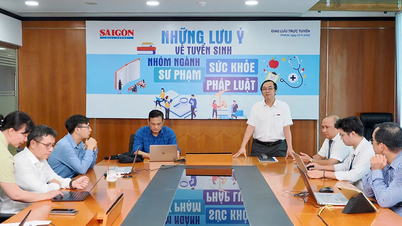
On May 15th, the Southern Region Television Center (VTV Southern Vietnam) organized a launching ceremony and seminar titled "For the Safety of Vietnamese Children," marking the beginning of a community communication campaign aimed at raising awareness, promoting action, and building a network to protect children from the risks of violence, abuse, and harm in both their living environment and online space. At the seminar, experts, representatives from the health sector, lawyers, and psychologists discussed the risks children face, such as domestic violence, school bullying, and online abuse; and discussed solutions for early detection, timely support, and improvement of the child protection system at the grassroots level.
Fundamental prevention, timely protection.
According to statistics, in the first five months of 2026, the country recorded at least 30 cases of child-related violence reported in the media, including 12 cases of domestic violence, 18 cases of school violence, and cyber violence. Research by the United Nations Children's Fund (UNICEF) shows that 72.4% of children aged 1-14 in Vietnam have experienced physical or mental abuse by relatives or have undergone other forms of "violent discipline."
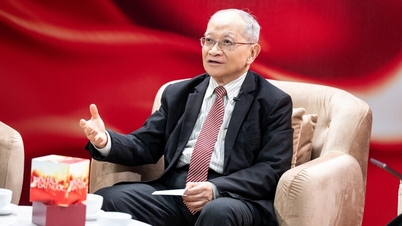
According to lawyer Nguyen Trung Tin, of the Lawyers' Branch of the Ho Chi Minh City Association for the Protection of Children's Rights, the legal system for child protection has fairly comprehensive regulations. However, the gap between regulations and real-life situations remains significant. Many mechanisms, when applied, are not truly effective or closely aligned with the specific circumstances of children and their families. Furthermore, the number of specialized personnel at the grassroots level is weak and insufficient. At the commune and ward levels – where cases involving children are directly handled – officials have to take on too many responsibilities. Many young people lack experience in handling situations, professional skills, and in-depth training in child protection. This leads to many cases being handled hesitantly and slowly. "Even at channels for receiving complaints like the national hotline 111, there are still ineffective cases. Some people call to report the risk of child abuse but are told that they must have clear injuries before any action is taken. This approach is inappropriate! Protecting children requires prioritizing prevention, not waiting for consequences to occur before intervening," lawyer Nguyen Trung Tin stated.
Given these shortcomings, lawyer Nguyen Trung Tin argues that Vietnam needs to continue studying more effective international models in the field of child protection. In the US, independent agencies dedicated to child protection are able to intervene very quickly when risks are detected. These units operate professionally, have highly qualified personnel, and are empowered to coordinate effectively across sectors. Most importantly, they have the authority to act immediately upon signs of danger, instead of waiting until the child actually becomes a victim.
According to Deputy Minister of Health Nguyen Tri Thuc, child abuse is a very difficult type of crime to detect. Many countries have developed "risk grouping" models to protect children from abuse and exploitation. When children are identified as being in a high-risk group, local authorities and social organizations will closely monitor them and visit them regularly to promptly detect and intervene. In addition, the Ministry of Health will research and expand the "one-stop shop" model for protecting abused and exploited children, which Ho Chi Minh City is currently implementing effectively. Deputy Minister Nguyen Tri Thuc also requested relevant agencies to provide long-term support to children after discharge from the hospital; helping them recover psychologically, reintegrate into the community, and have the opportunity to study and develop in a safe environment.
Mr. NGUYEN TANG MINH, Deputy Director of the Ho Chi Minh City Department of Health:
It requires the cooperation of the entire society.
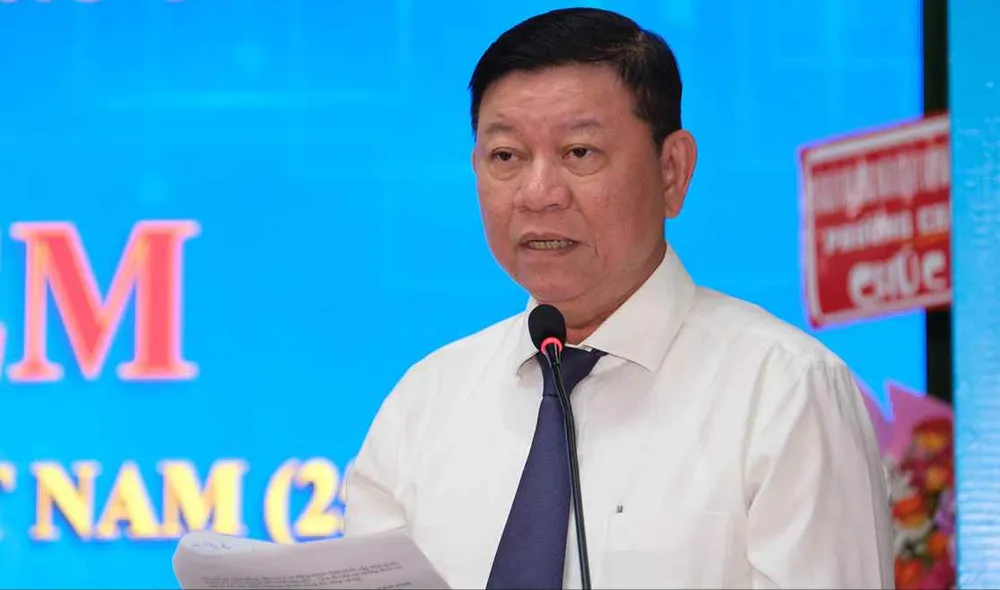
Child protection efforts today go beyond simply addressing incidents after they occur. They require the development of a multi-layered, multi-sectoral support system involving families, schools, healthcare, relevant authorities, and society as a whole. Most importantly, early detection of abnormal signs in children is crucial for timely intervention and preventing tragic consequences. Many children who experience psychological trauma, abuse, or exploitation often exhibit behavioral and emotional changes but do not receive adequate attention from adults. Therefore, strengthening risk identification skills among parents, teachers, and community workers is essential. Furthermore, children need access to convenient, safe, and friendly psychological support services where they can share their feelings and relieve stress. The healthcare sector plays a vital role in coordinating with the education sector and relevant agencies to develop procedures for early support, intervention, and child protection. When a high-risk case is detected, relevant units need to quickly connect information, provide medical support, offer psychological counseling, and implement appropriate protective measures. Protecting children is not the sole responsibility of any one sector or organization, but requires the collective effort of the entire society. Only when all links are closely connected can a safe and healthy environment be created for children's holistic development.
Source: https://www.sggp.org.vn/ngan-van-nan-bao-hanh-tre-em-post852854.html
![[Photo] General Secretary and President To Lam presides over a working session with the Central Policy and Strategy Committee on the development of the materials industry.](https://vphoto.vietnam.vn/thumb/1200x675/vietnam/resource/IMAGE/2026/05/21/1779359935432_a3-bnd-3129-1412-jpg.webp)
![[Photo] National Assembly Chairman Tran Thanh Man working with the Standing Committee of the Law and Justice Committee](https://vphoto.vietnam.vn/thumb/1200x675/vietnam/resource/IMAGE/2026/05/21/1779378929214_ndo_br_1-4610-jpg.webp)

































































Comment (0)