

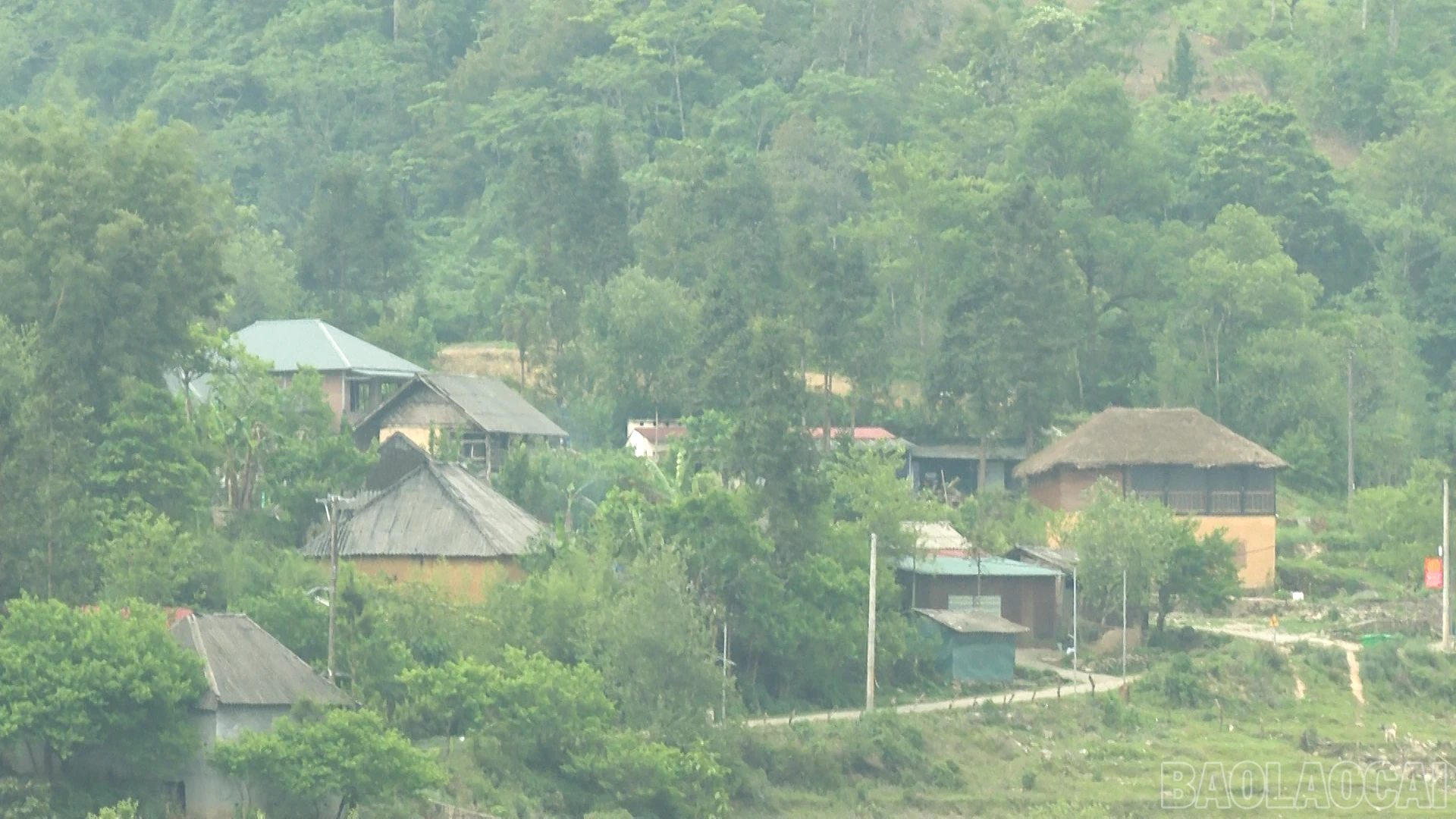
According to the locals, Lao Chai means "ancient village" - the place where the first Ha Nhi people set foot in the Y Ty region. Located at an altitude of over 1,500 meters above sea level, Lao Chai is not only notable for its climate and natural scenery but also for its distinctive rammed earth houses.
The new day begins before the mist has even lifted. The crowing of roosters echoes from the earthen houses, mingling with the footsteps of Ha Nhi women preparing their early morning meal. Smoke from the kitchen chimneys seeps through the roofs, mingling with the clouds, carrying the aroma of freshly cooked rice – a unique flavor of the highlands.
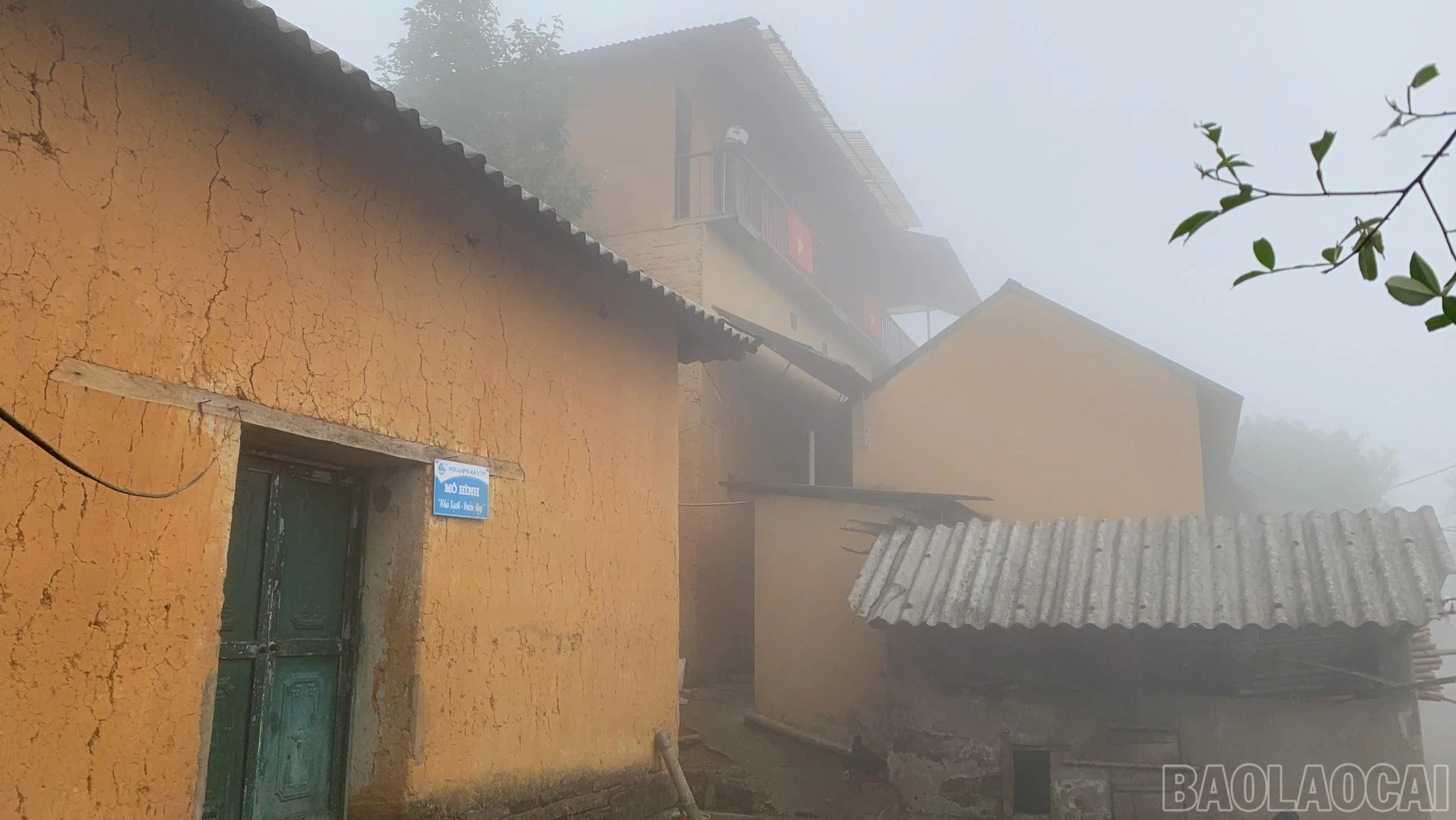
The village currently has 150 households, with over 97% being ethnic Ha Nhi people. Previously, the lives of these households depended primarily on small-scale, traditional agricultural production, resulting in persistent poverty. In recent years, however, a new direction has emerged, stemming from the existing traditional houses and landscape.
The person who initiated this change was Mr. Chu Che Xa, the Party Secretary of Lao Chai village, Y Ty commune. Seeing the potential in the cultural identity of his homeland, he decided to renovate his family's traditional house into a homestay – a model that was still unfamiliar to many people at that time.
Mr. Chu Che Xa recalled: "Initially, the villagers were very hesitant. The traditional rammed earth house was considered a sacred and private space. Welcoming strangers to eat, stay, and live with them was something they had never done before."
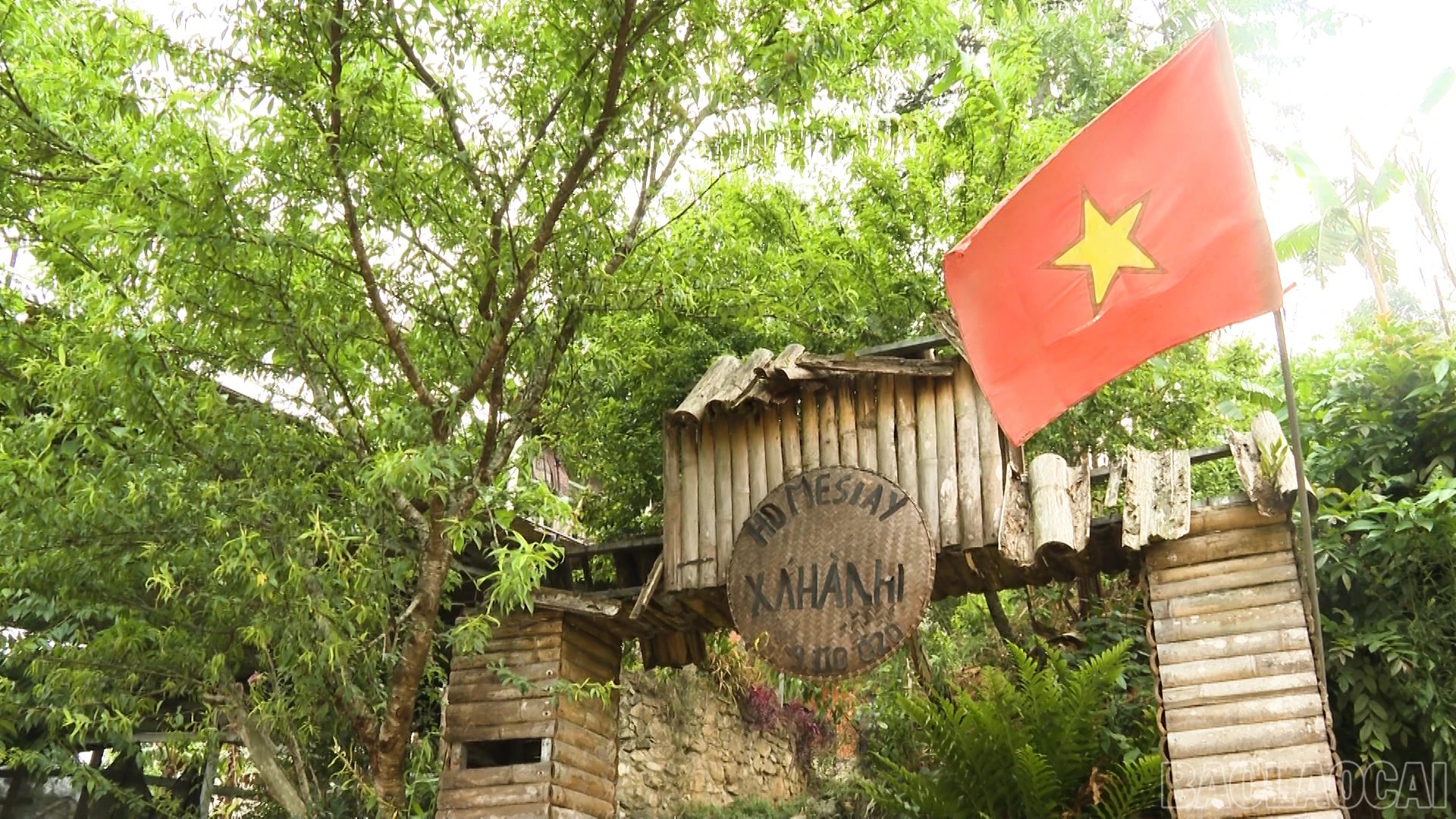
But with the motto "officials lead the way, the people follow," he chose to take the initiative to convince others. The Xa Ha Nhi Homestay was established, preserving the traditional architecture and being renovated to be clean, comfortable, and ready to welcome guests to Lao Chai.
Following Mr. Xa's pioneering model, about a dozen more households in the village have now followed suit. Besides tourism , the villagers have also expanded into growing Tai Nung pears and raising local pigs, creating diverse livelihoods. Lush green pear orchards are beginning to cover the hillsides, providing a stable source of income alongside accommodation services.
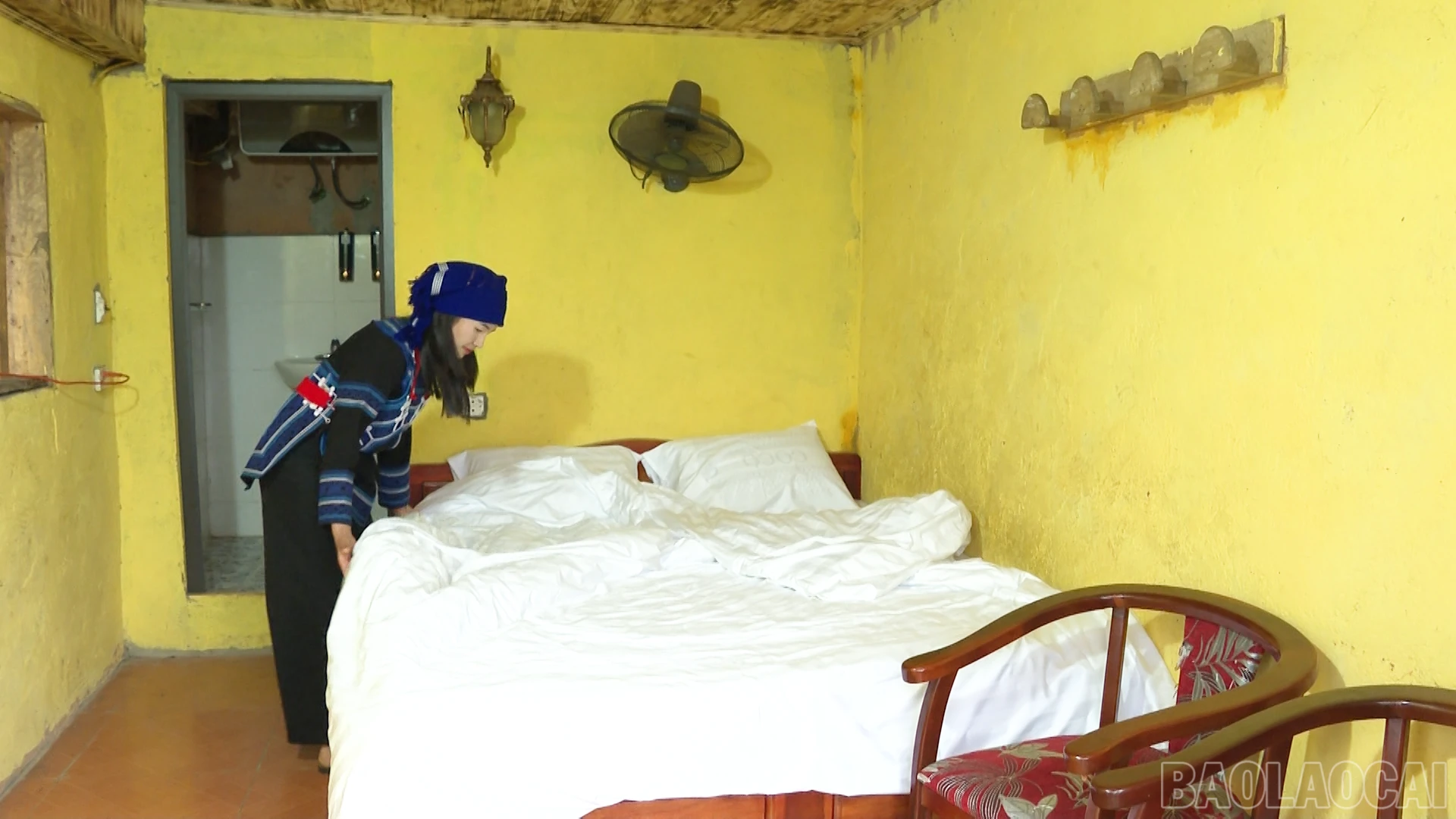
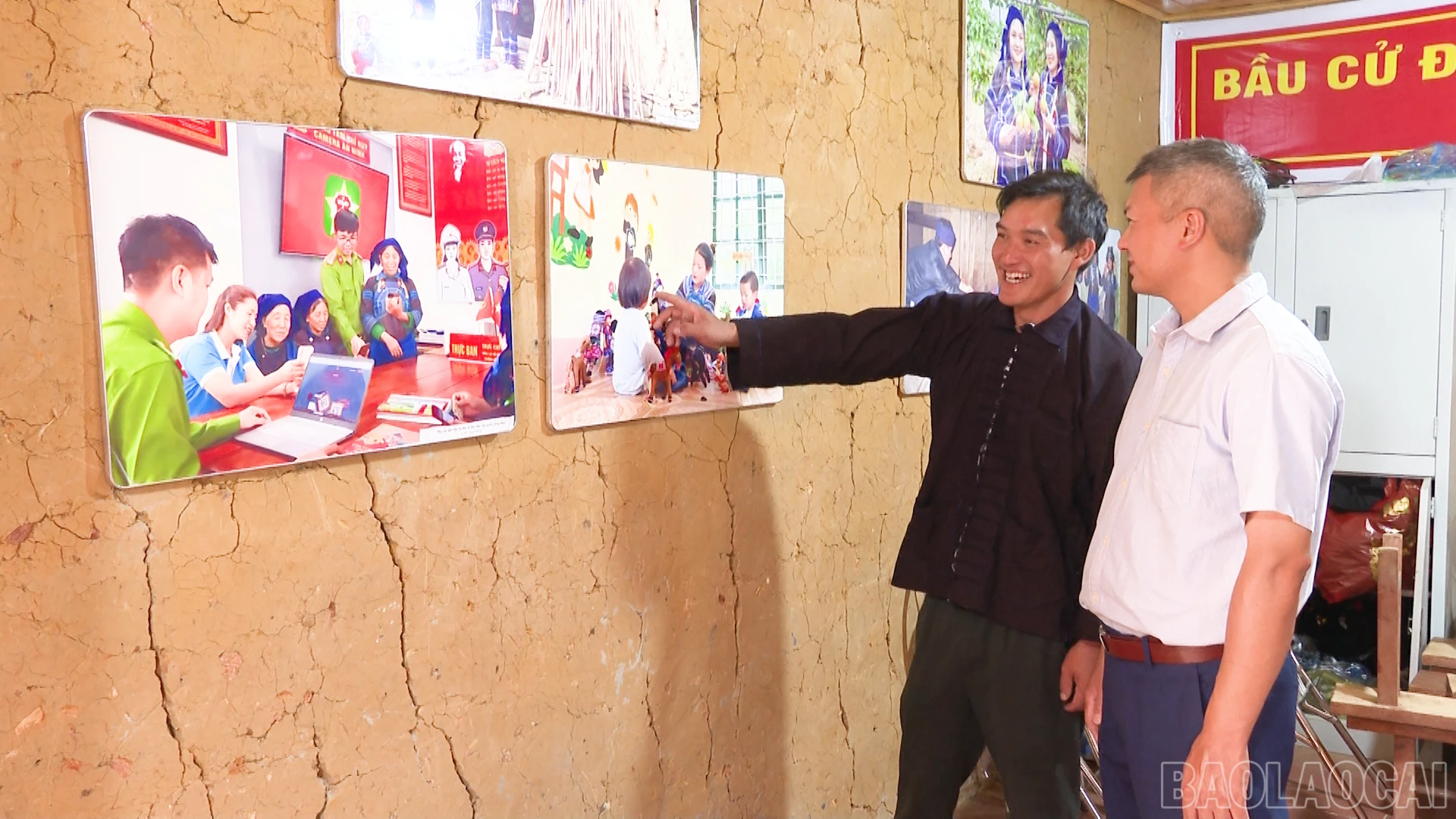
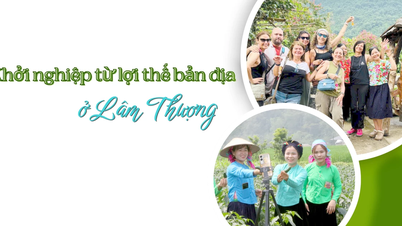
A notable change is the shift in the mindset and practices of the local people. From relying on traditional agriculture, they have learned to utilize technology for "digital tourism." Smartphones have become tools for promoting Y Tý on social media, connecting directly with tourists, taking bookings, and showcasing local culture.
“Now everyone knows how to use their phones for tourism. Before, if we wanted tourists, we had to wait for referrals from acquaintances, but now, with just a phone, we can promote the image of our village to many people. People are also more confident and no longer shy about interacting with tourists. I always tell everyone that doing tourism is not only about increasing income but also about preserving our identity, so that future generations will still know the traditional values of our people,” shared Mr. Chu Che Xa.
This change is also evident in the role of women. While previously they were closely associated with the hearth and the fields, they have now become active participants in the tourism industry. They have learned how to communicate, welcome guests, and introduce their ethnic products, cuisine , and customs.
Ms. Phu Ca Cho, a villager, proudly said: "Thanks to Mr. Xa's family setting an example, the women in the village have also learned from them and participated in economic activities and tourism. Before, we only stayed at home and rarely interacted with outsiders, but now we are much more confident. Women can also earn their own money and contribute to the economic development of their families. Life has changed significantly as a result, and we are no longer as dependent as before."
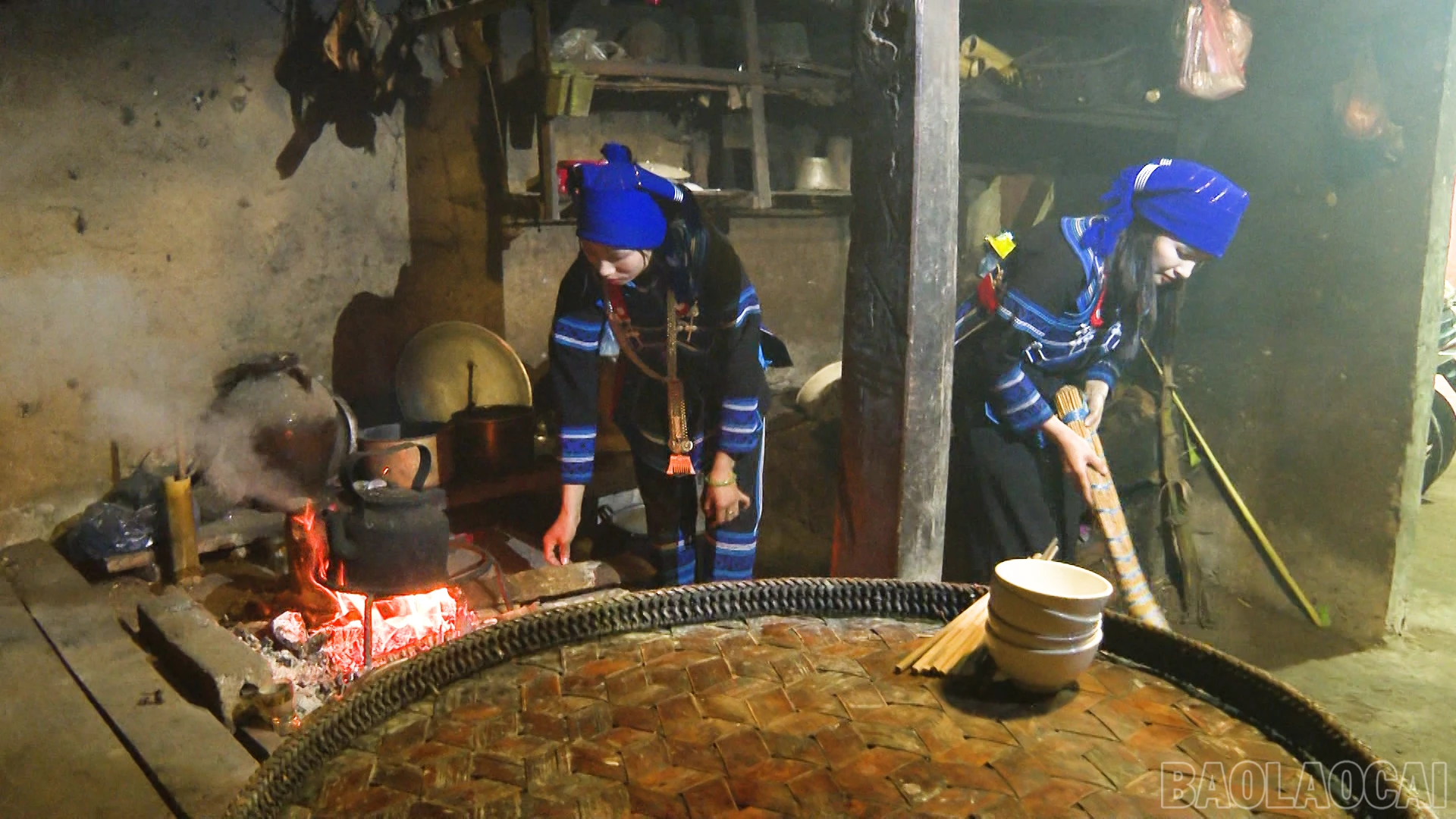
Through proactive efforts and striving for progress, the people of Lao Chai village, Y Ty commune, are gradually developing their economy while preserving their traditional identity. Changes in mindset and practices are opening up a new face, where life is improving day by day.
Lao Chai remains serene amidst the clouds and mountains today, but behind that peaceful facade lies a life in full swing. Each new day here begins not only with warm sunshine, but also carries with it faith and hope for a brighter future for the people of this highland region.
Source: https://baolaocai.vn/ngay-moi-o-ban-may-lao-chai-post898873.html






































































Comment (0)