

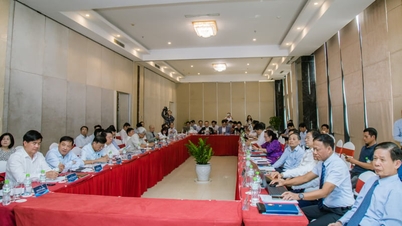
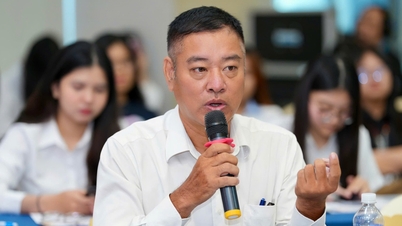
The issue of catfish emissions was discussed by Mr. Nguyen Ba Thong, Program Manager of the Sustainable Trade Initiative (IDH), at a workshop calling for public-private cooperation to promote circular economy development and reduce catfish chain emissions. The workshop was organized by the Department of Agriculture and Environment of Can Tho City.
In his presentation, Mr. Thong cited a recent study indicating that producing 1 kg of pangasius fish on a farm generates 6-7 kg of carbon dioxide. This emission is primarily concentrated in animal feed. Therefore, he suggested that managing sludge could be key to reducing carbon emissions in pangasius production.
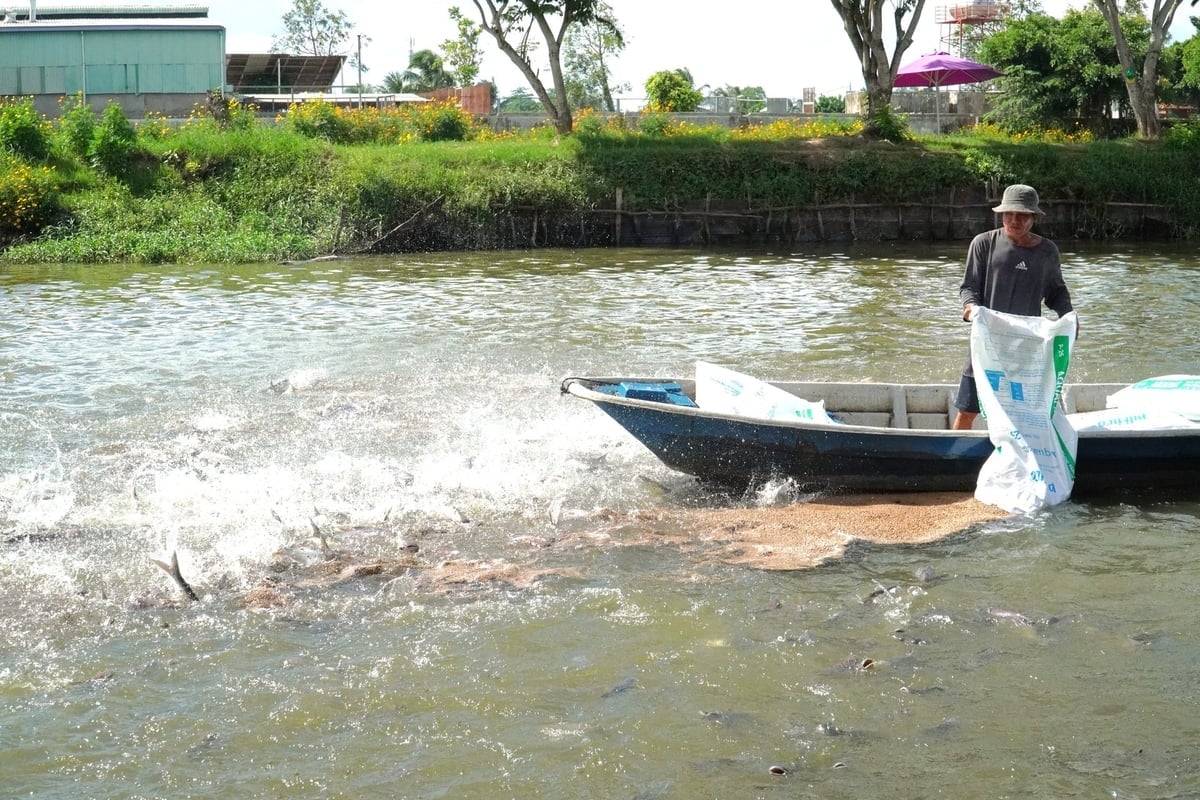
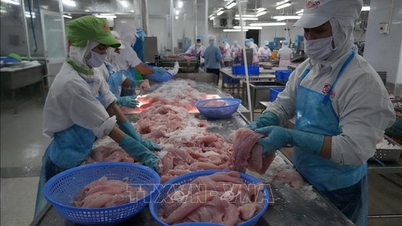
The Mekong Delta is home to most of Vietnam's catfish industry. Photo: Kim Anh.
Specifically, in Can Tho City, the area for pangasius farming currently reaches approximately 796 hectares, yielding over 191,500 tons annually. With a feed conversion ratio (FCR) of 1.6, farmers need to use about 306,400 tons of feed to raise this amount of fish. This large volume of feed also means a significant amount of sludge is generated during the farming process. Meanwhile, the city has yet to implement measures to utilize this sludge for more efficient purposes.
Regarding this issue, Mr. Nguyen Tan Nhon, Deputy Director of the Department of Agriculture and Environment of Can Tho City, believes that developing a circular economy will create advantages in minimizing greenhouse gas emissions because sludge is almost completely recovered and not released into the environment. In addition, developing a circular economy will help increase economic efficiency, create highly competitive products, and ensure long-term sustainability. However, currently, catfish farmers are operating on a small scale, and their technology does not yet meet the requirements of a circular economy, which involves technological innovation and model design.
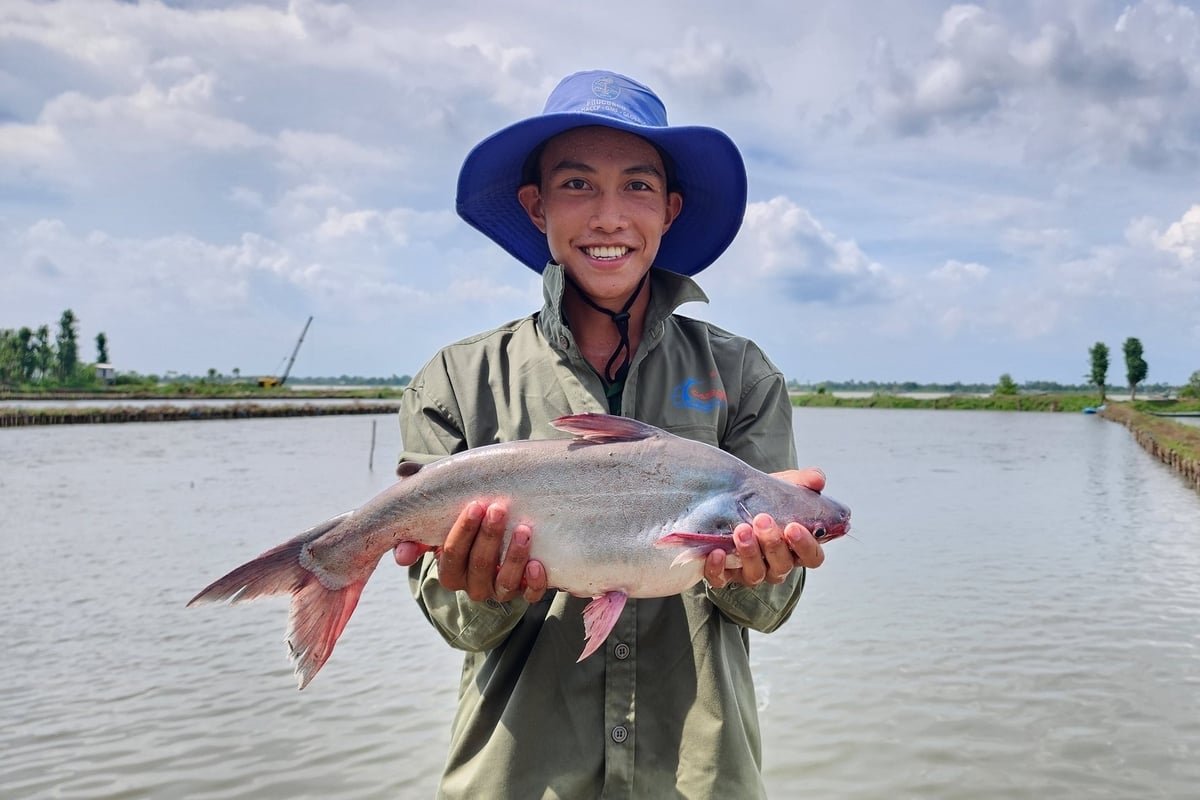
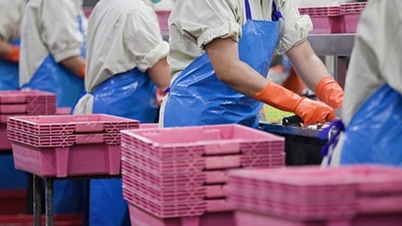
Seafood importing countries are increasingly interested in sustainable production and reducing greenhouse gas emissions for pangasius fish. Photo: Kim Anh.
Initially, the Department of Agriculture and Environment of Can Tho City conducted a pilot study on utilizing wastewater from pangasius farming, creating a closed production chain and producing safe products that do not pollute the environment. Examples include using wastewater from pangasius farming for rice cultivation or algae biomass production; using wastewater as fertilizer for fruit trees and ornamental plants; and using wastewater in construction.
To further enhance effectiveness, the Can Tho Department of Agriculture and Environment proposes that central agencies should develop a legal framework to strengthen the development of the circular economy in the production chain, especially for key products. This could include prioritizing tax breaks, attracting investment in imported technologies and equipment that are not yet produced domestically, to support the circular economy.
At the same time, we will promote the application of high technology in production and minimize environmental impact to create clean, organic products of high value, meeting market demands.
Source: https://nongnghiepmoitruong.vn/nghe-nuoi-ca-tra-co-phat-thai-cao-d784092.html

























































Comment (0)