

Many women working in offices today worry that prolonged sitting may be a direct cause of bladder prolapse. While sitting for long periods isn't a direct cause, it is an indirect risk factor that increases the likelihood of developing the condition.
- Common causes of bladder prolapse
- Signs and symptoms of bladder prolapse
- How is bladder prolapse treated?
- What can be done to prevent bladder prolapse?
Normally, the bladder is held in place by connective tissue and pelvic floor muscles. When these structures become stretched or damaged, the bladder loses its support and prolapses.
This condition primarily affects women due to the anatomical structure of the pelvic region being significantly impacted by pregnancy, childbirth, and hormonal changes with age.
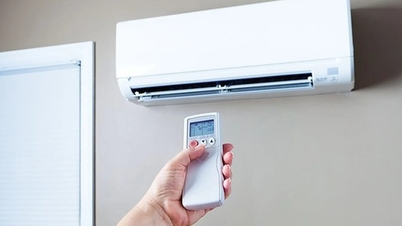
Office workers often sit for long hours each day, get little exercise, work in air-conditioned environments, and have irregular lifestyles. These factors can weaken the pelvic floor muscles over time.
In addition, prolonged sitting increases the risk of obesity, constipation, and chronic respiratory diseases. These are all factors that increase prolonged pressure in the abdominal cavity, thereby damaging the pelvic support system and making the bladder more prone to prolapse.
Furthermore, many office women have a habit of holding back urine due to busy work schedules or drinking less water to minimize the need to urinate. These habits not only affect urinary function but also increase the risk of pelvic floor disorders.
In its early stages, bladder prolapse may not cause noticeable symptoms. However, as the condition progresses, patients may experience difficulties in daily life such as difficulty urinating, urinary incontinence, frequent urination, or a feeling of heaviness or pressure in the genital area.
Common causes of bladder prolapse
There are many causes of bladder prolapse, the most common of which are:
- Overweight, obesity
People who are overweight or obese have a higher than normal risk of developing bladder prolapse. This is because body weight puts constant pressure on the pelvic floor muscles.
Over time, the pelvic floor muscles stretch and weaken, allowing the bladder to prolapse into the vagina.
- Menopausal women
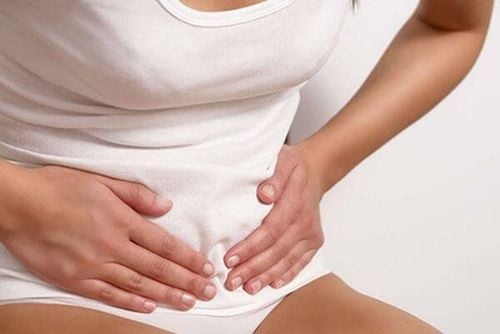
Common symptoms of bladder prolapse include: difficulty urinating, incomplete urination, and frequent urination.
After menopause, the amount of estrogen hormone in a woman's body decreases significantly. Estrogen plays a role in maintaining the elasticity and firmness of the muscle tissue in the vagina and pelvic floor.
When this hormone decreases, the supporting tissues become looser, increasing the risk of pelvic organ prolapse, including the bladder.
- Pregnancy and childbirth
Pregnancy and childbirth are among the most common causes of bladder prolapse in women.
During pregnancy, the weight of the fetus puts significant pressure on the pelvic floor. During vaginal delivery, especially in multiple births or with large babies, the pelvic muscles and ligaments are stretched excessively, leading to a weakened ability to support the bladder.
Women who have given birth to multiple children, experienced difficult deliveries, or had prolonged labor are at a higher risk of developing the disease.
- Regularly carrying heavy loads
Women who do strenuous work, frequently lift heavy objects, or strain themselves excessively may experience increased abdominal pressure.
This pressure directly impacts the pelvic floor muscles, causing gradual damage to the supporting tissues over time.
- Constipation and chronic cough
Chronic constipation causes patients to strain during bowel movements. Meanwhile, chronic coughing due to bronchitis, asthma, or smoking also increases continuous abdominal pressure. These are all factors that promote pelvic floor prolapse and bladder prolapse.
- Genetic factors
Some women with congenitally weak connective tissue or collagen-related conditions are at a higher risk of bladder prolapse.
If there is a history of pelvic floor prolapse in the family, the risk of developing the condition in other family members increases significantly.
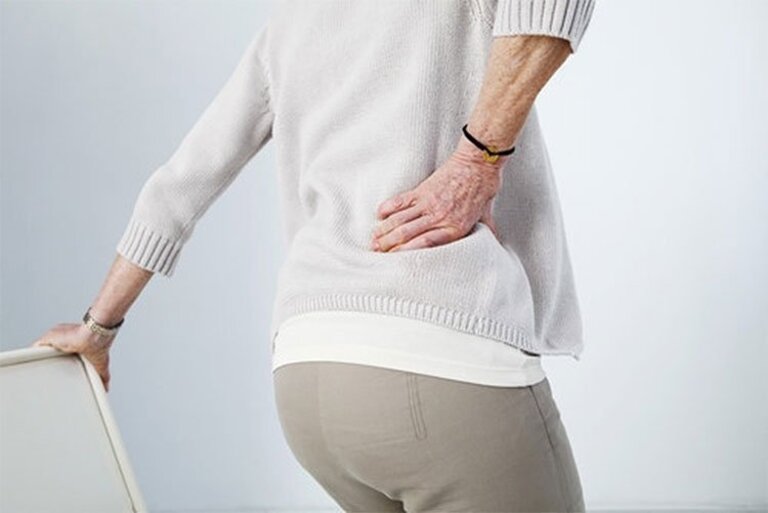
Prolonged sitting is an indirect risk factor that increases the likelihood of developing the disease.
Signs and symptoms of bladder prolapse
In the early stages, patients may have almost no symptoms. However, as the disease progresses, the signs will become more pronounced.
Common symptoms include: difficulty urinating, incomplete urination; frequent urination; urinary incontinence; a feeling of heaviness or pressure in the pelvic or genital area; a feeling of a protruding object in the vagina; lower abdominal pain; discomfort during strenuous activity or prolonged standing; and pain during sexual intercourse.
In many cases, patients feel a protruding mass in the vagina, especially when coughing, straining, or lifting heavy objects.
If women experience unusual urination symptoms or a persistent feeling of heaviness in the genital area, they should seek medical attention promptly for an accurate assessment of their condition.
How is bladder prolapse treated?
Depending on the severity of the illness and the patient's health condition, the doctor will choose the appropriate treatment method.
Lifestyle changes are an important measure in the mild stage:
- Lose weight if you are overweight.
- Avoid carrying heavy loads.
- Treatment of constipation and chronic cough
- Increase physical activity.
- Avoid sitting for too long at a time.
Kegel exercises help strengthen the pelvic floor muscles, improve bladder support, and reduce symptoms. Patients need to practice regularly every day to achieve good results.
In some cases, a doctor may recommend the insertion of a vaginal pessary to support the bladder, especially in older women or those who are not yet candidates for surgery.
In severe cases, surgery is necessary to restore the pelvic support structure and improve urinary function.
What can be done to prevent bladder prolapse?
Experts recommend that women should:
Maintain a healthy weight; exercise regularly; avoid sitting for too long; eat plenty of green vegetables and drink enough water to prevent constipation; avoid carrying heavy loads frequently; practice Kegel exercises after childbirth and during menopause; have regular gynecological checkups.
Bladder prolapse is not an uncommon condition, but it is often overlooked due to its initially subtle symptoms. Early detection and proper treatment help patients limit complications, improve their quality of life, and maintain long-term health.
Source: https://suckhoedoisong.vn/ngoi-nhieu-co-bi-sa-bang-quang-khong-169260508195628246.htm
![[Image] Hanoi's urban life under the challenge of a "scorching hot" environment](https://vphoto.vietnam.vn/thumb/1200x675/vietnam/resource/IMAGE/2026/05/25/1779706979265_nang-nong-t5-2026-minh-duy-7-4636-jpg.webp)


![[Image] Close-up view of the interchange connecting the two expressways and Long Thanh Airport.](https://vphoto.vietnam.vn/thumb/1200x675/vietnam/resource/IMAGE/2026/05/25/1779703378210_ndo_br_z7863716673926-224453a31600126cce10622af6290afd-4549-jpg.webp)



























































































Comment (0)