

 |
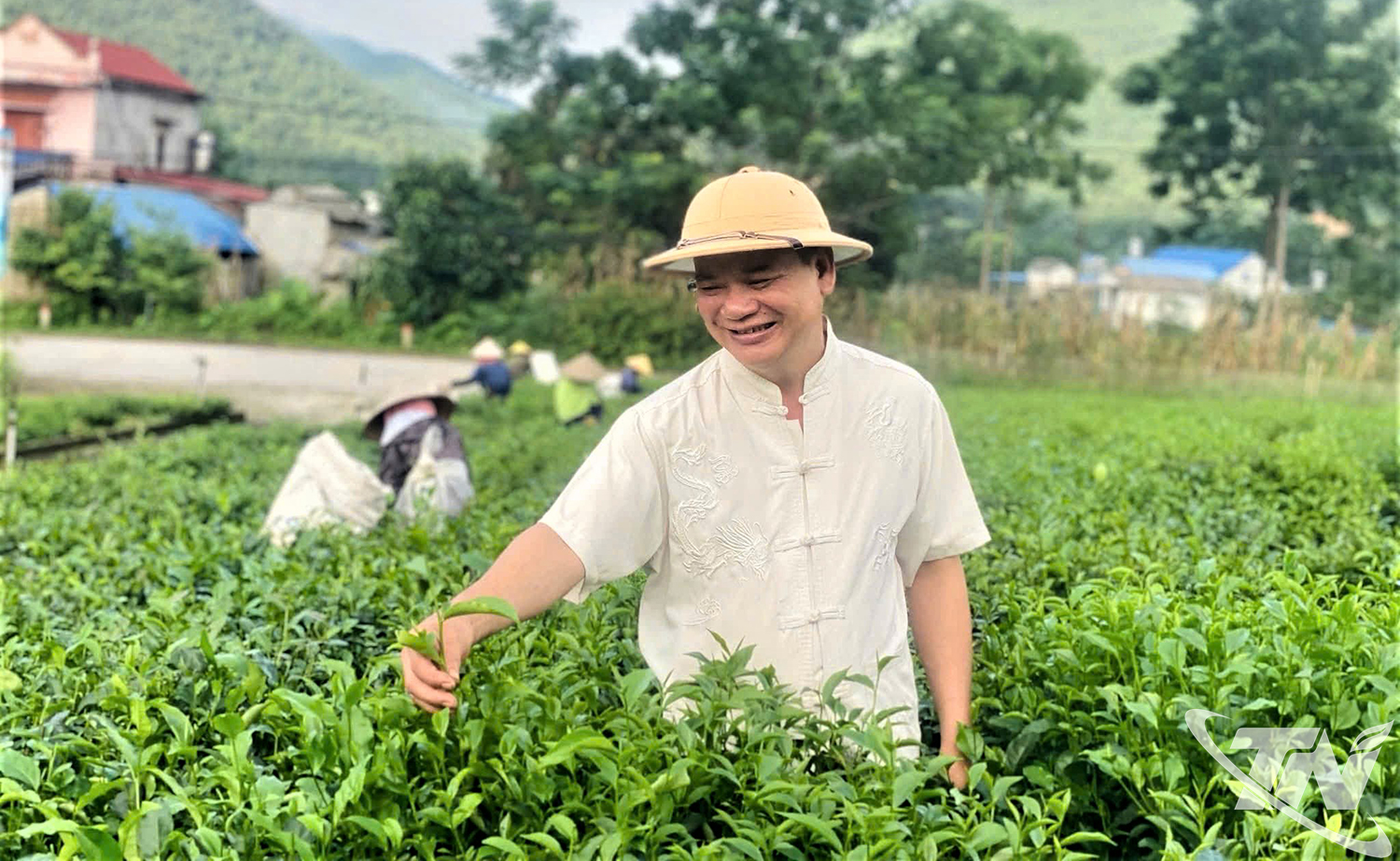
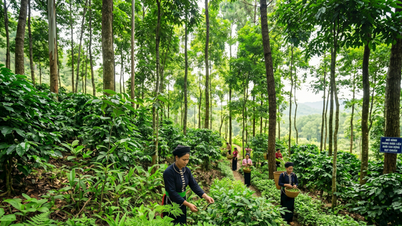
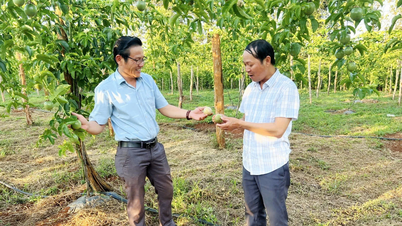
| Tea artisan Le Quang Nghin with his family's midland tea garden. |
Preserving valuable tea genetic resources.
That path is not noisy, nor does it chase after immediate productivity or profit, but rather a path of perseverance and loyalty to the ancient midland tea variety, the tea that has created the aroma, color, taste, and reputation of Tan Cuong tea region. Currently, Mr. Le Quang Nghin's family still preserves this ancient midland tea variety with a history of nearly a hundred years. This is a special tea variety, possessing precious genetic value, and simultaneously representing the continuation of the tradition of a family and a region renowned as "the finest tea."
The "old path" that Mr. Le Quang Nghin follows is precisely the traditional method of tea making used for generations by the people of Tan Cuong. He prioritizes preserving ancient midland tea varieties, both restoring and expanding the cultivated area, contributing to the preservation of valuable genetic resources and enhancing the value of Tan Cuong tea.
With over 8,000 square meters of tea plantations, Mr. Le Quang Nghin's family harvests more than 3 tons of dried tea buds annually, producing three main product lines: traditional hook-shaped tea, young shoot tea, and bud tea. From these three main lines, they have developed many different product variations, but the most important thing is that Mr. Nghin prioritizes product quality.
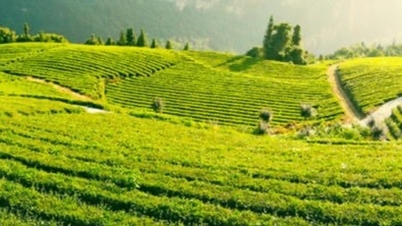
In the rustic setting of a family tea house, sipping a hot cup of tea while gazing out over the lush green ancient tea plantations bathed in the dry sunlight, silently offering humanity the essence of heaven and earth for generations, much like the owners of these ancient midland tea fields persistently and resiliently walking the "old path".
Looking at the ancient tea tree in front of his house, planted in 1928, Mr. Le Quang Nghin simply recounted: "That's the tea tree my great-grandfather planted. In the old days, the elders planted them in squares, without pruning the branches, letting the tea grow naturally. When the tree grew, its trunk was as thick as a thermos flask, and its canopy as wide as a large tray used for drying traditional Chinese medicine."
Like many children from the tea-growing region, Mr. Nghin was taken by his parents to pick tea leaves from the age of six (in 1975). He became accustomed to it, and the tea-picking profession became ingrained in his blood. By the age of 15, Mr. Nghin knew how to observe the sky and the land; he knew what fertilizer the tea plants needed, how much water they required, the appropriate time for harvesting, how to manually roast and dry the tea, and how to sense the right temperature to produce the best tea.
Only much later did he understand that it was folk knowledge accumulated over many generations, and also the foundation that helped him confidently continue on the "old path," as most households in the region switched from growing traditional midland tea varieties to planting new ones.
In fact, tea plants have sustained five generations of Mr. Le Quang Nghin's family. Besides tea, the family has no other source of income. Therefore, he and his family members cherish tea plants as much as their own flesh and blood. He says: "Tea is a specialty crop, the cultural essence of a region, and a benefactor to the tea-growing people. Simply put, because tea plants have given us a prosperous life."
To facilitate care and harvesting, his family's tea plantation is systematically designed, planted in plots with convenient pathways between them. At the foot of the hill, he invested in digging a pond of nearly 1,000 square meters to store water for irrigating the tea plants.
Mr. Le Quang Nghin shared: "Previously, it took a whole day to water a tea plantation. Now, I just flip a switch, and while enjoying tea with guests, I can admire the white spray of water all over the hillside. With a reliable water source, the tea can be harvested year-round."
Pioneering tea production according to VietGAP standards.
 |
| Tea artisan Le Quang Nghin with his grandson. |
Over the past 15 years, the awareness of tea growers in Tan Cuong has changed. Mr. Le Quang Nghin's family is one of the pioneering households producing tea according to VietGAP standards. The production area is kept clean, processing equipment is regularly disinfected, and raw materials are clearly traceable. The harmonious combination of modern technology and traditional craftsmanship ensures consistent quality of his family's tea.
Besides investing in modern machinery and cold storage, Mr. Nghin's family still retains the most important stages of the process by hand. Each batch of tea is roasted at the precise temperature, and the enzymes are deactivated using the correct technique to create a greenish-yellow color, a delicate rice aroma, and a deep, sweet aftertaste.
With his open and friendly nature, Mr. Nghin's house and tea plantation have long been a popular destination for both domestic and international tourists. Here, they can experience harvesting, processing, and tasting tea, while listening to stories about the history of the Tan Cuong tea region and the "knowledge of tea cultivation and processing" passed down through generations.
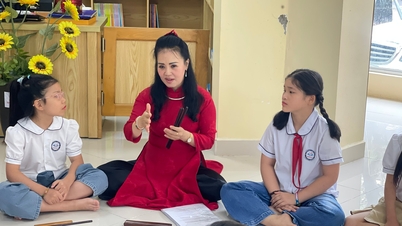
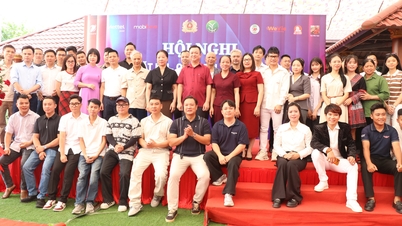
As a tea artisan, Mr. Nghin actively participates in many activities promoting the province's tea. He confided: "Before participating in the ' Thai Nguyen - Fragrance and Beauty of Famous Teas' Festival, I was invited to the event 'Vietnamese Tea Culture - The Journey from Tea Plant to Teacup' organized by the Ho Chi Minh City University of Culture in collaboration with Imexco Vietnam Trading Company in mid-October 2025. There, I represented tea producers nationwide, sharing stories and experiences in tea production, processing, and the art of tea appreciation with domestic and international tea experts and young tea enthusiasts. It was also there that I spoke to Vietnamese tea lovers about my journey on the 'old path,' that is, preserving and passing on the essence of the ancient tea-making craft of the Central Highlands through traditional methods."
For his contributions to preserving the tea varieties of the midland region and actively teaching traditional tea-making skills, Mr. Le Quang Nghin has received numerous commendations from the Central Committee of the Vietnam Farmers' Association ; the Minister and Chairman of the Committee for Ethnic Minorities; and the Chairman of the People's Committee of Thai Nguyen province. But for him, the greatest reward is still being able to continue on the "old path"...
Source: https://baothainguyen.vn/dat-va-nguoi-thai-nguyen/202602/nguoi-di-tren-duong-cu-22f4ed1/
















![[Photo] Reception to welcome General Secretary and President To Lam and his wife on their State visit to the Philippines](https://vphoto.vietnam.vn/thumb/1200x675/vietnam/resource/IMAGE/2026/06/01/1780295488620_vna-potal-chieu-dai-chao-mung-tong-bi-thu-chu-tich-nuoc-to-lam-va-phu-nhan-tham-cap-nha-nuoc-toi-philippines-8798060-7855-jpg.webp)











































Comment (0)