The next generation keeps the "flame" of the profession alive.
Báo Dân trí•18/12/2024
(Dan Tri Newspaper) - Although there are still concerns about the decreasing number of young people interested in and preserving traditional art, it cannot be denied that many young people are striving to "preserve the language and script," dedicating their love to it.
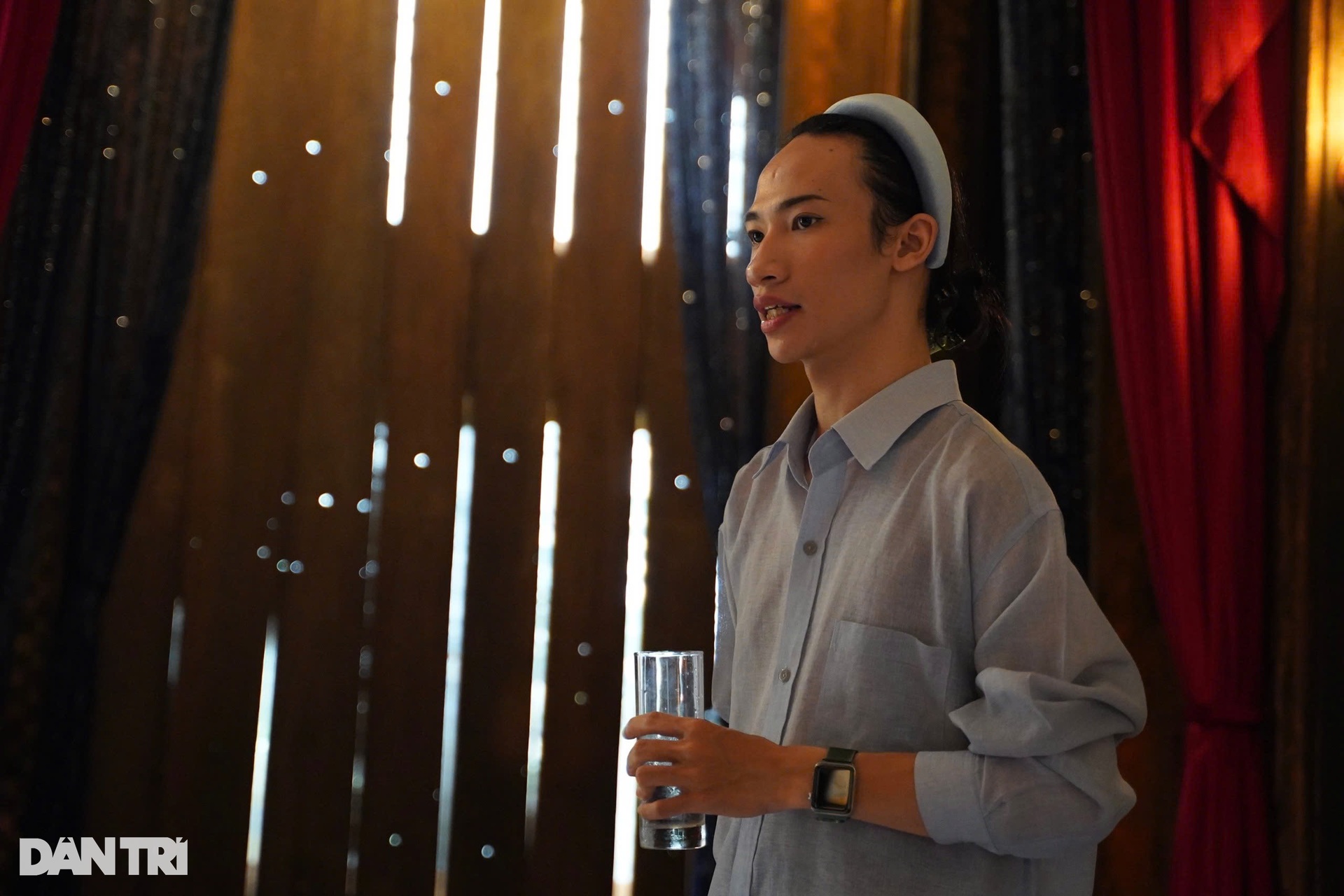
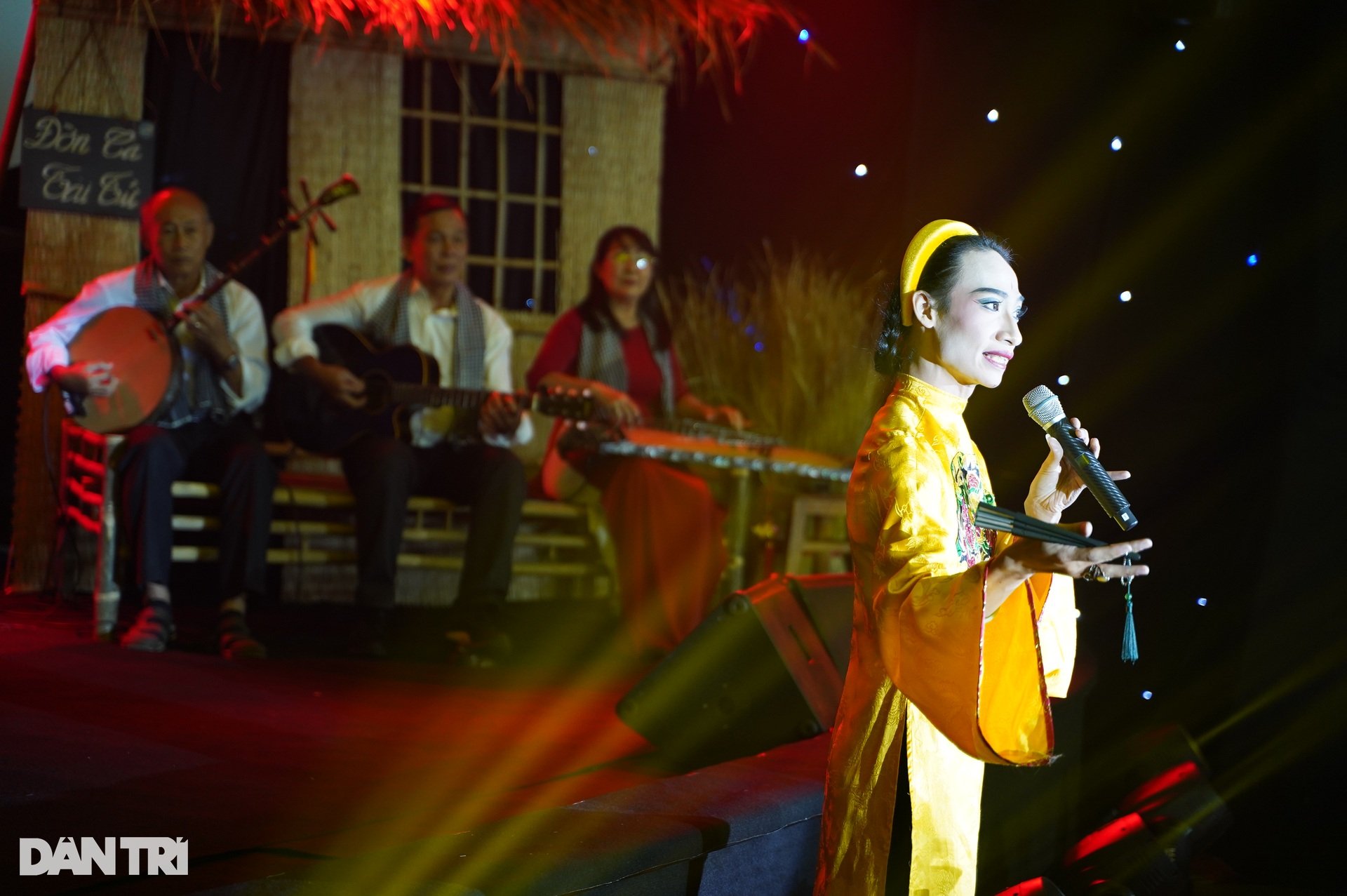
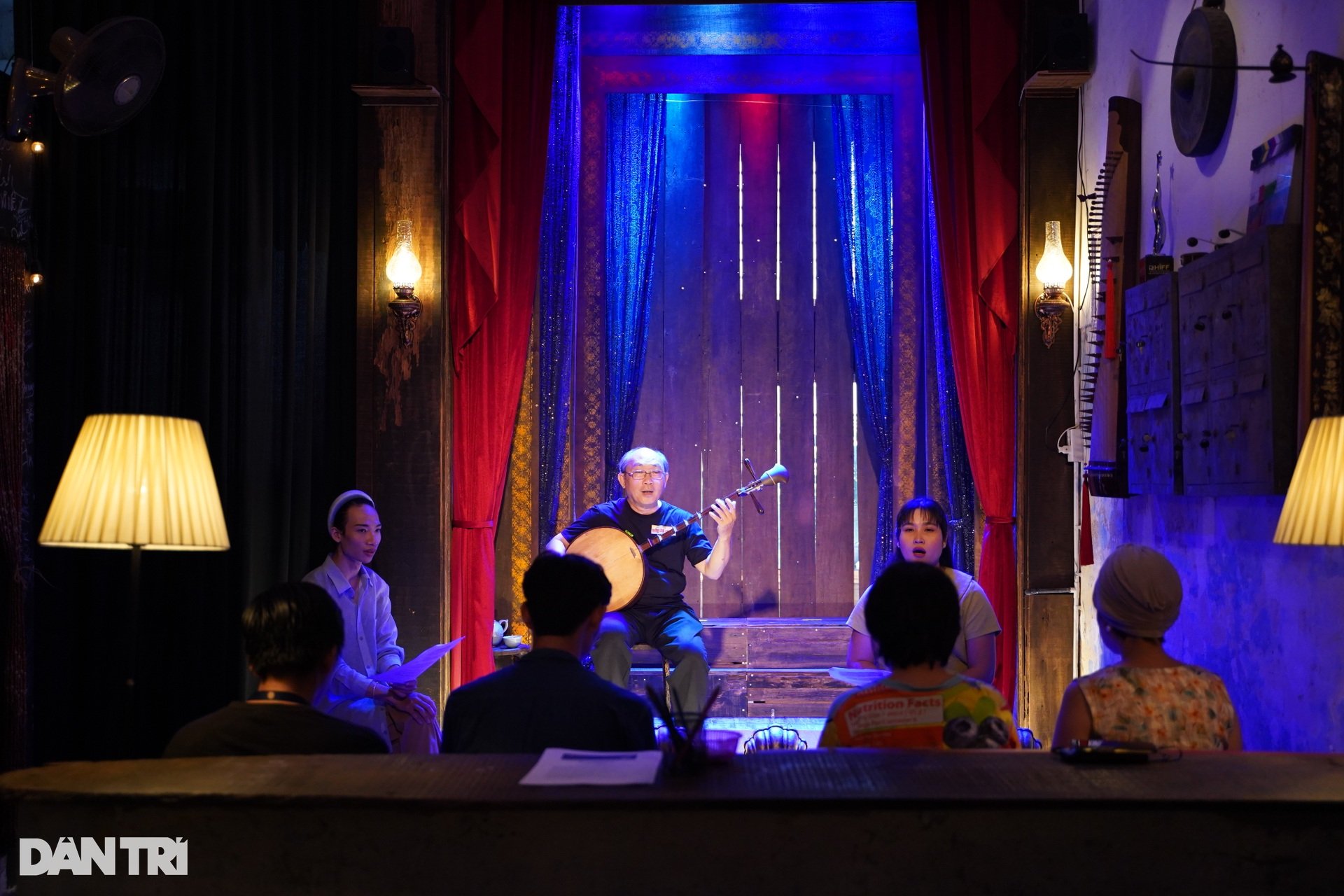
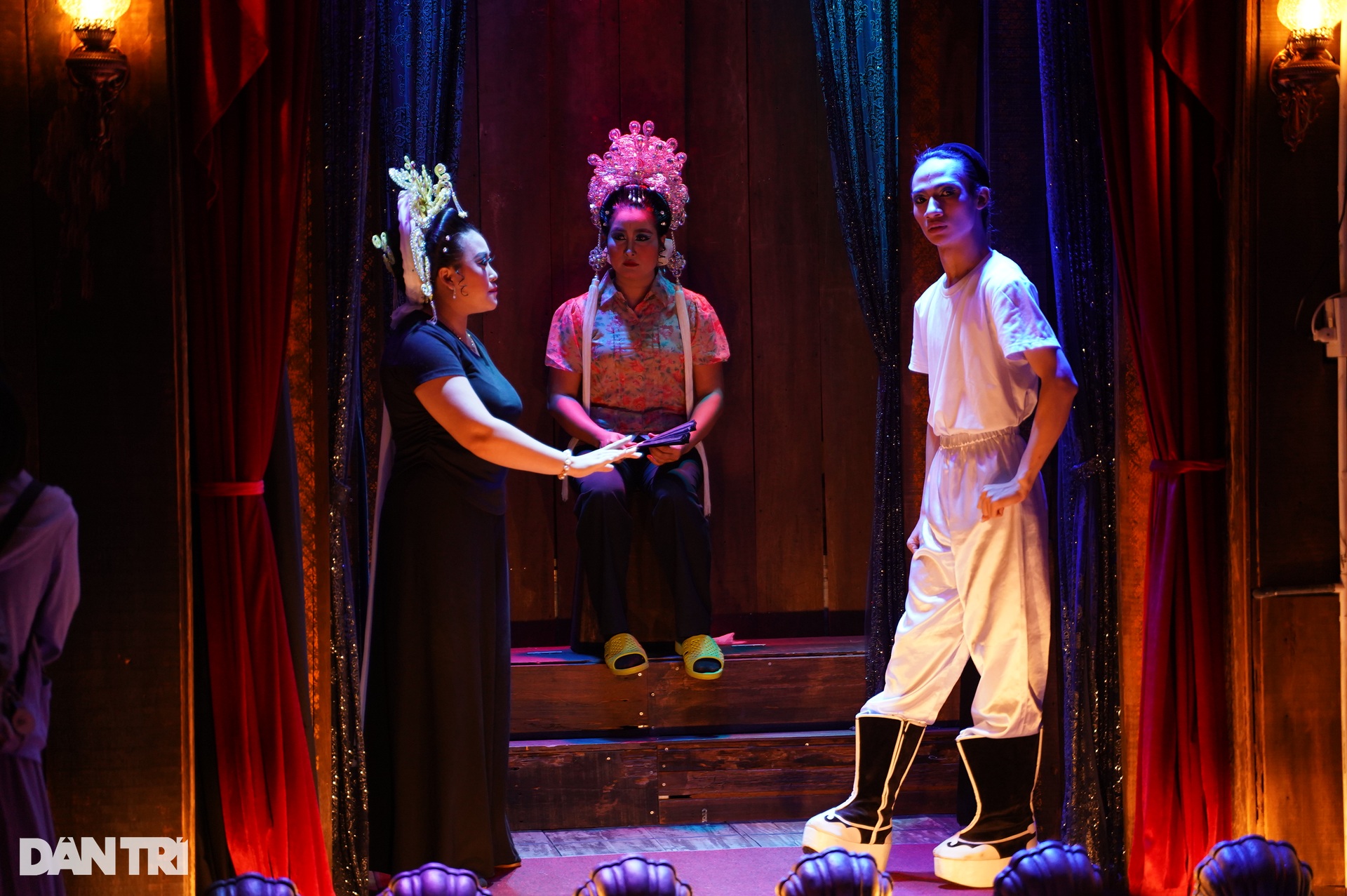
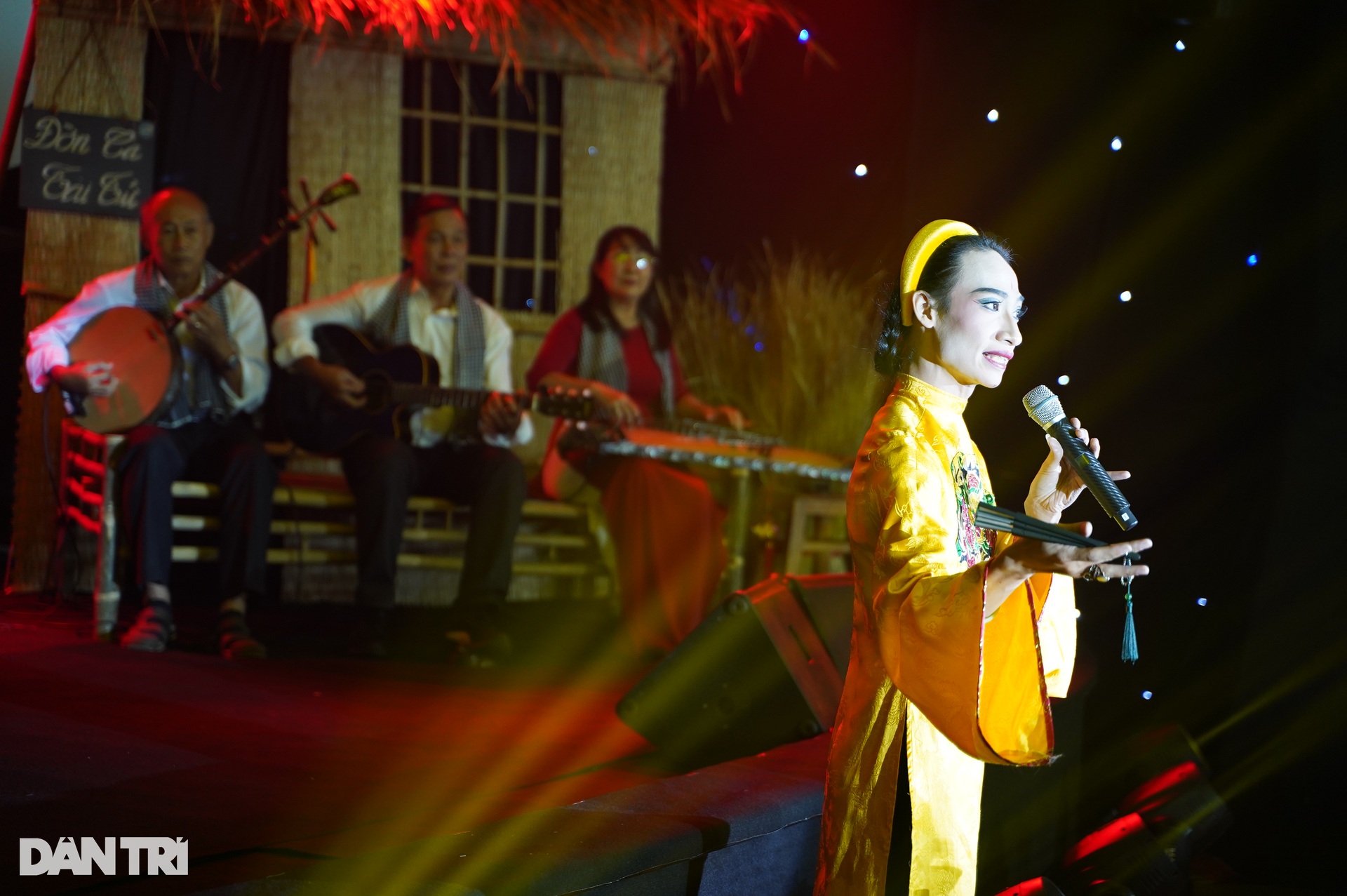
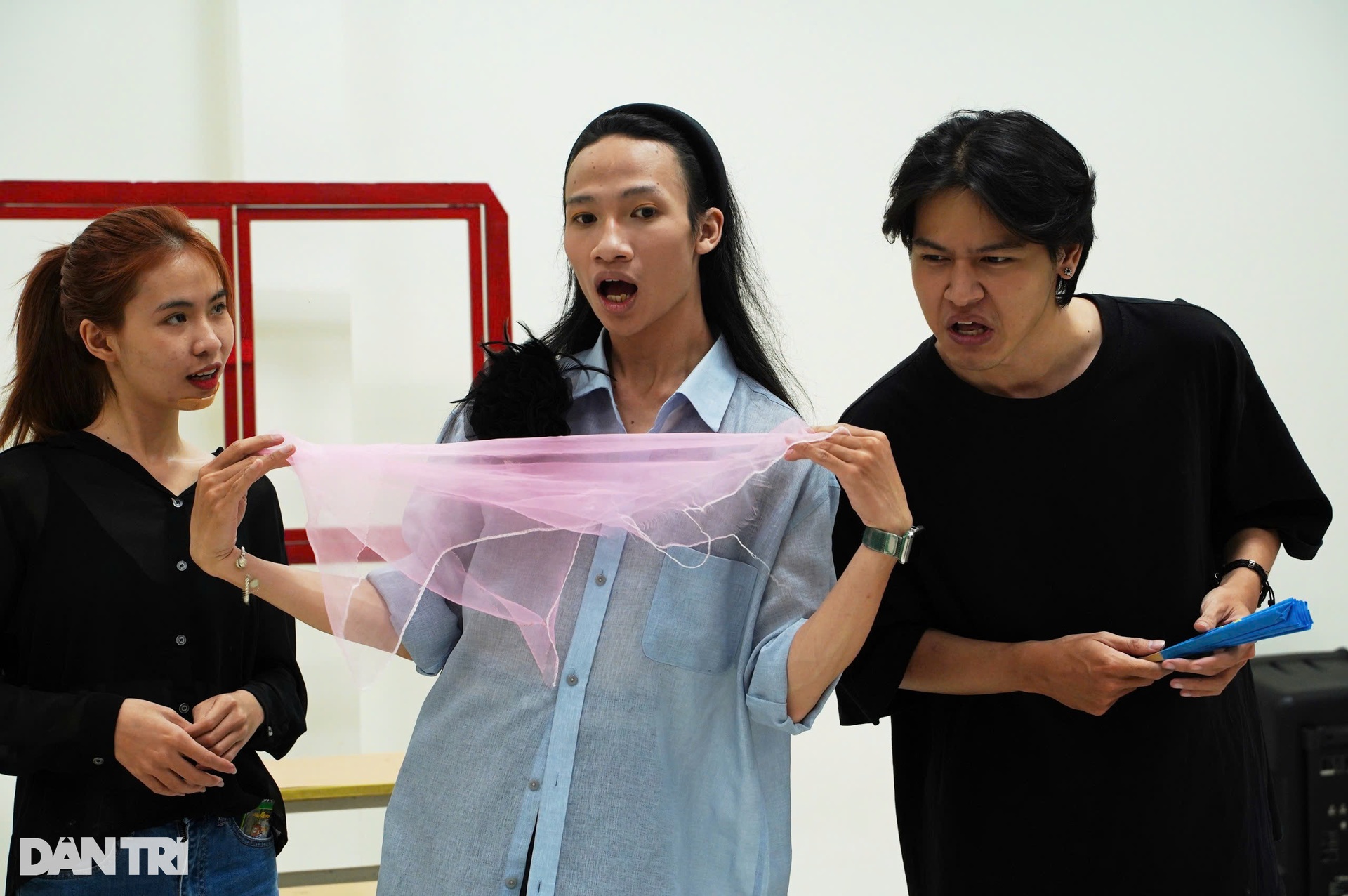
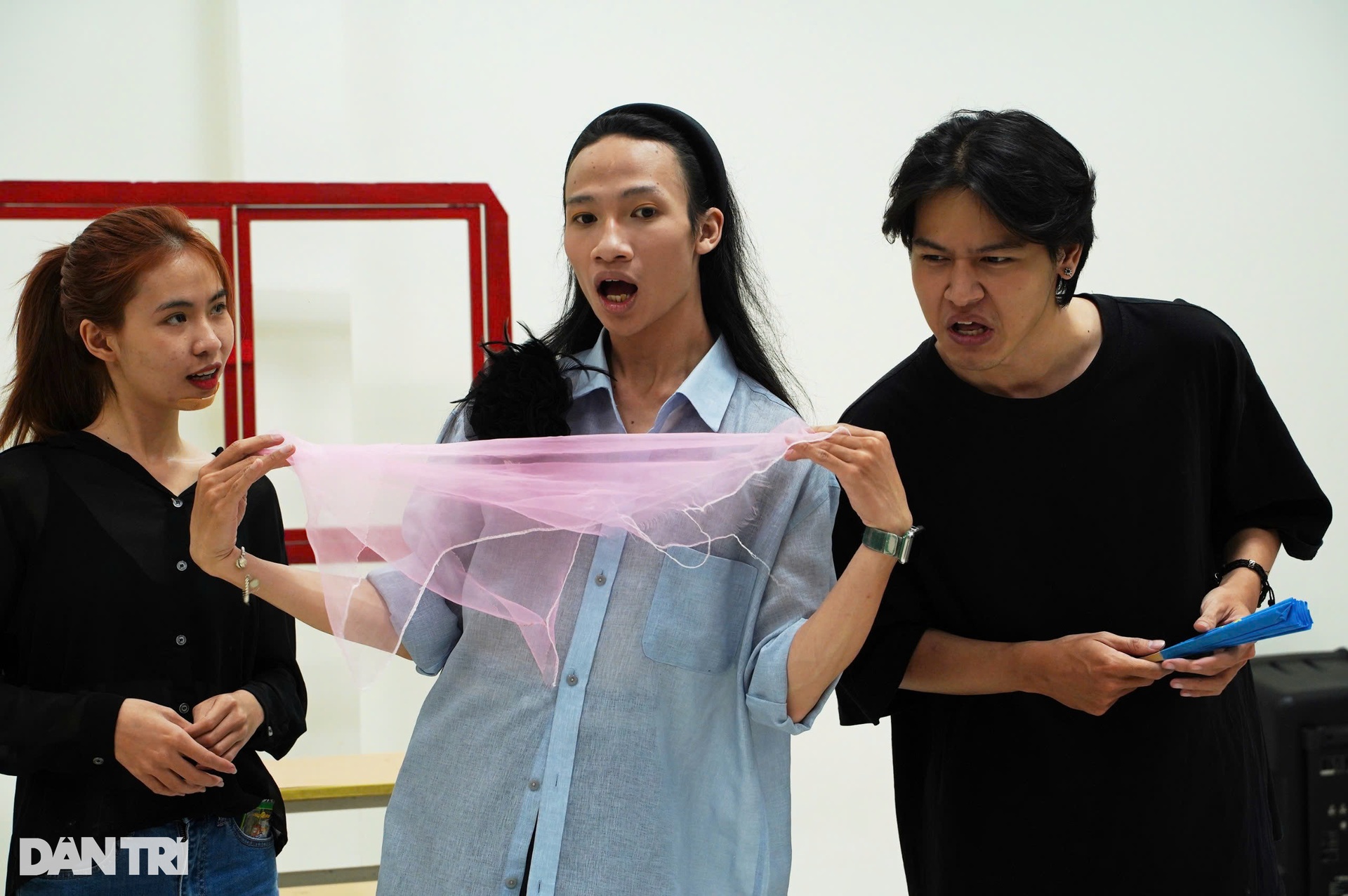
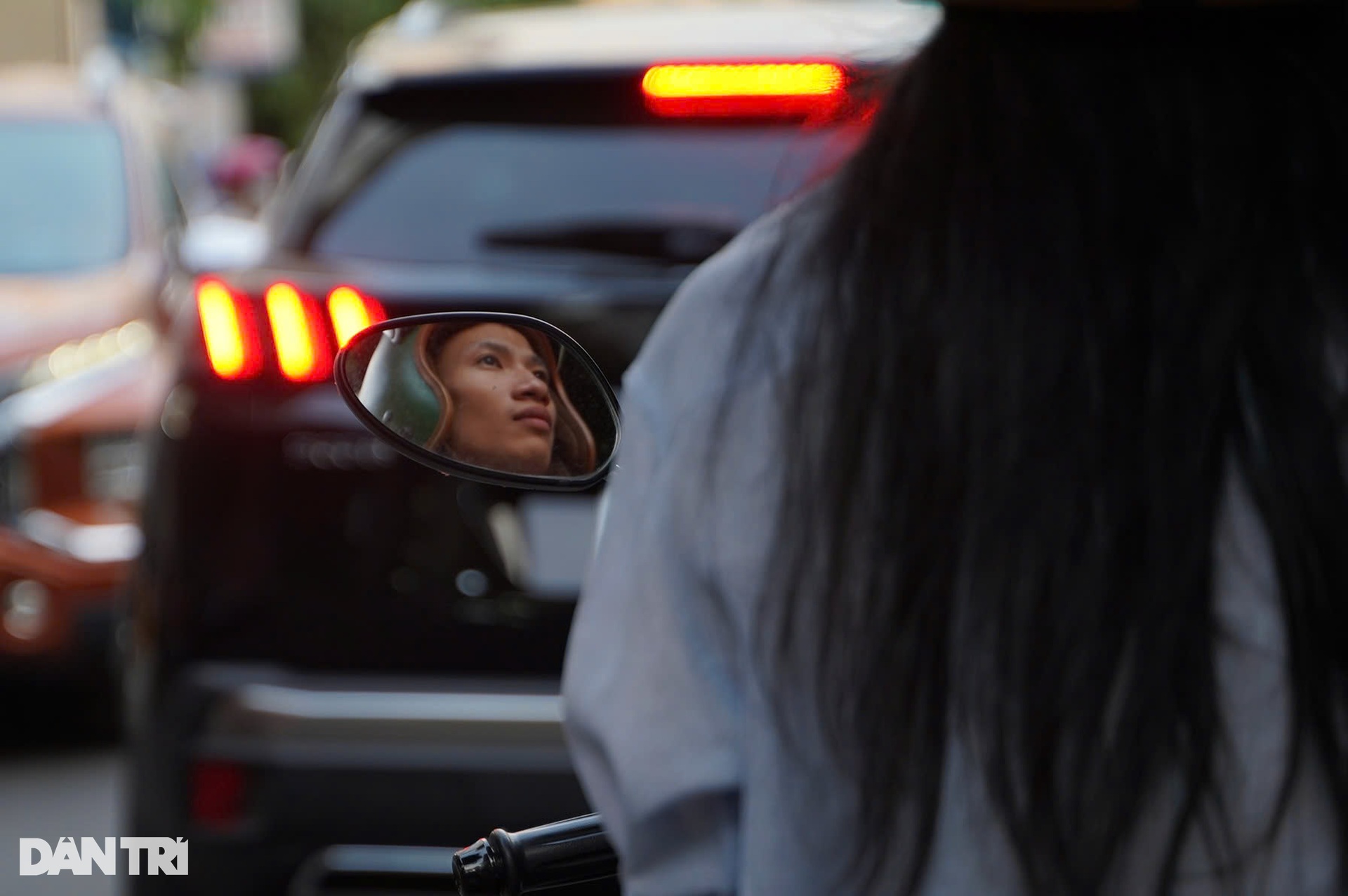
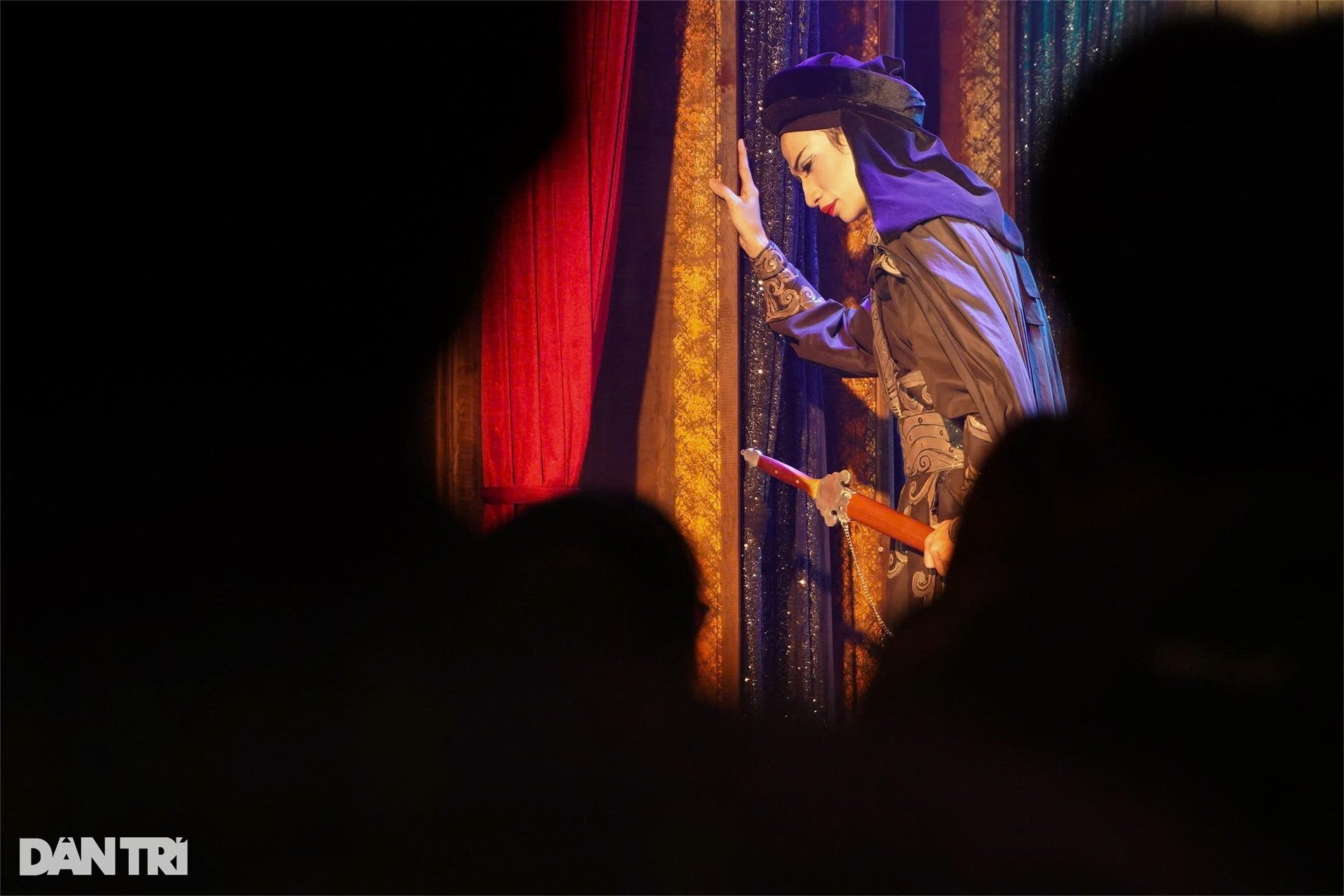
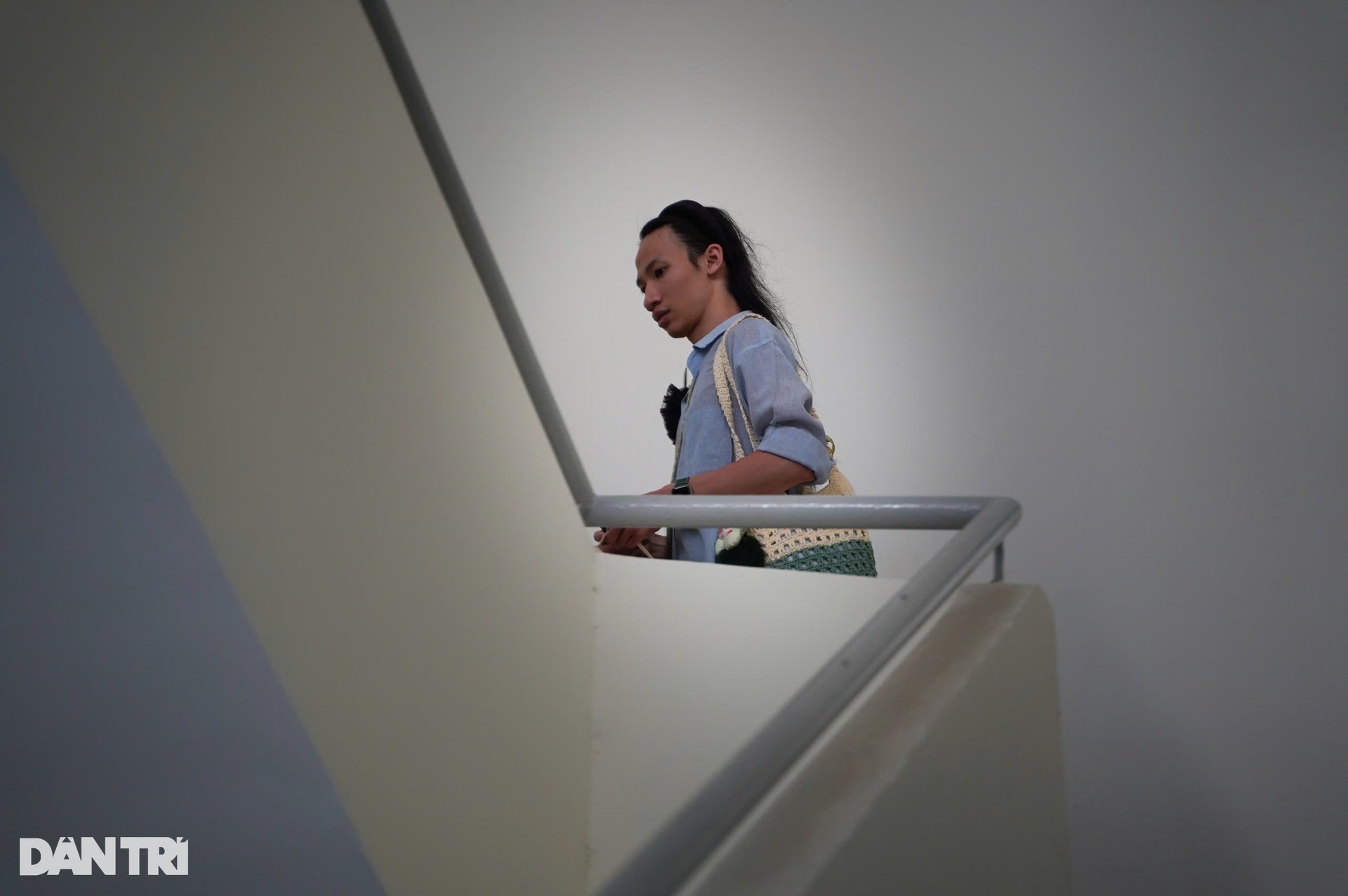
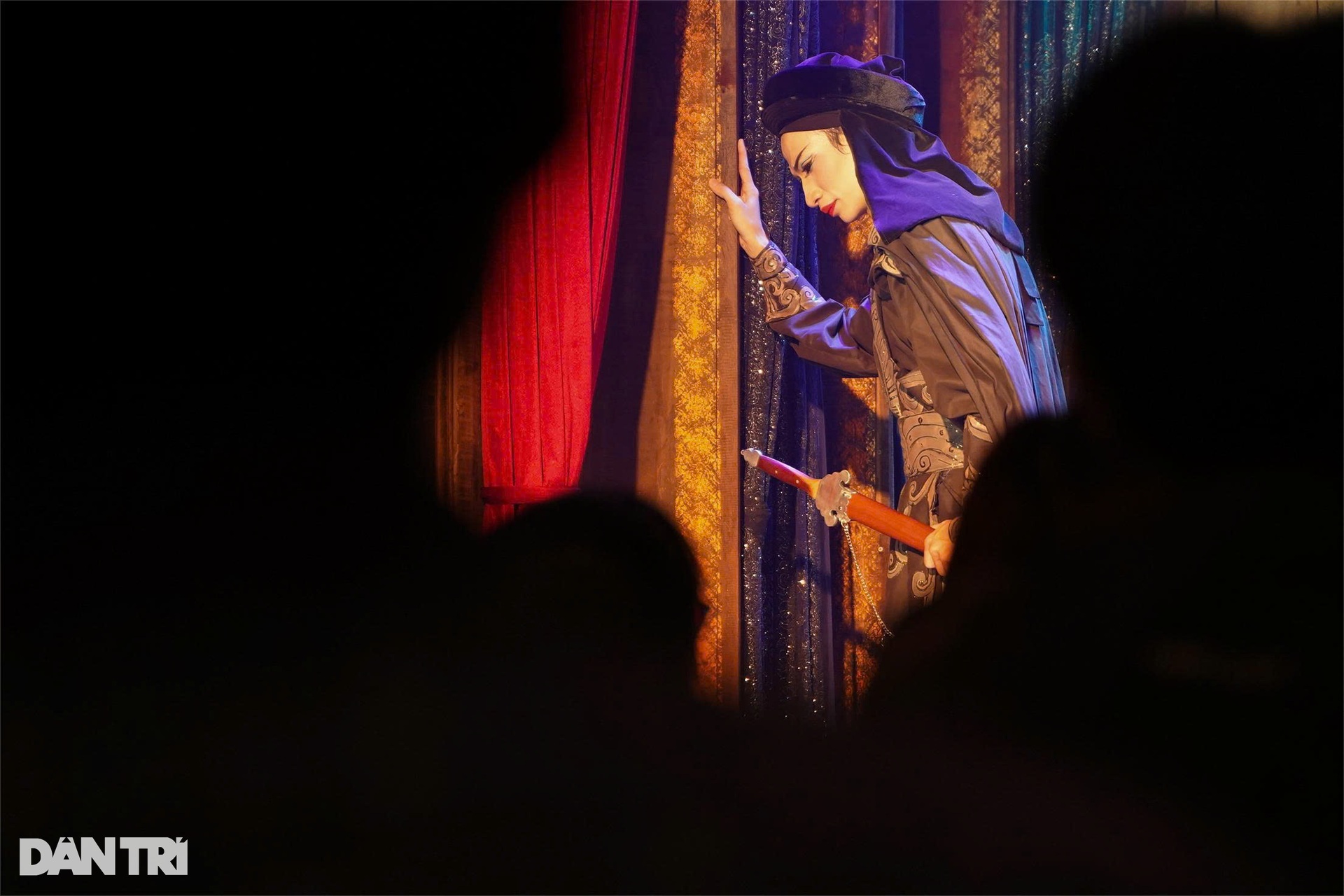
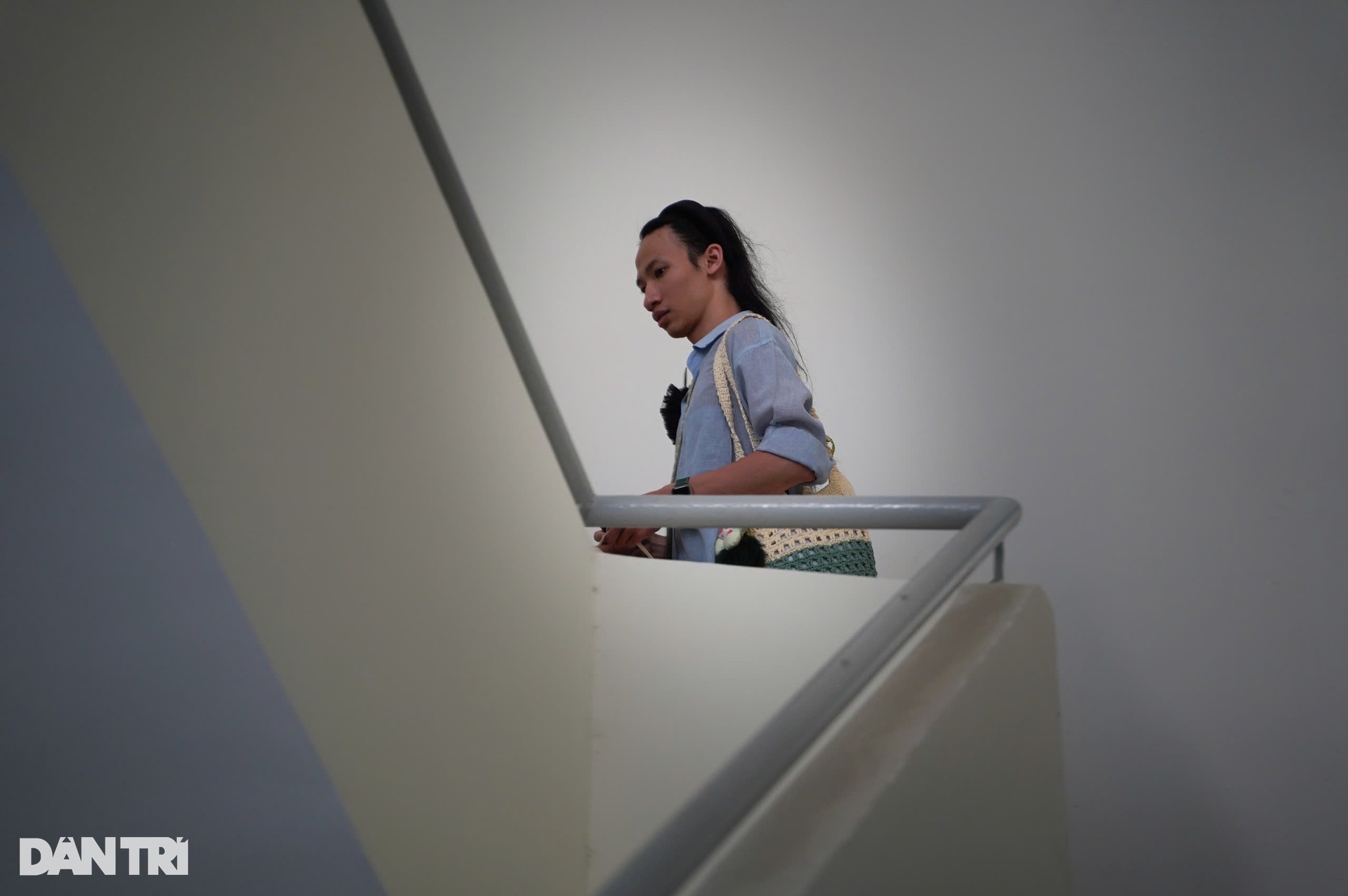
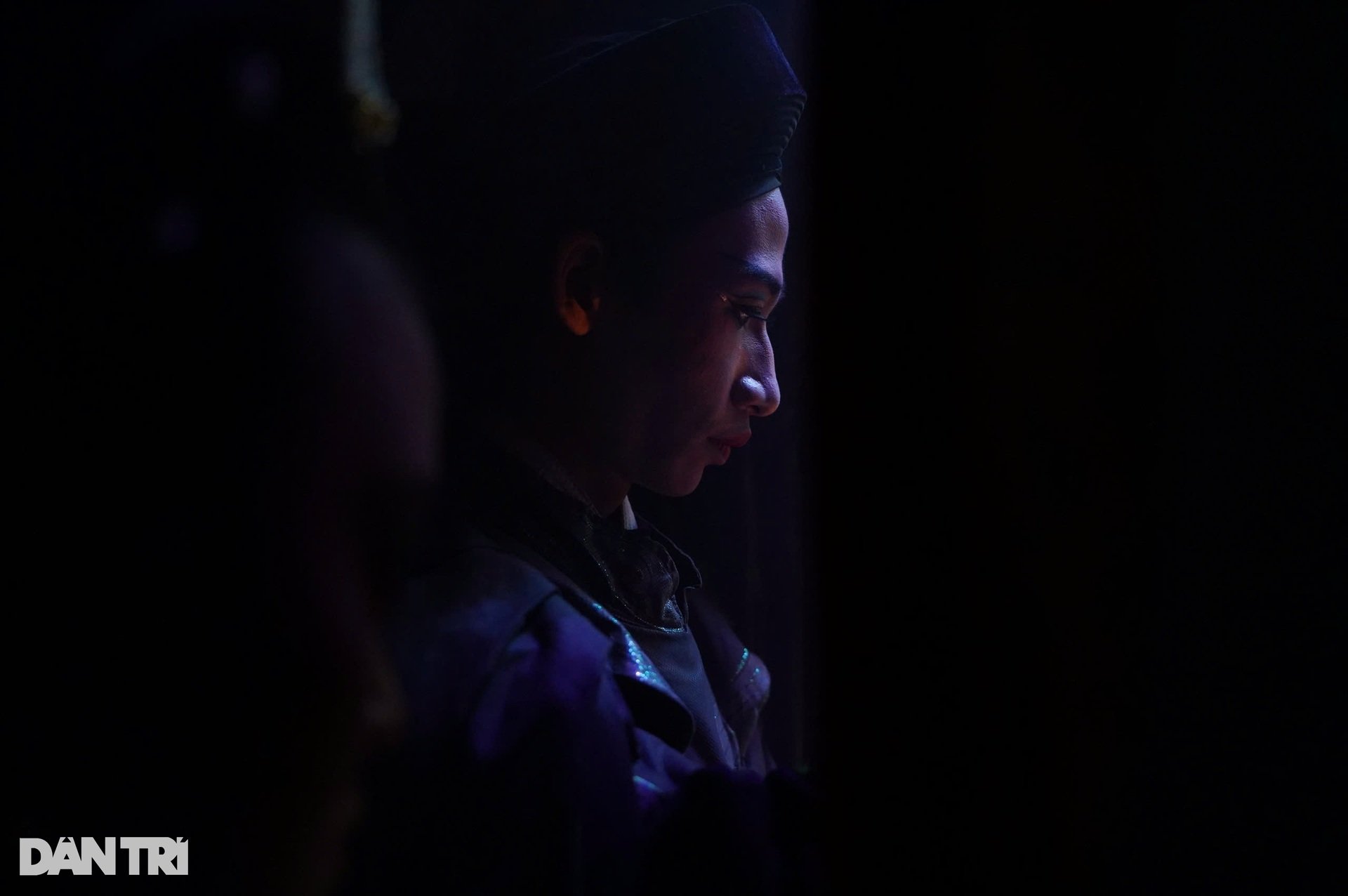
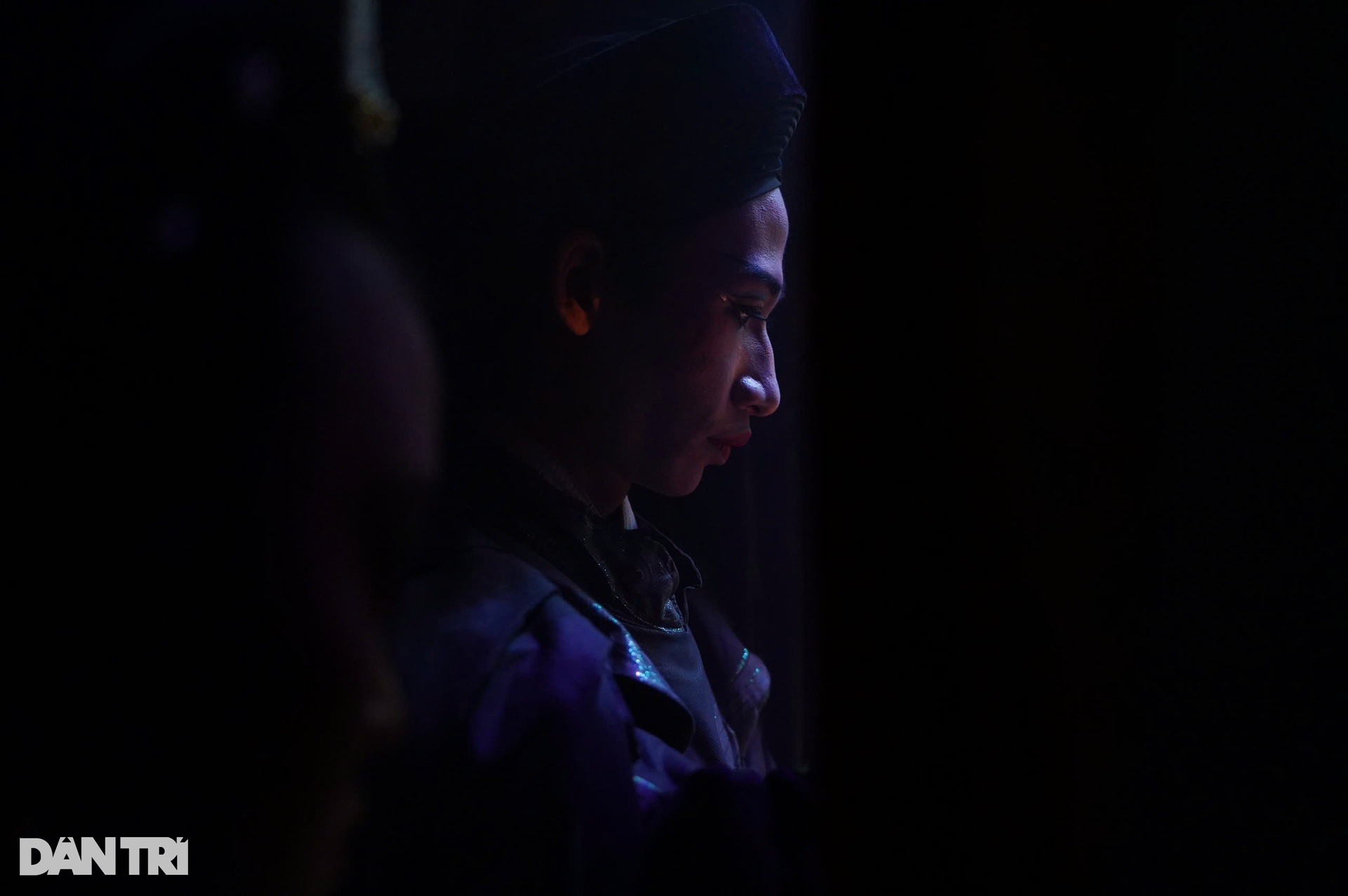
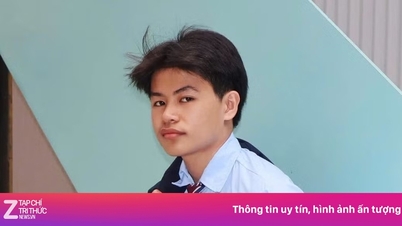
Ha Nang, whose real name is Nguyen Hung Dung, is 25 years old and hails from Ho Chi Minh City. He is a living testament to an undying passion for Cai Luong – a unique art form of the Vietnamese people. Of his two siblings, only Ha Nang pursued a career in Cai Luong. Although no one else in his family is an actor, they all love Cai Luong and support his passion.
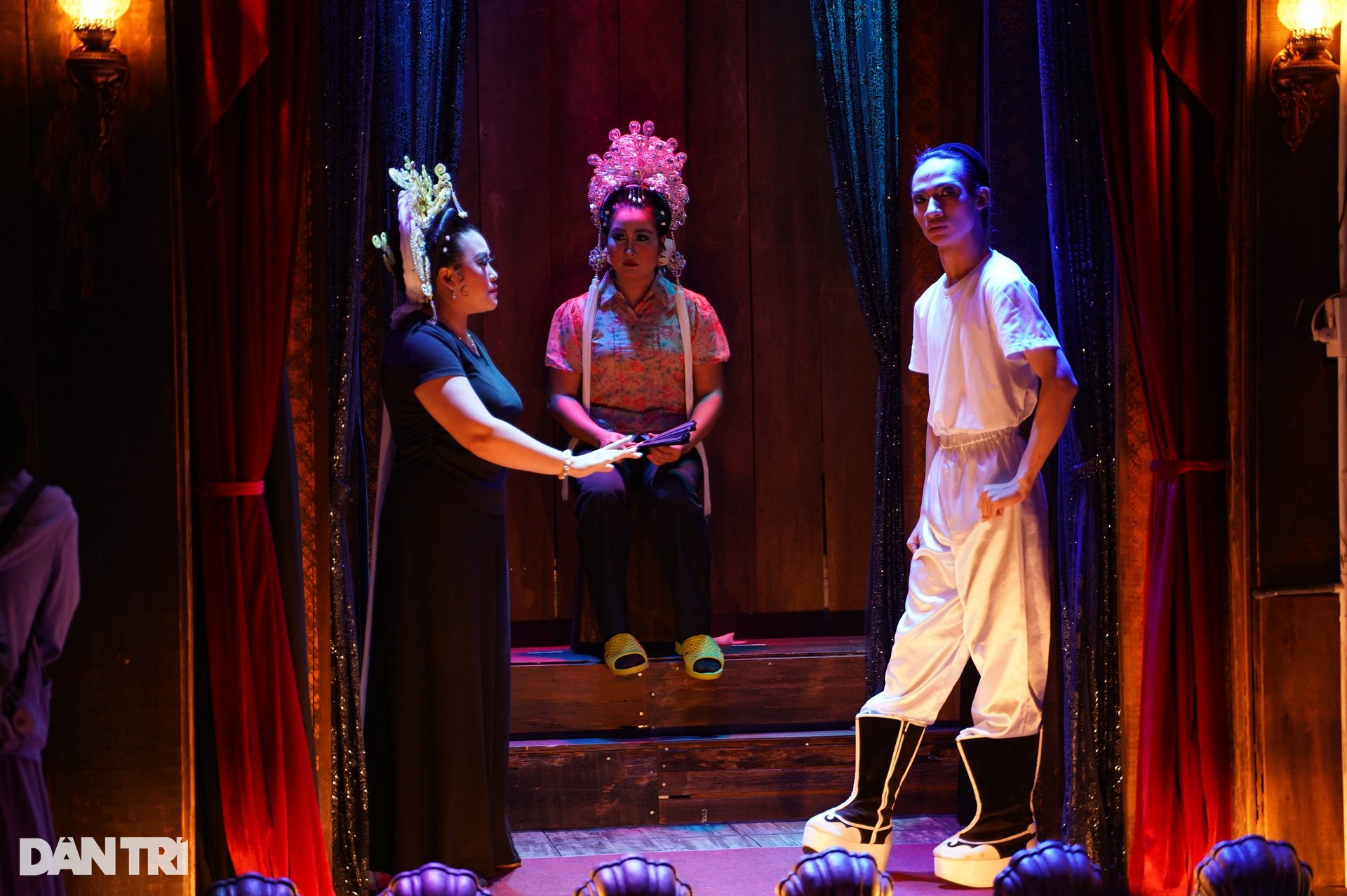
One of the biggest challenges faced by young people who love and pursue traditional art, like Ha Nang, is limited financial resources. However, he always proactively overcomes this. Most of the accessories, props, and weapons used in his performances are either made by Nang himself or purchased with his savings. While many believe that cải lương, đờn ca tài tử, and other traditional art forms are gradually fading away, Hạ Nắng views the issue with a more positive attitude. He believes that although traditional art forms are facing significant challenges, many young people are still exploring and pursuing them with passion. With effort, cải lương and đờn ca tài tử will still have the opportunity to develop and spread strongly. Ha Nang understands that, although Cai Luong (Vietnamese traditional opera) is currently in decline, it is just part of the natural order. "In life, everything will rise and fall; it's a cycle. But to say that Cai Luong is dead is wrong. It still lives on in the hearts of young people like us and young artists who are gradually finding their own path to develop this art form," he said.
After three days of free bus service, the number of passengers increased sharply.After three days of implementing free fares on 134 bus routes according to Resolution No. 09/2026/NQ-HĐND of the Ho Chi Minh City People's Council, the number of passengers continues to increase, showing that the policy is initially effective and is being well received by the people.
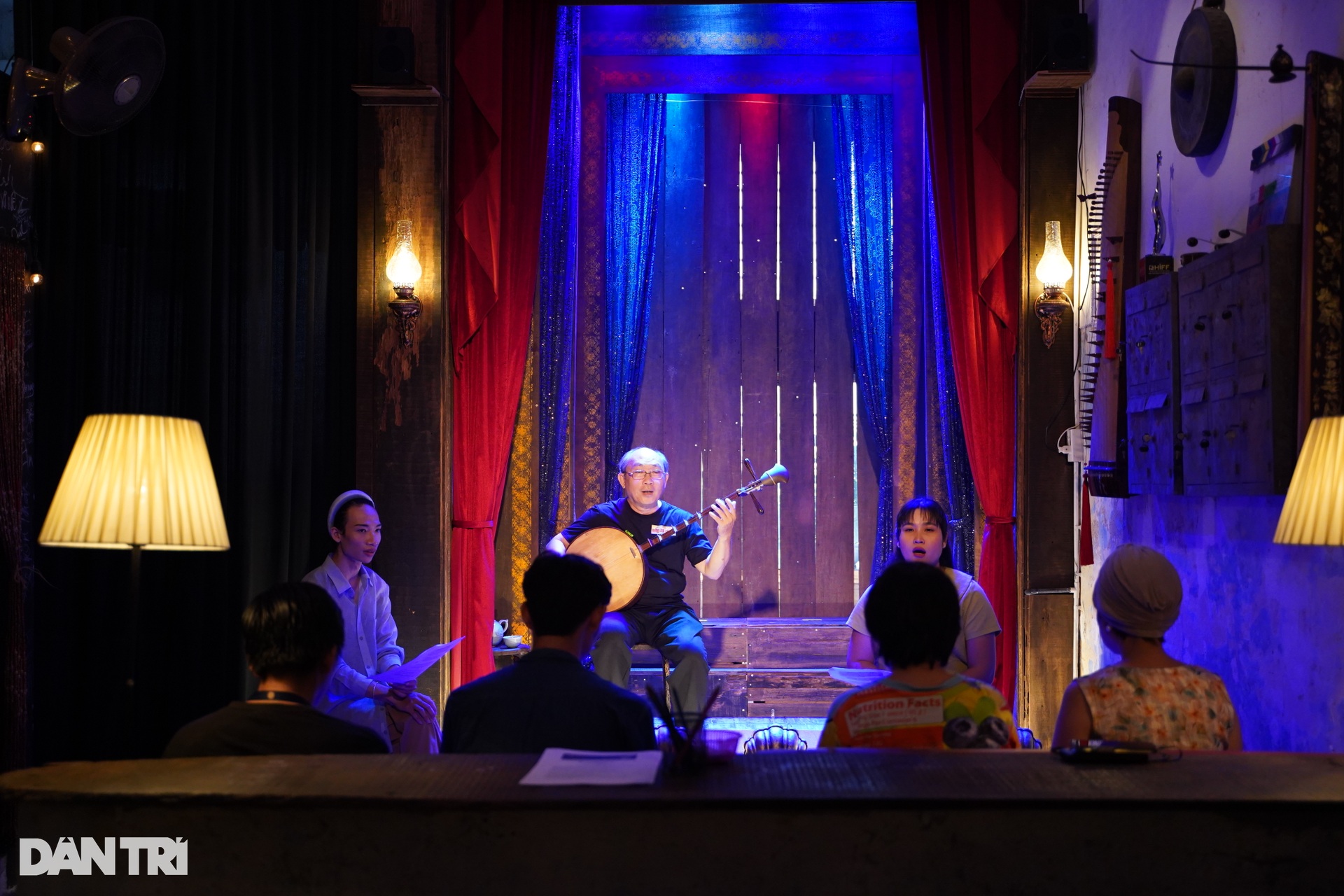
In an era where modern music and global trends dominate the market, finding ways to keep traditional Vietnamese music alive in the hearts of young people is a major challenge, especially for Cai Luong (Vietnamese traditional opera), which some people still consider sad, sentimental, and cheesy. However, Ha Nang not only preserves Cai Luong but also finds ways to bring it closer to young people. Besides performing, Ha Nang regularly organizes and participates in workshops, seminars, and exchanges to share about this art form with the community. He believes that helping young people understand and appreciate traditional music is not only about preservation but also about development, enriching the nation's cultural and artistic heritage.
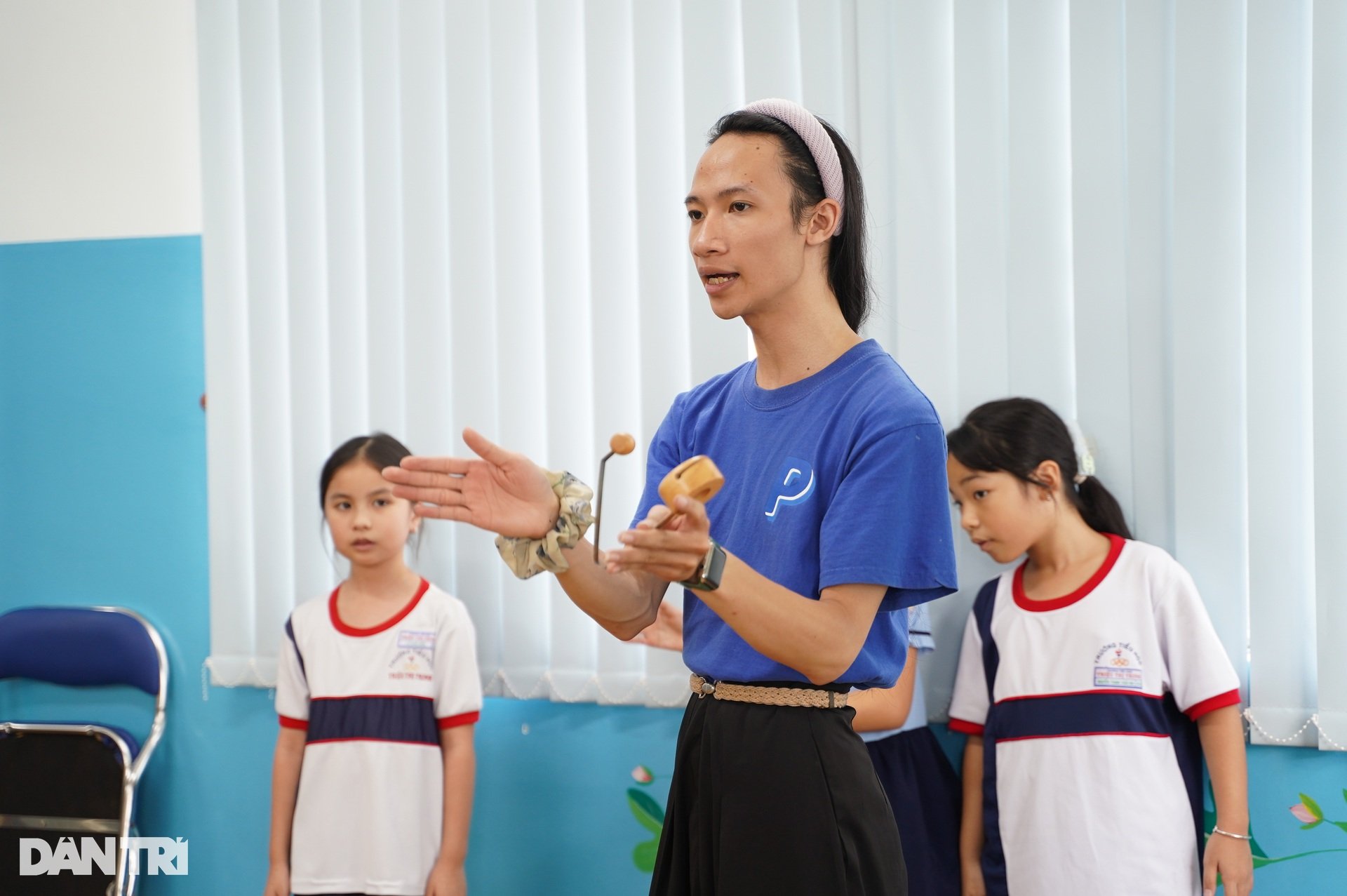
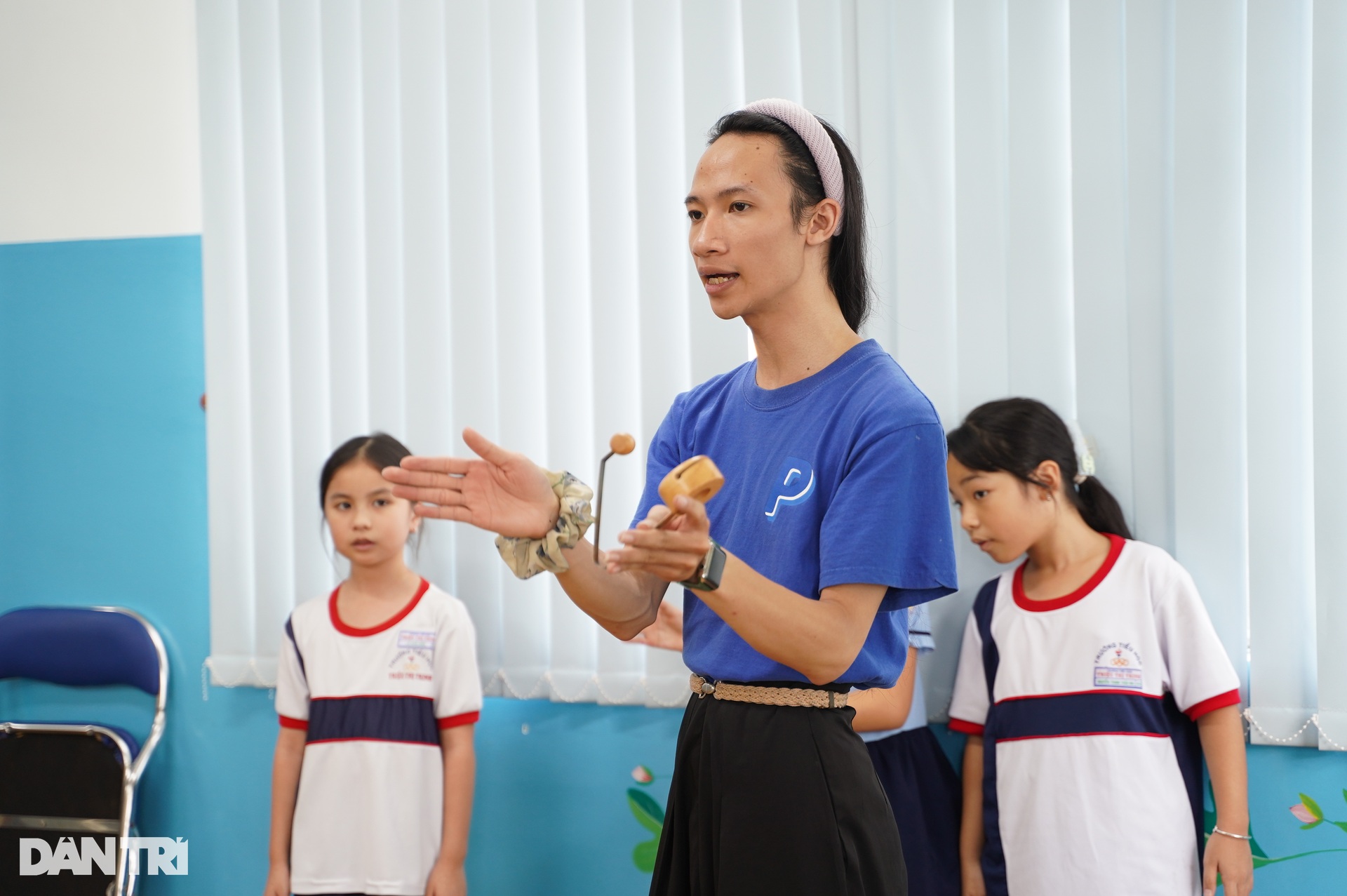
To make ends meet, Ha Nang had to take on extra work such as teaching singing and dancing to students and performing at Cai Luong (Vietnamese traditional opera) venues. This was also one of the ways he spread his love of Cai Luong to the younger generation. "There were times when I didn't have work, but I still did everything normally and spent time improving my knowledge instead of complaining. I felt happy being independent and not bothering my family," Nắng shared.
Currently, many young people are also applying traditional folk art elements to their modern music. "This is a positive sign, showing that today's young generation not only 'looks to the past' but also uses traditional cultural values to recreate them from a modern and unique perspective, helping these values spread widely. However, how can we ensure that these positive signs don't remain just trends or exist only within small communities, but instead become a source of inspiration for an entire generation? Because culture always interacts, creating richness. But when traditional culture is incorporated into creative works, the line between interaction and encroachment becomes increasingly blurred," Nắng shared. Sharing more about innovating "old" values, Ha Nang said: "Cai Luong in particular, as well as traditional art forms in general, can develop in a modern space, as long as we know how to preserve its soul and essence. We need to find a way for young people to feel the profound values that Cai Luong brings without feeling that it is too distant or outdated. For example, costumes and a more youthful performance style to bring young people closer to this genre." There were times when he had to constantly travel to different locations without rest, but he was extremely happy about it.
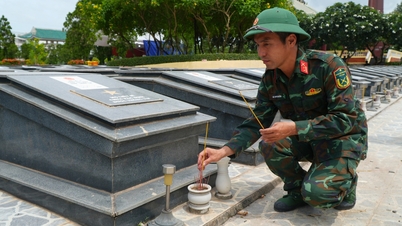
Strengthening the friendship between Vietnam and the United States.On July 3rd, as part of the Pacific Partnership - Friends of the Pacific 2026 program, the U.S. Army Pacific delegation, led by Lieutenant General Joel Vowell, Deputy Commander of the U.S. Army Pacific, paid a courtesy visit to the Quang Tri Provincial Military Command.
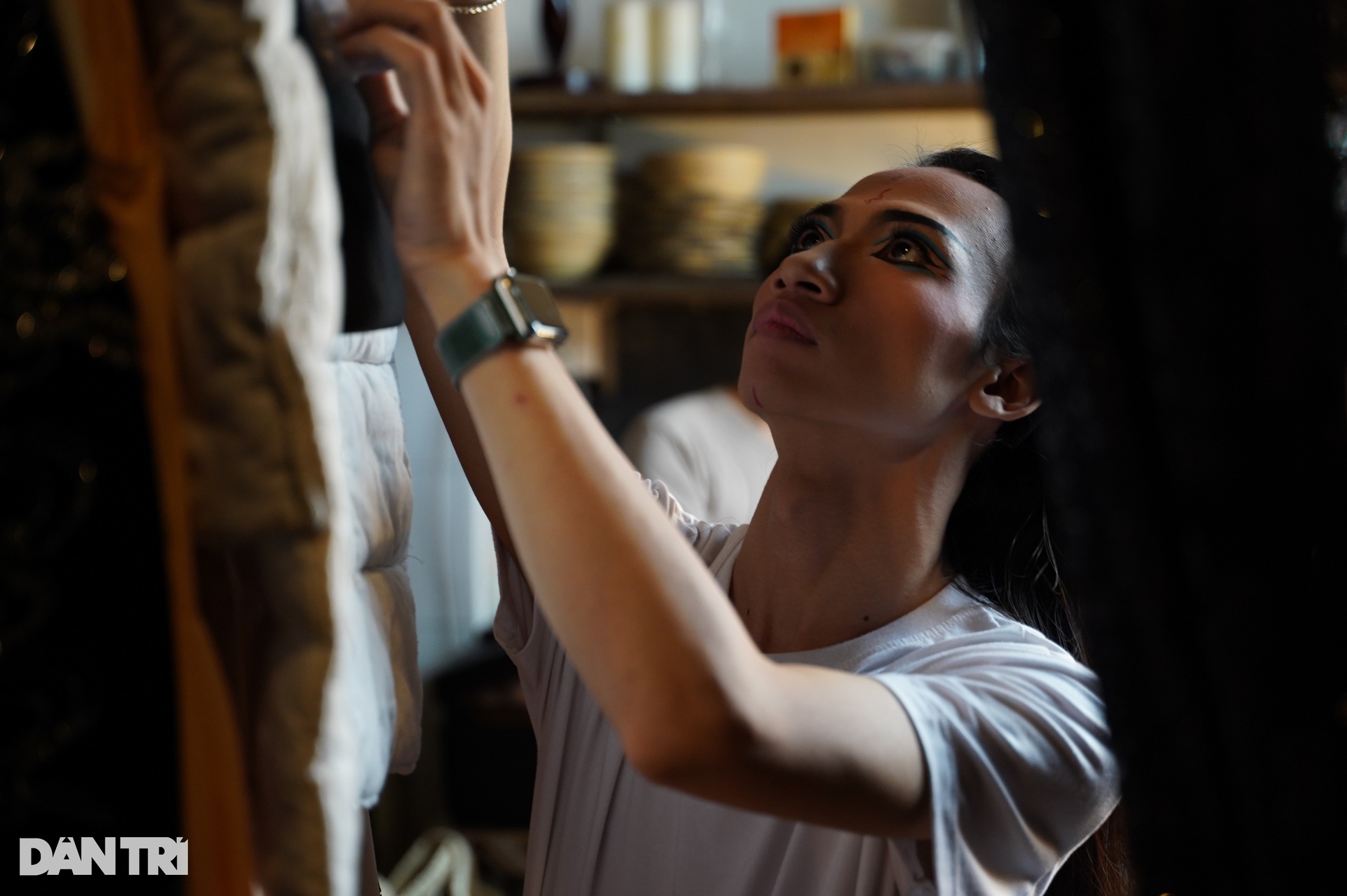
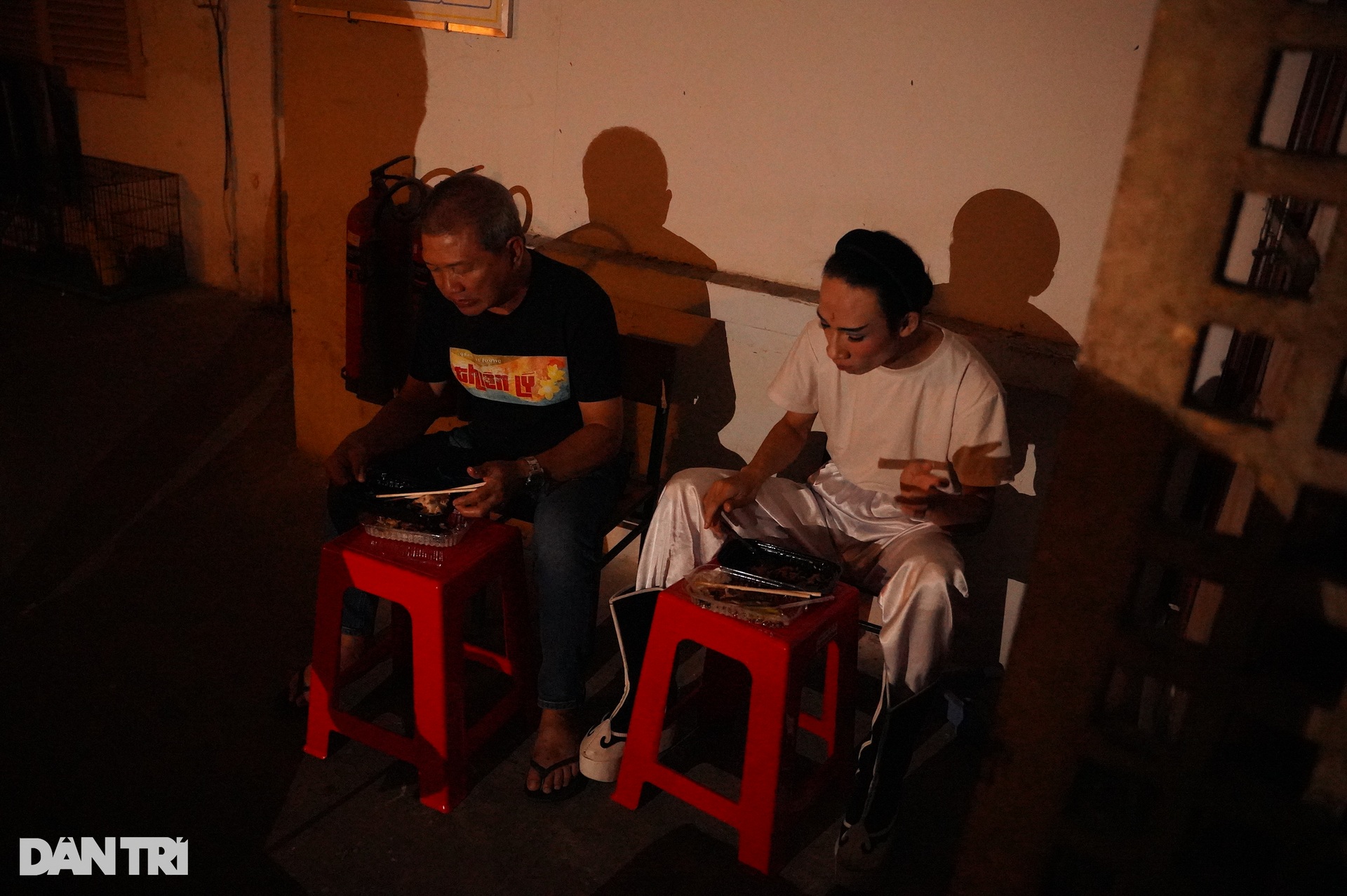
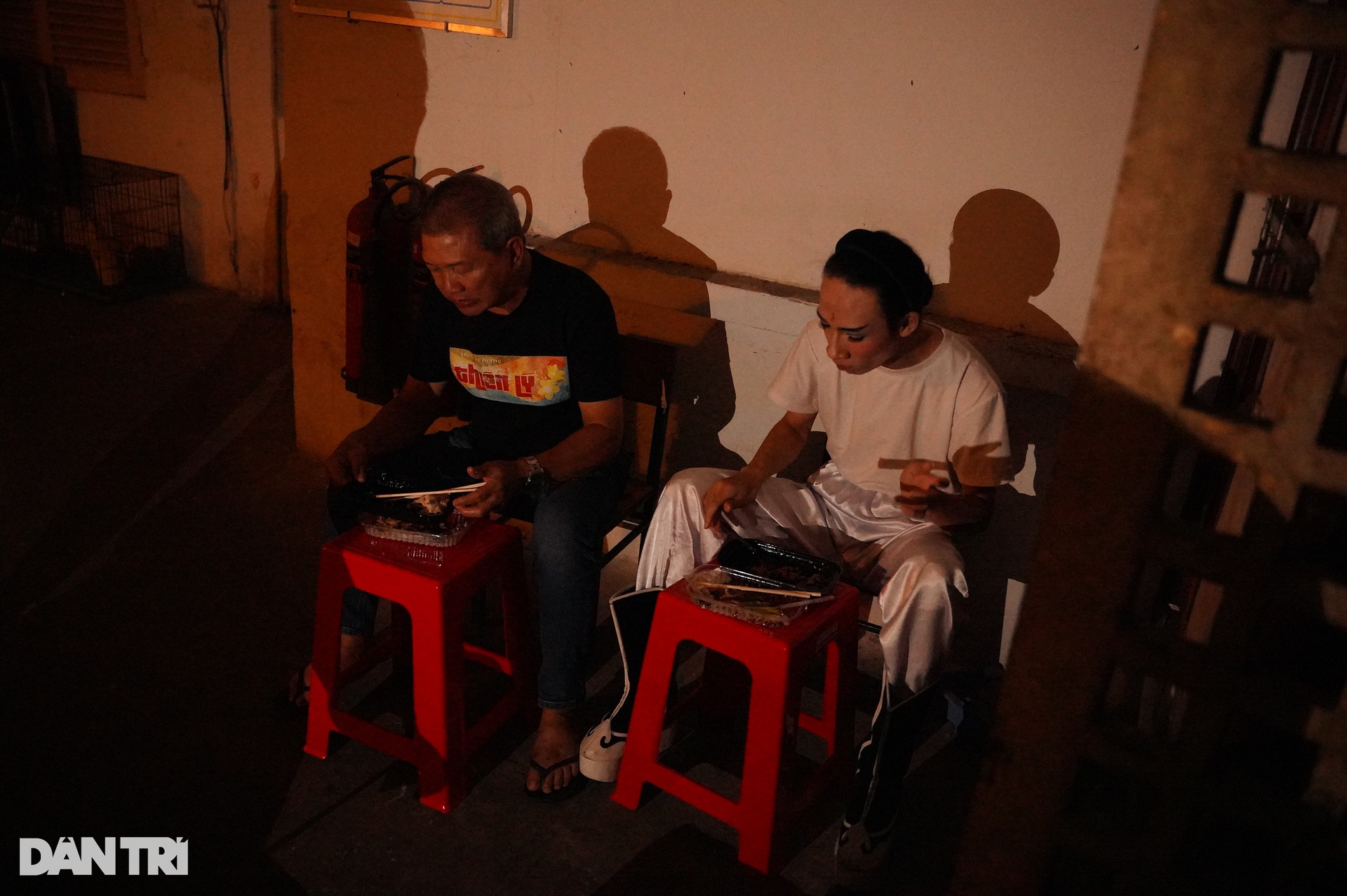
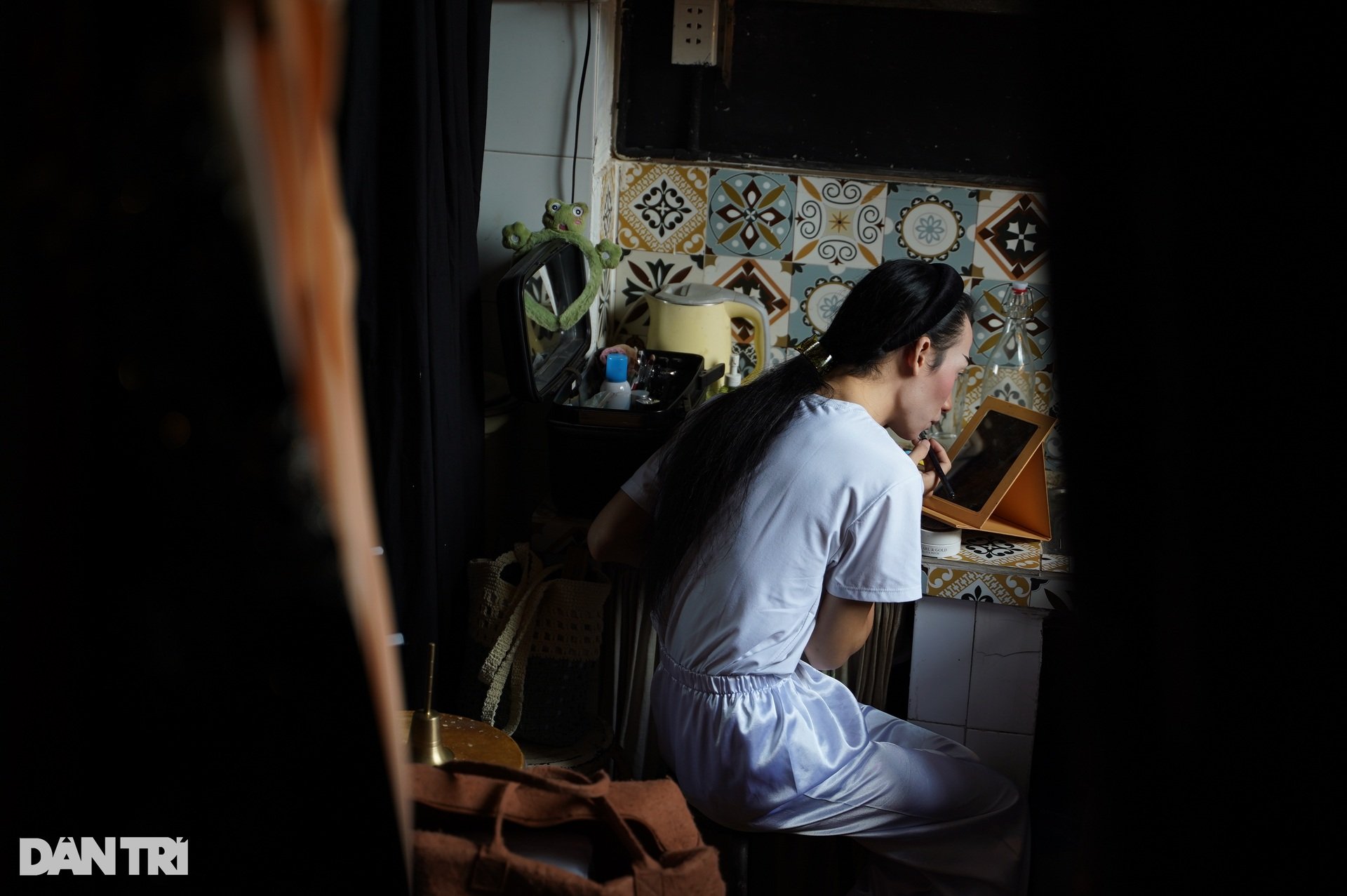
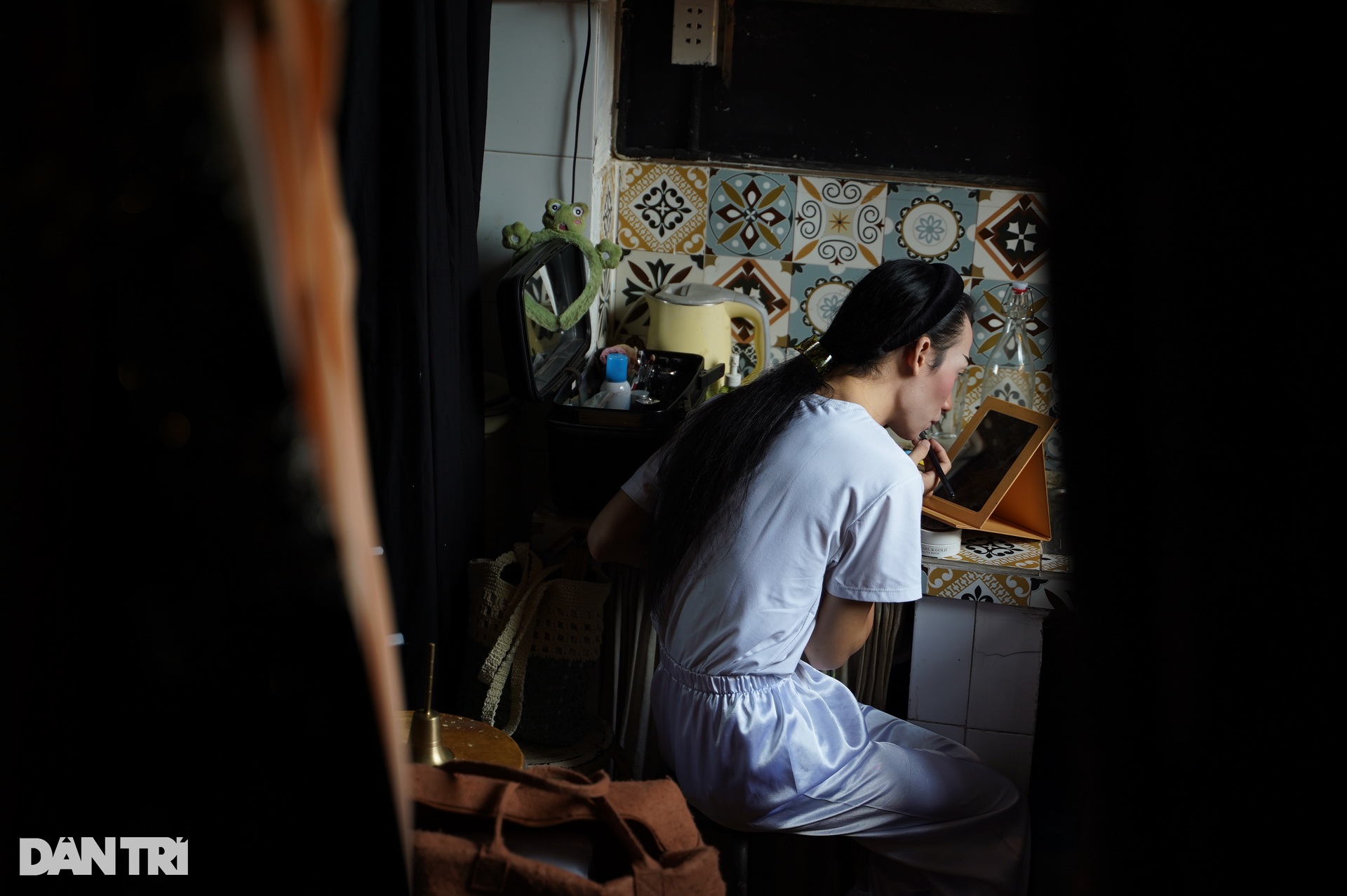
Quick meals before performances. "Thanks to my makeup skills, I don't have too much difficulty with makeup transformations. However, I still have a lot to learn and practice in this field because it still takes quite a lot of time," Nắng confided. Ha Nang may not be a prominent name on major stages, but those who have met him will immediately recognize his deep and sincere passion for Cai Luong (Vietnamese traditional opera). Contrary to the concerns of many young people today who are "turning their backs" on traditional art, Ha Nang is proof that Cai Luong, even when seemingly forgotten in the flow of time, can still live on if there are people like him: young people who are enthusiastic, passionate, and eager to spread that love to those around them. For Ha Nang, Cai Luong is not just an art form, but a connecting thread, a bridge that helps the younger generation understand and appreciate the invaluable spiritual values of the nation.