

A 27-year-old woman from Thanh Hoa province is in critical condition after using a weight-loss supplement containing the banned substance Sibutramine.
Medical news update March 15th: Critical condition due to use of dietary supplements containing banned substances.
A 27-year-old woman from Thanh Hoa province is in critical condition after using a weight-loss supplement containing the banned substance Sibutramine.
Life-threatening condition due to use of dietary supplements containing banned substances.
A 27-year-old patient, after using a health supplement called "Green Pumpkin Extract Detox," which was intended to aid weight loss and fat burning, experienced serious complications. After more than three weeks of treatment at Bach Mai Hospital, the patient's condition remains critical with severe nerve damage, kidney failure, and impaired vision.
 |
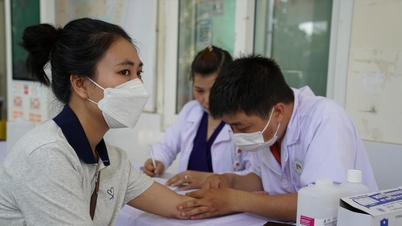
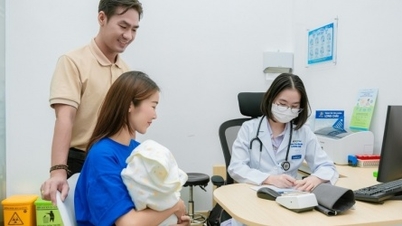
| Illustrative image. |
According to Dr. Nguyen Huy Tien from the Poison Control Center at Bach Mai Hospital, the patient was admitted with altered consciousness, neurological damage, and kidney failure. After examination, doctors determined that the dietary supplement the patient consumed contained Sibutramine – a substance banned in dietary supplements and pharmaceuticals in Vietnam.
This substance was previously used in obesity medication but has been banned due to the risk of serious health problems, particularly affecting the cardiovascular and nervous systems.
At the Poison Control Center of Bach Mai Hospital, many patients have been hospitalized due to poisoning from weight-loss supplements containing sibutramine, causing dangerous symptoms such as coma, seizures, brain damage, and kidney failure. Doctors have repeatedly warned about the dangers of using weight-loss supplements of unknown origin and containing banned substances.
Dr. Nguyen Trung Nguyen, Director of the Poison Control Center, stated that Sibutramine is a highly toxic substance, similar to the drug Amphetamine, and can be dangerous to health if used long-term or in excessive doses. This case is a typical example of using dietary supplements of unknown origin containing banned substances.
Doctors advise people who want to lose weight to consult with a doctor and choose products that are licensed by the Ministry of Health and distributed through official channels, avoiding purchases made through social media or unknown sources.
Improper or unverified use of dietary supplements can cause many side effects such as dizziness, nausea, fatigue, rapid heartbeat, shortness of breath, and even life-threatening conditions.
Furthermore, nutrition experts encourage people to adopt a scientific weight loss method, combining a balanced diet and regular exercise for sustainable results. A diet rich in fiber, low in carbohydrates and fats, along with regular exercise, will help the body stay healthy and lose weight effectively without the need for weight loss supplements of unknown origin.
"To lose weight safely and effectively, you need guidance from a specialist doctor, and more importantly, you must be persistent with a healthy diet combined with exercise. Remember that no pill or supplement can replace a scientific diet and regular exercise," advises Dr. Nguyen Trung Nguyen.
Recently, the Food Safety Department of the Ministry of Health has also discovered a series of weight loss and sexual enhancement products containing banned substances such as Sibutramine, Sildenafil, and Phenolphthalein.
These products are widely advertised on social media and often promoted with enticing language, promising rapid weight loss without exercise.
The Food Safety Administration advises people not to use these products, and if they discover products of unknown origin or containing prohibited substances, they should immediately report it to the authorities for timely action.
Two rare gene mutations cause the fetus to develop a rare syndrome.
At 13 weeks, the fetus developed edema in the head and body. Doctors discovered a gene mutation on chromosomes 3 and 16, associated with Noonan syndrome, lymphedema, and double eyelids.
Dr. Nguyen Thi Mong Nghi, the doctor directly treating the pregnant woman, said that the 30-year-old woman, pregnant for the first time, had an ultrasound at 13 weeks showing a nuchal translucency thickness of 6 mm (less than 3 mm is normal), a lymphatic cyst in the posterior neck measuring 10x3x13 mm, and edema in the head and body.
The pregnant woman was advised by doctors at the Center for Fetal Medicine to undergo chorionic villus biopsy for genetic testing to screen for fetal abnormalities. The doctor extracted approximately 20 mg of chorionic villus through a needle inserted from the abdominal wall into the uterine cavity under ultrasound guidance. The chorionic villus biopsy results showed that the fetus had mutations in the FOXC2 and RAF1 genes.
A dominant mutation in the FOXC2 gene, found on chromosome 16, causes lymphodema-distichiasis.
The FOXC2 gene is crucial for the normal development and maintenance of venous and lymphatic valves, and is involved in the development of veins, lungs, eyes, kidneys, urinary tract, cardiovascular system, and the immune cell transport system (lymphatic vessels).
This is a rare multisystem genetic disorder characterized by swelling of the legs due to fluid accumulation, and abnormal eyelash development resulting in double eyelashes. The syndrome can cause complications including skin infections, cellulitis, ptosis, eye damage, reduced vision or corneal scarring, varicose veins, congenital heart defects, and arrhythmias.
Lymphedema typically develops during puberty, although some cases may develop before birth or in adulthood.
The RAF1 gene mutation, inherited in an autosomal dominant manner and located on chromosome 3, controls cell growth and division and is associated with Noonan syndrome. The disease affects multiple organs, ranging from mild to severe.
Infants born with this condition may have a large head, high forehead, widely spaced eyes, drooping eyelids, reduced vision, short neck, low-set ears, flat nose, a protruding or sunken chest, and genital abnormalities in boys. They may also experience other health problems such as pulmonary artery stenosis, hypertrophic cardiomyopathy, short stature, psychomotor developmental delay, and bleeding disorders.
The simultaneous occurrence of mutations in the FOXC2 and RAF1 genes is very rare, possibly a new mutation or inherited from the parents. The doctor advised genetic testing for the parents, but the pregnant woman refused for personal reasons.
A week later, Dr. Nghi performed another ultrasound examination, revealing increased generalized fetal edema, a nuchal fold of 12.3 mm, and a lymphatic cyst in the posterior cervical region that had increased to 16x6x20 mm.
Dr. Nghi assessed that the fetal condition was worsening, and abnormalities in other organs could appear over time. These abnormalities increase the rate of stillbirth and infant death during or after birth. Therefore, the family requested termination of the pregnancy at 15 weeks.
Noonan syndrome is primarily inherited in an autosomal dominant pattern, affecting approximately 1 in 1,000 or 1 in 2,500 live births.
This syndrome is associated with increased nuchal translucency on first-trimester ultrasound (11-13 weeks and 6 days). Other fetal manifestations include polyhydramnios due to kidney defects, congenital heart disease, short limbs, macrosomia, etc.
There is no cure for the disease; treatment largely focuses on managing symptoms and providing supportive care.
Children with this condition require multidisciplinary monitoring, such as hearing and vision tests during infancy; surgery for undescended testicles in boys to reduce the risk of developing testicular cancer; lifelong monitoring and treatment of congenital heart defects; and assessment of short stature for growth hormone therapy…
Lymphedema-double lash syndrome is an autosomal dominant inherited condition, with approximately 75% inherited from parents and 25% due to new mutations.
Fetal ultrasound can detect several signs suggestive of this syndrome, such as thickened nuchal translucency, fetal edema, posterior cervical lymphatic cysts, congenital heart defects, etc. However, these abnormalities are easily confused with other syndromes.
Amniocentesis or chorionic villus biopsy is a method for accurately diagnosing the cause of fetal abnormalities. Chorionic villus biopsy is performed between weeks 10 and 13 of pregnancy, while amniocentesis is usually performed after week 16.
After determining the cause of the fetal abnormality, the doctor will carefully advise on prenatal screening and diagnostic methods to prevent similar situations from recurring in subsequent pregnancies. In cases of inherited gene mutations from either parent, the doctor recommends in-vitro fertilization (IVF), selecting a healthy embryo to have a healthy child.
Abdominal pain symptoms led to the discovery of a congenital abnormality.
A rare medical case was discovered when a 36-year-old female patient living in Quang Binh province presented with symptoms of epigastric pain accompanied by belching.
After examination at Medlatec Cau Giay Polyclinic, the patient was diagnosed with polysplenic syndrome and incomplete bowel rotation – two dangerous, rare congenital abnormalities with a high mortality rate. Surprisingly, however, the patient has remained healthy to this day, a rare occurrence in similar cases.
Patient PTTT (36 years old) came for examination due to persistent abdominal pain in the epigastric region and belching. This condition showed no signs of improvement for a week, causing her concern, and she decided to seek treatment at Medlatec Cau Giay Multi-Specialty Clinic. During the clinical examination, the doctor discovered an abnormal mass in the left hypochondrium.
However, initial tests did not reveal any obvious abnormalities. To find the exact cause, the doctor ordered a computed tomography (CT) scan of the abdomen, which revealed that the patient had two rare congenital abnormalities simultaneously: a double spleen and incomplete bowel rotation.
Diagnosis of polysplenic syndrome and incomplete bowel rotation was found to be the primary cause of the patient's abdominal pain. These are rare congenital abnormalities, and the condition is often associated with congenital heart defects, increasing the risk of early-life mortality.
Dr. Le Tuan Anh, a specialist in Diagnostic Imaging at Medlatec Cau Giay Multi-Specialty Clinic, stated that polysplenic syndrome and incomplete bowel rotation are congenital abnormalities that occur during fetal development.
These abnormalities are often associated with congenital heart defects, leading to a high mortality rate after birth. This patient's case is extremely rare, as the patient suffered from two congenital abnormalities simultaneously without accompanying heart defects, and has remained healthy to this day.
According to doctors, the mortality rate for patients with polysplenic syndrome without concomitant heart disease can be as high as over 50%. The fact that this patient has survived in good health until now is a miracle and requires special medical care and monitoring.
Regarding treatment, the doctor prescribed symptomatic medication to relieve the patient's abdominal pain. However, given the incomplete bowel rotation, further evaluation and surgical consideration are necessary to prevent the risk of bowel torsion. Prompt monitoring and management are crucial to prevent potential complications.
Polysplenic syndrome, also known as "double spleen," is a rare congenital anomaly that occurs during fetal development. This condition is primarily found in female patients and can be diagnosed early through abdominal ultrasound. However, many cases of polysplenic syndrome may be missed during ultrasound examinations, especially when pregnant women do not undergo adequate screening tests.
Although the exact cause of polysplenic syndrome is not fully understood, the following factors may be associated with the occurrence of this abnormality: fetal abnormalities, genetics, chromosomal abnormalities (although very rare), poorly controlled diabetes in early pregnancy, maternal exposure to drugs or substance abuse during pregnancy.
Polysplenic syndrome is often associated with many other abnormalities, including congenital heart disease, which accounts for a large proportion (>50%) such as partial atrioventricular canal, abnormal pulmonary venous return, or complete atrioventricular block.
Digestive problems: Semicircular pancreas, incomplete bowel rotation, gallbladder atrophy, biliary atresia. Genitourinary problems: Renal cysts, renal atresia, ovarian cysts.
Vascular problems: Inferior vena cava and hepatic vein dilation directly into the right atrium. Computed tomography (CT) has played a crucial role in detecting congenital abnormalities in this case.
CT scans use X-rays and digital image reconstruction software to create cross-sectional images of the body, allowing doctors to easily assess internal structures, including soft tissue, blood vessels, and bones. This helps in accurately diagnosing abnormalities and minimizing the rate of missed lesions, especially those in hard-to-detect locations.
The case of patient PTTT is a clear illustration of the importance of early diagnosis and close monitoring of congenital abnormalities.
Despite the high mortality rate, thanks to timely intervention and the combination of modern diagnostic imaging methods, the patient overcame the risk and continues to live a healthy life. This is one of the rare medical cases that brings hope and optimism to many patients suffering from serious congenital abnormalities.
Source: https://baodautu.vn/tin-moi-y-te-ngay-153-nguy-kich-vi-su-dung-thuc-pham-chuc-nang-chua-chat-cam-d254065.html



![[Image] Nearly 125,000 Hanoi students completed the Literature exam for the 10th grade entrance exam.](https://vphoto.vietnam.vn/thumb/1200x675/vietnam/resource/IMAGE/2026/05/30/1780117233041_ndo_br_thiet-ke-chua-co-ten-2-png.webp)





















![[Photo] Admire the coral "masterpiece" amidst the million-year-old heritage of Dak Lak province.](https://vphoto.vietnam.vn/thumb/1200x675/vietnam/resource/IMAGE/2026/05/30/1780107638639_y25-jpg.webp)











































































Comment (0)