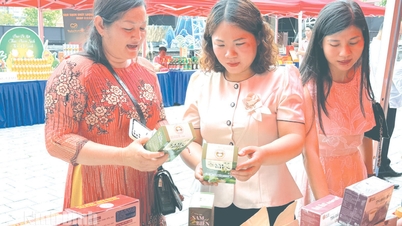
Sweden is considered a potential market for Vietnamese fresh fruit, with demand for imported products increasing significantly in recent times.
Potential market for Vietnamese fruits and vegetables
In an interview with a reporter from the Industry and Trade Newspaper, Ms. Nguyen Thi Hoang Thuy, Director and Head of the Vietnamese Trade Office in Sweden, also responsible for the Nordic region, informed that on December 11, 2024 (Swedish time), the Vietnamese Trade Office in Sweden attended the seminar "Insight into the Swedish Market for Fresh Fruit and Vegetables" organized by the National Board of Trade Sweden. The seminar focused on providing information on import trends, consumer trends, and the requirements of the Swedish market for fresh fruits and vegetables.
Following the seminar, Ms. Nguyen Thi Hoang Thuy stated that Sweden, located in the Nordic region, is a small but high-income country with an open and modern economy . Sweden is a market with great potential for Vietnamese fruits and vegetables due to its reliance on imported supplies. Before 2021, Sweden's fruit and vegetable imports reached approximately 1 million tons per year. However, in 2023, imports decreased to 887,000 tons due to inflation and declining consumer demand. Despite this, the market share of imports from developing countries increased to 24%, equivalent to 215,000 tons, opening up opportunities for countries like Vietnam.
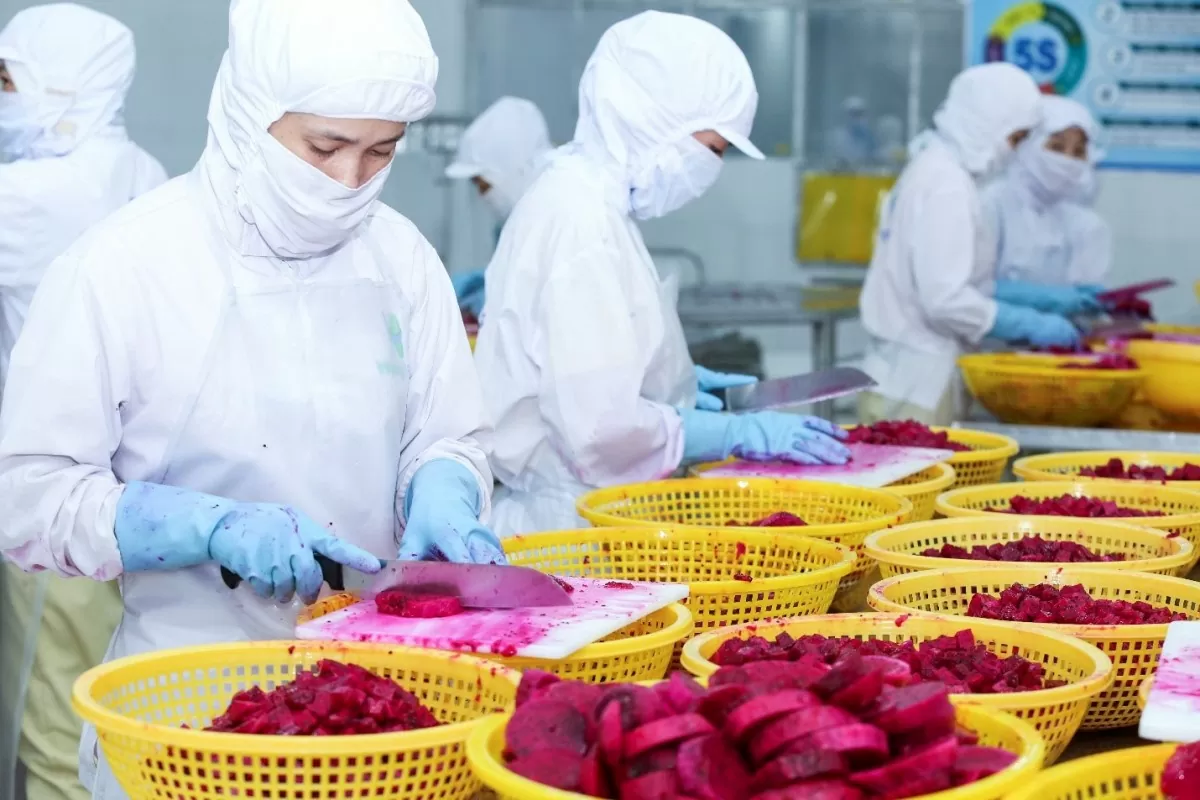 |
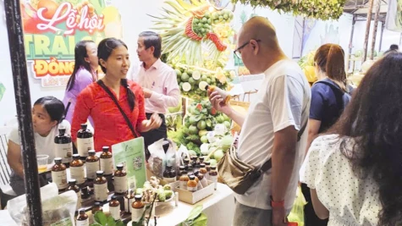
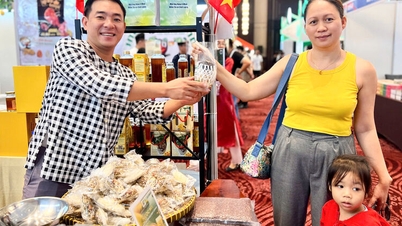
| Vietnamese fruits and vegetables have many opportunities in the Swedish market (Photo: Moit) |
Currently, the Swedish market is dominated by large supermarket chains such as ICA, Coop, and Axfood, accounting for nearly 20% of total food retail sales, equivalent to €5.2 billion in 2023. Beyond retail, food service providers (restaurants, hotels, catering) and industrial processors such as Brämhults and Råsaft also play a significant role. Helsingborg is currently the largest distribution center for imported goods, facilitating the distribution of products throughout the Swedish market.



“Seasonal differences are a major advantage for Vietnamese businesses. While Sweden self-supplies some products like cucumbers in the summer, from October to May, import demand surges from temperate and tropical countries. This is an opportunity for Vietnamese fresh fruits and vegetables, such as dragon fruit, mangoes, passion fruit, and other fruits, to capture the market during this ‘off-season’ period,” said Ms. Nguyen Thi Hoang Thuy.
Furthermore, the trend towards sustainable consumption is increasingly gaining prominence. Sweden is the sixth largest importer of organic products in Europe. Currently, more than 50% of organic fruits and vegetables are imported, with bananas being a prime example, accounting for over 60% of total banana imports being organically certified. This is a potential market but also requires exporters to meet international standards such as GLOBALG.AP, Fairtrade, and stringent food safety requirements.
What opportunities are there for Vietnamese businesses?
Despite being one of the world's leading fruit and vegetable exporters, Vietnamese produce currently accounts for a relatively small percentage of the Swedish market. Besides stringent requirements, the Swedish market's distance impacts transportation costs, reducing competitiveness.
Ms. Nguyen Thi Hoang Thuy affirmed that, despite many challenges, Sweden and the EU are promising markets for Vietnamese fruit and vegetable exporters. By meeting international standards and developing appropriate strategies, Vietnamese businesses can increase their market share and establish their position in this potentially lucrative market. Furthermore, Sweden is a market willing to pay high prices for products, creating opportunities for increased fruit and vegetable exports. Vietnamese fruits and vegetables still have opportunities in niche markets with specialized products.
Accordingly, Ms. Nguyen Thi Hoang Thuy advised that businesses should focus on improving product quality and standards: ensuring compliance with food safety requirements, sustainability certifications, and clear labeling in Swedish. In addition, they should focus on developing organic products by embracing sustainable consumption trends, especially products with international certifications such as GLOBALG.AP and Fairtrade.



Businesses also need to focus on researching seasonal cycles when exporting fruits and vegetables during Sweden's off-season to optimize market access opportunities. Simultaneously, they should build relationships with key importers such as Dole/Everfresh, ICA, and Ewerman through trade shows like Fruit Logistica and Fruit Attraction.
Furthermore, developing exportable fruit and vegetable products through organic farming is an inevitable trend that Vietnam needs to follow to compete in the global market, especially in demanding markets such as Northern Europe. Applying technology to agriculture not only optimizes production but also reduces costs and increases productivity.
Source: https://congthuong.vn/rau-qua-tuoi-viet-nam-nhieu-co-hoi-xuat-khau-vao-thi-truong-thuy-dien-364169.html




![[Photo] Prime Minister Le Minh Hung presides over the thematic session on promoting science and technology development and innovation.](https://vphoto.vietnam.vn/thumb/1200x675/vietnam/resource/IMAGE/2026/06/23/1782207872934_ndo_br_dsc-1724-jpg.webp)