

Characteristic
Cabbage is a versatile vegetable that can be used in many dishes, from salads and pickles to boiled, stir-fried, soups, stews, and wraps. It's low in calories, making it suitable for those looking to lose weight.
The market currently offers many varieties of cabbage, but in terms of shape, there are two basic types: round and oval. Choosing between oval and round cabbage is a dilemma for many housewives who don't fully understand the characteristics of each type.
Which tastes better: oval or round cabbage?
If you want a dish with a crisp texture and natural sweetness, round cabbage is the ideal choice. However, if you need a cabbage with a richer flavor for stir-fries or salads, oval cabbage is more suitable. Each type of cabbage has its own strengths and offers health benefits.
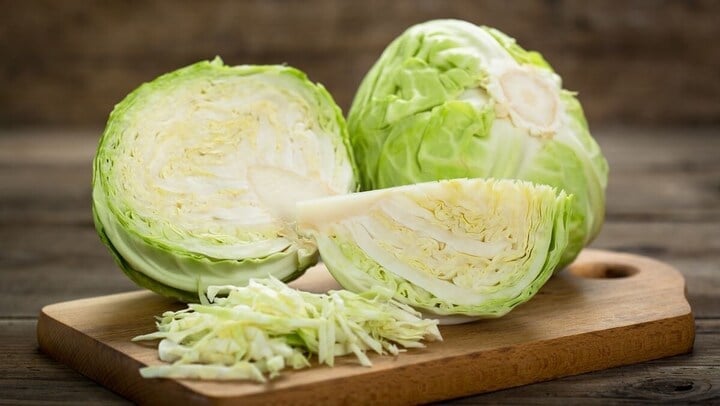
Round cabbages have a crisp texture and a naturally sweet flavor, making them suitable for many dishes such as boiling, stir-frying, soups, or pickling. (Photo: Food News)
The flavor of cabbage is an important factor influencing consumer choice. Many people find round cabbages to be sweeter and crispier than oval cabbages. This may be because round cabbages have a more layered texture that helps retain moisture better, resulting in a fresher and more delicious taste.
Oval-shaped cabbage, while generally less crisp, less juicy, and prone to collapsing when cooked, offers a less refreshing taste compared to round cabbage. However, many believe that oval-shaped cabbage has a richer flavor when stir-fried or used in soups, especially when seasoned.
Round cabbage is crispier, making it easier to prepare in various dishes such as boiled, stir-fried, soup, or pickled cabbage. Oval cabbage is often used in stir-fries or salads; although not as crisp as round cabbage, when combined with spices like garlic, onion, and other characteristic seasonings, oval cabbage offers a rather unique flavor.
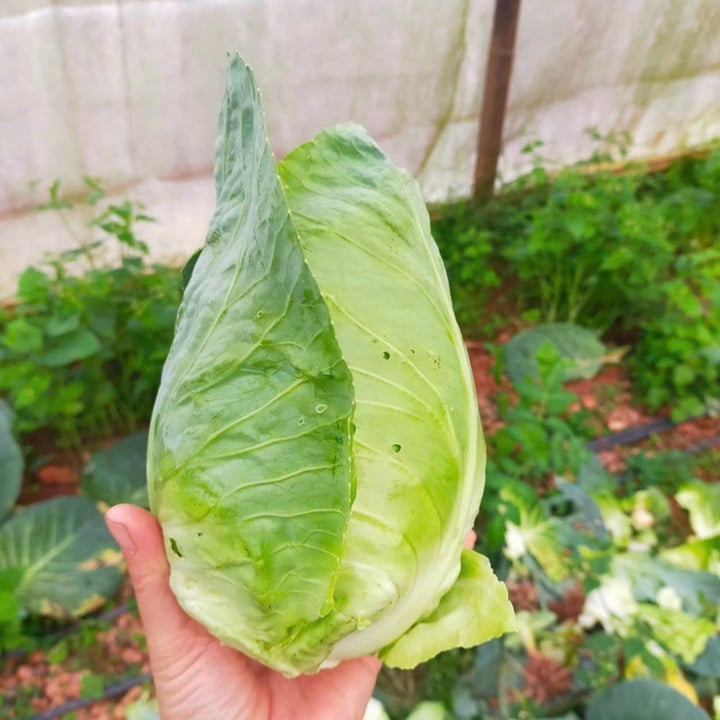
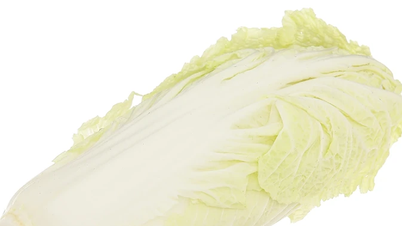
Oval-shaped cabbage is commonly used in stir-fries or salads. (Photo: DigiDrone)
The convenience of each type of cabbage also influences buyers' choices. Round cabbages are preferred by buyers because they last longer and are easier to divide into smaller portions when cooking. They can also be stored longer in the refrigerator without spoiling.
The small, oval-shaped cabbage is convenient for a single meal, eliminating the need to divide it into multiple servings or store leftovers.
How to choose good cabbage
Hardness test
Gently press the cabbage with your finger to determine if it's fresh. If you hear a crisp tearing sound inside and feel its firmness, then it's a freshly harvested cabbage and very tasty.
Conversely, if you press on it and don't feel any crispness, but instead the leaves are pliable and soft, then these are cabbages that have been left out for too long, have wilted, and have lost moisture. When eaten, they will be mushy and no longer taste good.
Based on weight
Good quality cabbage will feel firm and heavy in your hand, with tightly wrapped leaves, thick leaves, and a small stem.

Cabbage contains a lot of goitrin – a substance that helps fight oxidation but can cause goiter. Therefore, people with thyroid disorders or goiter should avoid eating cabbage to prevent further enlargement of the thyroid gland or goiter.
Additionally, you can compare two cabbages of the same size; the heavier one indicates a better-tasting cabbage that is juicy, has thicker leaves, and a denser core.
Check inside
If possible, cut the cabbage in half to check the quality inside. Good cabbage usually has leaves that are tightly packed together with few gaps. When you cut it, you should feel the crispness of fresh cabbage.
People who should not eat cabbage
People with goiter
Cabbage contains a lot of goitrin – a substance that helps fight oxidation but can cause goiter. Therefore, people with thyroid disorders or goiter should avoid eating cabbage to prevent further enlargement of the thyroid gland or goiter.
If they still want to eat it, this group should consume it in small amounts, no more than twice a week. Each leaf should be soaked and finely chopped, then left for about 10-15 minutes before cooking to allow some of the goitrin to break down.
People with poor digestion
The advantage of cabbage is that it contains a lot of fiber, which aids bowel movements and prevents constipation... However, for people who are already suffering from diarrhea, eating a lot of this vegetable may worsen their condition and make it more difficult to treat.
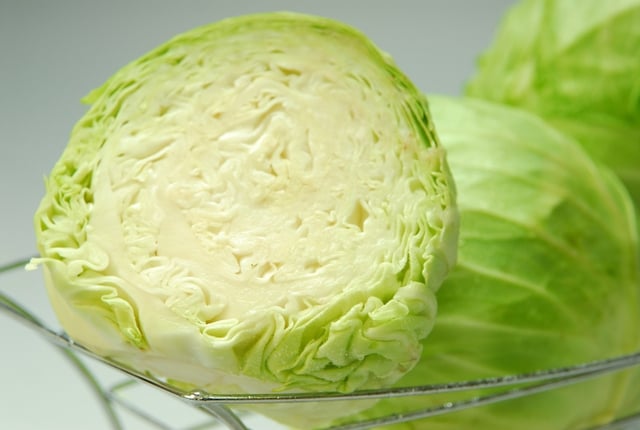
Some people, such as those with kidney or stomach problems, should avoid eating cabbage.
Additionally, cabbage is gas-producing and can cause bloating if eaten raw. Therefore, people with stomach problems, bloating, or gas should limit their consumption of raw cabbage.
People with kidney disease
Cabbage contains a significant amount of oxalic acid. When consumed in excessive amounts, oxalic acid can combine with essential nutrients in the body such as calcium, magnesium, iron, and potassium to form oxalate salts.
Calcium oxalate can deposit in the kidneys, increasing the likelihood of kidney stone formation and causing kidney stones. Therefore, people with severe kidney failure or those undergoing dialysis should avoid cabbage. Individuals with a history of kidney stones should consult their doctor about the appropriate amount of cabbage to eat.
Healthy individuals should chop cabbage into small pieces and cook it thoroughly before eating to minimize the amount of oxalic acid in this vegetable.
People with a cold constitution
According to Traditional Chinese Medicine, cabbage is considered "cold" in nature. Those who are weak, have cold hands and feet, or suffer from conditions related to cold and dampness should avoid eating cabbage. If you still want to eat it, you can add a crushed ginger root and boil it with the cabbage to neutralize its "cold" properties.
People with allergies, subconjunctival hemorrhage
Eating cabbage can worsen allergic reactions and subconjunctival hemorrhage, especially sauerkraut, as it contains histamine which can cause itching, tearing, congestion, and runny nose.

Cabbage offers more benefits when eaten raw, as it retains more of its nutrients. Alternatively, you can cook it until tender, rather than overcooking it. This way, you still get the full nutritional value.
Some things to keep in mind when preparing cabbage.
You now know who shouldn't eat cabbage. However, to fully reap the health benefits of this vegetable, you shouldn't overlook some important points:
Cabbage offers more benefits when eaten raw, as it retains more of its nutrients. Alternatively, you can cook it until tender, rather than overcooking it. This way, you still get the full nutritional value.
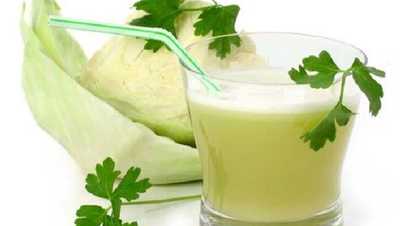
Do not cook cabbage in the microwave. This will destroy the enzymes necessary for converting glucosinolate into compounds with cancer-fighting properties. You can drink cabbage juice or eat pickled cabbage. This food is extremely good for the human body as it provides many beneficial bacteria.
Source: https://giadinh.suckhoedoisong.vn/nhom-nhung-nguoi-khong-nen-an-bap-cai-172250122181001835.htm

![[Photo] General Secretary and President To Lam presides over a meeting on preparations for the review of one year of operation of the three-tiered government system.](https://vphoto.vietnam.vn/thumb/1200x675/vietnam/resource/IMAGE/2026/06/02/1780391821195_a1-bnd-4595-9717-jpg.webp)



















































































Comment (0)