

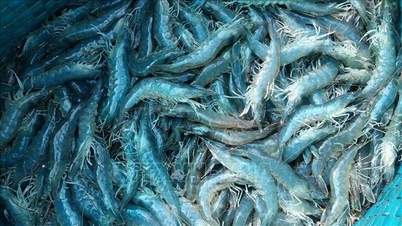
Shrimp is a familiar, nutritious, and popular food. However, few people know that some parts of the shrimp contain harmful toxins, which, if consumed, can seriously affect health.
Shrimp heads are prone to containing heavy metals like arsenic.
The shrimp's head contains its internal organs, including the stomach, liver, pancreas, and excretory organs. Therefore, the head contains a lot of waste, undigested food, and especially heavy metals such as arsenic, lead, and mercury. The concentration of these heavy metals depends on the shrimp's living environment.
Shrimp living in polluted waters accumulate more heavy metals. Eating shrimp heads not only causes immediate poisoning with symptoms like diarrhea and vomiting, but also leads to the accumulation of heavy metals in the body, resulting in chronic diseases such as kidney failure, liver failure, nervous system damage, and an increased risk of cancer.
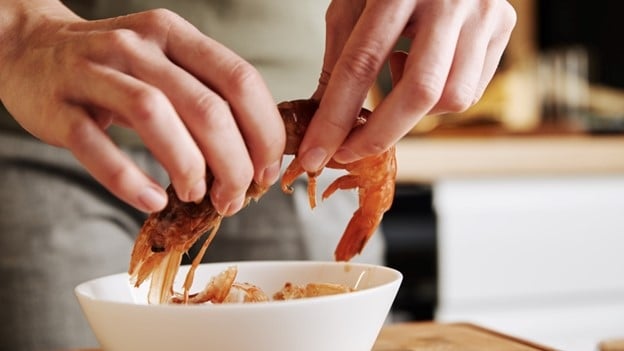
Certain parts of shrimp should not be eaten to avoid health problems. Photo: Istock
The black line on the back of the shrimp
The black line on the back of a shrimp is its intestine, containing digestive waste. Although cooking at high temperatures kills the bacteria in the intestine, some toxins may still remain. Eating this shrimp intestine can cause intestinal infections, leading to diarrhea, abdominal pain, and other digestive problems. Removing the black line makes the shrimp cleaner and more visually appealing.
Bring shrimp
The gills of shrimp, the vital respiratory organs of this crustacean, act as a natural water filtration system. However, this very function makes shrimp gills potentially harmful to human health.
Dirt, bacteria, and parasites: During the water filtration process, shrimp gills can accumulate dirt, bacteria, parasites, and pollutants from the water environment. Especially in heavily polluted areas, shrimp gills contain even more dangerous toxins.
Furthermore, shrimp gills have the ability to absorb heavy metals and toxic chemicals from the aquatic environment. Consuming contaminated shrimp gills can lead to heavy metal poisoning, causing damage to the liver, kidneys, and nervous system.
Details on how to safely prepare shrimp.
- Carefully remove the three "extremely toxic" parts: Use scissors to cut off the head. For the black vein, use a toothpick or small knife to make a cut along the back of the shrimp, then pull off the black vein. Finally, use scissors to cut off the gills on both sides of the shrimp's head.
- Rinse thoroughly: Wash the shrimp under strong running water to remove dirt and bacteria. You can also soak the shrimp in diluted salt water for about 5-10 minutes to disinfect them.
- Cook thoroughly: Cook the shrimp until the meat turns pinkish-red and firm. Ensure the shrimp is cooked evenly, especially the larger ones.
- Choose fresh, live shrimp: Observe the color of the shrimp; fresh shrimp have a natural color. Fresh shrimp have firm bodies. Avoid buying shrimp that smell bad or show signs of being damaged.
Source: https://giadinh.suckhoedoisong.vn/nhung-bo-phan-cuc-doc-o-tom-cho-dai-an-vao-kieu-mang-hoa-vao-than-17225032422305762.htm
![[Photo] First session of the 14th Congress of the Vietnam Trade Union](https://vphoto.vietnam.vn/thumb/1200x675/vietnam/resource/IMAGE/2026/06/03/1780465947883_ndo_br_img-3852-jpg.webp)
![[Photo] Secretary of the National Assembly Party Committee, Chairman of the National Assembly presides over the meeting of the Standing Committee and Executive Committee of the National Assembly Party Committee.](https://vphoto.vietnam.vn/thumb/1200x675/vietnam/resource/IMAGE/2026/06/03/1780480353201_ndo_br_bnd-2585-jpg.webp)
![[Photo] General Secretary and President To Lam presides over a meeting with the Central Organizing Committee.](https://vphoto.vietnam.vn/thumb/1200x675/vietnam/resource/IMAGE/2026/06/03/1780482764658_a1-bnd-4741-3342-jpg.webp)
















































![[Video] Sunset at Lap An Lagoon – Where the sun sets over the fishing nets](https://vphoto.vietnam.vn/thumb/1200x675/vietnam/resource/IMAGE/2026/05/31/1780192137701_beach-landscape-sea-water-nature-grass-745871-pxhere-com.jpeg)


































Comment (0)