 |
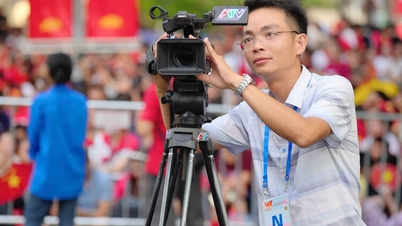
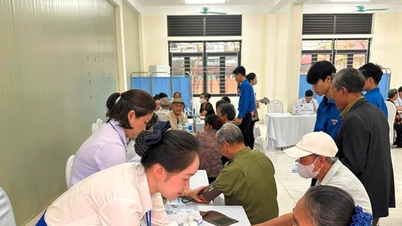
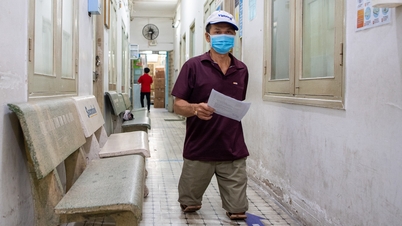
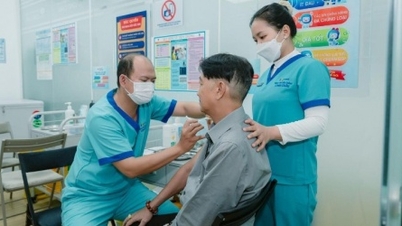
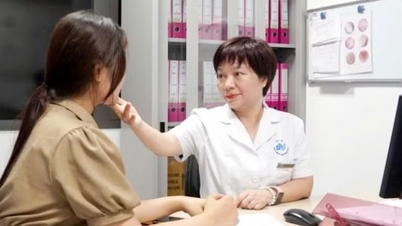
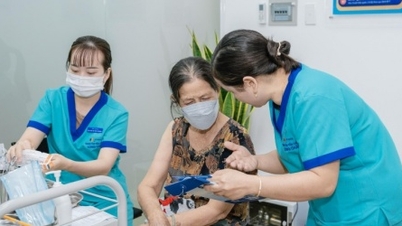
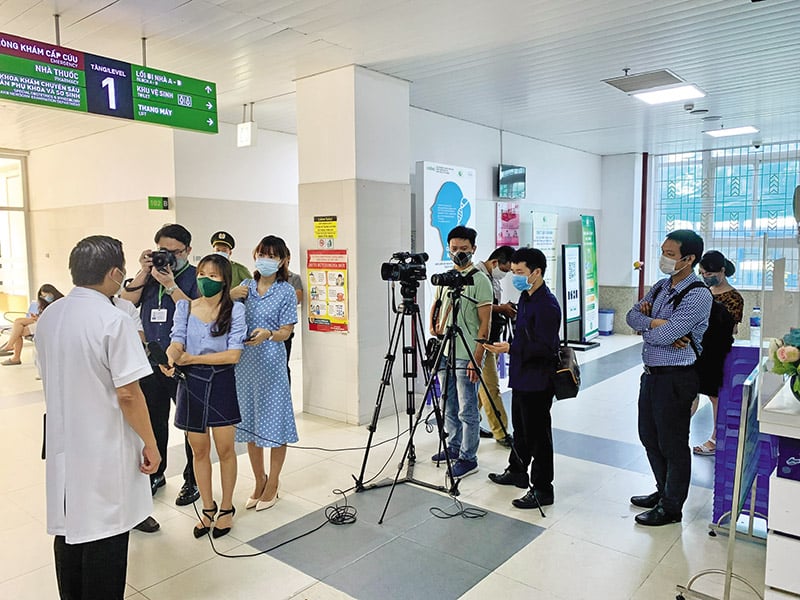
| In the hospital corridors, the footsteps of medical reporters continue their journey in silence. Photo: Reporter |
Pain and inner turmoil
Fifteen years as a medical reporter meant fifteen years walking through hospital corridors, witnessing lives being saved and lives quietly slipping away. In an age where artificial intelligence (AI) is transforming how information is produced, some values of journalism remain irreplaceable: presence, compassion, and a commitment to the truth.
"AI can process data in an instant, but it can't stand in the hospital hallway to feel the pain, the hope, and the stories that make journalism valuable."
June has arrived again. Every year, around June 21st – Vietnam Revolutionary Press Day – journalists like us take a moment to reflect on our professional journey. For over fifteen years, since entering the healthcare field in 2010, I have visited countless hospitals, met thousands of patients, and witnessed countless moments of life and death.
It's often said that journalism is a profession that involves a lot of travel, meeting many people, and learning a lot. But for medical reporters, it's also a profession of sleepless nights, midnight calls, and races against time to deliver accurate information to the community.
In 2014, a measles outbreak occurred. For many, it was just statistics in the newspapers. But for the reporters who were directly present at the National Children's Hospital that day, it was crowded corridors filled with family members of sick children, wards overflowing with young children sharing beds, and the heart-wrenching cries of parents.
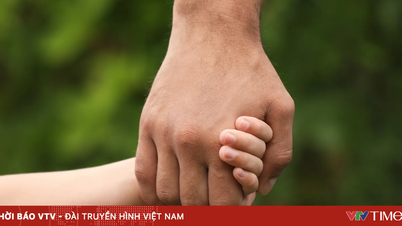
There were mornings when we'd go into the ward, only to come out in the evening to hear the news that a child had passed away. There were children who were open and looking at everyone the day before, and the next day they had quietly slipped away from their parents' arms. At that time, journalists not only recorded statistics but also witnessed firsthand the price children paid for not receiving all necessary vaccinations.
It was during that measles outbreak that I understood that a medical article is more than just information. Sometimes, a timely warning can help change perceptions so that many other children can be protected from illness.
 There are stories that aren't found in medical records or statistics. They are only told through the quiet footsteps of journalists in the hospital corridors.
What makes the job of a medical reporter special is that we follow in the footsteps of doctors, yet we get to witness the most authentic glimpses of life up close. This includes nights spent following organ transplant teams at Viet Duc Friendship Hospital. In this race against time, hearts are transported across Vietnam to revive lives that are losing hope.

I still remember the image of family members sitting silently in the hallway outside the operating room. No one said a word to each other. They were just waiting for a door to open, waiting for a nod from the doctor.
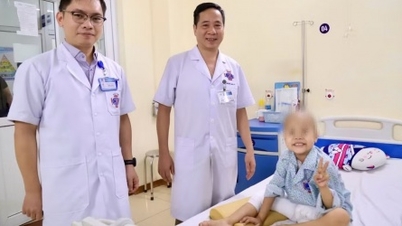
Having worked at the National Institute of Hematology and Blood Transfusion many times, I can never forget the children with cancer, their heads completely bald after chemotherapy, their tiny arms covered in IV needles. Some still laughed and played innocently despite the disease slowly ravaging their bodies. Some came to the hospital with books to study. But there were also those who would never return home.
Fifteen years in the profession have also been fifteen years witnessing the development of Vietnamese medicine. From the first organ transplants to complex multi-organ transplant techniques; from the days when hospitals faced many difficulties to modern medical centers. As a journalist, I am fortunate to have accompanied these advancements, to tell stories about life, compassion, and the ingenuity of Vietnam.
If there's one period that's most etched in the memory of a medical reporter, it's probably the Covid-19 pandemic. Endless phone calls from hospitals to offices, news updates throughout the night, and multiple layers of verification before publication to avoid causing panic – it was a time when journalists were not only racing against time but also against fake news.
Overwhelming pressure
Being a medical journalist has its own unique challenges. Doctors aren't always willing to share information. Some stories take weeks, even months, to gather enough data to write. Some articles have to be revised repeatedly just because of a medical term or a statistical figure.
Many people think journalism is a glamorous profession. But behind every news article are hurried journeys, late meals, sleepless nights, and invisible pressures that few people see.
Today, AI is dramatically changing the media industry. AI can synthesize data, translate, suggest headlines, and even write drafts in seconds. But AI is unlikely to replace human journalists.
AI can write a news report about organ transplantation, but it cannot stand outside the operating room all night to witness the tears of a father waiting for his child's resurrection. AI can compile data on cancer, but it cannot feel the innocent gaze of a child who, after chemotherapy, still proudly shows off their newly drawn picture.
What makes journalism valuable has never been just speed. That value lies in presence, the ability to listen, the responsibility to verify the truth, and compassion for people.


Journalism and medicine share one common point: they both serve humanity. If doctors heal the body, journalism contributes to healing perceptions. Accurate information can help people protect their health, help patients find treatment opportunities, or spread positive values in society. After fifteen years walking through hospital corridors, what keeps me in this profession isn't awards or readership numbers. It's the feeling that my words can bring something useful to the community.
And so, amidst this era of unprecedented technological advancement, I still believe that there will always be irreplaceable values in journalism. Because after all, journalism is not just about information. Journalism is about truth, belief, and stories about people told from the heart.
Somewhere, in the brightly lit hospital corridors, the footsteps of medical reporters continue their journey silently – a journey to seek the truth, preserve hope, and recount the stories of those who have suffered.
The story of life.
Source: https://baodautu.vn/nhung-buoc-chan-lang-le-o-hanh-lang-benh-vien-d622389.html
![[Photo] Prime Minister Le Minh Hung presides over the thematic session on promoting science and technology development and innovation.](https://vphoto.vietnam.vn/thumb/1200x675/vietnam/resource/IMAGE/2026/06/23/1782207872934_ndo_br_dsc-1724-jpg.webp)