

VHO - Many experts in archaeology and history believe that behind museum artifacts, there is always a team of people working silently to restore and protect them, striving to preserve their original state and authenticity.
In the context of an increasingly technologically advanced society, how should the work of museum conservationists be viewed so that they can truly feel secure in their responsibilities and expertise?
Mr. Huynh Dinh Quoc Thien, Director of the Da Nang Museum, humorously defines his colleagues in the field as those who are "keeping history by hand." They need the attention of management at all levels and of the community as a whole, so that they can receive better investment, ensuring positive requirements and criteria, and making their work increasingly effective.
Turning the page of the earth, a new page of life dawns.
Following the impact of Typhoon No. 3 on the northern provinces, Mr. Huynh Dinh Quoc Thien commented: "We museum professionals are very worried. When storms and natural disasters strike, threatening buildings, museums, historical sites, etc., will the localities be able to fully prepare for the risks to museums after the storms? And soon, we, the museums in Central Vietnam, will face a new typhoon season."
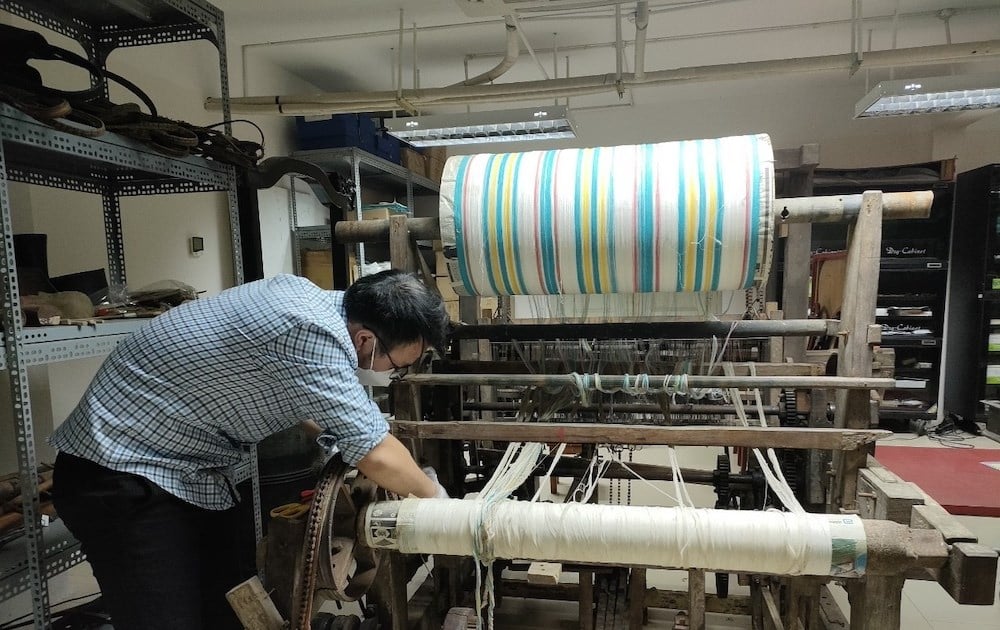
Mr. Thien's concerns, as well as those of many experts and consultants specializing in conservation and historical research, seem to be consistent in how to best ensure the safety of artifacts and relics in museums and historical sites. One of the key issues is how the people working in museum conservation are cared for and protected.
Turning to this aspect, Mr. Thien reflected that it seems every year, every rainy and stormy season, the museum conservation sector has stories of losses, but the greatest concern is the lives and morale of those working in the professional field. "Don't underestimate the lives and responsibilities of countless people behind the massive museums and restored historical sites, including highly skilled professionals who are dedicated to their work."
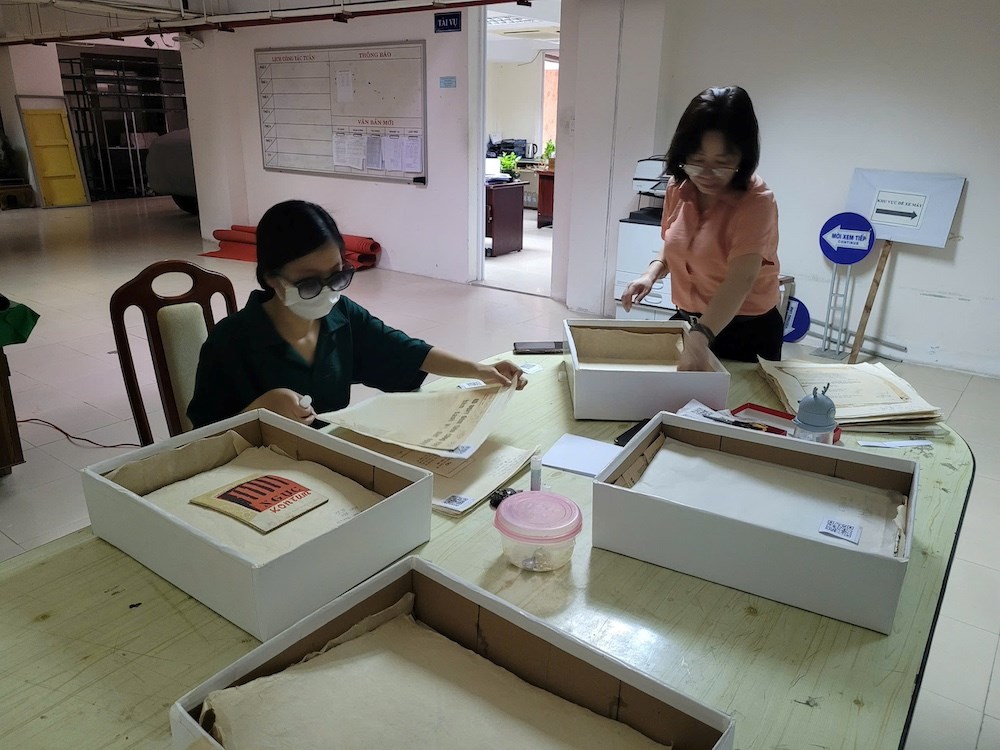
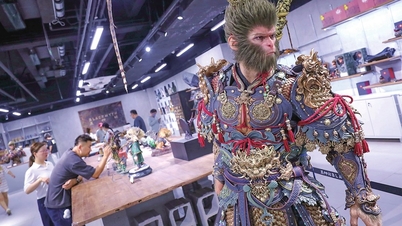
"It's not just scholars and researchers, but also carpenters, masons, mechanics, chemical and biological specialists... Preserving, maintaining, and restoring an artifact is actually not simple; it requires the joint efforts of a whole team of people working in many different professional fields," Mr. Thien explained.
From this perspective, the role of museum professionals is far from simple. Some have quietly pursued restoration and conservation work for decades, patiently and diligently participating in restoration projects and initiatives to complete collections of extremely valuable artifacts.
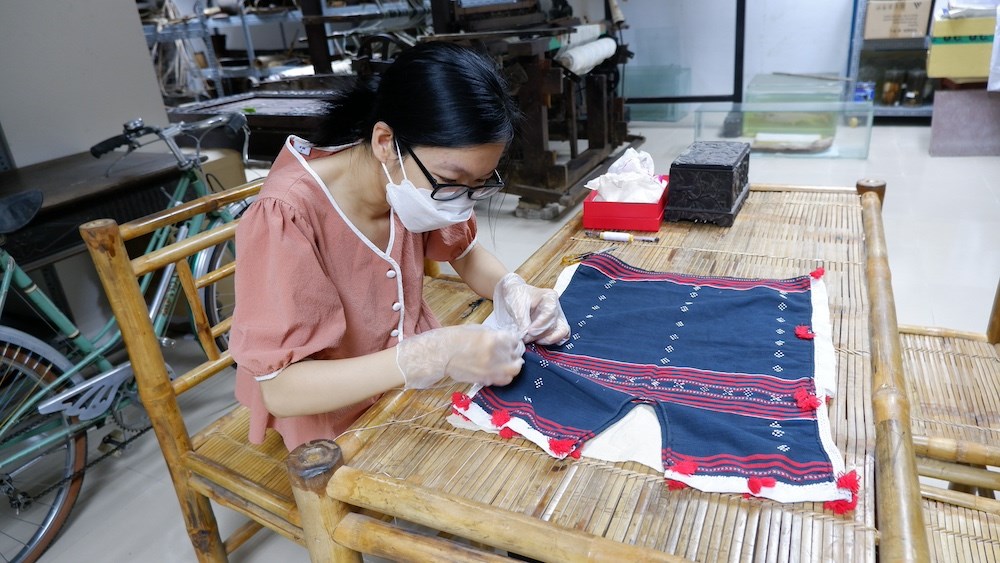
The effort and intellect they put into these artifacts cannot be measured in money or days' wages. "Turning the page of the earth, illuminating the page of life," is Mr. Thien's observation, clearly pointing out those involved who have never rested a single day in their responsibility to preserve and safeguard historical traces and evidence of time…
Thorough attention is needed!
According to Mr. Huynh Dinh Quoc Thien, the Da Nang Museum alone currently has 39 people working in specialized fields related to the restoration and preservation of artifacts. This number is a significant disparity compared to the workload involved in researching and protecting artifacts and documents for display at the local museum.
Just in 2024, with the Da Nang City Appraisal Council approving the purchase of 101 artifacts and groups of artifacts for the Da Nang Museum, including Cham and Nguyen Dynasty historical and cultural artifacts; banknotes and coins; artifacts from the subsidy period; groups of marine life specimens, butterfly and insect specimens; groups of Nguyen Dynasty ceramics; groups of ancient ceramics from Central provinces; groups of antique lamps and clocks… the sheer volume of work they had to do is something not everyone can imagine.
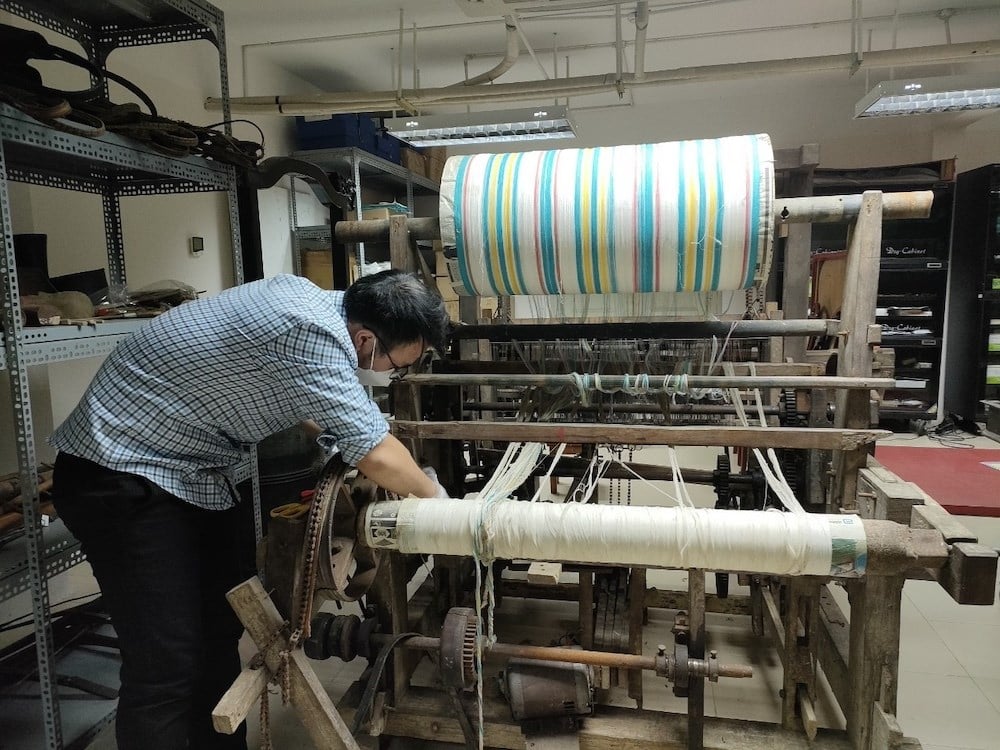
However, to date, policies and regulations for museum professionals remain very limited. Not only in terms of material and spiritual well-being, but these professionals also need extensive retraining in knowledge, skills, and the ability to grasp new techniques and requirements.
For example, in the area of digitization, investing in equipment and software for digitizing and computerizing documents and artifacts in museums has required billions of dong. Issues related to copyright, training skills, and the application of scientific data to the work are all challenging questions for those working in conservation and museum management.
“Behind the tours, exhibitions, and museum visits, how many of us notice the people quietly cleaning, repairing each display stand, and checking the condition of the artifacts? How many people care that when the rainy season comes, the wooden and earthenware items, books, fabrics, and paper in the museum might get damaged by moisture and mold?”
"All of these are historical relics that we must preserve, even if it costs billions of dong, because if they are lost, they can never be recovered," Mr. Thien confided.
Without those involved, silently inspecting and restoring artifacts day after day, hour after hour, it would certainly be difficult to preserve and protect such a vast amount of historical artifacts. Therefore, according to Mr. Thien, society, and especially the management levels, must have a different, better perspective, paying attention to the position and role of museum professionals, the lifelong witnesses who "preserve history with their hands."
Source: https://baovanhoa.vn/van-hoa/nhung-nguoi-giu-su-bang-tay-108600.html

![[Image] Close-up view of the interchange connecting the two expressways and Long Thanh Airport.](https://vphoto.vietnam.vn/thumb/1200x675/vietnam/resource/IMAGE/2026/05/25/1779703378210_ndo_br_z7863716673926-224453a31600126cce10622af6290afd-4549-jpg.webp)
![[Image] Hanoi's urban life under the challenge of a "scorching hot" environment](https://vphoto.vietnam.vn/thumb/1200x675/vietnam/resource/IMAGE/2026/05/25/1779706979265_nang-nong-t5-2026-minh-duy-7-4636-jpg.webp)















































































Comment (0)