

According to Dr. Nguyen Hoai Vu, Department of Cardiology, Tam Anh General Hospital, Hanoi , visceral fat is a layer of fat located deep within the abdominal cavity, surrounding the liver, stomach, and intestines. At a reasonable level, visceral fat plays a role in protecting organs and storing energy. The amount of visceral fat should not exceed 10% of total body fat. If too much accumulates, this type of fat increases the risk of type 2 diabetes, fatty liver disease, dyslipidemia, cardiovascular disease, and stroke. Common signs include a large waist circumference or abdominal obesity. Unbalanced eating habits and a sedentary lifestyle are the main causes of visceral fat accumulation.
Skip breakfast, eat a lot at dinner.
After a long night without eating, the body needs energy to function. Regularly skipping breakfast can lead to fatigue, reduced concentration, and a tendency to overeat at later meals. Consuming too many calories in the evening, when the body is less active, makes it difficult to burn off excess energy, easily converting it into stored fat.
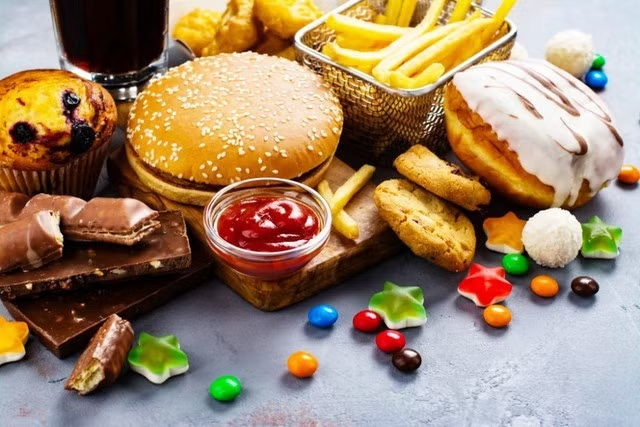
Eating too much sugar and refined carbohydrates.
Soft drinks, milk tea, sweets, noodles, pho... have a high glycemic index, causing blood sugar to rise rapidly after meals, forcing the pancreas to secrete more insulin to transport sugar into cells. If these foods are consumed frequently and excessively, the excess insulin stimulates the body to store fat, especially in the abdominal area and around internal organs. In the long term, the body gradually becomes less sensitive to insulin, leading to insulin resistance - a major risk factor for type 2 diabetes, fatty liver disease, and cardiovascular disease. This group of foods is often low in fiber, vitamins, and minerals, making the body feel hungry quickly, leading to overeating, excess energy intake, and difficult-to-control weight gain.
Lack of fiber
Soluble fiber helps control blood sugar, lower bad cholesterol (LDL), maintain a feeling of fullness, and support digestion. Eating enough fiber also slows the absorption of starches and sugars, helping to stabilize blood sugar, control weight, and reduce the risk of visceral fat accumulation. Fiber is a nutrient source for beneficial gut bacteria. A lack of fiber can easily disrupt the balance of the gut microbiome, leading to low-grade chronic inflammation. Inflammation is a factor linked to abdominal obesity, insulin resistance, type 2 diabetes, and cardiovascular disease.
Drinking too much alcohol or beer.
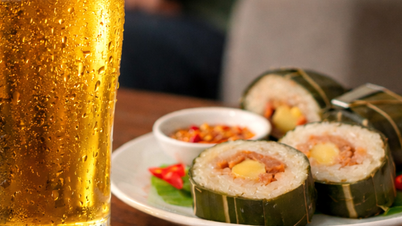
Alcohol and beer provide empty calories, meaning they contain a lot of energy but have no nutritional value. These beverages also directly affect lipid metabolism in the liver. When the liver prioritizes metabolizing alcohol, the breakdown of fats is disrupted, leading to fat accumulation in the liver and abdominal cavity. Prolonged consumption increases the risk of fatty liver disease, dyslipidemia, pancreatitis, and cirrhosis. The habit of drinking alcohol and beer, often accompanied by fatty, salty, and animal-protein-rich snacks like grilled and fried meats and organ meats, further increases abdominal fat and raises the risk of high blood pressure and cardiovascular disease.
Insufficient sleep and prolonged stress
When stressed, the body releases more cortisol. Prolonged high cortisol levels make it easier for fat to accumulate in the abdominal area and internal organs, increasing the risk of insulin resistance, high blood pressure, and cardiovascular disease.
Lack of sleep also disrupts hormones that control appetite. Leptin levels (the hormone that creates a feeling of fullness) decrease, while ghrelin (the hormone that stimulates hunger) increases. People who sleep less than 6 hours a day are more likely to crave sweets and high-energy foods. Prolonged sleep deprivation also reduces the body's ability to burn calories, causing excess energy to quickly convert into stored fat.
Lack of physical activity
Prolonged sitting and lack of exercise cause excess energy to remain unburned, gradually accumulating as fat, including visceral fat. A sedentary lifestyle also leads to muscle loss, which in turn slows down the basal metabolic rate (BMR), reducing calorie burning efficiency. Sitting for hours continuously in front of a computer easily puts the body into a low metabolic state, creating conditions for abdominal and visceral fat to accumulate.
Incorrect dieting
Many people try to lose weight by completely eliminating carbohydrates, only drinking juice, or fasting for extended periods. According to Dr. Vu, these extreme methods may initially lead to rapid weight loss, but mainly due to water and muscle loss. When muscle mass decreases, the basal metabolic rate slows down, and the body burns energy less efficiently. Cutting out carbohydrates, the main source of energy, also causes nutritional imbalances, easily leading to fatigue, dizziness, and metabolic disorders. Prolonged fasting also puts the body into an "energy-saving" state, increasing the tendency to store fat.
To reduce the risk of cardiovascular disease, Dr. Vu advises people to eat a healthy diet, replacing refined carbohydrates with whole grains, and adding 25-30g of fiber daily. Eat a full breakfast and a light dinner (only accounting for 25-30% of daily energy intake), and eat at least 2-3 hours before bedtime. Those wishing to lose weight should follow safe and sustainable principles, consuming approximately 500-700 kcal/day compared to their needs, aiming for a loss of 0.5-1 kg per week to minimize muscle loss and reduce visceral fat. Get 7-8 hours of sleep each night, maintain at least 150 minutes of moderate-intensity exercise or 75 minutes of vigorous exercise per week, combined with muscle-building exercises to improve metabolism.
Source: https://baohatinh.vn/nhung-thoi-quen-khien-mo-noi-tang-tich-tu-post295246.html
![[Image] Hanoi's urban life under the challenge of a "scorching hot" environment](https://vphoto.vietnam.vn/thumb/1200x675/vietnam/resource/IMAGE/2026/05/25/1779706979265_nang-nong-t5-2026-minh-duy-7-4636-jpg.webp)
![[Image] Close-up view of the interchange connecting the two expressways and Long Thanh Airport.](https://vphoto.vietnam.vn/thumb/1200x675/vietnam/resource/IMAGE/2026/05/25/1779703378210_ndo_br_z7863716673926-224453a31600126cce10622af6290afd-4549-jpg.webp)






















































































Comment (0)